

6 Threats to Axolotls: Predators and Human Impact on Mexico’s Endangered Amphibian
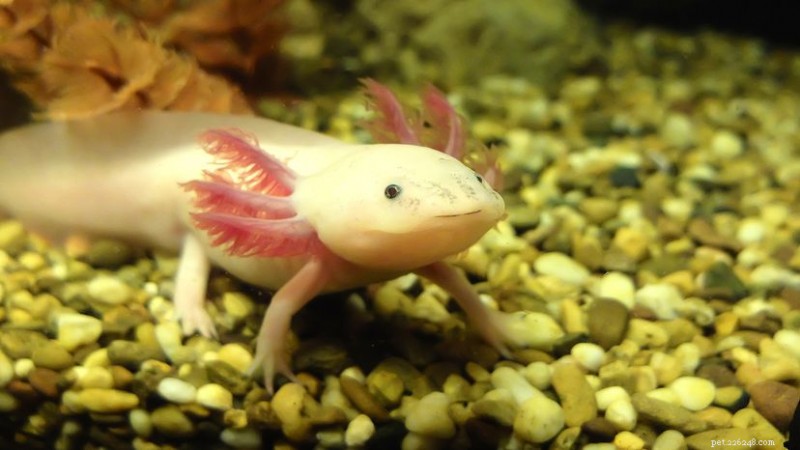
While celebrated for their regenerative abilities and distinctive appearance, axolotls confront a range of dangers in their native ecosystems.
These striking amphibians, characterized by their feathery external gills and lifelong aquatic lifestyle, are endemic to the freshwater lakes of Mexico. There, they face a host of natural predators and invasive threats that jeopardize their survival.
Below is a concise overview of the primary predators and environmental pressures that threaten Ambystoma mexicanum, the Mexican walking fish.
1. Large Birds

Wading birds such as herons and storks frequently prey on axolotls. Their keen vision allows them to spot the amphibian among aquatic vegetation, and their swift strike makes evasion difficult. Axolotls lack movable eyelids and rely heavily on camouflage, rendering them vulnerable in shallow waters.
2. Large Fish

In their natural habitats, axolotls inhabit still lakes like Lake Xochimilco. Introduced fish such as tilapia and carp now pose a significant threat by consuming axolotl eggs, larvae, and even juveniles.
3. Insect Larvae

Although small, insect larvae—including dragonfly nymphs—can be lethal to hatchlings. They pierce soft-bodied embryos before the eggs hatch, leaving early life stages highly exposed.
4. Invasive Species

Beyond introduced fish, non‑native plants and predators degrade suitable habitat, diminishing shelter and food sources for axolotls. These invasive species disrupt the ecological balance of freshwater lakes across Mexico City.
5. Humans

Human actions represent a profound indirect threat. Pollution, overfishing, and the lucrative pet trade have contributed to the axolotl’s critically endangered status. Even well‑meaning conservation efforts can inadvertently disturb their fragile environments.
6. Other Salamanders

While axolotls belong to the mole salamander family and share close genetic ties with tiger salamanders, competitive interactions are limited in the wild due to differing geographic ranges. In captive or altered settings, however, interspecies competition may arise.
Habitat Degradation

Urbanization, pollution, and water diversion erode essential habitats, increasing exposure to predators. The loss of aquatic vegetation and the creation of open water pools make axolotls easier targets.
Lack of Natural Defenses
Axolotls retain external gills and juvenile characteristics throughout adulthood. While this adaptation facilitates underwater respiration, it also leaves them with soft skin, limited coloration, and a slender body—features that provide little protection against predators.
This article was produced using AI assistance and subsequently reviewed, fact‑checked, and edited by a HowStuffWorks editor to ensure accuracy and reliability.
- Calming a Thunder‑Sensitive Dog: Simple Steps to Ease Storm Anxiety
- Can Two Tarantulas Live Together? A Professional Guide to Co-Habitation
- How Rat Poison Threatens Your Dog: Symptoms & Prevention
- 10 Key Side Effects of CBD Oil for Dogs: Essential Information
- From Couch to 5K: How I and My Dog Reclaimed Our Running Routine
- White-Capped Pionus Parrot: Comprehensive Breed Profile
- Considering a Boston Terrier? Here’s Everything You Need to Know