

Axolotl Life Expectancy: Captivity Doubles Wild Lifespan
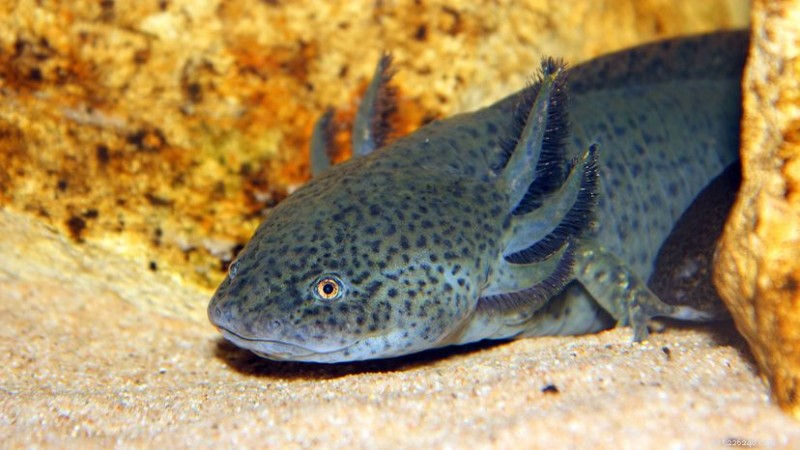
Axolotls (Ambystoma mexicanum) are renowned for their remarkable regenerative abilities and striking appearance, but their life expectancy varies dramatically between wild and captive environments.
How Long Do Axolotls Live?
In the wild, axolotls survive roughly five years on average. In contrast, properly maintained aquarium conditions can extend their lifespan to 10–15 years, with some individuals exceeding 20 years under optimal care.
This disparity reflects both the species’ unique biology—such as permanent larval traits and exceptional limb regeneration—and the harsh pressures of their natural habitat.
Factors Influencing Lifespan
Axolotls retain juvenile characteristics—feathery external gills, a flattened head, and undeveloped teeth—throughout life. This neoteny allows them to remain fully aquatic, but also means they remain vulnerable to environmental stressors that can reduce longevity.
Key determinants of lifespan include water quality, diet, temperature, and disease management. In the wild, these factors are unpredictable, whereas captivity enables precise control.
Wild Habitat and Conservation Status
Today, axolotls survive only in the Xochimilco Canal system near Mexico City, following the drainage of Lake Chalco in the 20th century. According to the IUCN Red List, the species is critically endangered.
Urbanization, pollution, invasive species such as tilapia and carp, and habitat loss have drastically reduced food sources and increased predation, leading to the short average lifespan observed in the wild.
Diet and Predation in the Wild
Wild axolotls feed on small fish, worms, insects, crustaceans, and even tadpoles. Poor water quality and competition from invasive species have limited prey availability, while predators like tilapia and carp can prey on eggs and juveniles.
The axolotl’s mucous coating protects against bacterial infections, but damaged skin from poor water conditions or aggressive interactions can increase mortality risk.
Captivity: Prolonged Survival with Proper Care
In captivity, axolotls thrive on a diet of commercial pellets, frozen bloodworms, brine shrimp, and other protein-rich foods. Regular feeding and a stable environment reduce stress and disease.
Optimal tank conditions include cool, oxygenated water, ample hiding spots with live plants, and a substrate that eliminates the risk of impaction—avoiding gravel is essential.
Unlike most amphibians, axolotls remain fully aquatic throughout life; they do not undergo metamorphosis unless exposed to thyroid hormones in experimental settings.
Regenerative Research and Scientific Value
Axolotls can regenerate limbs, spinal cord, and even brain tissue, making them a prime model for regenerative medicine research. Their ability to repair complex tissues after injury provides insights into nerve and cartilage regeneration.
Studying their endocrine system also offers a window into thyroid function and developmental biology, as their neotenic state is tightly regulated by hormonal pathways.
Conservation Efforts and Future Outlook
Conservation strategies focus on habitat restoration, invasive species control, and captive breeding programs aimed at reintroducing axolotls into protected canal sections. Genetic monitoring ensures diverse and healthy populations.
Public education is crucial, as the axolotl’s popularity as a pet can lead to accidental releases that threaten non-native ecosystems. Responsible ownership and strict regulation of the pet trade are essential for species survival.
This article was produced with AI assistance and subsequently verified by a HowStuffWorks editor to ensure accuracy and reliability.
- Microchipping Your Cat: Benefits, Risks, and How It Works
- Border Collie-Lab Mix (Borador): Comprehensive Breed Guide
- Akbash Dog Breed: Origins, Traits, and Care Guide
- How to Safely Introduce Your Dog to a New Baby: Expert Training Tips
- Understanding Canine Thymoma: Symptoms, Diagnosis, and Treatment Options
- Glucosamine for Dogs: A Proven Solution for Joint Pain Relief
- Purrfect Valentine's Night: How to Spoil Your Cat for a Cozy Home Celebration