

How Thorny Devils Masterfully Collect Water Without Moving
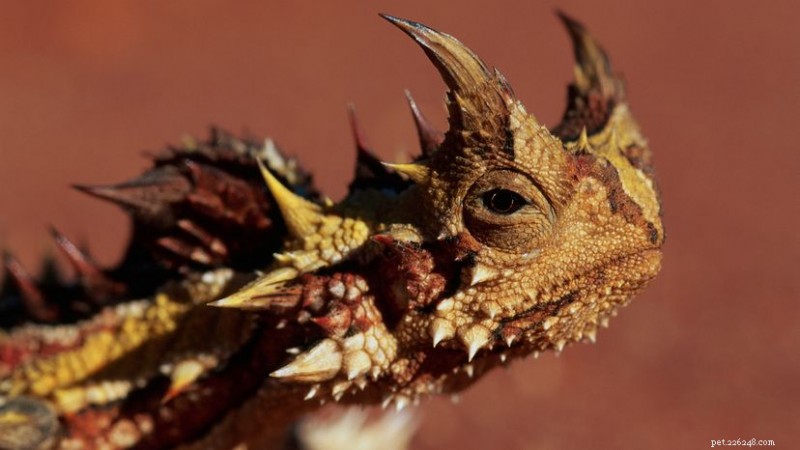
Australia’s thorny devil (Moloch horridus), often dubbed the “devil lizard,” is a striking example of evolutionary ingenuity. With its spiky armor and remarkable water‑collection system, it thrives in some of the planet’s driest landscapes.
What Does the Thorny Devil Look Like?
Identifiable by its hard, cone‑shaped scales, the thorny devil’s body is a mosaic of protection and function. Beneath the armor lies a micro‑structured skin with channels that funnel moisture directly to the mouth. Dew and rainwater condense on these grooves, allowing the lizard to stay hydrated even when the desert is parched.
Reaching about 8 inches (20 cm) long, males are slightly smaller than females. Their coloration shifts from pale yellow and brown to deeper reds, providing excellent camouflage against the sandy and rocky terrain of the Australian outback.
Classification and Regional Variations
Unlike the North American horned lizard, the thorny devil belongs to the family Agamidae (order Lacertilia). It has no formally recognized subspecies, but regional morphotypes exist across Western Australia and the central deserts.
Social Behavior
Solitary by nature, thorny devils spend their days foraging or basking, relying on camouflage and their spiny exterior to deter predators. Mating is brief and occurs only once a year, minimizing exposure to threats.
Diet: Ants, Ants, Ants
Their diet is almost exclusively ants, and a single adult can consume up to 3,000 ants in one day. A sticky tongue captures each insect individually, a slow but efficient feeding strategy that suits their low‑energy lifestyle.
Habitat: Australia’s Arid and Semi‑Arid Regions
Found across Western Australia, the Northern Territory, and western South Australia, thorny devils prefer sandy deserts and scrublands where heat and abundant ants provide the essentials for survival.
Life Cycle
Females lay 3–10 eggs in burrows they dig to shield them from predators and temperature extremes. After 3–4 months of incubation, hatchlings emerge fully spined and ready to fend for themselves. Rapid growth allows them to reach adult size within a year, and they can live up to 20 years in the wild.
Conservation Status
Currently listed as Least Concern, the thorny devil still faces threats from habitat loss and climate change. As desert ecosystems shift, the availability of ants—its primary food source—may also be affected. Ongoing monitoring is essential to ensure long‑term survival.
This article was created with AI assistance and rigorously fact‑checked by a HowStuffWorks editor to guarantee accuracy and reliability.
- Expert Guide: Socializing Adult Cats for a Harmonious Home
- Is a Pet Chimpanzee Right for You? Expert Tips on Care, Risks, and Alternatives
- Microalgae: The Green Superfood Boosting Your Dog's Health
- Top 10 Dog Sports to Keep Your Pup Fit & Focused
- Top Dog Adoption Apps: Find Your Perfect Pup Quickly and Safely
- Do Dogs Detect Lightning? Understanding Their Sensory Powers
- Do Dogs Actually Have ADHD? Insights From Recent Veterinary Research