

Marine Iguana: The Galápagos’ Only Seafaring Lizard – Biology, Behavior, and Conservation
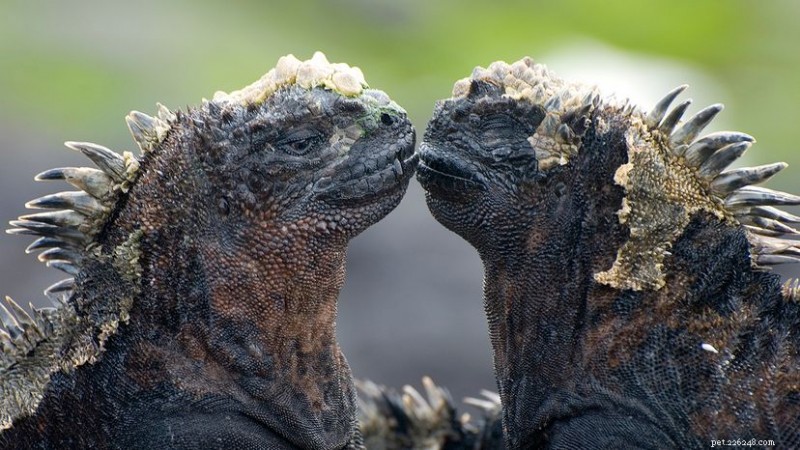
Marine iguanas (Amblyrhynchus cristatus) are the only lizards that have evolved to live and feed primarily in the ocean. Endemic to the Galápagos Islands, these reptiles combine the prowess of a land lizard with the agility of a marine predator.
What Do Marine Iguanas Look Like?
With wide‑set eyes, blunt snouts, sharp teeth, and flattened tails, marine iguanas are built for an oceanic lifestyle. Their black or gray bodies provide camouflage against volcanic rocks, while the brighter colors of males—red, yellow, and green—appear during the breeding season.
Adult males reach about 4 ft (1.2 m) in length, whereas females are typically 2 ft (0.6 m). Their dark coloration helps absorb solar heat, essential for maintaining body temperature after cold ocean dives.
8 Marine Iguana Subspecies
- A. c. albemarlensis – Isabela Island
- A. c. ater – Pinzón Island (occasionally unrecognized)
- A. c. cristatus – Fernandina Island
- A. c. hassi – Santa Cruz Island
- A. c. mertensi – San Cristóbal & Santiago Islands
- A. c. nanus – Genovesa Island
- A. c. sielmanni – Pinta Island
- A. c. venustissimus – Española & Gardener Islands
Subspecies differ in size and coloration, reflecting their unique island habitats. For instance, the Christmas iguanas of Española are renowned for their vivid red and green hues during breeding.
Marine Iguana Social Habits
These lizards are gregarious, forming large basking aggregations on volcanic rocks to recover body heat after dives. Colonies remain vigilant against predators such as birds, snakes, crabs, and sharks, with the Galápagos hawk being the primary threat.
During the breeding season, males defend territories through head‑bobbing displays and occasional physical confrontations.
The Marine Iguana's Life Cycle
Females dig shallow nests in sandy or volcanic soil to lay eggs. Hatchlings emerge after roughly three months and must forage independently. Juveniles transition from a terrestrial to a marine lifestyle as they grow.
Male iguanas reach sexual maturity around age 7, females slightly earlier at 4. In the wild, they live about 12 years, with some individuals reaching 60 years.
What Do Marine Iguanas Eat?
Marine iguanas specialize in marine algae and seaweed. They can hold their breath for up to 30 minutes while feeding and dive to depths of 30 ft (9 m) to graze on submerged rocks. During rough seas, they switch to algae washed ashore.
Where Do Marine Iguanas Live?
They occupy the rocky shorelines of the Galápagos, where volcanic terrain offers both feeding grounds and basking sites. Cold, nutrient‑rich currents support abundant algae growth.
Are Marine Iguanas Endangered?
The International Union for Conservation of Nature (IUCN) lists marine iguanas as vulnerable. Threats include habitat destruction, climate change, invasive predators, and the effects of El Niño, which can reduce algae availability and trigger mass starvation.
Human activities such as tourism and pollution also jeopardize their fragile ecosystem.
This article was fact‑checked and edited by a HowStuffWorks editor.
- Safeguard Your Dog from Heat Exhaustion This Summer
- Celebrating 15 Years of Murphy: A Milestone Birthday Tribute
- Understanding Coccidia in Puppies: Symptoms, Diagnosis, and Proven Treatment
- Breeding Campbell and Winter White Dwarf Russian Hamsters: A Complete Guide
- 19 Cat Photos Proving Their Fearless Exploratory Spirit
- Shetland Pony Profile: History, Traits, and Care Guide
- Effective Natural Strategies to Relieve Parrot Anxiety