

The Green Iguana: 7‑Foot‑Long Lizard, Habitat, Behavior, and Conservation Status
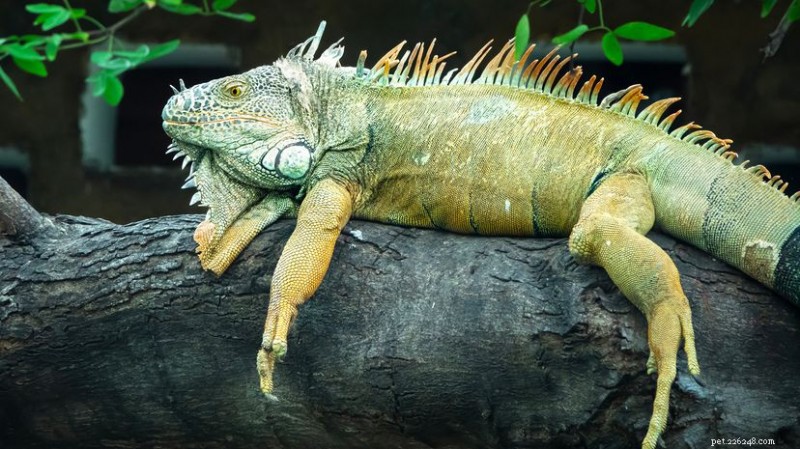
The green iguana (Iguana iguana) is one of the most recognizable lizards worldwide. Native to tropical regions of Central and South America and the Caribbean, it has also established populations in Florida and Hawaii, where it is considered invasive due to its impact on native flora.
In the wild, green iguanas thrive in rainforests, mangroves, and dry forests, spending daylight hours basking, feeding on foliage, and retreating into burrows. Their highly arboreal nature keeps them above ground predators, yet they are also adept swimmers, often diving into water to escape threats.
What Do Green Iguanas Look Like?
Adults can reach 5–7 feet (1.5–2.1 m) in total length, including their distinctive tail. Their vibrant green coloration offers camouflage among leaves, though some individuals display blue, orange, or yellow hues that vary with age and geographic location. Juveniles are smaller and brighter, making them less visible in dense vegetation.
Characteristic features include a prominent dewlap beneath the chin, spiny ridges along the back and tail, strong limbs, long claws, and specialized toes adapted for tree climbing. Green iguanas possess exceptional long‑range vision, sharp color discrimination, and a third “parietal” eye on the crown of the head that aids in predator detection.
Social Behavior
Young iguanas exhibit social tendencies, especially during their first year, congregating for mutual protection. As they mature, they become highly independent. Adult interactions are limited to the breeding season, during which they may bask or forage in groups.
Male iguanas defend territories through head‑bob displays, dewlap flaring, and, when necessary, physical combat. These territorial behaviors often deter rivals without escalation.
In non‑native regions such as Florida and Hawaii, green iguanas have adapted to urban settings, frequently seen basking on sidewalks or near canals.
Diet
While juveniles may opportunistically consume insects, adults maintain a strictly herbivorous diet consisting of leaves, flowers, and fruit. Their digestive processes aid in seed dispersal, supporting ecosystem regeneration.
Conservation Status
Green iguanas are currently not classified as endangered, but localized threats arise from habitat loss, the pet trade, and traditional consumption practices. Conservation initiatives aim to preserve natural habitats in the Americas while mitigating the species’ ecological impact in invaded territories.
This article was developed with AI assistance and subsequently reviewed by a HowStuffWorks editor to ensure accuracy and quality.
- 2022 Guide: 10 Best Online Hatcheries to Buy Day‑Old Chickens
- Why Do Dogs Roll After Eating? Understanding Their Post-Meal Behavior
- Why Your Dog Won't Walk Outside – Understanding Their Reluctance
- Rabies in Cats: Symptoms, Risks, and Prevention
- Supporting Your Cat When You're Facing Food Insecurity
- How Many Fish Can a Saltwater Aquarium Hold? Expert Guidelines
- The Complete Guide to Dog Crates: Benefits, Best Practices & Common Misconceptions