

Coral vs. King Snakes: How to Tell Them Apart – Traits, Habitat, and Venom
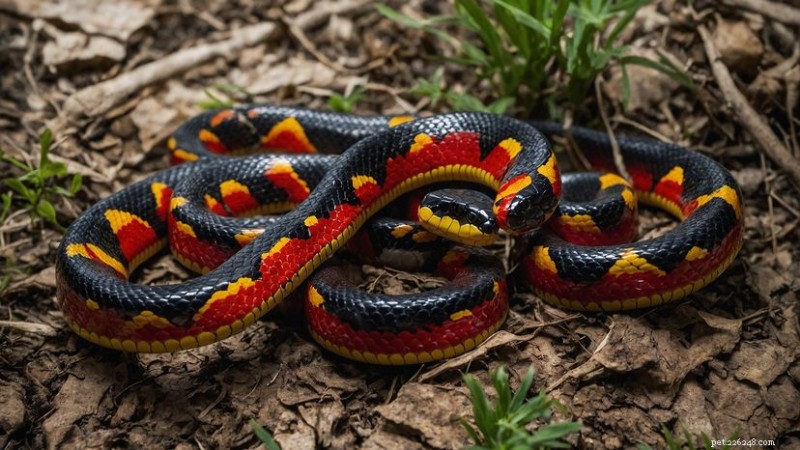
King snakes and coral snakes share strikingly similar coloration, making quick identification a challenge. Understanding the subtle differences between these two species is crucial for safety, wildlife enthusiasts, and herpetologists alike.
Coral Snakes
New World coral snakes, found across North, Central, and South America, are known for their bright red, yellow, and black banding. The classic mnemonic, “red touches yellow, kills a fellow,” helps recall that the yellow bands abut the red ones—an essential clue that the snake is venomous. However, this rhyme does not apply universally, so careful observation is always recommended.
Diet and Bites
Coral snakes deliver a potent neurotoxin via small, efficient fangs. The toxin rapidly paralyzes the nervous system of prey, making these snakes formidable predators of other snakes, lizards, and frogs. Human bites are uncommon due to their reclusive nature, but any bite warrants immediate medical attention.
Habitat
These reptiles thrive in a range of environments—from sandy swamps in the southeastern United States to tropical rainforests in Central and South America. The eastern coral snake is often encountered in southern Florida, while other New World species inhabit Mexico and Central America. Old World coral snakes exist in Asia and Africa, but they belong to a distinct lineage.
King Snakes
Nonvenomous, king snakes mimic coral snakes with similar banding, especially the scarlet variety. Unlike their venomous counterparts, king snakes use constriction to subdue prey, which includes small snakes, lizards, rodents, and even venomous snakes such as coral snakes. Their immunity to snake venom earned them the moniker “king” of snakes.
Hunting Patterns
King snakes are skilled constrictors. They wrap tightly around prey until it can no longer breathe, a method that allows them to tackle a diverse diet and even prey on venomous species.
Habitat and Reproduction
These adaptable reptiles are found throughout North America, inhabiting forests, grasslands, and deserts. Species such as the scarlet king snake occupy the southeastern U.S., while the California king snake is common in the west. King snakes lay eggs that hatch into miniature adults, ready to hunt and mimic from an early age.
3 Key Differences Between Coral Snakes and King Snakes
Below are three critical distinctions to help you differentiate between these species:
1. Venom
Coral snakes possess venom; king snakes do not. Look closely at band placement: coral snakes have yellow bands adjacent to red ones, whereas king snakes have red bands separated by black.
2. Predation
Coral snakes rely on venom to paralyze prey; king snakes use constriction. While both consume small snakes and lizards, king snakes can prey on venomous snakes, including coral snakes, thanks to their venom resistance.
3. Environment
Coral snakes prefer tropical or warm habitats, such as southern Florida, and are relatively reclusive. King snakes have a broader distribution across North America, occupying a variety of ecosystems.
This article was produced with AI assistance and subsequently reviewed and fact‑checked by a HowStuffWorks editor.
- 50 Classic & Contemporary Literary Names for Your Dog
- Secure Your Holiday Tree: Pet-Proofing Tips for Cats & Dogs
- Handling Hedgehogs: A Guide to Safe, Gentle Petting
- Beyond Licking: The Multifunctional Roles of a Dog’s Tongue
- Choosing the Perfect Name for Your New Dog: A Guide
- 10 Proven Strategies to Keep Your Cat Off Your Bed
- Herbal Solutions for Pets: Naturally Alleviating Joint Pain & Arthritis