

Saltwater Crocodile (Crocodylus porosus): The World's Largest and Most Powerful Predator
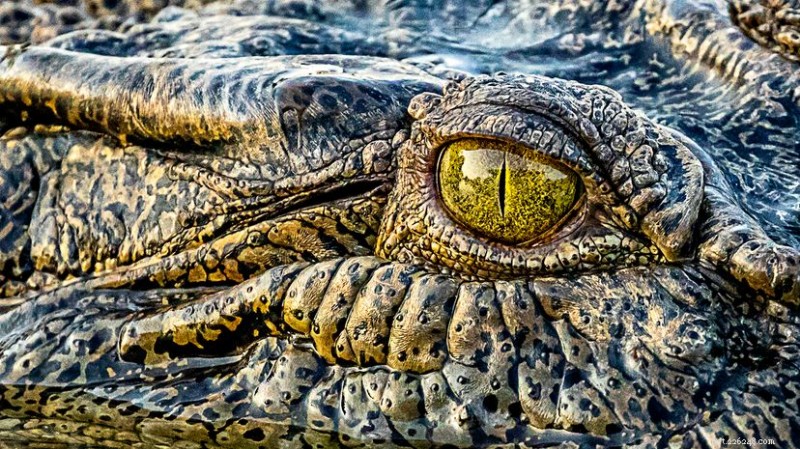
Crocodylus porosus, commonly known as the saltwater crocodile or “salty,” is the largest living reptile on Earth. Its powerful build and adaptive hunting tactics make it one of nature’s most formidable predators.
Physical Characteristics
Saltwater crocodiles boast a robust, muscular body, a broad snout, and a jaw that can exert up to 3,700 pounds of force. Their scales form a natural armor, while a dark greenish‑brown dorsal coloration with lighter undersides aids camouflage in murky waters.
Adult males can reach lengths of 7 meters (23 feet) and weigh over 1,000 kilograms (2,200 pounds). Females are generally smaller, averaging around 3 meters (10 feet). The record‑setting specimen measured more than 7 meters.
Regional Variations and Related Species
While no formal subspecies exist, populations in Western Australia and the Solomon Islands grow larger than those in Southeast Asia, reflecting differences in diet and habitat. The American crocodile (Crocodylus acutus) is a distinct species that shares a similar coastal niche in the Americas.
Social Behavior
These reptiles are predominantly solitary. Adult males claim extensive territories along rivers, estuaries, or coastlines and defend them fiercely from rivals. Females, however, tend to occupy smaller, shared areas and remain close to their young during early development.
Diet and Hunting Strategy
As apex predators, saltwater crocodiles consume a wide array of prey, from fish and birds to large mammals such as wild boar and water buffalo. Their ambush technique—waiting silently for hours—allows them to launch a sudden, powerful attack that often results in drowning before the prey is torn apart.
Habitat and Geographic Range
They thrive in brackish and freshwater environments, including estuaries, rivers, swamps, and even the open sea. Their range spans northern Australia, Southeast Asia, and Pacific islands such as the Solomon Islands.
Life Cycle
Females lay 40–60 eggs in mud and vegetation nests, with incubation lasting about 80 days. Temperature dictates sex: warmer nests produce females, cooler nests produce males. Hatchlings are immediately transported to water by their mother and grow rapidly, reaching maturity within 15–20 years.
In the wild, saltwater crocodiles can live over 70 years, with some individuals exceeding 80 years.
Conservation Status
Once threatened by overhunting for their prized skins, modern protections in Australia and surrounding regions have led to stable or increasing populations. Nonetheless, habitat loss and illegal hunting continue to pose challenges in some areas. Ongoing conservation efforts are essential to preserve these ancient reptiles.
We created this article with AI assistance and it was subsequently reviewed and fact‑checked by a HowStuffWorks editor.
- Are Pine Nuts Safe for Birds? A Complete Guide to Their Benefits and Risks
- Celebrating Charlie’s 8th Birthday: A Heartwarming Family Moment
- American White Shepherd: Key Facts & Care Guide
- When a Husky Refuses to Leave Grandparents' House – A Hilarious Yet Insightful Look at Dog Attachment
- How Dog Food Fuels Common Health Issues: 3 Key Diseases to Watch
- Office-Friendly Dogs: Which Breeds Thrive in the Workplace
- 5 Proven Enrichment Activities to Keep Your Indoor Cat Healthy and Happy