

Black Mamba: Separating Myth from Reality – Size, Venom, and Behavior
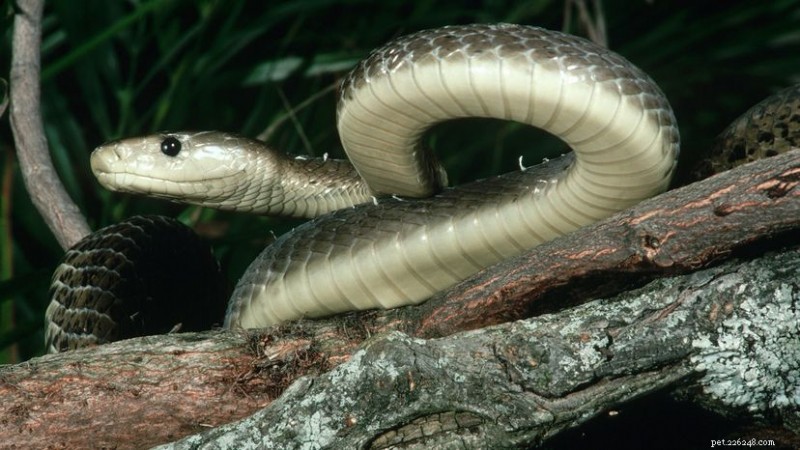
Despite its ominous name, the black mamba (Dendroaspis polylepis) is not truly black. Its dorsal scales range from slate gray to dark brown, while the underbelly is a lighter hue. This coloration provides effective camouflage in the varied African landscapes it calls home.
Renowned for speed and aggression, the black mamba is Africa’s longest venomous snake, reaching up to 4.3 meters (14 feet). Below we examine its biology, habitat, and the common misconceptions that surround it.
Physical Characteristics
Coloration
Juveniles display a pale, olive‑green tint that darkens with age. This gradual shift helps them blend into their environment as they mature. Their glossy, smooth scales reflect light, further aiding concealment. The iconic inky black inside of the mouth is a defensive signal, not a skin color.
Size
Hatchlings measure 50–60 centimeters (20–24 inches) upon birth and can grow to an average of 2.5 meters (8.2 feet), with exceptional individuals reaching 4.3 meters. Their slender build contributes to their rapid acceleration, often up to 20 km/h (12.5 mph).
Eyes and Head
Medium‑sized eyes with round pupils sit on a coffin‑shaped head—a structural adaptation that supports potent venom glands and a muscular delivery system.
Longevity
In captivity, black mambas live up to 11 years. Wild populations may reach similar ages, though precise data remain limited.
Where Do Black Mambas Live?
These snakes occupy a broad range across sub‑Saharan Africa—from southeastern nations to the Horn of Africa, extending westward to Namibia and Angola. Their preferred habitats include savannas, rocky hills, lowland forests, and open woodlands. Sunlit rock crevices, termite mounds, and abandoned burrows offer ideal basking and shelter sites.
Thermoregulation is crucial; black mambas adjust body temperature by moving between sun and shade. Though primarily terrestrial, they are competent climbers and often use trees and bushes for hunting or refuge.
Diet and Hunting Habits
The black mamba’s diet centers on rodents, which it actively pursues. Its speed, agility, and stealth make it an efficient predator, helping control rodent populations and maintain ecological balance.
Birds—especially nestlings and roosting individuals—are also part of its diet. Occasional reptiles, including smaller snakes, are taken, though this is uncommon.
Hunting Timing
Diurnal hunters, black mambas rely on acute vision and olfaction to locate prey during daylight. Once a target is spotted, a rapid strike delivers neurotoxic venom that immobilizes the prey almost instantly.
The snake consumes its meal whole, typically starting with the head, thanks to highly flexible jaws that can stretch to accommodate large prey.
Mamba Mating Behaviors
Breeding occurs in spring, primarily between March and April. During this season, males engage in a “combat dance”—a ritualistic, non‑venomous contest where they entwine and attempt to pin one another to establish dominance.
Dominant males pursue females, using tongue flicking and chin rubbing as part of courtship. After copulation, females lay 10–25 eggs in concealed sites; hatchlings emerge fully independent and capable of self‑sufficiency.
Debunking Myths About Black Mambas
Legendary Sizes
While the species can reach 4.3 meters, folklore often exaggerates its length to mythical proportions.
High‑Speed Chases
Black mambas can sprint at up to 12.5 mph (20 km/h), but this speed is primarily for escape, not aggressive pursuit.
Tail Leaps
Claims that the mamba can loop its tail to leap at prey or predators are unsupported by evidence.
Kiss of Death
The dramatic nickname reflects the venom’s potency. While the bite can cause rapid paralysis and respiratory failure, the term “kiss of death” is sensationalized. Prompt medical care and antivenom dramatically reduce mortality.
How Dangerous Is a Black Mamba Bite?
Venom toxicity is measured by LD50—approximately 0.28 mg/kg when administered intravenously. A typical bite delivers 100–120 mg of venom, enough to be lethal to an average adult with a dose as low as 10–15 mg. Outcomes depend on bite location, victim health, and speed of treatment.
In the wild, the mamba’s venom can kill a human in roughly 20 minutes if untreated.

An Unexpected Source of Pain Relief
Research published in Nature (2012) identified “mambalgins,” proteins in black mamba venom that act as potent painkillers. In mouse models, mambalgins matched morphine’s efficacy without typical opioid side effects. Though promising, further animal studies are needed before human application.
Three Other Mamba Species
- Eastern Green Mamba (Dendroaspis angusticeps) – Bright green, arboreal, less aggressive; venom is neurotoxic, but human encounters are rare.
- Western Green Mamba (Dendroaspis viridis) – Similar to its eastern counterpart, inhabiting West African coastal jungles.
- Jameson’s Mamba (Dendroaspis jamesoni) – Variable green shade, quick to flee; lives in both forest and open habitats; venom toxic but poses minimal human threat.
This article was written in conjunction with AI technology, then fact‑checked and edited by a HowStuffWorks editor.
- Effective Ways to Prevent Male Rabbits from Mounting: A Caregiver’s Guide
- 17 Cats Living Their Best Lives: Adorable & Inspiring Moments
- Top Arkansas Labrador Retriever Breeders – 2022 Puppy Listings & Buying Guide
- Australian Kelpie Puppies: Expert Care and Training Guide
- Blood in Your Dog's Urine: Causes, Diagnosis, and Treatment Options
- Keep Your Pets Safe During Halloween Trick-or-Treating
- California Vets Seek Permission to Prescribe Medical Cannabis for Pets