

What Do Turtles Eat? A Complete Guide to Their Diets
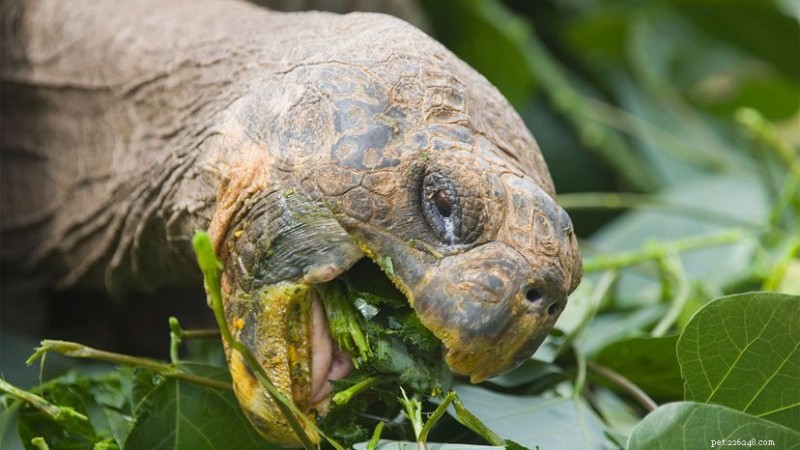
A turtle’s diet is shaped by its age, size and species. While most turtles are omnivorous, each of the more than 300 species has its own feeding preferences, making variety essential for optimal health.
Pet Turtles: What to Feed
Land‑dwelling pet turtles thrive on a balanced menu that combines dark leafy greens (e.g., collard, kale), fresh vegetables, a rainbow of fruit, and a protein source. You can offer ready‑made options such as earthworms, crickets, or feeder fish—available at most pet stores—or high‑protein wet dog food and specially formulated protein pellets. Mealworms make a tasty treat but are low in nutrition, so they should only supplement a varied diet. If a turtle shows disinterest in a particular item, try another; some may reject apples yet happily munch on hard‑boiled egg.
Sea Turtles: Diverse Dietary Habits
Sea turtles span a spectrum from omnivores to strict herbivores and carnivores, depending on the species. Of the seven extant species, flatback, loggerhead and olive ridley are omnivores, eating everything from jellyfish and seaweed to fish and shrimp. Green sea turtles become herbivores as adults, feeding mainly on seagrass and algae, while juveniles supplement their diet with meat. Hawksbill turtles prefer sea sponges, and Kemp’s ridley turtles specialize in crabs. Leatherback turtles, often dubbed gelatinivores, feed almost exclusively on jellyfish and other soft invertebrates.
Land Turtles (Tortoises): Adult vs. Juvenile Nutrition
Adult terrestrial turtles (tortoises) are true omnivores, enjoying a mix of insects—beetles, caterpillars, earthworms, grubs, and snails—alongside plant matter such as berries, flowers, fruit, grasses, and mushrooms. Juvenile tortoises, however, require a protein‑rich diet to support rapid growth, so insects and small prey should be emphasized. Both age groups can also benefit from occasional fresh carcasses of small amphibians or mammals, which are natural parts of their diet.
- Apple & Apricot, Kitten Academy Stars, Find Loving Forever Homes
- Five Cats Conquer the Role of Church in the Upcoming 'Pet Sematary' Film
- Meet Skyy: The Elegant Blue Lynx-Mitted Ragdoll Cat
- 8 Essential Things Your Cat Adores for a Happier Home
- Understanding Enlarged Pupils in Dogs: Causes, Symptoms, and When to Seek Veterinary Care
- Top Apartment-Friendly Dog Breeds: Find Your Perfect Companion
- Why Dogs Favor One Person: Understanding Attachment & Strengthening Bonds