

Professional Guide: When and How to Trim Your Lizard’s Nails
May 28, 2025
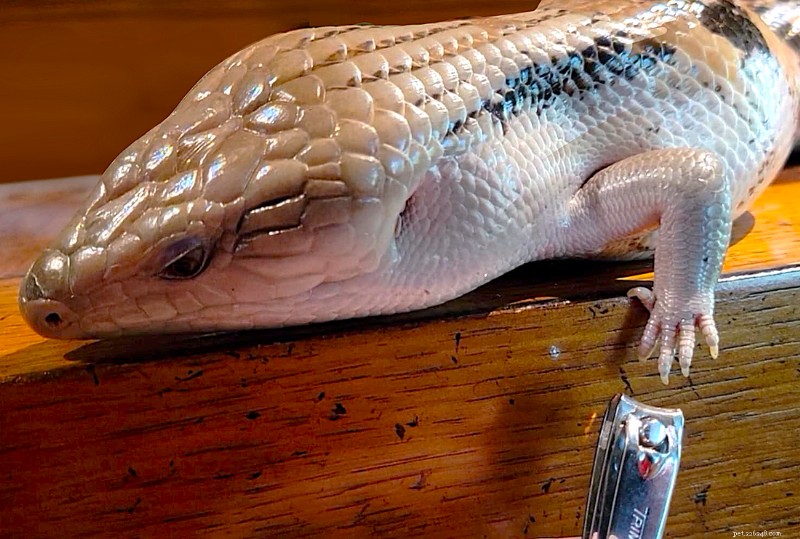
As a lizard owner, you’ll notice that handling can sometimes lead to scratches and accidental damage to surfaces. While many keepers avoid trimming altogether, there are clear signs that a trim is beneficial and, when performed correctly, it’s a straightforward and safe procedure.
When Is Nail Trimming Necessary?
There isn’t a universal rule, but a few practical indicators can guide your decision:
- Claws are long enough to interfere with daily activity (e.g., toes curling or misaligned).
- Claws crack or split when left untrimmed.
- Claws cause injury to you or your lizard during handling.
Reptiles rely on their claws for climbing, digging, and self‑maintenance. Trimming should never compromise their natural behavior. If a nail is causing pain, infection, or health issues, a trim is advisable. Otherwise, let the claws remain intact.
Avoid trimming if:
- Your lizard is an obligate climber and relies heavily on claws for mobility.
- There is no observable problem with the current length.
- You lack confidence in performing the procedure safely.
In such cases, consult a licensed veterinarian or a certified reptile technician to prevent accidental injury to your pet.
Safe Techniques for Nail Trimming
Once you’ve decided that trimming is appropriate, use one of the following methods, ensuring you work slowly and gently.
Clippers
Scissor‑style or nail clippers designed for small animals are the most common tool. Keep them sharp; a dull blade can cause tearing. Identify the “quick” – the pinkish vein inside the nail – and stop trimming before you reach it. For darker nails, cut only until the nail begins to taper; the risk of cutting too far outweighs the benefit of a shorter nail.
Rotary Grinders (Dremel)
Many reptiles tolerate a low‑speed rotary grinder better than manual clipping. Secure your lizard firmly, then lightly press the grinding tip against the nail’s surface. Work in short bursts and avoid excessive vibration, which can stress the animal.
Self‑Maintenance Through Enclosure Design
Some owners prefer to let the lizard wear down its claws naturally. Add abrasive surfaces—slate tiles, textured rocks, or rough bark—to the enclosure. If your lizard digs or climbs on these substrates, the claws will gradually file down without direct intervention.
What to Do If a Nail Injury Occurs
Accidents can happen even to experienced keepers. Having a plan saves your lizard from unnecessary suffering.
- First Aid Preparedness – Assemble a reptile first aid kit with styptic powder, gauze, and a clean pair of scissors. If a nail bleeds, apply a small amount of styptic powder to stop the flow.
- Act Promptly – For minor bleeding, styptic powder or gauze suffices. For more severe bleeding or signs of infection, contact your veterinarian immediately. Keep your regular and emergency vet contact information handy.
- Secure the Injury – If your lizard has sustained a joint or limb injury while trimming, use gauze to immobilize the affected area. Avoid adhesive tapes that may stick to the reptile’s skin.
When in doubt, the safest option is to leave nail trimming to a professional. A veterinarian’s precision reduces the risk of injury and ensures your lizard’s claws remain healthy.
Remember: claws are essential for your lizard’s natural behavior. Trim only when necessary, and adjust the enclosure to support their self‑maintenance needs.
- Comprehensive Guide to Grooming Persian Cats: Tips & Tricks
- Can Turtles Safely Eat Grapes? A Guide to Their Nutritional Benefits and Risks
- How Fast Do Cats Sprint? Discover Their True Speed & Why It Matters
- The Secret Behind Dogs Bringing Their Toys to Bed: What It Means and How It Benefits Them
- 23 Pets Who Earned Santa’s Praise This Holiday Season
- Can a Cat Scratch Transmit Rabies? Key Facts & Prevention
- Safe and Effective Weight‑Loss Strategies for Your Overweight Beagle – Bowser’s Journey