

Choosing the Correct Food Size for Reptiles: A Practical Guide
Reptiles vary widely in size and shape, making proper feeding a nuanced task. Accurate portioning isn’t just a cost‑saving measure—it directly influences your animal’s longevity and well‑being.
Feeding an incorrectly sized item can lead to obesity, as your reptile consumes more calories than it expends. Excess fat deposits around vital organs strain their function, shortening lifespan and reducing comfort.
So how do you determine the proper size? Combining several methods—visual comparison, caloric content, body‑weight calculations, and feeding mechanisms—provides a reliable framework.
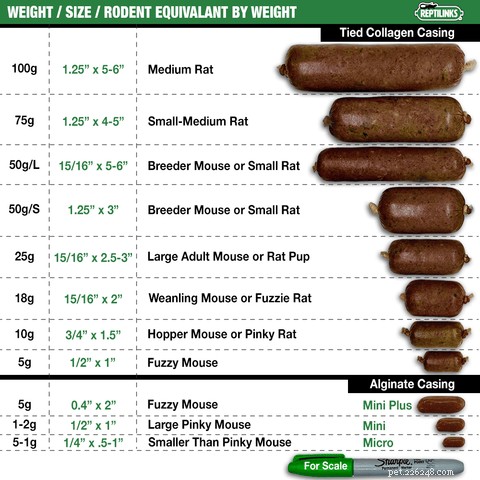
Reptilinks are available in the following sizes:
The Comparison Method
The most widely used technique is the comparison method. For lizards, measure the distance between the eyes across the top of the head. A food item, such as a Reptilink or whole prey, should not exceed that span; otherwise, the animal may choke and receive excess calories. For snakes, the head width is less informative because their jaws can expand. Instead, compare the food width to the snake’s widest body section—usually near the mid‑body. The food should be narrower than this measurement.
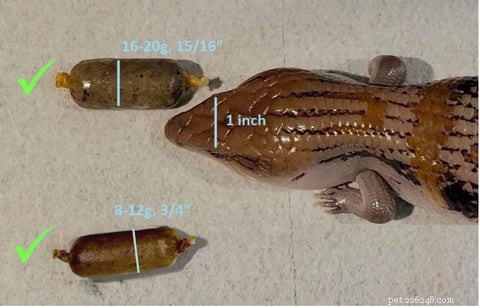
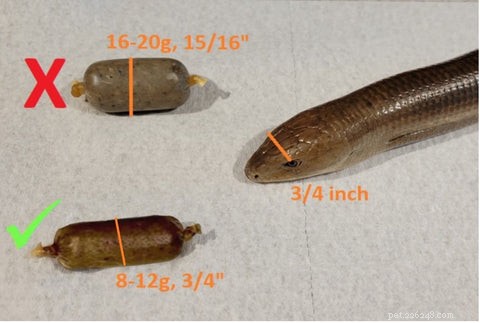
In the image above, a blue‑tongue skink with a one‑inch eye span can safely accept a 15/16 inch or a 3/4 inch Reptilink. A sheltopusik with a ¾ inch eye span cannot handle the larger link.
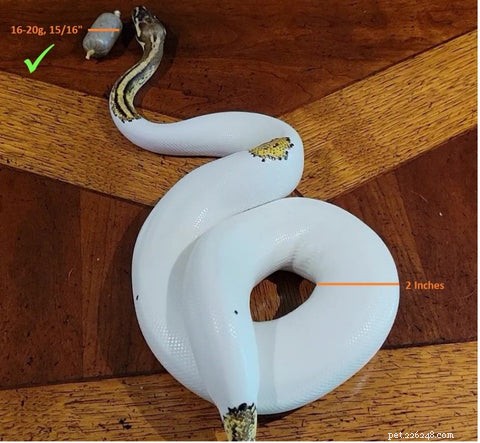
For the ball python shown, the mid‑body width is 2 inches, so a one‑inch link is comfortable. It could also handle larger sizes, such as the 1.25‑inch 75‑gram Reptilink, if the snake’s overall size permits.
The Calorie Method
Once you know the maximum physical size, consider the caloric value. A general rule is to feed no more than 10–15 % of the animal’s body weight per meal. Protein‑rich and fat‑dense foods, like Reptilinks, contain more calories than whole prey, so they can be offered less frequently—saving money while keeping the diet balanced. Watch for signs of excessive weight gain and adjust portions accordingly.
The Mechanism of Eating Method
Different species process food in distinct ways. Tegus and many lizards possess powerful jaws that can crush or chew larger items. If your animal can bite and break down a link, it may tolerate a size near the upper limit of the comparison method. However, Reptilinks are designed to be swallowed whole, so feeding multiple smaller links can reduce handling time and minimize mess.
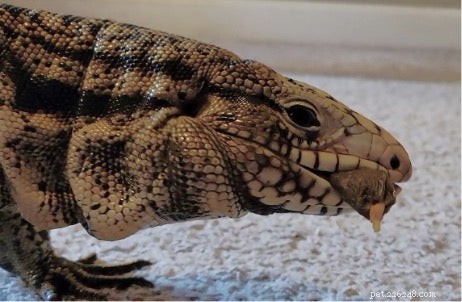
The black‑and‑white tegu demonstrates the ability to mash a link into smaller pieces before swallowing. In contrast, snakes swallow whole; a food item too close to the maximum width risks regurgitation or, worse, airway blockage. For snakes, err on the side of caution and avoid feeding at the top of the size range.
The Body Weight Method
When mouth shape or size makes comparison difficult, use body weight as a guideline. Reptilinks and whole prey should typically comprise 10–15 % of the animal’s body weight per feeding. Feeding multiple links can quickly exceed this limit, especially if the animal’s mouth is narrow. This method is also useful when offering chopped or processed foods.
Watch for Signs of Obesity
Even with accurate portioning, frequent feeding can still lead to excess weight. Obesity manifests in several species‑specific ways:
Bloat
Excessive skin tightness around the belly or vent, often accompanied by visible bulges, indicates fat accumulation. In snakes, a lump on either side of the vent is common; in tegus and monitors, loose side skin may disappear as weight increases.
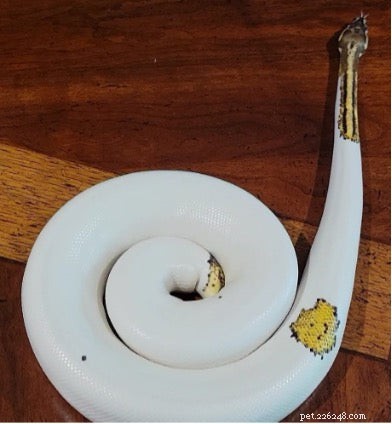
In the ball python example, mild vent bulging and minimal spinal prominence suggest early overweight—an early signal to extend the interval between feedings.
Segmentation
When fat gathers in neck or tail base areas, the animal may appear segmented, making the head look disproportionately small.
Sunken Spine
Fat along the back can lift the skin above the spine, creating a depressed profile. Gently palpating the sides may reveal a softer, fatty texture beneath the skin.
What to Do
Obesity is reversible. Increase activity through environmental enrichment, adjust feeding frequency (e.g., every other day), or reduce portion sizes. Over time, the animal’s body will convert excess fat into energy and excrete the surplus, restoring health.
Potential Under‑feeding
Conversely, under‑feeding is equally problematic. Signs include lethargy, reluctance to engage, and poor bone structure. Low weight, visible ribs, or misshapen tail and fingers suggest a calorie deficit. If weight loss persists, gradually increase portions or feed more frequently. Calorie‑dense Reptilinks can help bridge gaps without increasing meal volume.
- UK Pet Trends: Cat Ownership Rises, Fish Remain Most Popular Choice
- 13 Common Household Items That Are Toxic to Dogs
- Top Puppy Health Risks: 5 Conditions You Must Watch For
- What Drives Dogs to Sit by the Window? Expert Insights into Their Curious Habit
- Guide to Caring for a Cat During Kitten Birth: Tips & Precautions
- Siamese Cats: Elegant Beauty & Social Charm
- Is the Keto Diet Safe for Dogs? Expert Insights