

New Insights on Senegal Chameleon Diet: How Nutrition Shapes Prey Selection
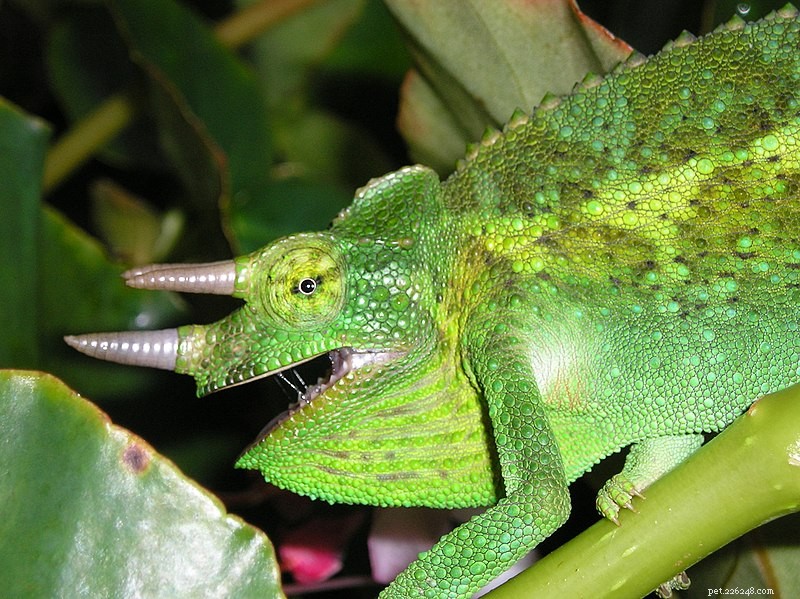 The Senegal Chameleon (Chamaeleo senegalensis) has long been common in the pet trade, yet there remain significant roadblocks to longevity and breeding. I recently re-read a 1990 study on prey choice in this species. I then considered it in light of newer research that established a link between Vitamin D levels and chameleon basking behavior. I believe both contain important findings that may be applicable to many species.
“What, grasshoppers again”!
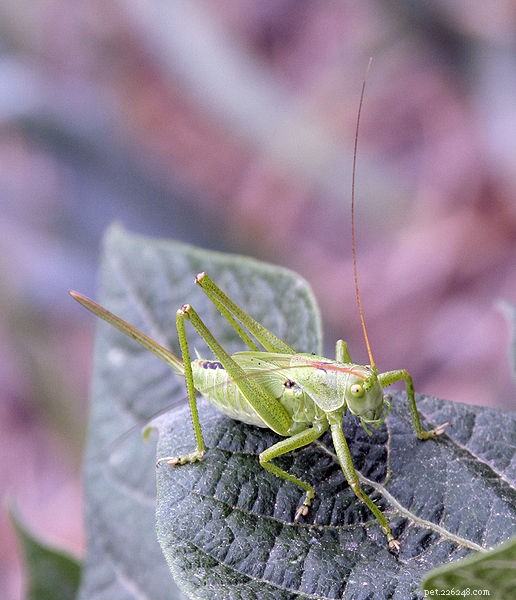
In the study that examined prey choice in Senegal Chameleons (J. of Herpetology: V.24, N.4: p.383), different groups of chameleons were fed solely on either Long-Horned Grasshoppers or House Crickets. Over a period of several days, those lizards feeding upon crickets showed a strong preference for grasshoppers, and those on grasshopper-only diets favored crickets.
I have also observed this in other chameleon species under my care at the Bronx Zoo, and in a variety of reptiles and amphibians. As long as the species is acceptable, novel prey usually causes a very strong feeding response. Indeed, zookeepers and hobbyists commonly say that captive herps “become bored” with crickets, mealworms and other staples.
A Link between Diet and Basking Behavior
The researchers conducting the 1990 prey-choice study theorized that reptiles may be able to track their nutrient intake, and then select prey accordingly…in essence balancing their diet. Fast forward to 2011, when some very significant (and largely over-looked, it seems!) chameleon-related information was published in the journal Physiological and Biochemical Zoology (May-June, 2011).
Panther Chameleons (Furcifer pardalis) were found to regulate sun exposure in accordance with their Vitamin D3 levels. Chameleons maintained on diets that provided high levels of D3 reduced their basking time (Vitamin D3 is manufactured in the skin, in the presence of sunlight). Those individuals that were not provided with dietary D3 increased their exposure to sunlight.
Vitamin D receptors in the brain are believed responsible for monitoring the level of this vital nutrient. Interestingly, analysis revealed that the chameleons were as “effective as mathematically possible” in achieving optimal sun exposure! Seems that the authors of the 1990 study were correct in their belief that some reptiles can monitor nutrient levels (please see this article for more info).
Practical Advice for Chameleon Keepers
 What can chameleon-keepers take away from this? Well, we still do not know precisely what constitutes a perfect diet for any species. That being said, I and others have had good success in keeping a number of chameleons on highly-varied diets, especially those that include appropriate wild invertebrates collected from pesticide-free areas (please see this article for diet suggestions).
The fact that chameleons have evolved a finely-tuned means of evaluating nutrient levels indicates that we must pay close attention to the diets of those under our care. Indeed, nutritional problems continue to plague private and public chameleon collections, and we need to do far more research in this area. Please keep an eye on the literature, and write in with your thoughts and experiences.
Senegal Chameleons as Pets
Senegal Chameleons can make hardy, long-lived captives, but only if their very specific husbandry needs are met. In additional to dietary concerns, stress related to poorly-designed enclosures, egg-retention, dehydration and other problems remain far too common. Please see the article below for further in formation.
- The Complete Chameleon Life Cycle: Growth, Maturity, and Reproduction
- Discover if Chameleons Have Teeth: Key Facts & Their Functions
- 10 Amazing Chameleon Facts You Probably Didn't Know
- 5 Essential Tips Before Owning a Chameleon
- Chameleons as Pets: Key Insights for Successful Ownership
- How Chameleons Change Color: Biology, Mechanisms, and Human Applications
- Senegal Chameleons: Care, Habitat, and Tips for Pet Owners