

Developing Uro Grit: Reimagining Seeds, Roughage, and Natural Diets for Herbivorous Desert Reptiles
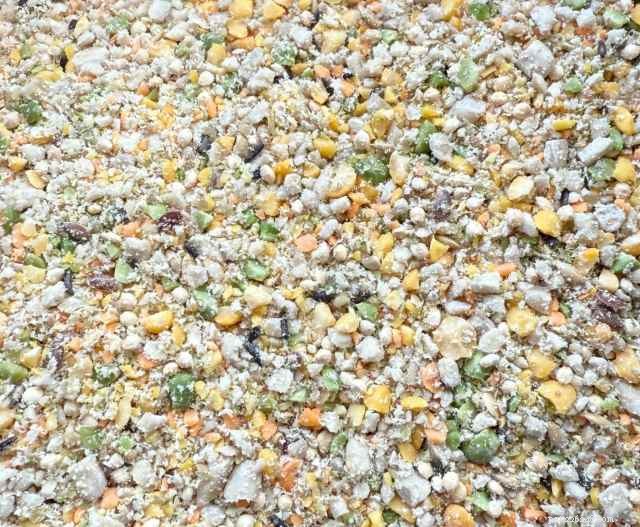
Note from Mariah: This is a sponsored post promoting Arids Only’s new dietary supplement for reptiles, Uro Grit. Phil is a progressive mind who isn’t afraid to ask questions and help us grow as a community. His experience with arid species, particularly Uromastyx, has advanced modern herpetoculture. I am proud to help spread the news about this product as part of ReptiFiles’ mission to raise the standard of modern reptile care.
For more information about caring for Uromastyx, see ReptiFiles’ Uromastyx Care Sheet.
The Role of Seeds in Wild Desert Diets
Desert reptiles are tightly linked to seasonal rhythms. Food availability shifts month to month, and so does diet composition. One often‑overlooked component of this seasonal ecology is the consumption of seeds and seed pods. Herbivorous and omnivorous desert species such as Uromastyx, chuckwallas, gidgee skinks, tortoises, and Xenagama regularly eat a surprising variety of seeds while foraging.
Seeds serve two vital functions. First, when cracked open by powerful jaws, they deliver dense nutrition—fats, minerals, and essential micronutrients. Second, whole seeds act as functional roughage, supporting gut motility, improving digestive flow, and physically sweeping the gastrointestinal tract, which can help reduce parasite load.
Among captive reptiles, Uromastyx are especially known to benefit from seeds as part of a naturalistic feeding strategy. Decades of field observations and keeper experience confirm this, yet mainstream herpetoculture still emphasizes greens and pellets while leaving seeds on the periphery.
Realizing the Gap: The Birth of Uro Grit
Early in my work with Uromastyx I recognized how incomplete the standard feeding paradigm was. That realization sparked the development of what eventually became Uro Grit.
Understanding that seeds are a significant part of the natural Uromastyx diet, I set out to reproduce that component in captivity. Natural history and ecology now guide every decision in the product’s formulation.
I scoured international supermarkets in Denver for millets, legumes, pulses, and dry seeds that matched both the macronutrient profile and the texture of wild seeds. I also visited wild‑bird stores, agricultural suppliers, and specialty markets to capture the seasonal diversity documented in field literature.
The goal was to create a mix that would be both nutritionally enriching and behaviorally stimulating—seeds that invite chewing, cracking, and exploratory feeding rather than passive consumption.
Through trial, error, and careful observation, I assembled a mixture that consistently improved animal health and behavior. Foraging became more enthusiastic, stool formation improved, and overall body condition stabilized, reflecting the benefits of ecological fidelity.
Solving Supplementation Compliance
Many keepers struggle to dust greens with calcium or multivitamin powders because lizards reject the coated greens. It’s like offering a child broccoli covered in chalk dust—the intent is good, but the sensory experience is off.
By embedding supplements directly into the seed mixture, I ensured that the animals receive necessary micronutrients without rejecting their food. The already enticing seeds become a functional delivery system, improving supplementation consistency while reducing waste.
Adapting for Juveniles
Whole seeds can be too large for hatchlings and juveniles. A split pea or unground lentil is simply unmanageable for a three‑week‑old Uromastyx.
Grinding the mixture in a food processor preserves nutrients and fiber while reducing particle size to a safe level for young reptiles. This adaptation opened the door to feeding the same mix to:
- hatchling Uromastyx
- baby Xenagama
- juvenile gidgee skinks
- small tortoises
- young chuckwallas
Surprisingly, the mix was universally accepted across these species.
Cross‑Species Appeal
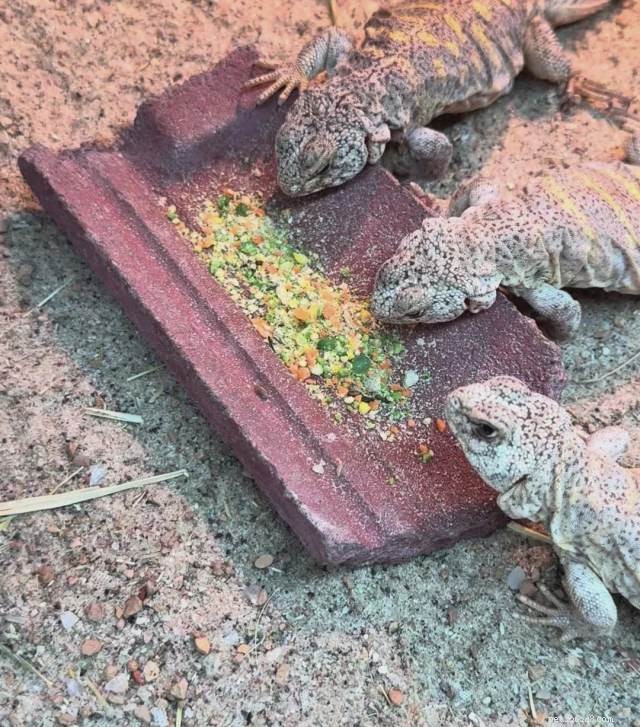
Today, every desert herbivore I keep interacts with Uro Grit—spiny‑tailed iguanas, gidgee skinks, tortoises, chuckwallas, and Xenagama all actively forage on it. Their behavior is unmistakably natural: heads down, tongues flicking, methodical picking, and occasional scratching with front claws.
This broad appeal reinforces a long‑held belief: a nutrient‑rich seed and roughage component is missing from most captive diets for desert herbivores and omnivores.
Why Seeds Matter in Captivity
Captive diets rely heavily on leafy greens—arugula, collards, mustard greens—that are highly perishable and available year‑round. In the wild, such lush greens are seasonal luxuries; seeds, dry plant matter, and high‑fiber roughage are the stable, predictable resources during the driest periods.
Re‑introducing seeds into captive feeding mirrors ecological reality rather than convenience‑driven tradition.
What Uro Grit Is
Uro Grit is not a pellet, placebo, or complete feed. It is a functional roughage and biologically meaningful supplement that:
- supports digestive health
- encourages natural foraging behavior
- improves supplementation consistency
- offers nutrient‑dense seasonal inputs
- provides ecological enrichment through texture and variety
By filling this structural gap, Uro Grit helps create healthier Uromastyx, better‑conditioned tortoises, and more behaviorally fulfilled chuckwallas, moving herpetoculture toward a more naturalistic approach.
Conclusion
Uro Grit is my attempt to bring the natural reality of desert diets back into herpetoculture—one pinch at a time.
About the Author
Phillip Lietz has long been drawn to desert‑dwelling animals. He has spent countless hours in the American Southwest studying its herpetofauna. Phillip believes that successful herpetoculture begins with matching an animal’s biology to an indoor environment. His current projects (via Arids Only) focus on Uromastyx and Xenagama, with secondary work on chuckwallas, butterfly agamas, San Esteban Island iguanas, and several tortoise species.
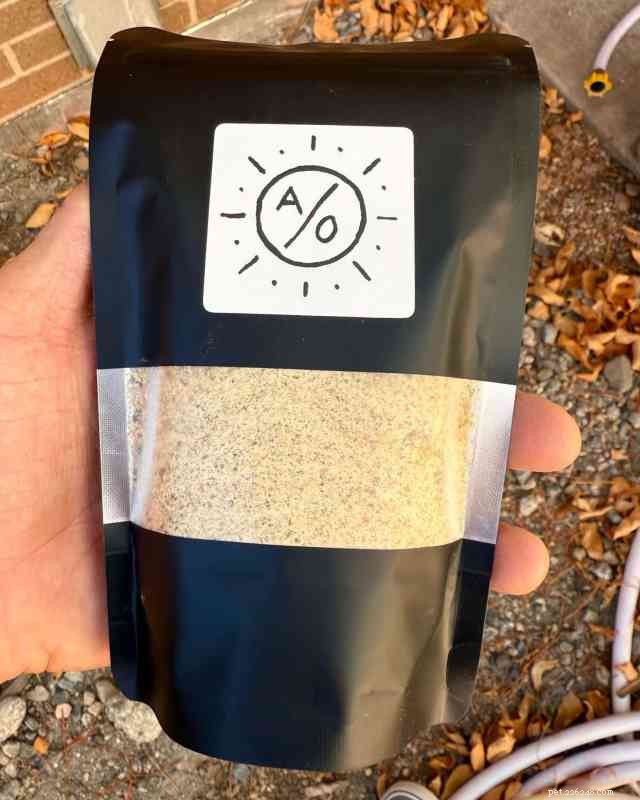
Uro Grit can be purchased here.
Website: AridsOnly.com Instagram: @aridsonly
Podcast: Project Herpetoculture on the Animals at Home Network
- How Winter Weakens Bird Bones and What to Do About It
- How to Safely Serve Apples to Your Dog: A Proven Guide
- Is Eucalyptus Safe for Cats? Absolutely Not – A Veterinary Perspective
- Why Cats Scrape Your Couch—and How to Stop It
- Birman Cat – Elegant, Affectionate, and Ideal Family Companion
- 50+ Essential Facts About the Chart Polski Dog Breed
- Who Gets the Pet in a Divorce? A Guide to Pet Custody