

10 Black‑Snake Species That Seamlessly Blend Into Their Environments
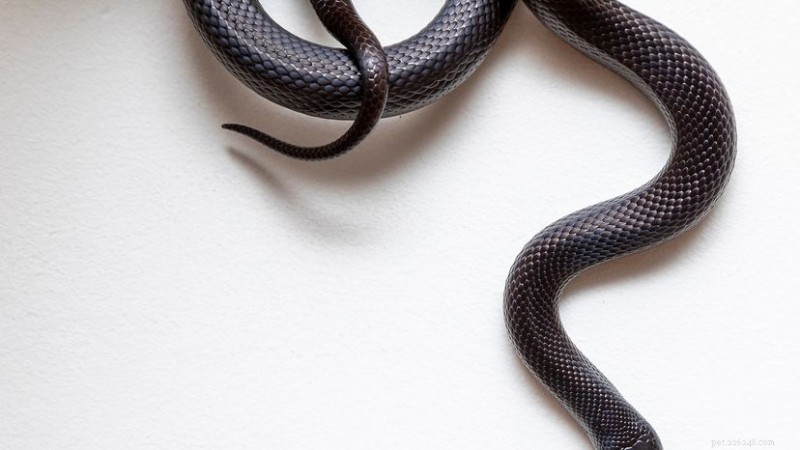
The term "black snake" may seem straightforward, but it actually covers a diverse group of species worldwide. These serpents vary in size from small, sleek bodies to imposing, powerful lengths, and thrive in habitats ranging from lush wetlands to arid deserts.
While many are harmless and fascinating, others possess venomous defenses, making each species uniquely distinct—much like a collection of high‑performance cars, each with its own design and character.
Below are ten of the most well‑known black‑snake species, highlighted for their striking appearance and ecological significance.
1. Black Swamp Snake (Liodytes pygaea)
The black swamp snake is a small, semiaquatic species native to the southeastern United States. It typically inhabits swamps, marshes, and other wetlands. Adults reach 10–15 inches (25–38 cm) and boast a glossy black dorsum with a vivid red or orange belly that creates a classic “two‑tone” look.
As a nocturnal animal, it hides beneath vegetation or debris along the water’s edge. Its diet consists mainly of tadpoles, frogs, and small fish. Though not aggressive, it will retreat to the water when disturbed, making it a challenging species to observe in the wild.
2. Mexican Black King Snake (Lampropeltis getula nigrita)
This nonvenomous snake is native to the southern United States and northern Mexico. It can grow up to 6 ft (1.8 m), though most adults are 4–5 ft (1.2–1.5 m). As a constrictor, it preys on rodents, birds, and other small animals, and its evolutionary armor against venomous prey makes it a key player in controlling pest populations.
Its docile nature and striking jet‑black coloration have earned it popularity among pet enthusiasts.
3. Eastern Indigo Snake (Drymarchon couperi)
Native to the southeastern United States, the eastern indigo snake can reach 8 ft (2.4 m). It is the longest native snake in the U.S., yet it is known as a gentle giant that often prefers to avoid conflict. Its diet includes rodents, frogs, and other small prey.
4. Black‑Necked Spitting Cobra (Naja nigricincta)
This South‑African species is famed for its spitting venom, which can reach 6–8 ft (1.8–2.4 m) with pinpoint accuracy. When threatened, it targets an eye to deter predators. Though it can deliver a painful sting, it generally prefers to flee rather than engage.
5. Eastern Rat Snake (Pantherophis alleghaniensis)
Also known as the chicken snake, it is a nonvenomous constrictor that inhabits the eastern United States. Adults typically reach 6 ft (1.8 m), with some individuals up to 8 ft (2.4 m). It is an adept climber that hunts rodents and bird eggs, and its lifespan in the wild can approach 20 years.
6. Plain‑Bellied Water Snake (Nerodia erythrogaster)
Found in southeastern U.S. wetlands, this nonvenomous snake measures 4–5 ft (1.2–1.5 m) and weighs 1–3 lb (0.5–1.4 kg). It feeds primarily on fish and amphibians, and it spends most of its life calmly navigating water bodies.
7. Black‑Headed Python (Aspidites melanocephalus)
Native to northern Australia, this python can grow 6–8 ft (1.8–2.4 m) and weigh 7–15 lb (3–7 kg). Its head is a striking black that absorbs heat, while the rest of the body remains muted. Despite its size, it is a calm species that seldom displays aggression toward humans.
8. Southern Black Racer (Coluber constrictor priapus)
This southeastern U.S. snake boasts a smooth jet‑black surface and can grow up to 5 ft (1.5 m). It is a rapid, agile hunter that relies on speed to escape threats. It is harmless to humans and serves as an effective pest controller.
9. Northern Black Racer (Coluber constrictor constrictor)
Found in the northeastern U.S., the northern black racer shares many traits with its southern cousin. It is a fast, defensive species that prefers to flee rather than engage. Its ability to produce a tail‑vibrating mimicry of a rattlesnake is a fascinating example of evolutionary adaptation.
10. Black Pine Snake (Pituophis melanoleucus lodingi)
This southeastern U.S. species can reach 5–7 ft (1.5–2.1 m) and is known for its robust, black‑scaled body. Though it prefers a quiet, burrowing lifestyle, it is a skilled predator that feeds on small mammals, birds, and reptiles.
11. Black Whip Snake (Dolichophis jugularis)
The black whip snake inhabits the eastern Mediterranean and parts of the Middle East. It can grow 6–8 ft (1.8–2.4 m) and, in some cases, reach up to 10 ft (3 m). Though large and visually striking, it is nonvenomous and generally avoids confrontation, playing an important role as a predator of small vertebrates.
These species demonstrate the remarkable diversity of black‑snake adaptations across the globe.
- Discover the 10 Friendliest Cat Breeds for Loving Companionship
- Biliary Disease in Dogs: Causes, Symptoms & Treatment
- Are Tomatoes Safe for Birds? Understanding Acid Levels and Feeding Tips
- Rough & Smooth Green Snakes: Expert Care for Naturalistic Terrariums – Part 1
- 7 Surprising Insights Into Your Cat's Sleep Patterns
- Giant Schnauzer Health: Common Conditions, Causes & Prevention
- Top Family Dog Breeds for a Loving Home