

How Winter Weakens Bird Bones and What to Do About It
By Diane Burroughs | Published: Feb 21, 2026 | Last updated: Jul 05, 2026
If your indoor bird has spent the winter without direct sunlight or a proper UVB light and you notice a weaker perch grip, increased shredding, dull feathers, lower activity, or a shorter fuse, this guide is for you. Birds that receive full‑spectrum lighting, a balanced diet, and show no change in strength or behavior likely only need routine seasonal care.
Quick Diagnostic: Is Winter Creating a Calcium Problem?
| If the bird is… | Possible cause & what to check |
|---|---|
| Sliding on perches or gripping less firmly | Early calcium depletion affecting neuromuscular strength. Check UVB exposure and dietary vitamin D3. |
| More irritable, reactive, or shredding excessively | Magnesium and calcium imbalances can heighten nervous system excitability. Assess mineral support. |
| Feathers look dull, stress‑barred, or molt is slow | Low vitamin D3 reduces calcium utilization, compromising feather follicle health. |
Is This Behavior Normal?
Winter Light Loss Changes Physiology
No – a healthy indoor bird should stay strong year‑round. When winter darkness reduces UVB, vitamin D3 production drops, leading to poor calcium absorption and weakened bones, nerves, and feathers.
- Weaker perch grip or frequent slipping
- More time on the cage floor, shorter flights, clumsy landings
- Excessive shredding or restless behavior
- Dull, stress‑barred, or breaking feathers
- Irritability or a shorter fuse
- Overall lower activity level
Pellets Alone May Not Be Enough
Even if your bird eats a pellet‑vegetable diet, calcium won’t help without vitamin D3. Without UVB, the bird cannot synthesize D3, so dietary calcium simply passes through the body.
Adding more pellets, a cuttlebone, or a calcium‑only supplement will not fix the problem. Your bird needs usable calcium – that is, calcium that can be absorbed thanks to adequate vitamin D3 (and magnesium).
Action steps:
- Install a bird‑safe full‑spectrum UVB light on a timer (1–3 hours daily).
- Or provide a complete calcium supplement that includes vitamin D3 and magnesium.
- Avoid relying on cuttlebone, mineral blocks, or calcium‑only products during low‑light months.
Visual Check: Winter‑Stable vs. Calcium‑Depleted

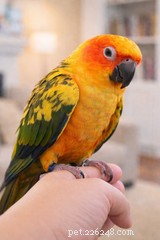
Winter‑Stable (healthy) signs
- Upright posture, no slouching
- Alert eyes tracking movement
- Bright, smooth feathers with clean edges
- Confident stance and steady perch grip
Calcium‑Depleted signs
- Droopy shoulders and slouched stance
- Tired‑looking or slightly squinting eyes
- Duller, rougher feathers; uneven edges
- Unsteady grip, frequent slipping
Photos alone cannot diagnose deficiency; use them as a cue to check lighting, nutrition, and consult a vet if weakness progresses.
The 3‑Step Winter Bone Reset
- Environment – Fix the light: Use a bird‑safe UVB lamp with a timer. One short daily “UV window” (1–3 hours) is sufficient; follow the manufacturer’s distance guidelines.
- Support – Use a complete formula: Provide a supplement such as UnRuffledRx Calcium + Magnesium + D3. Cuttlebone and mineral blocks are unreliable in winter.
- Monitor – Track improvement: Weekly, assess perch grip, flight coordination, energy level, feather condition, and body weight. Expect steadier posture and stronger grip within a few weeks.
When to Call the Vet?
⚠️ Note: Birds will leach calcium from their own bones to keep the heart and muscles working. This silent compensation can last weeks or months, so waiting for severe signs may be too late.
Decision guide:
- 🟢 Minor grip weakness, active eating: Begin lighting and nutritional correction immediately.
- 🟡 Tremors, frequent falling, slow molt, persistent lethargy: Schedule an avian wellness exam and discuss calcium testing.
- 🔴 Seizures, inability to perch, fluffed‑up on the floor: Seek emergency avian veterinary care.
Red‑flag symptoms:
- Muscle tremors or twitching
- Egg‑binding signs (straining, wide stance, tail pumping)
- Sudden loss of grip or repeated falls
Key Takeaways
- Winter reduces UVB → less vitamin D3 → poor calcium absorption.
- Without D3, calcium cannot strengthen bones, nerves, or feathers.
- Magnesium is essential to activate vitamin D metabolism.
- Winter is metabolically demanding; proactive light and nutrition are crucial.
Continue Learning About Bird Nutrition
Explore these evidence‑based guides to build a healthier diet for your bird:
- What Should My Bird Actually Eat Every Day?
- My Bird Won’t Eat Pellets. Will They Starve?
- How Do I Teach My Bird to Eat Vegetables and Chop?
- Vitamin A Deficiency in Birds: Signs, Causes & Best Foods
- Should You Put Bird Supplements in Water or on Food?
- Do Indoor Parrots Need Bird Lights?
- Why Winter Is Hard on Bird Bones
References
- Filipović, S., et al. (2020). Hypocalcemic syndrome in African grey parrot (Psittacus erithacus erithacus). Veterinaria, 65(1), 32–34. https://veterinaria.unsa.ba/journal/index.php/vfs/article/view/225
- Kirchgessner, M. S., et al. (2012). Magnesium therapy in a hypocalcemic African grey parrot. Journal of Avian Medicine and Surgery, 26(1), 17–21. https://doi.org/10.1647/2009-021.1
- Stanford, M. (2007). Clinical pathology of hypocalcaemia in adult grey parrots (Psittacus e erithacus). Veterinary Record, 161(13), 456–457. https://doi.org/10.1136/vr.161.13.456
Meet Diane Burroughs, LCSW – licensed psychotherapist and avian‑wellness educator with decades of experience in bird behavior and nutrition.
- All Newfoundland Coat Colors Explained – With Stunning Pictures
- Do Cats Really Have Nine Lives? The Science Behind Their Survival Skills
- Tips to Ensure a Happy, Safe Summer for You and Your Pet!
- How to Prevent Your Dog from Urinating on Concrete Surfaces
- Why Dogs Drink From the Toilet: The Science Behind the Habit
- Pug Misinterprets Parents Packing for Trip, Then Gets a Delightful Surprise
- Essential Vaccination Guide for Your New Puppy or Kitten