

Beware: Toxic Flowers That Can Harm Your Pet – Protect Your Companion Today
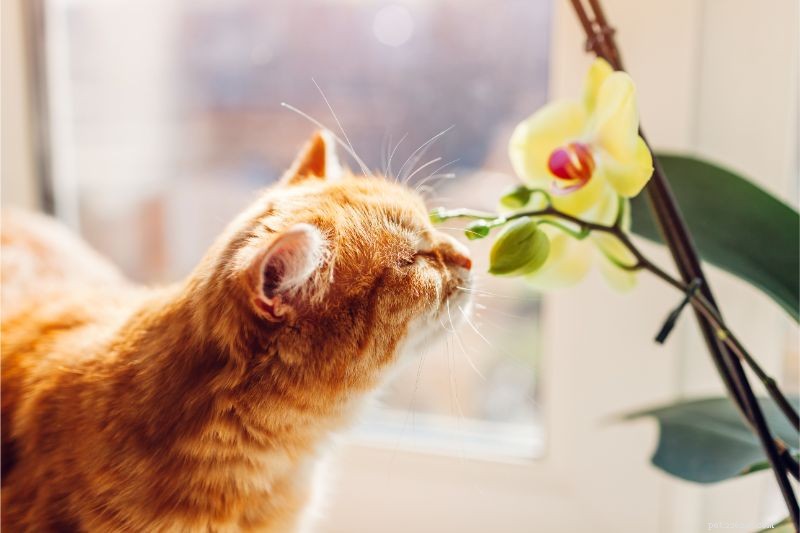
People that care about animals typically have a fondness for all life. These nurturing sensibilities naturally extend to caring for and enjoying plant life. In the past, The Pet Experts blogged about yard and garden safety and dangerous holiday plants to avoid. However, it’s essential this time of year to share information about other toxic flowers that pets can easily come across in their day to day routines.
Super Cautious
It’s happened to every pet owner at least once. The impromptu lapse of judgement that inadvertently places a pet at risk. It could be that Easter lily given to you by someone special, or a Mother’s Day bouquet that included toxic flowers you never even heard of. Whatever the case may be, the rule of thumb is to make sure that whatever you bring home cannot threaten your pet’s health and wellness.
There are few pet owners that expect their pets to simply ignore a sweet-smelling bouquet or arrangement brought into the house. The fact is, pets are curious and (more often than not) interested in sampling unfamiliar flowers.
Flower Detective
To that end, we encourage all pet owners to read up on non-toxic and toxic flowers. That way, you know how to look for the usual suspects. If your pet’s springtime allergies aren’t bothering them, there are loads of fresh flowers you can safely bring home to brighten up your space, such as:
- Roses
- Sunflowers
- Orchids
- Petunias
- African violets
- Asters
- Jasmine
- Pansies
- Snapdragons
- Zinnias
Accidental Pet Poisoning
The more pet owners know about toxic flowers, the safer their pets will be. To prevent a frightening pet poisoning, it’s critical that none of the below-listed toxic flowers enter the home:
- Lilies (including calla lilies)
- Azaleas
- Tulips (the bulbs are actually toxic, but as a rule, keep them away from your pet)
- Begonias
- Birds of Paradise
- Baby’s Breath
- Peonies
- Crocus
- Foxglove
- Aloe
- Chrysanthemums
- Gladiolas
- Daisies
- Daffodils
- Delphiniums
- Hydrangeas
- Larkspur
- Morning glory
Toxic Flowers Cause Various Symptoms
Not all toxic flowers lead to death, but some can lead to organ failure, painful GI distress, and skin reactions. Please do not delay seeking emergency services if you notice:
- Vomiting
- Diarrhea
- Uncharacteristic lethargy or depression
- Increased urination
- Increased vocalization
- Excessive thirst caused by sudden dry mouth
- Complete disinterest in food
Kidney disease and major heart issues can result from eating toxic flowers.
Have It All
The good news is that you can still bring cut flowers home, just be extra careful when selecting between types of flowers.
If you have further questions about toxic flowers and their relationship to pet poisonings, The Pet Experts are always here for you at Wheaton Animal Hospital.
- Dog Bloat: When the Stomach Turns Inside Out – Symptoms & Urgent Care
- Protect Your Pet from Everyday Toxins: A Practical Guide
- Celebrate National Love Your Pet Day – Honor Your Furry Friends
- Keep Your Pet Calm This Holiday Season: Proven Stress‑Reduction Tips
- Can Pets Contract Bed Bugs? What You Need to Know
- Should You Let Your Dog Use CBD Flowers? A Comprehensive Guide
- Are Your Pet’s Toys Safe? How to Spot and Avoid Toxic Toys