

Expert Guide to Treating Paw Pad Injuries in Pets
Paw (paw pad) injuries are common in pets. It can occur as a result of walking on tough terrains or hiking in the woods. Paw injuries usually resolve without any complications when treated early and take care of well.
Complications set in when paw pad injuries are left untreated or poorly managed. Infection may set in which can lead to necrosis of the tissues around the paw pad. If not taken care of immediately, the necrosis will ascend and affect the limb. The only way out if the limb gets necrotic is either debridement of the necrotic tissues or disarticulation (amputation of the limb), which is really terrible.
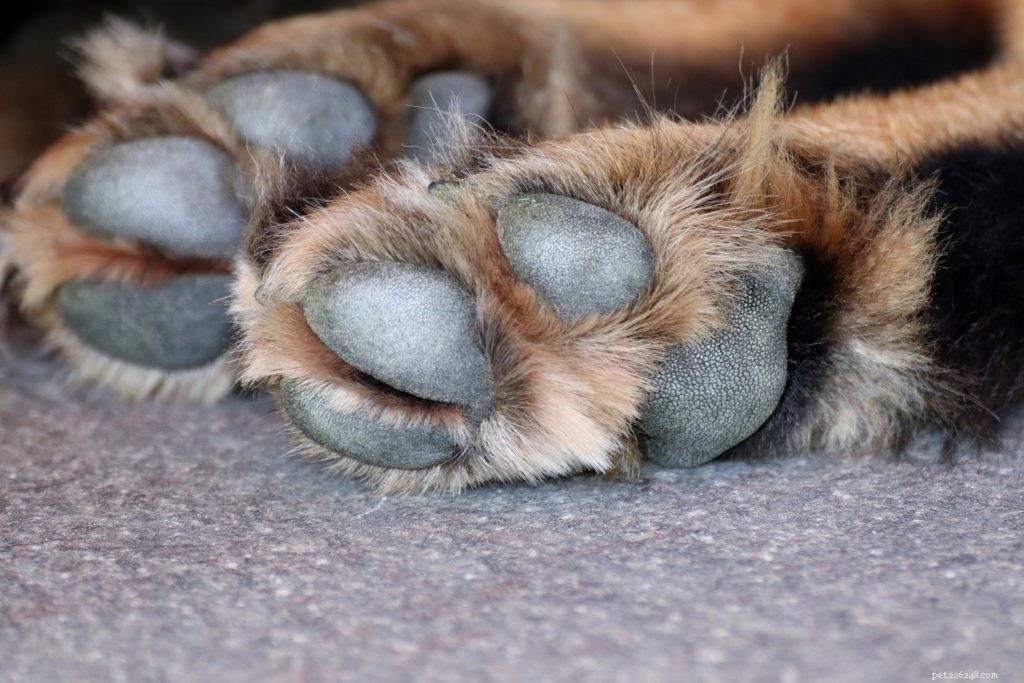
Sometimes paw pad injuries may be missed, as the presentation may not be frank. Not all paw pad injuries may present with much bleeding or if any. You should pay attention to your pet’s behavior towards its paws. They usually tend to give more care to injured paws or may not use it to walk. You may also notice a limp when your pet walks.
If you notice any of the above, put your special furry pet in a good position gently and observe the paw pad carefully. Observe for any of the following:
- Bleeding
- Swelling
- Anything sticking out of the wound like a wood splinter, a shard of glass, needle, thorn, etc.
- Discoloration around the paw pad
- Fluid coming out of the wound
HOW TO TREAT THE PAW INJURY
The first step in treating your special furry friend’s paw pad injury is to access the injury and what would need to be done. If there is any foreign object stuck in the paw pad, you have to get rid of it. Don’t use your bare hands, please. Use a pair of tweezers, and preferably, have someone to assist you in the procedure. Try to get the foreign object out all at once. Next, do the following:
- Clean the wound with warm water using a cotton swab or clean cloth. Ensure that you get rid of any dirt lingering around the wound. Use a pair of tweezers if there are still particles stuck.
- Dry the paw pad with another clean cloth.
- Apply pressure on the wound with the clean cloth to stop bleeding from the paw pad. The application of pressure should be firm with uniform pressure maintained. However, you should be mindful that too much pressure can cut out blood circulation in the paw pad.
- If you have some antibiotic ointment for your pet, apply some by spreading it evenly across the wound surface of the paw pad.
- If bleeding persists, consider applying some bandage to the wound. It will help reduce blood loss from the wound.
- Take your pet to a certified vet to check on your pet to ensure that everything is done well and your pet is not at the risk of getting infected. Your vet may give your special furry friend some injections just to be on the safe side.
Take precautions at home to prevent your pet from getting paw injuries. Pet-proof your house after getting back from the vet if you have done so.
Paw pad injuries should be taken seriously!
- Dog Paw Pad Injuries: Diagnosis, Care, and Effective Treatments
- Treating Dog Paw Pad Burns: Quick, Safe Care Guide
- Expert Guide: Treating a Swollen Paw in Dogs Safely
- Treating Leptospirosis in Dogs: Expert Care and Prevention
- Effective Treatments for Fluke Infections in Freshwater and Marine Fish
- Effective Strategies to Manage and Prevent Feline Leukemia in Cats
- Effective Strategies for Treating Fish Anemia: A Practical Guide