

Understanding and Treating Cat Limping: Causes, Care, and Prevention
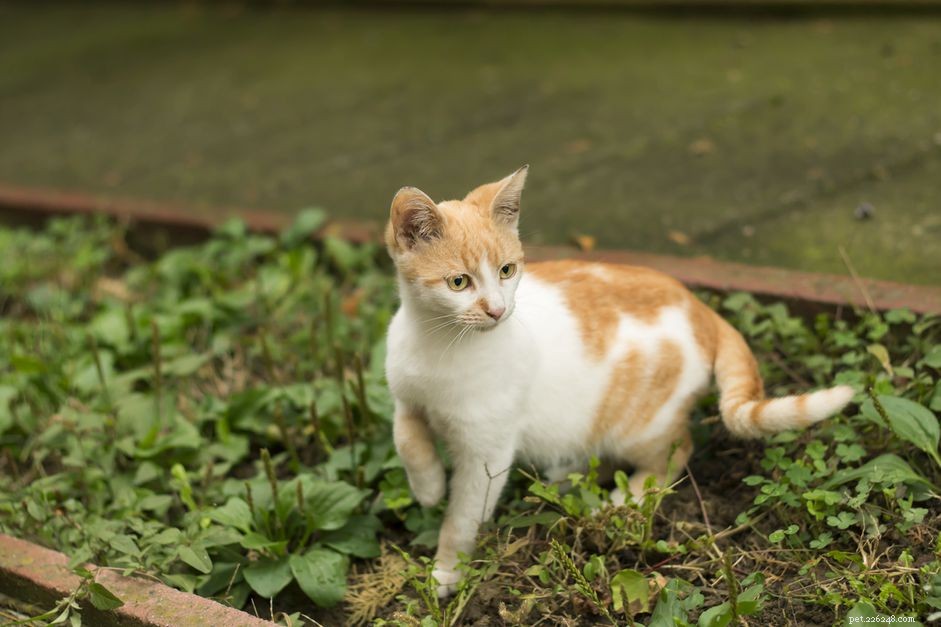
There are a few reasons why your cat may start limping, but regardless of why it may happen, veterinary care is usually needed. Since limping is usually a sign of pain or discomfort, knowing what caused the limp, how to treat it, and how to prevent it from happening again can help keep your cat comfortable.
Causes of Limping in Cats
While many people assume that a cat will only limp if they have a broken bone, there are actually a number of reasons why a limp may be seen.
Broken Bones
Bone breaks or fractures are very painful so it's no surprise that a cat with a broken bone won't want to put weight on that leg. Trauma, malnutrition, or even cancer can cause bones to break.
Dislocated Joint
Dislocated shoulder and hip joints can occur if a cat experiences severe physical trauma. Being hit by a car or falling from a second story balcony may result in a dislocated joint, if not a broken bone or two.
Osteoarthritis
Commonly referred to as simply arthritis, this joint condition can be painful and cause a cat to limp.
Overgrown Nails
Cat nails curl and can grow into the paw pad if they are not kept short. This can be extremely painful and even result in an infection.
Foreign Object in Foot
Thorns, wood splinters, thumbtacks, thistle, and more can become lodged in your cat's foot or toes and cause pain or discomfort.
Wounds
Bites, scratches, cuts, and abrasions of the leg or paw can result in an open wound, bleeding, and even an abscess.
Cruciate Ligament Tear
The ligament in a cat's knee can tear and cause instability in the joint resulting in a limp.
Patella Luxation
Some cats are born with kneecaps that slide around. These are called luxating patellas and they can cause a cat to limp.
Nerve Damage
Typically the result of an injury to the spine, nerve damage can cause a cat to be unable to use its leg properly.
Blood Clot
Saddle thrombus is a specific type of blood clot that results in paralysis of the back legs. It is very sudden, painful, and life threatening.
Paw Pad Burns
If your cat steps on a hot surface like a stovetop or a hot sidewalk, paw pad burns can result. These are very painful and will make a cat limp.
Diagnosing the Cause of Your Cat's Limping
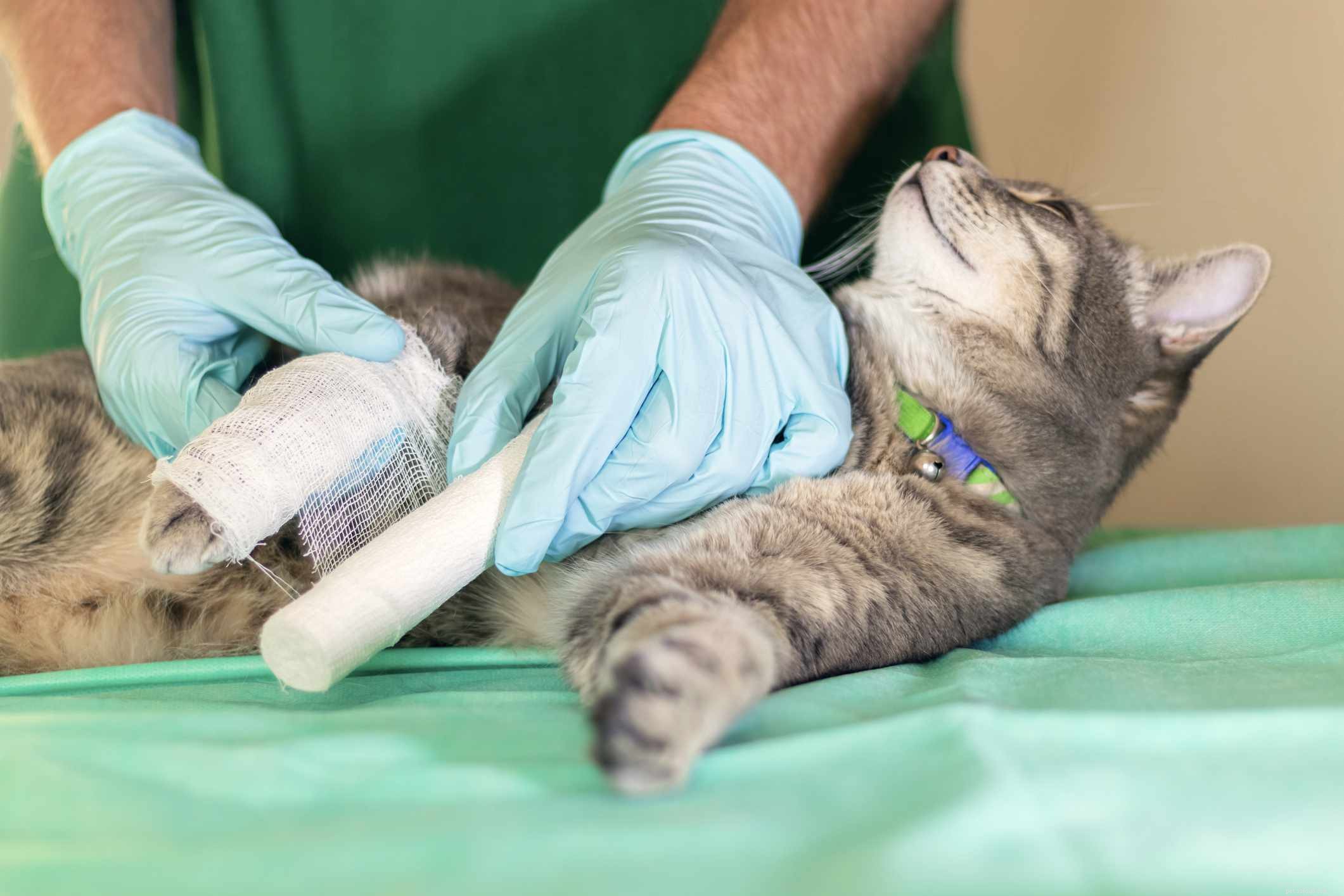
Since there are a variety of reasons why your cat may limp, your veterinarian will need to start with a full physical examination of your cat. Depending on which leg your cat is limping on, they will look for abnormalities of the feet, legs, hips, and shoulders. They may feel your cat's joints for signs of ligament, joint, or kneecap abnormalities, and if no obvious signs of a wound, burn, foreign object, or overgrown nail are seen, an X-ray will be recommended. X-rays can detect broken bones and dislocated joints but not ligament tears, blood clots, or nerve damage. More extensive diagnostic imaging, such as an MRI or CT scan, may be recommended depending on what your veterinarian finds.
Treatment
Various treatment plans may be necessary to treat your cat's limping. Medications for pain, inflammation, infection and other specific things may be prescribed; wounds, burns, and overgrown nails may be cleaned; and surgery, splints, bandages, or casts may be warranted for broken bones and dislocated joints. Sedation or anesthesia may be necessary to remove foreign objects and to care for painful legs and paws. Occasionally, physical therapy is necessary to help your cat regain full function of its leg depending on the cause of the limp.
How to Prevent Limping in Cats
Since most cases of limping in cats are due to injuries and outdoor cats are more likely to be injured than indoor cats, keeping your cat in your home is a great way to prevent them from developing a limp. Giving your cat joint supplements such as glucosamine, chondroitin sulfate, and omega-3 fatty acids may help keep your cat's joints healthy as it ages. Keeping their nails trimmed can prevent overgrown nails from contributing to a limp. Finally, keeping your cat at a healthy weight can help prevent putting unnecessary stress on its joints which may lead to joint disease.
If you suspect your pet is sick, call your vet immediately. For health-related questions, always consult your veterinarian, as they have examined your pet, know the pet's health history, and can make the best recommendations for your pet.- Understanding and Managing Cystitis in Cats: Symptoms, Treatment, and Care
- Understanding and Managing Coccidia in Cats
- Understanding and Managing Bronchitis in Cats: Symptoms, Diagnosis, and Treatment
- Preventing and Managing Chlamydia in Cats: A Comprehensive Guide
- Do Cats Sweat? Understanding Their Cooling Mechanisms
- Preventing and Treating Hairballs in Cats: A Comprehensive Guide
- Understanding and Managing Gastroenteritis in Cats: Symptoms, Causes, and Care