

Why Is My Dog Suddenly Aggressive? Expert Guidance to Identify Causes and Restore Harmony
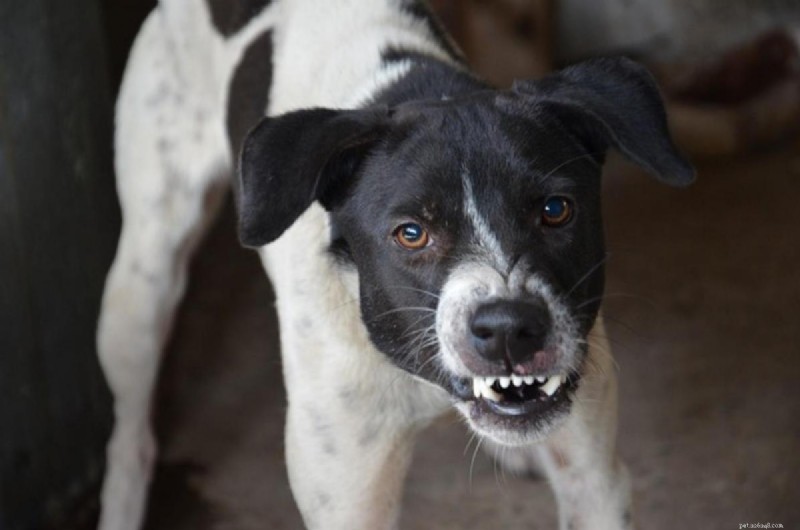
Dogs are often cherished as loyal companions, yet some owners experience sudden aggression toward their pets. This behavior is a serious concern for both the dog and the human. Understanding the underlying causes—ranging from poor socialization and unmet stimulation needs to pain, fear, or resource guarding—is essential for effective intervention. Prompt action can prevent injury and strengthen the human‑dog bond.
This article outlines why your dog might be acting aggressively and offers practical, evidence‑based steps to manage and resolve the issue.
- Why has my dog become aggressive towards me?
- What should I do if my dog is aggressive towards me?
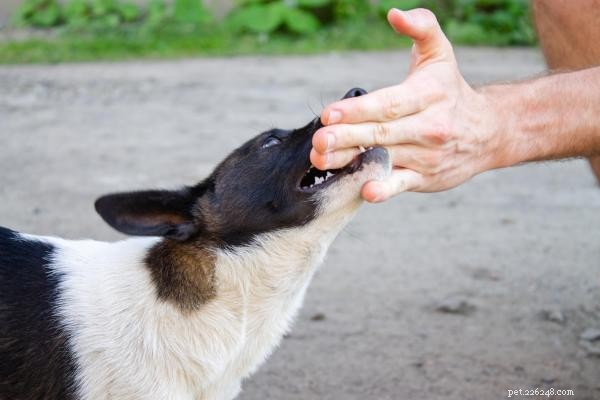
- What should I do if my dog bites me?
Why Has My Dog Become Aggressive Towards Me?
Owner-directed aggression can arise from a range of factors. The most common culprits include inadequate socialization, insufficient mental and physical stimulation, and inappropriate training methods. Additionally, sudden changes in routine, fear or insecurity, resource guarding, separation anxiety, and underlying health issues can trigger aggressive responses.
1. Lack of Socialization
Dogs that miss early positive exposure to other dogs, people, and varied environments may interpret new encounters as threatening. Patience and structured socialization are key, especially for recently adopted dogs.
2. Lack of Stimulation
Insufficient exercise and mental challenges elevate stress and anxiety, manifesting as irritability or destructive behavior. Regular walks, play sessions, and puzzle toys help maintain equilibrium.
3. Inappropriate Training Methods
Punitive tactics—yelling, force, or aversive devices—can create fear and frustration, ultimately leading to aggression. Positive reinforcement, reward‑based training, and consistent cues are the most effective approaches.
4. Changes in Routine
Even dogs are more adaptable than cats, but major shifts—new home, added family members, altered schedules—can trigger stress. Consistency in feeding, walks, and playtime mitigates this risk.
5. Fear or Insecurity
Breed predispositions, past trauma, or harsh handling can foster chronic fear. Gradual exposure, secure environments, and confidence‑building exercises help reduce fear‑based aggression.
6. Resource Protection
Dogs may guard food, toys, or personal space. Teaching sharing behaviors and rewarding calm interactions can diminish guarding tendencies.
7. Separation Anxiety
While less common, some dogs exhibit aggression when left alone. Signs include excessive barking, howling, or destructive play. A reassuring routine and safe spaces ease anxiety.
8. Illness or Pain
Painful or ill dogs often lash out due to discomfort. Regular veterinary check‑ups can identify medical conditions that manifest as aggression.
For deeper insights into canine stress signals, see our article on the 10 signs of dog stress.
What Should I Do If My Dog Is Aggressive Towards Me?
Immediate steps are vital to ensure safety and begin recovery. First, pinpoint the root cause and address it directly:
- Veterinary Consultation: Rule out pain, infection, or hormonal imbalances that may fuel aggression.
- Structured Socialization: Gradually expose your dog to new people, animals, and environments, using reward‑based cues.
- Exercise & Mental Stimulation: Daily walks, agility drills, or puzzle feeders help expend excess energy and reduce irritability.
- Quality Bonding Time: Calm, consistent affection—respecting the dog’s boundaries—strengthens trust.
- Recognize Warning Signs: Raised hackles, stiff posture, lowered head, growls, or bared teeth indicate imminent aggression. Pause interaction, maintain calm, and give the dog space.
- Gradual Changes: When introducing new routines or household members, do so slowly and with predictable patterns.
- Address Fear & Insecurity: Use desensitization techniques and confidence‑building exercises.
- Avoid Punishment: Yelling or physical force exacerbates fear. Instead, redirect unwanted behavior with appropriate toys and reinforce calm responses.
If aggression persists or worsens, seek help from a certified behaviorist or professional trainer. Their expertise can craft a tailored intervention plan, improving safety and quality of life for both you and your dog.
For guidance on adult dog socialization, read our comprehensive guide.
What Should I Do If My Dog Bites Me?
When a bite occurs, respond quickly to minimize harm and prevent recurrence:
- Assess severity: Seek immediate medical care for deep or extensive wounds. Clean minor cuts with soap and water, apply a sterile dressing, and monitor for infection.
- Investigate triggers: Consider recent stressful events or perceived threats that may have provoked the bite.
- Plan prevention: Work with a behavior specialist to develop a customized training plan addressing the root cause.
- Prioritize prevention: Early socialization and consistent training reduce the likelihood of future incidents.
Watch the accompanying video for a deeper exploration of why dogs bite and how to mitigate the risk.
Understanding your dog’s body language and emotional cues is essential for anticipating and preventing bites, creating a safer environment for everyone.

Explore more articles in our Behavioral Problems category for additional insights.
- Border Terrier Shaking Explained: Causes, Symptoms, and Solutions
- Do Dogs Really Know the Time? Exploring the Science Behind Their Timing Skills
- Stop Your Dog from Eating Stones: Causes, Risks & Proven Remedies
- Explore the Diverse Varieties of Platy Fish (Xiphophorus spp.) – Easy to Care, Colorful, and Live-Bearing
- How Dogs Detect Human Illness: A Reliable Guide
- Scientists Use Urine to Safeguard Africa’s Endangered Wild Dogs
- Perineal Hernias in Dogs: Causes, Symptoms, and Surgical Repair