

How Hamsters Contract Mites: Causes, Symptoms, and Prevention
Hamsters, like many small rodents, can harbor microscopic parasites known as mites. These tiny arthropods thrive in warm, damp bedding and feed on skin cells and hair follicles, often going unnoticed until symptoms become evident.
Two specific species – Demodex criceti and Demodex aurati – account for most skin conditions in pet rodents. At just 0.3 millimeters long, these organisms are almost invisible to the naked eye. Regular health checks become vital since early‑stage infestations show few visible signs.
Beyond simple irritation, some mite species target sensitive areas such as ears and nasal passages. Each variety requires distinct treatment methods, making accurate identification crucial. Understanding the life cycle helps prevent minor issues from escalating into painful mange.
Spotting subtle changes in your hamster’s behavior or coat quality can make all the difference. Quick action preserves comfort and prevents secondary infections. With proper care and awareness, these challenges become manageable parts of responsible pet ownership.
Understanding Hamster Mites and Their Impact
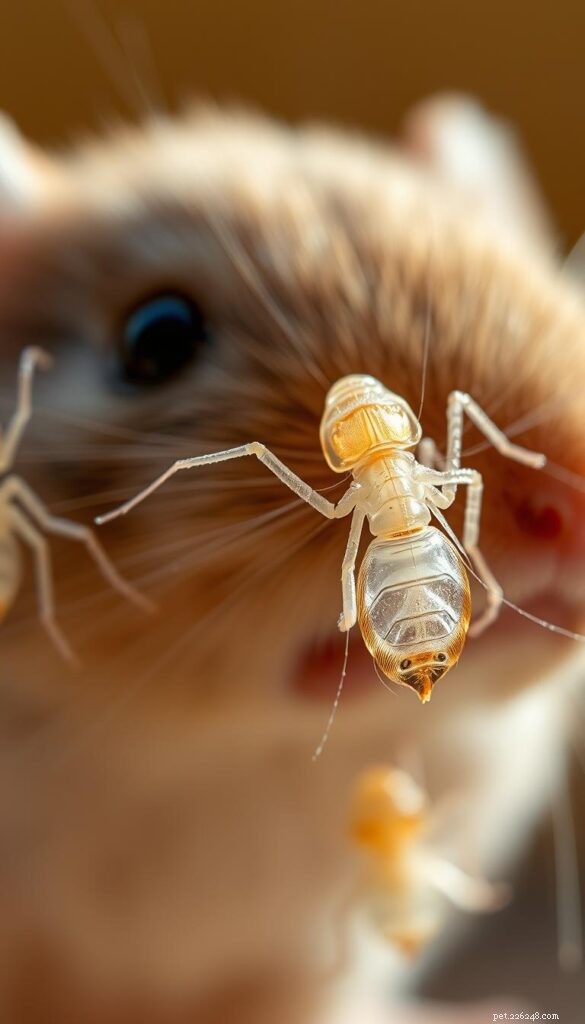
Beneath your pet’s soft fur lies a hidden ecosystem where tiny organisms play surprising roles. Demodex mites naturally inhabit hair follicles, maintaining healthy skin and fur. They only become problematic when their numbers spiral out of control.
Common Mite Species and Their Behavior
Two specific Demodex species dominate in hamsters – D. criceti and D. aurati. These eight‑legged creatures thrive near hair roots, feeding on dead skin cells without causing harm in balanced populations. Their entire life cycle unfolds within the follicles, making them permanent residents of your pet’s skin.
How Mites Affect Skin and Hair
Overpopulation triggers visible changes. Hair follicles become clogged and damaged, leading to patchy fur loss and flaky skin. Older males often show these symptoms first due to hormonal shifts weakening their defenses. Stress from environmental changes or illness can accelerate mite reproduction, creating a snowball effect of skin irritation.
Secondary infections frequently develop in damaged areas, compounding the problem. Regular observation helps catch early signs like excessive scratching or dull coat texture. Quick intervention prevents minor imbalances from becoming full‑blown infestations requiring veterinary care.
How Hamsters Get Mites
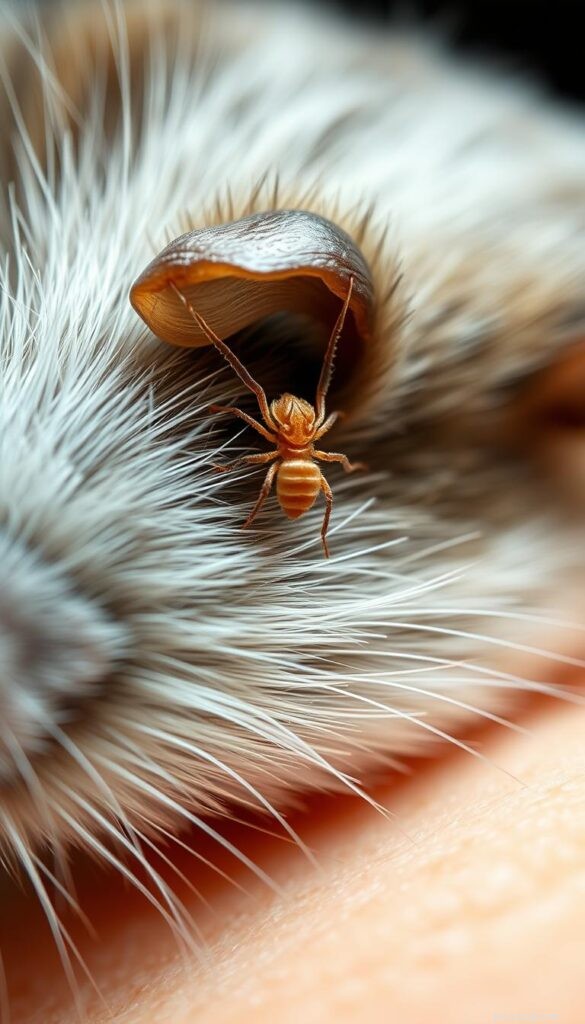
These tiny parasites often sneak into your hamster’s life through unexpected pathways. Understanding their entry points helps create effective prevention strategies and maintain your companion’s comfort.
Sources of Infestation and Transmission Routes
Direct interactions with infected animals rank as the top cause of mite spread. Social settings like multi‑pet homes or shared play areas heighten exposure risks. Contaminated supplies prove equally problematic – bedding materials stored near wild rodents or reused without proper cleaning often carry hidden stowaways.
Organic food sources like hay sometimes introduce parasites during transport. Cross‑species transmission occurs when your hamster interacts with other household pets carrying mites. Even cage accessories can harbor these pests if not sanitized regularly.
Risk Factors That Increase Mite Proliferation
Overcrowded habitats create ideal breeding grounds for parasites. Poor ventilation and infrequent cage cleaning allow mite populations to explode. Stressful environments weaken your hamster’s natural defenses, making infestations more likely.
Improperly stored supplies pose hidden dangers. Mites survive for weeks in untreated wood shavings or recycled paper bedding. Shared toys and exercise wheels become contamination hubs without routine disinfection. Always quarantine new animals and inspect bedding packages for signs of pests before use.
Identifying Mite Infestations in Your Hamster
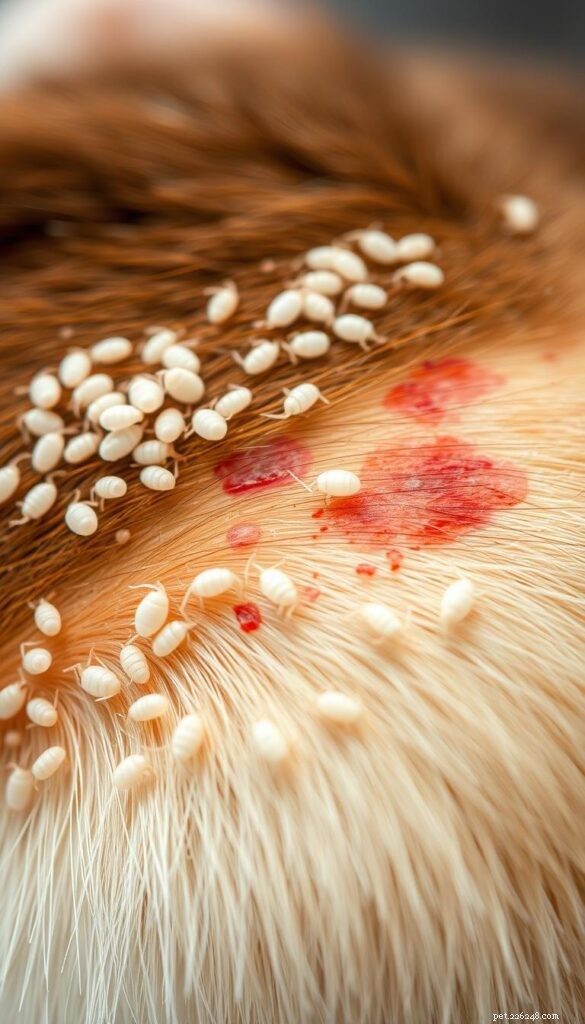
Spotting trouble early keeps your hamster healthy and happy. Watch for physical changes and unusual behaviors that signal these unwelcome guests have moved in.
Visible Signs: Hair Loss, Scaling, and Redness
Hair loss often appears first – either in small patches or across larger areas. Check around the ears and tail base where mites prefer to gather. Some pets show flaky skin resembling dandruff, while others develop rough, crusty lesions on their backs or bellies.
Reddened skin becomes noticeable in advanced cases. Look for irritated spots that feel warm to the touch. These inflamed areas might ooze or scab over if left untreated. Regular coat inspections help catch these symptoms before they worsen.
Behavioral Changes and Irritation Indicators
Your furry friend might scratch constantly or rub against cage bars. Head shaking suggests ear mites causing discomfort. Some hamsters stop grooming properly, leading to a dull, unkempt coat.
Watch for reluctance to play or be handled. Restlessness during sleep hours often points to intense itching. Early detection of these signs allows quicker treatment and prevents skin damage from escalating.
Preventing Mite Infestations in Your Pet

Protecting your small companion from parasites begins with smart daily habits. Simple adjustments to their environment and routine create strong defenses against these persistent pests.
Maintaining a Clean Cage and Bedding
A weekly deep clean of your hamster’s cage disrupts mite life cycles. Use pet‑safe disinfectants on all surfaces, including toys and wheels. Replace bedding completely every 7 days – compressed paper or aspen shavings work best for easy replacement.
Always inspect new bedding packages for unusual odors or debris. Store materials in airtight containers to prevent wild rodent contamination. For a complete hamster supply checklist, verify each item’s quality before use.
Minimizing Contact with Potential Mite Sources
Limit interactions between your hamster and other household pets. Quarantine new arrivals for 14 days – this waiting period helps spot hidden infestations. Avoid sharing grooming tools or play areas with multiple animals.
Senior hamsters need extra protection. Their weaker immune systems require more frequent health checks. Keep their living space calm and consistent to reduce stress‑related vulnerabilities.
Wash hands thoroughly before handling your pet or their supplies. This simple step prevents transferring parasites from outdoor environments. With careful attention, you’ll create a safer home for your furry friend.
Effective Treatment Options for Mite Infestations
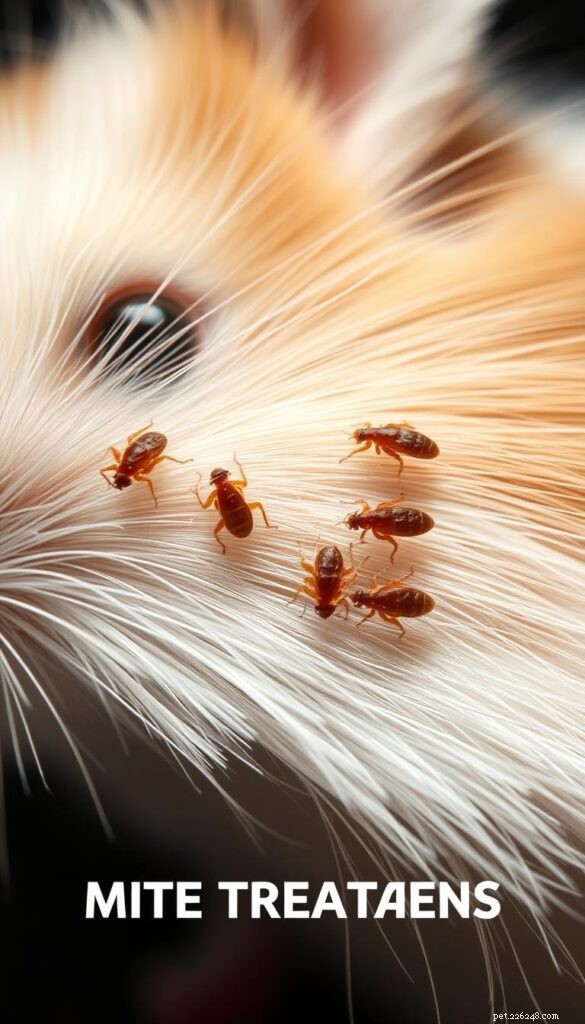
Combatting mite issues requires a tailored approach. Your veterinarian will assess the infestation’s severity and recommend solutions matching your hamster’s specific needs. Early intervention stops parasites from multiplying while protecting delicate skin.
Veterinary Guidance and Ivermectin Use
Ivermectin remains the go‑to solution for most cases. Vets typically prescribe oral doses for 7‑14 days to disrupt mite reproduction cycles. For ear infections, they might apply the medication directly using specialized droppers.
Severe infestations often require medicated baths. These sessions help reach mites hiding under matted fur or crusted skin. Your vet may combine treatments like anti‑parasitic sprays with systemic medications for stubborn cases.
Topical Treatments and Home Care Strategies
Shampoos containing selenium sulfide effectively smother parasites during baths. Always protect your hamster’s eyes and nose when applying these products. Follow‑up care includes disinfecting cages and replacing bedding weekly.
Consistency proves crucial. Complete all prescribed doses even if symptoms improve early. Schedule follow‑up visits to confirm eradication and adjust treatment plans if needed. With proper care, most hamsters recover fully within 3‑4 weeks.
Steps to Diagnose and Manage Mite Infections
When your small pet shows signs of discomfort, partnering with a veterinarian becomes essential. Proper identification ensures effective solutions tailored to your companion’s needs.
Skin Analysis Techniques
Your vet begins by checking for hair loss patterns and irritated skin. They’ll collect samples using a painless scraping method. This allows microscopic examination to confirm if parasites are present in follicles or surface layers.
Treatment Commitment
Medication schedules often span several weeks to fully eliminate infestations. Complete every dose – stopping early lets surviving mites rebound. Disinfect habitats thoroughly during treatment to get rid of eggs hiding in bedding or toys.
Follow‑up appointments verify success. Some cases require multiple tests before declaring victory. Always wash hands after handling supplies to protect your pet and other household ones.
FAQ
What types of mites commonly affect hamsters?
The most frequent species include Demodex and Ornithonyssus. These pests thrive in dirty environments or spread through contaminated bedding, food, or contact with infected pets. Some burrow into hair follicles, while others live on the skin’s surface.
Can mites cause permanent damage to a hamster’s skin?
Severe infestations may lead to hair loss, inflamed follicles, or secondary infections if untreated. Early intervention with treatments like ivermectin or topical solutions can prevent lasting harm. Always consult a vet for persistent redness or scaling.
How do mites spread between hamsters?
Transmission often occurs through shared bedding, unwashed toys, or direct contact. Poor cage hygiene and overcrowding raise risks. Quarantine new pets and wash supplies thoroughly to minimize outbreaks.
What are the first signs of a mite problem?
Watch for excessive scratching, flaky skin, or bald patches. Your pet might seem restless or groom obsessively. Crusty debris around the ears or eyes also signals a possible infestation.
How often should I clean my hamster’s cage to prevent mites?
Replace bedding weekly and spot‑clean daily. Use mild, fragrance‑free soap for plastic accessories. Avoid cedar or pine shavings—opt for paper‑based bedding to reduce irritation and mite risks.
Are over‑the‑counter treatments safe for mite removal?
Some topical sprays or shampoos work, but veterinary guidance ensures safety. Prescription medications like ivermectin target deeper infestations. Never use dog or cat products without a vet’s approval.
How do vets confirm a mite diagnosis?
They perform skin scrapes to check for mites under a microscope. In some cases, hair plucks or tape tests identify surface parasites. Follow‑up visits ensure the treatment plan eradicates the issue.
Can mites return after treatment?
Yes, if the cage isn’t sanitized properly or reinfection occurs. Wash all fabrics in hot water, freeze wooden toys for 48 hours, and stick to the vet’s schedule. Regular check‑ups help catch recurrences early.
- Can Dogs Detect Eczema? Unveiling Their Remarkable Scenting Power
- Choosing the Right Doggie Daycare: Professional Tips for a Safe, Social Pup
- Understanding and Managing Compassion Fatigue in Veterinary Professionals and Pet Caregivers
- What Causes Excessive Water Intake in Dogs? Expert Insights
- Jindo Dog: Characteristics, Origins, and Care Guide
- Can Guinea Pigs Safely Eat Zucchini Squash? Expert Feeding Guide
- Keep Your Home Fresh: Essential Cleaning Tips for Pet Owners