

Understanding Hamster Health and Longevity: Causes of Illness and Care Tips
Owning a hamster can be a delightful experience, yet their limited lifespan makes every day precious. These tiny companions can encounter subtle health issues that may go unnoticed. Understanding their specific needs enables owners to detect early warning signs and craft a healthier living environment.
Many factors influence a hamster’s longevity. While aging is inevitable, preventable issues such as poor diet, inadequate housing, and stress can significantly shorten their lives. Recognizing species differences is also crucial—Syrian hamsters typically live 2–3 years, whereas dwarf varieties may reach 4 years with optimal care.
Environmental stressors like loud noises or improper temperatures can undermine a hamster’s well‑being more than you might think. Simple adjustments to cage layout or feeding schedules often yield substantial improvements.
This guide offers actionable steps to support your pet’s health. Learn how to spot warning signs, establish habits that promote vitality, and cherish the limited time you share with these delightful animals.
Common Causes of Hamster Mortality

Understanding why these pocket‑sized pets pass away helps you provide better care. While some factors are unavoidable, many can be mitigated with vigilance and prompt action.
Natural Aging and Senescence
As hamsters age, their bodies naturally weaken. Most species reach 2–3 years, with the immune system becoming less effective in older individuals. Signs such as reduced activity, loss of appetite, and thinning fur often indicate the final stage of life.
Senior hamsters may struggle to recover from minor illnesses that younger ones shrug off. Regular veterinary check‑ups become essential to maintain comfort and quality of life.
Disease and Health‑Related Issues
Malignancies frequently claim hamsters, presenting as sudden weight loss or palpable lumps. Respiratory infections spread rapidly—look for sneezing or labored breathing. Female hamsters face specific risks like pyometra, a uterine infection that requires emergency care.
Preventable problems can worsen without early detection. Schedule vet visits at the first sign of lethargy or unusual behavior. Timely intervention often extends your pet’s life and reduces suffering.
Natural Lifespan and the Impact of Aging

Hamsters’ golden years demand special attention as their biological clock ticks faster than ours. Most species live 18 months to 3 years, with Syrian varieties often outlasting dwarf types by several months. Proper care lets these small companions thrive during their limited time with you.
Syrian hamsters typically reach 2–3 years with quality care, while dwarf species average 1.5–2 years. The table below summarizes key differences:
| Species | Average Lifespan | Peak Activity Age |
|---|---|---|
| Syrian | 2–3 years | 4–12 months |
| Roborovski Dwarf | 3+ years | 6–18 months |
| Campbell’s Dwarf | 1.5–2 years | 3–12 months |
Gradual changes—slower movement, selective eating, and longer naps—are natural signs of old age rather than immediate concerns. Genetics play a major role; some hamsters inherit robust health while others face challenges despite perfect care. Focus on comfort with soft bedding and easily accessible food stations during the final months.
Adapt routines: gentle handling and calorie‑rich treats help maintain quality of life. Your care lets them age gracefully, allowing you to cherish every moment together.
Environmental and Habitat Influences on Hamster Health
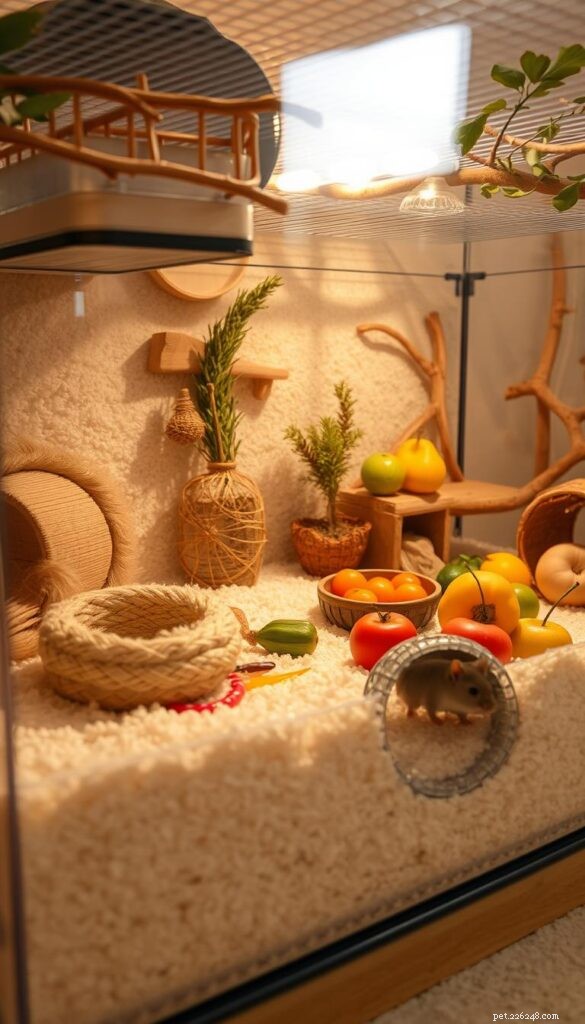
The design of your hamster’s living space directly impacts their well‑being and lifespan. Proper habitat design prevents health risks while supporting natural behaviors.
Cage Setup and Bedding Safety
Space matters more than you think. The California Hamster Association recommends at least 600 square inches of floor space. Cramped cages cause stress and weaken immune systems, making pets vulnerable to illness.
Bedding choices can be life‑saving. Cedar and pine release toxic oils that damage lungs over time. Opt for safe alternatives like aspen shavings or paper‑based products. Avoid scented options—they irritate sensitive airways.
Proper Ventilation and Space Requirements
Good airflow prevents ammonia buildup from urine. Wire‑top cages or well‑ventilated tanks work best. Pair this with weekly cleaning to maintain fresh air quality.
Essential accessories complete the habitat:
- 9″+ wheels for Syrian varieties
- 6″+ wheels for dwarf species
- Multiple water sources
These elements reduce boredom and encourage healthy activity. Monitor temperatures closely—65–75°F keeps your furry friend comfortable without respiratory strain.
Diet, Nutrition, and Preventative Care for Your Pet

Proper nutrition forms the foundation of your hamster’s health journey. What goes into their tiny bodies determines energy levels, disease resistance, and overall vitality.
Building Better Meals
Store‑bought mixes often lack sufficient protein—aim for 18–20% in their daily diet. Combine high‑quality pellets with protein‑rich additions like cooked eggs or mealworms. Fresh veggies such as broccoli florets and carrot slices add crucial nutrients without excess sugar.
Introduce new foods gradually to avoid digestive upset. A pea‑sized portion of apple or cucumber makes a perfect weekly treat. Always remove uneaten fresh items within 24 hours to prevent mold growth.
Smart Supplement Strategies
Dental health requires attention—overgrown teeth can cause serious eating issues. Offer safe chewing options such as:
- Untreated wooden toys
- Whimzees dental treats (dog section finds)
- Timothy hay cubes
Track weight weekly using a kitchen scale. Sudden changes signal potential health concerns that may require veterinary care. The table below outlines ideal nutritional targets:
| Nutrient | Daily Goal | Top Sources |
|---|---|---|
| Protein | 18–20% | Mealworms, tofu |
| Fiber | 8–15% | Timothy hay, oats |
| Fats | 5–7% | Flax seeds, nuts |
Pair these dietary steps with annual check‑ups. Your furry friend thrives when meals meet their biological needs and preventative care catches issues early.
Recognizing Early Signs of Illness in Hamsters
Spotting health changes early gives your hamster the best fighting chance. Daily observation helps catch subtle shifts in behavior or appearance that signal trouble.
Key Symptoms to Watch For
Respiratory distress shows through clicking sounds or wet breathing. Digestive issues appear as messy fur around the tail or loose stools. A hunched posture with flattened ears often means pain—don’t dismiss this body language.
| Symptom Type | Common Signs | Action Required |
|---|---|---|
| Respiratory | Wheezing, nasal discharge | Vet visit within 24 hours |
| Reproductive | Vaginal bleeding (females) | Emergency care same day |
| General Health | Weight loss, poor grooming | Schedule checkup ASAP |
When to Seek Veterinary Care
Contact your vet immediately if you notice:
- Two or more symptoms occurring together
- Blood in urine or around genital areas
- Lumps growing rapidly on the body
Female hamsters need extra vigilance—reproductive system infections can turn deadly in hours. Persistent appetite loss lasting over 48 hours always warrants professional evaluation. Trust your instincts—you know your pet better than anyone.
Keep a symptom journal noting changes day by day. This helps vets spot patterns and accelerates treatment decisions. Quick action often makes the difference between recovery and decline.
Behavioral Changes and Stress Indicators in Hamsters

Your furry friend’s daily habits reveal more than you might realize. Since hamsters are crepuscular (active at dawn/dusk), sudden nighttime hyperactivity could signal disrupted circadian rhythms. Watch for pacing during daylight hours—this unusual pattern often points to environmental stressors.
Syrian varieties demand special attention. “Separating them by six weeks prevents tragic outcomes,” advises a rodent behavior specialist. Cohabitation attempts lead to violent fights—even siblings can become territorial. Look for these warning signs in pets:
- Bared teeth during handling
- Refusing favorite treats
- Nesting material hoarding
Repetitive actions like bar‑chewing or over‑grooming often stem from boredom. A simple fix? Rotate toys weekly and add puzzle feeders. These changes stimulate natural foraging instincts while reducing anxiety‑driven behaviors.
Track interaction patterns carefully. Social withdrawal might mean illness, while sudden nipping could indicate pain. One owner shared: “When Snowball stopped using her wheel, we discovered an ear infection.” Early detection allowed swift treatment.
Create a stress‑busting routine with these practices:
- Consistent feeding times
- Quiet play sessions after dusk
- Multi‑level habitats for exploration
Remember—your attention to these details helps maintain their well‑being. Small adjustments prevent big health crises, letting you enjoy more quality time together.
Considerations for End‑of‑Life Care and Comfort
As your hamster’s twilight approaches, your role shifts to ensuring comfort and dignity. Gentle observation becomes key—you’ll notice subtle changes in their daily rhythms. Some pets slow their eating, while others seek extra warmth. Trust your bond to guide these final moments.
Managing Pain and Discomfort
Work with an exotic animal vet to create a tailored plan. They might suggest:
- Soft food stations for easy nibbling
- Heating pads set to low temperatures
- Pain‑relief medications in precise doses
Watch for stretched‑out postures or irregular breathing—these often signal discomfort. Your vet can help distinguish normal aging signs from treatable issues.
Creating a Peaceful Environment
Transform their habitat into a serene retreat:
- Dim lighting during active hours
- Familiar bedding left unchanged
- Quiet background music or white noise
Sudden passing sometimes occurs, especially in older hamsters. Strokes may cause brief spasms before stillness. While startling, these events typically end quickly.
Focus on warmth and accessibility during their final days. A shallow water dish and favorite snacks within reach let them conserve energy. As one caretaker shared: “Letting Pumpkin rest in her cozy nest felt like the ultimate gift.”
Final Reflections on Your Hamster’s Life Journey
Cherishing your time with these tiny companions transforms how you approach their care. Every hamster leaves paw prints on your heart, teaching valuable lessons about responsibility and compassion. Their brief but bright lives remind us to find joy in simple moments—whether watching them conquer a new wheel or stash treats in cheek pouches.
Different species offer unique experiences. Syrian hamsters often bond closely with owners, while dwarf varieties dazzle with energetic antics. Tailoring care to their needs builds trust and enriches their years.
Your efforts matter deeply. Regular vet checks and stimulating toys create thriving environments. Though saying goodbye hurts, the memories remain—children learning gentleness, adults rediscovering wonder through tiny eyes.
Honor your pet’s legacy by sharing knowledge with fellow owners. Each cared‑for hamster becomes part of a larger story about nurturing life’s fragile beauty. That’s the greatest gift these small souls offer.
FAQ
What are common reasons pet hamsters pass away?
Aging is a natural cause, but health issues like respiratory infections, tumors, or wet tail disease can also play a role. Poor cage conditions, stress, or unsafe toys may contribute too.
How long do these small pets typically live?
Syrian breeds often live 2–3 years, while dwarf species like Roborovski may reach 3–4 years. Genetics, diet, and care from places like Petco or Chewy influence their lifespan.
Can cage setup affect their health?
Yes! Bedding made from cedar or pine can harm their respiratory system. A spacious cage with proper ventilation and a quiet wheel reduces stress and prevents accidents.
What foods keep them healthy longer?
Offer fresh veggies like carrots or broccoli alongside high‑quality pellets. Avoid sugary treats. Supplements like vitamin drops in water or chew sticks support dental health.
What symptoms signal a vet visit is needed?
Watch for wet fur around the tail, labored breathing, or refusing food. Lethargy or lumps under the skin also require urgent care from an exotic animal specialist.
Do behavioral changes mean something’s wrong?
Absolutely. Aggression, excessive chewing on cage bars, or hiding more than usual often point to stress or illness. Sudden inactivity could mean joint pain or heart issues.
How can you comfort an older hamster?
Soft bedding, low‑entry hideouts, and easy‑access food dishes help. Your vet might recommend pain relief. Keep their environment warm and free from loud noises.
What’s the best way to honor their life?
Create a memory box with their favorite toys or photos. Sharing stories with children or writing a journal entry helps process the loss while celebrating joyful moments.
- Prilosec for Dogs: Vet-Recommended Treatment for Stomach Ulcers
- Heartwarming Story: Doobie & Tilly Secure Loving New Homes
- Milk Thistle for Dogs: A Trusted Liver Support Herbal
- Understanding Persistent Barking: Causes & Solutions for Your Dog
- Effective DIY Skunk Odor Removal for Dogs – Safe, Quick Recipe
- Mastering Puppy Playdates: Safe & Positive Supervision Tips
- Why Does My Dog Eat Toilet Paper? Causes, Risks, and Solutions