

Can Hamsters Safely Eat Grapes? Expert Guidance on Treats and Portion Sizes
Hamsters are true omnivores, consuming both animal and plant matter. While grapes are a popular fruit for humans, their high natural sugar content can pose health risks for small rodents if overfed.
For a balanced diet, prioritize low‑sugar vegetables such as carrots and leafy greens, and offer occasional protein sources like unsalted peanuts or almonds. Always verify any new food’s safety before introducing it to your pet.
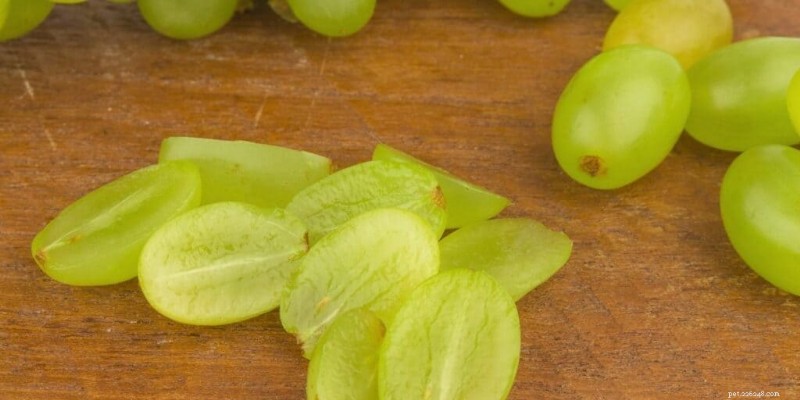
Yes, hamsters can safely enjoy grapes—but only in moderation and after proper preparation. Cut grapes into bite‑sized pieces to prevent choking and to make it easier for your hamster to chew. Smaller individuals should receive fewer grapes than larger ones. Grapes provide vitamin C and fiber, yet their sugar content means they should remain a treat, not a staple.
Never feed whole grapes; always cut them. This reduces the risk of a choking incident and encourages nibbling rather than swallowing an entire berry.
Why Hamsters Might Prefer Grapes
In the wild, hamsters forage on nuts, seeds, fruits, and insects. This natural diet explains their occasional fondness for sweet fruits like grapes. Unlike some larger mammals, hamsters do not appear to suffer kidney damage from grapes, though the exact mechanism remains unclear.
Introducing Grapes Safely
When adding a new food, proceed gradually. Wash grapes thoroughly to eliminate surface pesticides or contaminants. Offer a small, diced portion and observe your hamster’s reaction. If no adverse signs appear after a day or two, you may continue to provide grapes in small amounts.
All pets can develop allergies. Monitor for signs such as diarrhea, lethargy, or unusual bedding consumption. If you notice any of these symptoms, discontinue grape feeding and consult your veterinarian.
Signs Grapes May Not Agree With Your Hamster
Loose stools, persistent diarrhea, or sudden lethargy are red flags that a fruit like grapes is upsetting your hamster’s digestive system. If you observe these symptoms, revert to a diet of pellets and fresh vegetables until normalcy returns.
Watch for a hamster chewing on bedding or refusing other foods—these behaviors can signal discomfort or a dislike for the fruit. In such cases, consider switching to lower‑sugar fruits such as berries or apples.
How Much Grape Is Appropriate?
Because hamsters are tiny, even a single grape can be a large portion relative to their overall intake. A single grape cube—roughly the size of a grain of rice—serves as a good guideline. Providing only a few pieces allows you to rotate different fruits and maintain dietary variety.
Most hamsters consume about 12 mg of food per day. Their diet should primarily consist of a balanced commercial mix, fresh vegetables, and hay. Fruits should be a limited treat due to their high sugar concentration.
When feeding multiple fruit types, reduce the grape portion accordingly. Overconsumption of sugar can lead to obesity, diabetes, or fatty liver disease in hamsters, just as it can in humans.
A reliable staple is Kaytee Fiesta, a nutritionally balanced dried feed designed for hamsters. Use it as the core of their diet, supplementing with small amounts of fresh produce and occasionally cooked lean meats.
Recommended Fruit Frequency
Discuss your hamster’s diet with a vet if you have concerns. As a general rule, offering about a teaspoon of fruit two times per week is safe. Over‑feeding fruit can trigger fatty liver or other metabolic issues.
Keep fruit as an occasional treat, focusing on fresh vegetables for daily nutrition. This approach promotes a healthy, energetic hamster.
Conclusion
While grapes can be a delightful treat, they should be given sparingly to avoid sugar‑related health problems. Stick to a handful of small, diced grapes spread across the week, and your hamster will remain fit and happy.
- Rapid Dog Eye Movements: What They Mean and When to Seek Veterinary Care
- Comprehensive Live Food Care for Reptiles, Amphibians, Tarantulas, and Scorpions
- Top 10 Service Dog Breeds for Every Need – With Photos
- Trap‑Neuter‑Return: Humane Care for Feral Cats in a Neighbor’s Yard
- Safeguard Your Pet: Using Hidden Cameras for Smart Monitoring
- Comprehensive Guide to Treating Psoriasis in Dogs
- Decoding Your Cat’s Sleep Postures: What Every Position Reveals