

Can Hamsters Safely Eat Lettuce? A Complete Guide to Lettuce Varieties and Other Safe Greens
Many pet owners enjoy giving their hamster fresh treats, such as salads or crisp vegetables. A frequent question is whether lettuce is safe and healthy for these tiny rodents.
If your hamster needs a larger cage, click here.
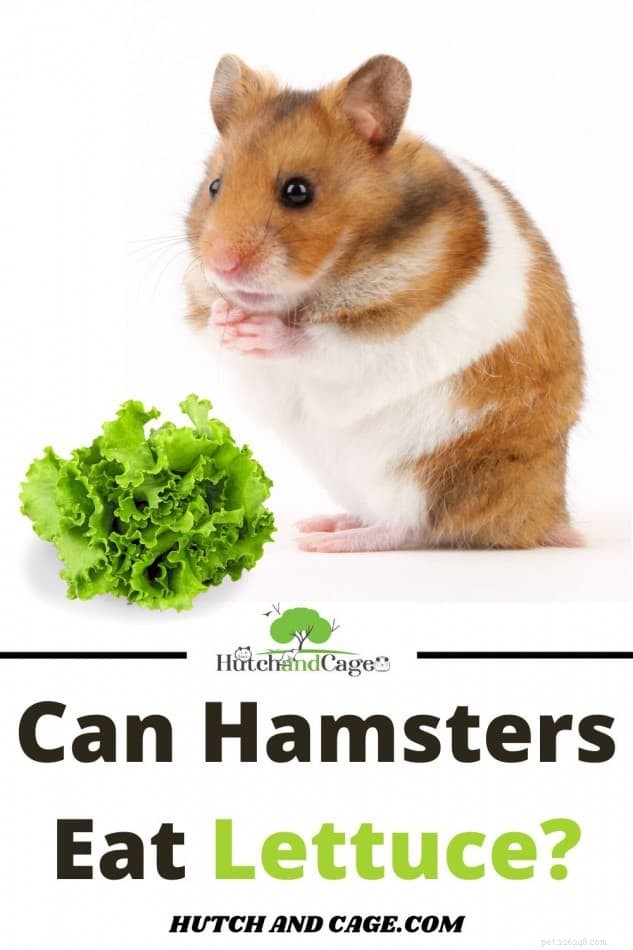
Can Hamsters Eat Lettuce?
Yes, hamsters can safely consume lettuce. It provides vitamins and minerals that support overall health. However, the benefits depend on the type of lettuce and the portion size.
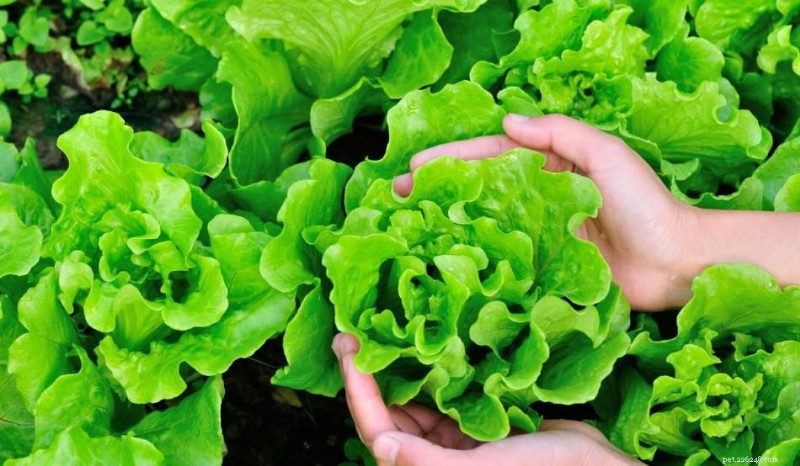
Nutrition of Lettuce
Though lettuce is high in water—over 96%—it still supplies useful nutrients:
- Vitamin C – antioxidant support
- Vitamin E – promotes cellular health
- Magnesium – essential for muscle function
- Potassium – aids in electrolyte balance
Because the quantity a hamster typically consumes is small, the nutritional impact is modest. Many hamsters appreciate the crunchy texture and low calorie count.
When introducing lettuce, start with 1–2 small leaves from romaine or iceberg lettuce, as these varieties contain lower nitrate levels compared to lamb’s lettuce or other greens.
When to Offer Lettuce to Your Hamster
Lettuce should be given only as an occasional snack, not as a daily staple. Monitor your hamster’s stool—if it is loose, avoid lettuce until the digestive upset resolves. Lettuce can also help keep a dehydrated hamster hydrated, but it should not replace fresh water.
For a stressed or sleepy hamster, a small leaf can serve as a calming treat. However, overfeeding can lead to diarrhea due to the high water content and low fiber.
Potential Risks of Lettuce
Because lettuce is very watery and low in fiber, it can trigger loose stools in some hamsters. Excessive consumption may upset the gut balance. Large amounts of certain lettuces can also introduce nitrates, which are less desirable for these small animals.
There is no credible evidence that lettuce has a hypnotic effect on hamsters, even though some anecdotal claims exist. When feeding only the leaves, risk is minimal.
General Diet Guidelines for Hamsters
Hamsters require constant access to clean water and a balanced diet that includes:
- Protein: ~16 % of the diet
- Fat: ~5 % of the diet
Commercial pellets should form the base of their nutrition, supplemented by fresh fruits and vegetables. Below are additional safe vegetables and how to serve them:
Vegetables Hamsters Can Eat
- Peas – Low calorie, supports cardiovascular health.
- Spinach – Rich in fiber and antioxidants.
- Radicchio – High in fiber, iron, and antioxidants; serve sparingly.
- Carrot – Leafy parts strengthen teeth; peeled carrot in small pieces is fine.
- Fennel – Helps regulate digestion and metabolism.
- Zucchini (courgette) – Rich in fiber and essential minerals; feed without the skin.
- Potato – Remove sprouts and green parts; serve raw or boiled, never fried.

Foods to Avoid (Poisonous or Unhealthy)
Some foods, while not toxic, can upset a hamster’s delicate stomach or cause health issues:
- Milk and dairy products – hamsters are lactose intolerant.
- Salty cheeses – high sodium can lead to dehydration.
- Honey and sugary items – can fill cheek pouches and cause metabolic problems.
- Sweet fruits (e.g., grapes, raisins) – high sugar content.
- Processed foods (bread, pasta) – excess carbohydrates.
- Onions, garlic, and spicy vegetables – irritating to the digestive tract.
Substitutes:
- So‑y yogurt with a splash of red fruit for a probiotic treat.
- Unsalted nuts (walnuts, almonds) and dried apple slices (no added sugar).
- Flax seeds for healthy fats.
Commercial Hamster Food Recommendations
Here are a few reputable brands that provide balanced nutrition:
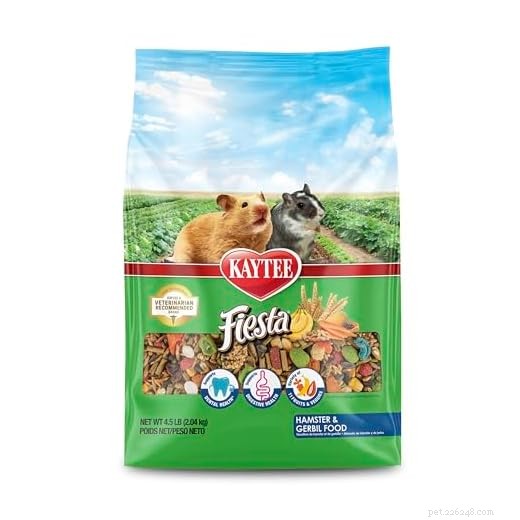
Kaytee Fiesta Hamster And Gerbil Food, 4.5‑Lb Bag
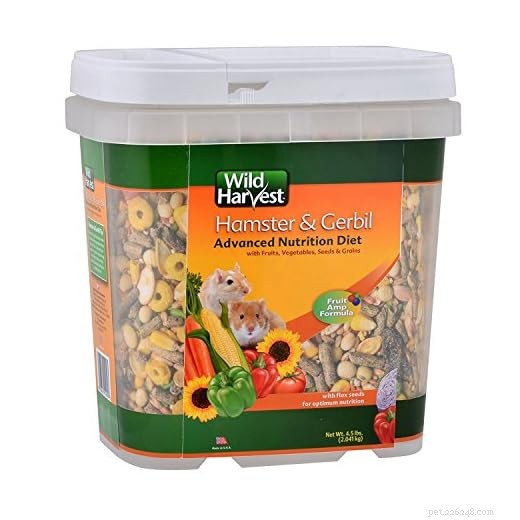
Wild Harvest Wh‑83543 Advanced Nutrition Diet For Hamsters Or Gerbils, 4.5‑Pound
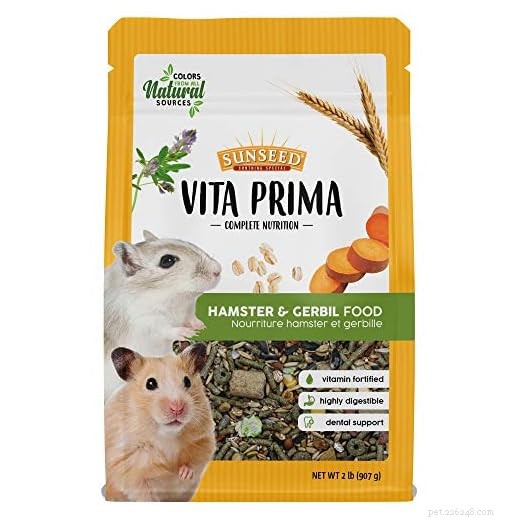
Sunseed Vita Prima Complete Nutrition Hamster & Gerbil Food, 2 LBS
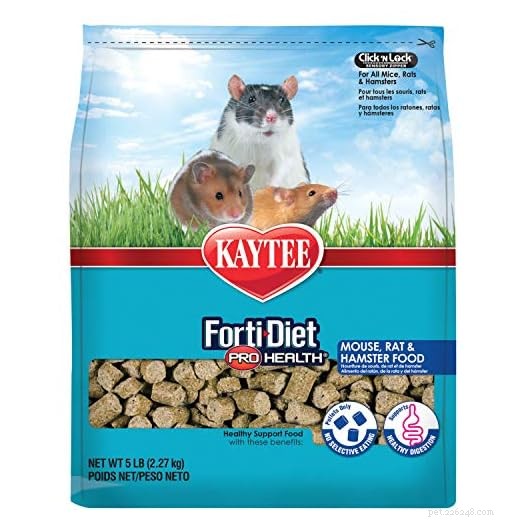
Kaytee Forti Diet Pro Health Small Animal Food for Mice and Rats, 5‑Pound
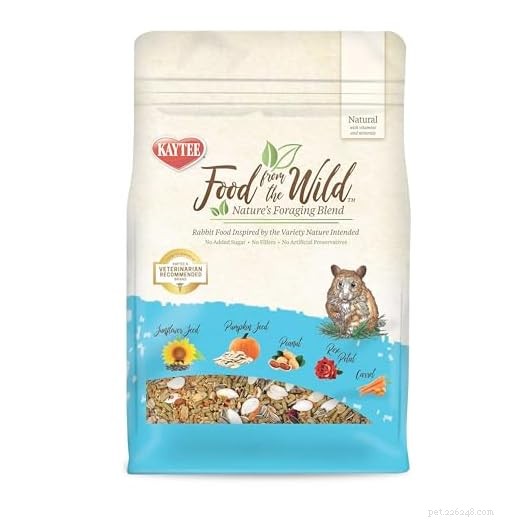
Food from The Wild Hamster
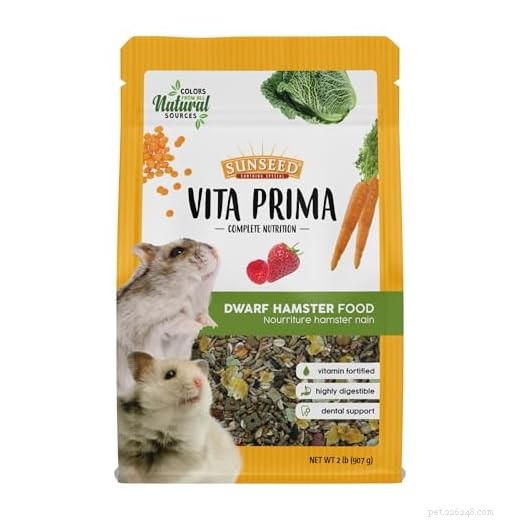
Sunseed Vita Prima Complete Nutrition Dwarf Hamster Food, 2 LBS
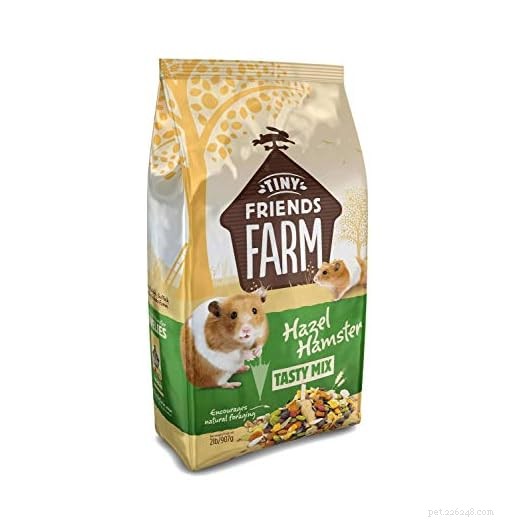
Supreme Tiny Friends Farm Hazel Hamster Tasty Mix 2 lbs
Amazon price updated: June 10, 2026 05:41
Final Thoughts: Can Hamsters Eat Lettuce?
If your hamster shows signs of distress after eating any plant, contact a veterinarian immediately—time is critical in cases of poisoning.
While lettuce is generally safe in moderation, avoid sugary, salty, or spicy foods. Dark spots on tomatoes or potatoes, raw beans, and canned or frozen vegetables can be harmful. Foods with strong aromas, such as garlic or onions, should also be omitted.
With careful selection and moderation, a variety of greens can enrich a hamster’s diet and support long, healthy life.
- Spot‑On Flea & Tick Treatments: Serious Health Risks for Dogs & Owners
- 12 Reasons Your Dog Yelps When You Pick Him Up – Expert Insights
- Praying Mantis as a Pet: Is It Right for You?
- A Stubborn Cat Befriends a Chocolate Labrador, Bridging the Gap Between Cats and Dogs
- Top Cat Repellent Solutions for a Cat-Free Garden
- DIY Cat Catio: Build a Safe Outdoor Space for Your Cat (Video Guide)
- Introducing New Cats: Why Rushing Can Backfire