

Monthly Budget for Guinea Pig Care: What You Need to Know
Bringing home a guinea pig is more than a simple act of affection—it’s a long‑term financial commitment. These delightful rodents can live eight years or more, so their care must fit into your household budget for the foreseeable future.
On average, annual care costs $1,225, which translates to roughly $102 per month. That figure covers food, bedding, veterinary visits, and enrichment supplies.
Initial setup costs range from $500 to $825 and include a spacious enclosure, chew‑safe accessories, and a starter supply kit.
Pro tip: Guinea pigs are highly social. Pairing them reduces stress and can prevent costly behavioral problems later.
Preparing for Guinea Pig Ownership

Before the first squeak, understand the responsibilities. Daily interaction, a stable environment, and routine veterinary care are essential for an eight‑year‑plus life.
Understanding the Commitment
Guinea pigs require daily handling, regular health checks, and a consistent diet. Because they can outlive many pets, planning for life events—such as moving or career changes—helps maintain a stable habitat.
Many general‑practice veterinarians do not treat exotic animals. Locating a qualified vet before adoption prevents emergencies and reduces future costs.
What to Consider Before Bringing Home Your Pets
Single guinea pigs develop stress‑related illnesses that can double veterinary expenses. Pairing them is a wise financial and emotional decision.
Travel plans need a trusted caretaker familiar with their dietary needs. Building a reliable support network reduces the need for spontaneous trips.
Initial Investment: Purchasing or Adopting Your Guinea Pigs
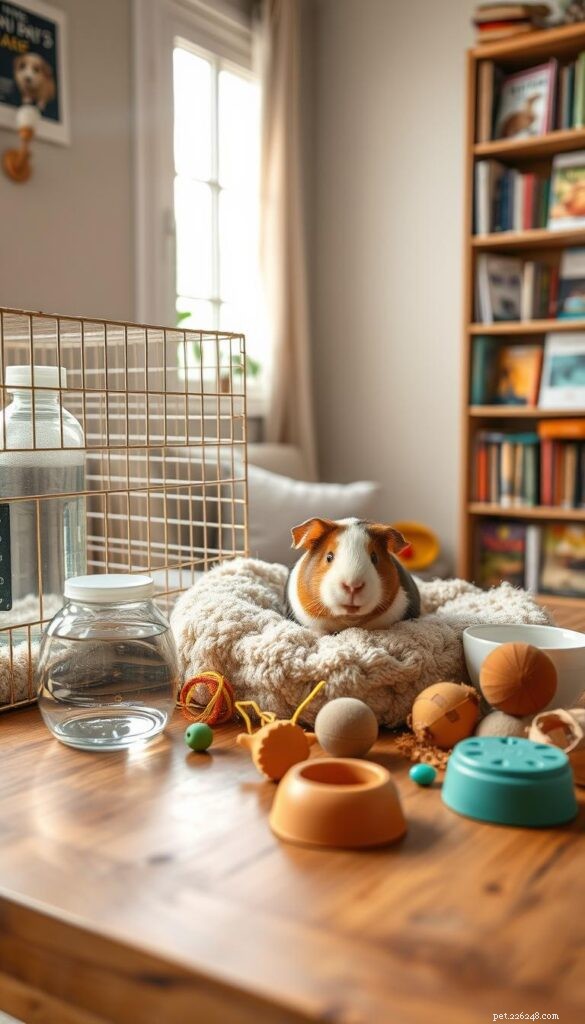
Choosing the right source—rescue, breeder, or free listing—sets the tone for long‑term care.
Adoption, Breeder, or Free – What’s Best for You?
Rescue organizations typically charge $20–$40 per animal and include a health screening. This option supports shelters and offers a cost‑effective entry point.
Breeders supply specific coat types or lineages, with prices up to $50 for show‑quality Abyssinians.
Free listings are tempting but verify medical records, socialization, and rehoming reasons.
Breed price ranges (average):
- American – $25
- Peruvian – $40
- Alpaca – $45
Evaluating the Setup Costs for a Healthy Start
Habitat costs ($498–$826) cover:
- Spacious cages (minimum 7.5 sq ft per pig)
- Chew‑proof bowls
- Dust‑free bedding systems
Reputable suppliers often require proof of proper setup before releasing animals.
Monthly Cost Breakdown
Understanding where money goes each month helps you stay on budget.
Recurring Monthly Expenses
For a pair, expect about $102 per month:
| Expense | Monthly Cost | Annual Cost | Notes |
|---|---|---|---|
| Food | $70 | $840 | Fresh veggies, hay, pellets |
| Bedding | $7–$9 | $85–$106 | Reusable fleece saves 60% |
| Healthcare | $25+ | $300+ | Insurance or emergency fund |
Bedding choice matters: fleece liners cost 80% less over time than disposable options. Factor in $25 monthly for vet visits or insurance—dental care alone averages $150 per procedure.
Tracking Your Pet Budget Effectively
Use budgeting apps to monitor spending for the first three months. Seasonal changes may affect costs—winter may increase veggie needs, summer may raise hay storage costs.
Set aside $10–$15 monthly for unexpected expenses. Buying hay in 20‑lb boxes from farm supply stores can save money. Urban areas often charge 15% more for supplies.
Housing and Cage Setup Costs
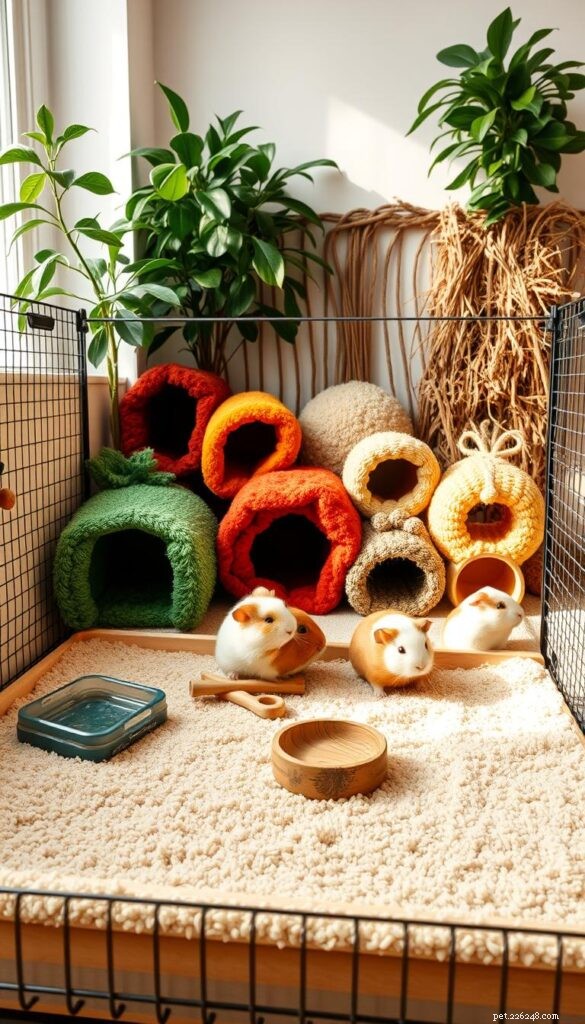
Choosing the right cage is vital for health and happiness.
Indoor vs. Outdoor Living Solutions
Indoor C&C cages dominate modern setups because they maintain stable temperatures and protect against predators. Outdoor hutches require expensive weatherproofing and lack proper insulation.
Size is key: females thrive in 4×2 ft grids ($90+), while males need 5×2 ft ($95+) to prevent territorial disputes.
Budget‑Friendly Habitat Planning
Popular options:
| Type | Price | Key Benefit |
|---|---|---|
| Basic C&C | $90–$120 | Expandable design |
| Premium Kit | $200–$292 | Includes ramps/hideouts |
| Plastic Floor | $50–$150 | Foot‑safe surface |
Start simple and add custom accessories over time. Non‑grated floors prevent foot injuries, and fleece liners save $70+ annually versus disposable bedding.
Nutrition and Food Expenses
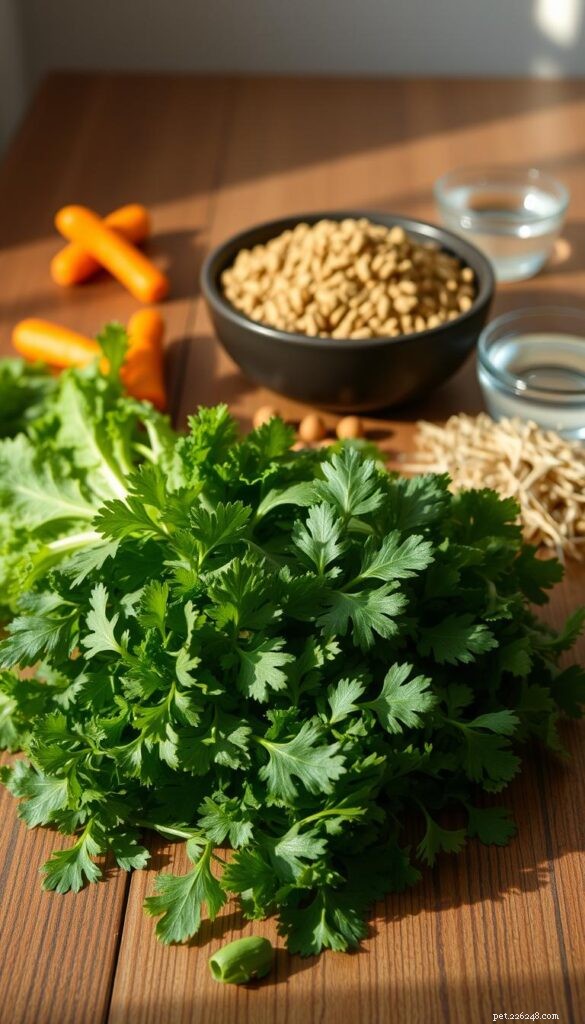
Balanced nutrition is essential for longevity and predictable costs.
Hay, Pellets, and Fresh Veggies
Unlimited Timothy hay forms 80% of the diet, keeping teeth trimmed and digestion smooth. Specialty hay boxes ($40 for three months) offer convenience and freshness.
Daily veggies provide vitamin C. Bell peppers are the only safe daily option; romaine lettuce, cilantro, and cucumbers rotate well. Stick to one teacup per pig to avoid waste.
Monthly Food Budget and Quality Considerations
Premium pellets avoid harmful additives and reduce vet visits long term.
| Item | Weekly Cost | Monthly Total | Key Benefit |
|---|---|---|---|
| Hay | $10 | $40 | Digestive health |
| Veggies | $15 | $60 | Vitamin C source |
| Pellets | $5 | $20 | Balanced nutrients |
Buying in bulk cuts costs by 20%. Split orders with fellow owners if storage space is limited. Pro tip: Frozen diced peppers preserve nutrients and simplify meal prep!
Bedding, Accessories, and Enrichment Supplies
Creating a cozy haven involves smart material choices and stimulating extras.
Investing in Quality Bedding Options
Fleece liners ($85–$106) offer long‑term savings. Compared to disposable wood shavings ($225/year) or paper litter ($557/year), they reduce dust and respiratory risk. Machine‑washable designs save 70% annually while being gentle on paws.
Must‑Have Accessories for a Happy Home
Prioritize hideouts ($15 each) for stress reduction—one per pig is essential. Ceramic bowls ($5) prevent tipping; leak‑proof water bottles ($10) ensure constant hydration. Rotate chew toys ($8) weekly to maintain dental health and curiosity.
Brands like GuineaDad provide odor‑control liners ($55/pack) that last 3+ years with proper care. Pair these with hay racks and tunnels to transform basic habitats into thriving playgrounds.
FAQ
What’s the average monthly cost for guinea pig care?
Expect to spend around $102 per month. That covers hay, pellets, veggies, bedding, and routine vet visits.
Are there hidden costs I should plan for?
Yes—emergency vet visits, chew toys, and replacing worn‑out fleece liners can add up. Pet insurance or a dedicated savings fund helps manage unexpected health expenses.
Is it cheaper to adopt or buy from a breeder?
Adoption often costs $20–$40 and includes initial vet care. Breeders charge $50+ for show‑quality breeds. Rescue groups frequently provide starter kits, saving you money early on.
How much space do guinea pigs really need?
A pair needs at least 7.5 square feet per animal, but 10–12 sq ft is ideal. C&C grids or Midwest cages are popular. Outdoor hutches require weatherproofing, raising initial costs.
What’s the best bedding for odor control?
Paper‑based bedding like CareFresh or reusable fleece liners work well. Avoid pine or cedar shavings—they’re harmful. Budget $5–$10 monthly for bedding, depending on your choice.
Can I save money by making DIY toys?
Absolutely! Cardboard tunnels, untreated wood blocks, and hay‑filled toilet paper rolls are safe, cheap options. Prioritize mental enrichment without breaking the bank.
Do they need annual vet visits?
Yes. Yearly checkups cost $75–$100 per pet. Dental issues and respiratory infections are common, so regular health monitoring is crucial. Insurance plans like Nationwide can offset costs.
Why is hay so important in their diet?
Timothy hay aids digestion and wears down teeth. A 24‑ounce bag lasts 1–2 weeks for two pets. Brands like Oxbow and Small Pet Select offer high‑quality options.
Allocate $30–$40 monthly for hay alone.
- Stop Your Cat from Opening Doors: Proven Techniques for a Safer Home
- Spring Pet Grooming Essentials: Keep Your Furry Friends Clean and Healthy
- Essential Guide to Caring for Your Deaf Cat: Tips for a Happy Life
- Why Dogs Move Their Food Bowls – 7 Expert Reasons & How to Stop It
- Do Dogs Taste Lemon? Understanding Their Reaction to Citrus
- Azodyl Side Effects in Dogs: Key Symptoms and Management
- 8 Short‑Tailed Cat Breeds You’ll Love – With Photos