

How Big Do Male Guinea Pigs Grow? The Expert Guide to Size, Care, and Growth
How Big Do Male Guinea Pigs Grow? The Expert Guide to Size, Care, and Growth
When welcoming a boar into your home, understanding their growth patterns helps you create an optimal care environment. Adult male guinea pigs (boars) typically weigh between 2.2 and 3.5 pounds, but breed variations can shift this range. For example, Rex varieties often reach the higher end, while American and Texel types tend to stay on the lighter side—data from recent guinea‑pig size studies confirm this trend.
Nutrition and activity are the twin pillars of healthy development. A diet rich in fresh vegetables, ample timothy hay, and controlled portions of high‑quality pellets supports steady weight gain. Spacious enclosures that encourage movement promote muscle tone and joint health. Regular veterinary check‑ups help you keep your pet within its ideal weight range and catch early signs of illness.
Boars usually require slightly more space than females, especially in group housing. Compared to smaller rodents like hamsters or gerbils, guinea pigs are sturdy yet manageable pets. Monitoring growth through routine weigh‑ins during their 5–8 year lifespan allows owners to spot health changes before they become serious.
Every guinea pig matures at its own pace. Prioritise consistent care—balanced diet, ample exercise, and routine health checks—over rigid weight targets. A well‑cared cavy will thrive for years.
Understanding Guinea Pig Growth and Size

Guinea pigs develop at rates shaped by genetics, nutrition, and environment. Even within the same litter, individual variation is common.
Factors Influencing Size and Weight
Genetics: Genetics set the growth potential. Breeds like Peruvian and Rex carry larger frames, while American and Texel stay compact. Parentage often predicts whether a pet will become a gentle giant or remain petite.
Nutrition: A diet that includes vitamin‑C‑rich vegetables, unlimited timothy hay, and measured pellets builds strong bones and supports healthy metabolism.
Space: A roomy habitat encourages natural activity such as "popcorning" and exploration, building muscle tone and reducing stress.
Growth Patterns Over Time
Newborns double their weight in weeks, reaching rapid growth until six months. Most boars reach full size by 14 months, though some continue to fill out until age two. Weekly weigh‑ins help track progress and flag health concerns early.
How Big Do Male Guinea Pigs Get?
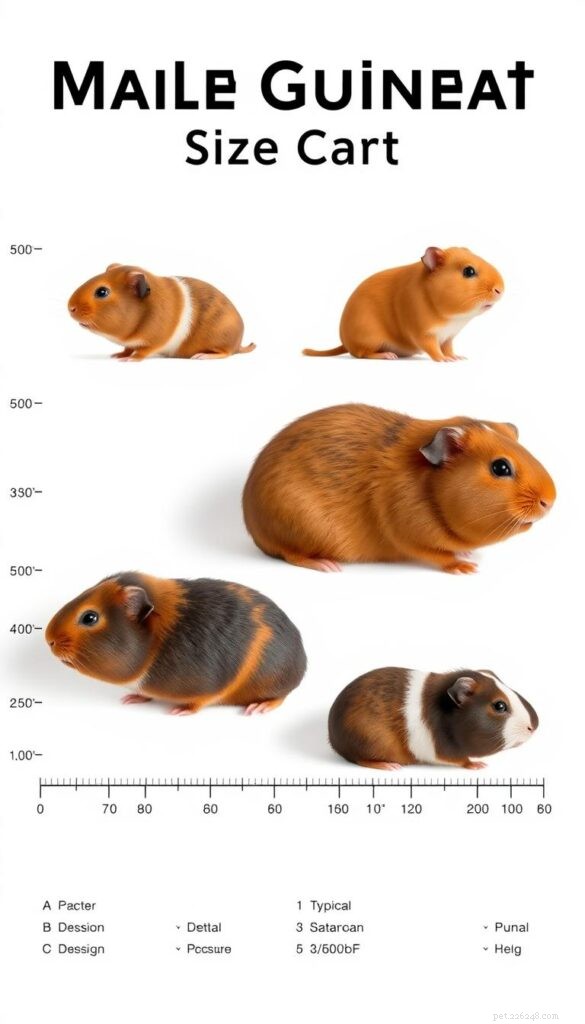
Adult boars typically weigh 2.2–3.5 lb, roughly the mass of three medium‑sized apples. This range reflects natural variations in bone structure and muscle mass.
Typical Weight Progression
Newborns start at 3–4 oz, doubling within weeks. By six months they usually weigh 1.5–2 lb. Full maturity arrives at 12–14 months, with some breeds gaining until age two. A kitchen scale can catch subtle shifts early.
Breed and Age Considerations
Compact American varieties often stay under 2.6 lb, while robust Peruvian types frequently exceed 3 lb. Older companions may carry extra padding due to slower metabolism, whereas younger adults tend to maintain leaner builds through consistent activity.
| Breed | Males | Females | Key Differences |
|---|---|---|---|
| American | 2.2-2.8 lbs | 1.8-2.3 lbs | Wider head shape |
| Abyssinian | 2.5-3.1 lbs | 2.1-2.6 lbs | Pronounced shoulder muscles |
| Peruvian | 2.8-3.5 lbs | 2.3-2.9 lbs | Longer body length |
Consistent care outweighs precise numbers. Focus on bright eyes, smooth fur, and steady appetite rather than chasing specific measurements. This approach guarantees lifelong health and happiness.
Comparative Overview: Male vs. Female Guinea Pigs
Understanding gender differences helps owners tailor care. While both sexes share core needs, growth patterns and physical traits differ.
Key Physical Differences in Growth
Adult females weigh 1.5–2.25 lb; males reach 2–3 lb. The weight gap becomes evident around six months as hormonal changes drive muscle development in boars. Females maintain sleeker builds despite similar diets and exercise.
Body structure offers clear clues beyond weight. Males typically develop broader shoulders and thicker necks, traits linked to social hierarchy. Females are more streamlined, though individual variations exist across breeds.
| Breed | Males | Females | Key Differences |
|---|---|---|---|
| American | 2.2-2.8 lbs | 1.8-2.3 lbs | Wider head shape |
| Abyssinian | 2.5-3.1 lbs | 2.1-2.6 lbs | Pronounced shoulder muscles |
| Peruvian | 2.8-3.5 lbs | 2.3-2.9 lbs | Longer body length |
These differences stem from evolutionary roles—boars compete for mates, sows prioritize agility for nesting. Larger males may need more space in multi‑cavy housing. Your choice between genders might hinge on handling preferences; some owners find heavier males easier to hold, others prefer compact females. Regular weight checks help keep both sexes healthy.
Breed Influence on Guinea Pig Size

Genetic background is a blueprint for size. From compact American to majestic Rex, breed traits shape care needs and enclosure planning.
Weight Charts for Popular Breeds
American guinea pigs remain petite at 1.5–2.5 lb—ideal for smaller spaces. Rex varieties often reach up to 3 lb; their wiry coats mask substantial frames that require careful weight monitoring.
| Breed | Weight Range | Length |
|---|---|---|
| American | 1.5-2.5 lbs | 8-9 inches |
| Texel | 1.5-2.5 lbs | 8-10 inches |
| Peruvian | 2-3 lbs | 10-12 inches |
| Rex | 2.5-3 lbs | 12-18 inches |
Coat type affects perceived size—long‑haired breeds like Peruvian appear bulkier than their weight suggests. Metabolic rates vary; Rex need adjusted portions to avoid obesity. Mixed‑breed companions may combine traits unpredictably. Regular measurements track development regardless of ancestry.
Pro tip: Measure length from nose to rump monthly during growth phases. Paired with weight data, this reveals whether your pet follows typical patterns for its breed group.
Diet, Exercise, and Overall Health
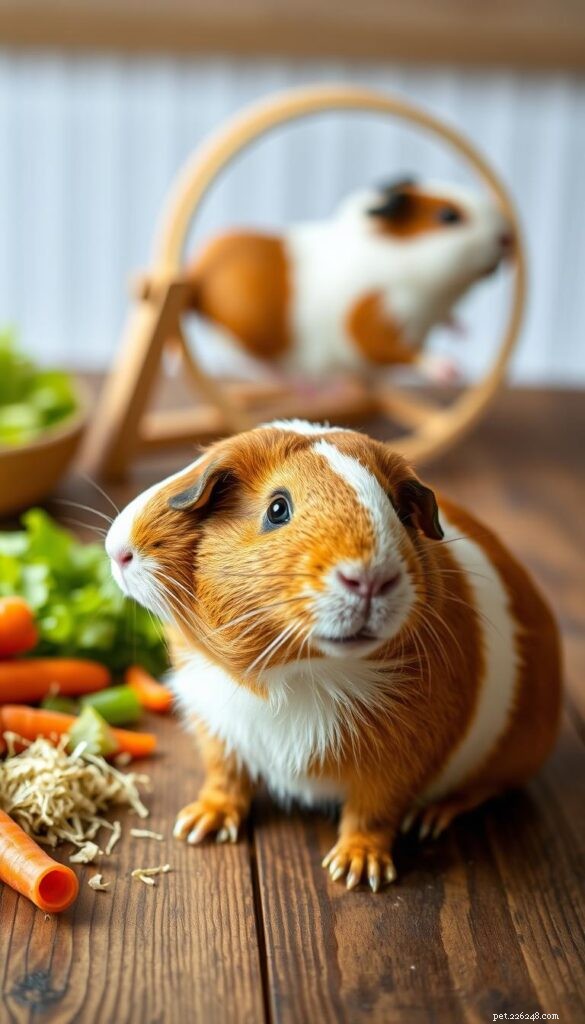
Your guinea pig’s wellbeing hinges on smart nutrition and active habits. Domestic companions rely on thoughtful care to maintain ideal body condition.
Impact of Nutrition on Growth
Timothy hay makes up 80 % of a healthy diet, keeping teeth trimmed and digestion smooth. Pair it with measured portions of high‑quality pellets—about ⅛ cup daily—to prevent overeating. Fresh veggies such as bell peppers and kale provide vitamin C without excess calories.
Overfeeding fruits or starchy treats can lead to rapid weight gain. A study found pet guinea pigs consume 30 % more calories than wild counterparts. Balance is key: under‑fed pets risk stunted growth, while obese ones face joint stress.
Role of Exercise in Weight Management
Enclosures of 7.5 + square feet encourage natural behaviors like popcorning and exploring. Add tunnels, platforms, and daily floor time outside the cage to burn energy through sprints and curiosity‑driven adventures.
Interactive toys—treat balls, chew toys—combine mental stimulation with physical activity. Rotate play items weekly to keep interest high. Movement builds muscle tone and prevents boredom‑related chewing.
Pro tip: Weigh leafy greens before serving. This habit helps track food intake accurately, making adjustments easier if weight fluctuates.
Importance of Regular Weigh‑Ins
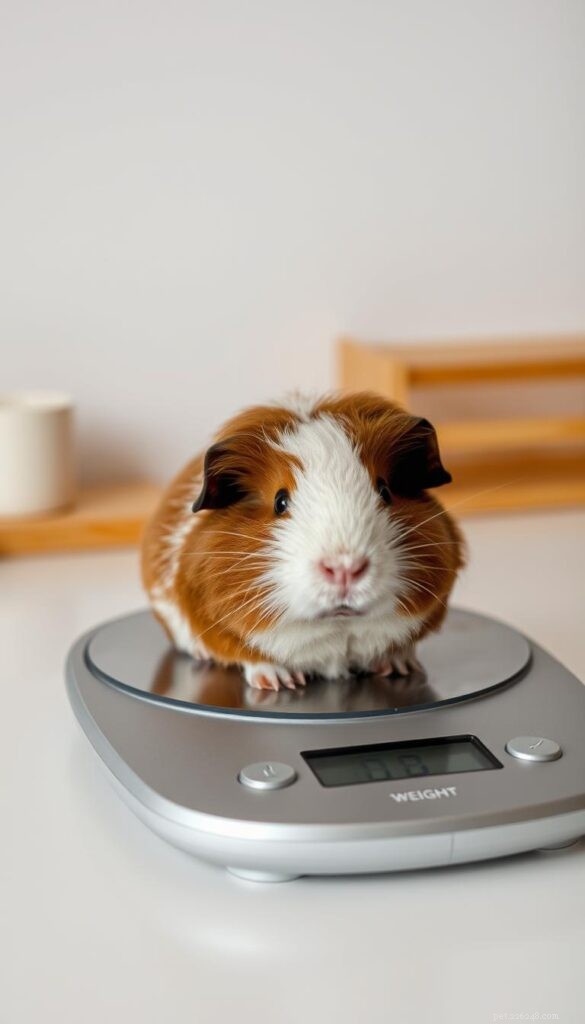
Spotting health changes in small pets requires observation tools. Weekly weigh‑ins act as a secret decoder for your cavy’s wellbeing.
Sudden drops often signal trouble before visible symptoms appear. A study by the Association of Exotic Mammal Veterinarians found 68 % of illnesses show weight changes first. Consistent records help vets spot patterns during check‑ups.
Building a Reliable Tracking System
Choose the same day each week—Sunday mornings work well for many owners. Use a digital kitchen scale with a bowl or container to keep wiggly pets secure. Calm sessions after breakfast yield the most accurate results.
| Frequency | Benefits | Best For | Notes |
|---|---|---|---|
| Weekly | Early problem detection | All adult cavies | Track ±10g changes |
| Monthly | General trend observation | Stable senior pets | Combine with vet exams |
Chart results using apps or notebooks. Look for gradual declines— even 2 ounces over three weeks matters. Share data during vet visits to create targeted care plans. Your records transform vague concerns into actionable insights.
Fluctuations happen. Focus on overall patterns rather than single measurements. Pair routine with visual checks for glossy fur and bright eyes to complete the health picture.
Growth Stages: From Baby to Adult Guinea Pigs
Watching your cavy grow from a tiny pup to a sturdy adult offers fascinating insights. Their first year is marked by rapid development; careful monitoring ensures lifelong health.
Tracking Early Development Milestones
Newborns arrive at 2–4 oz, fully furred and ready to explore. Daily weigh‑ins during the first eight weeks confirm proper nutrition absorption. Expect steady gains of 1–1.5 oz weekly—about the weight of two grapes.
By four months, your guinea pig should reach 25 % of its eventual adult size. Six‑month‑olds typically hit 50 % maturity, with activity levels peaking during this energetic phase. Use this time to establish bonding routines through gentle handling and play.
| Age | Weight Range | Key Developments |
|---|---|---|
| Birth | 2-4 oz | Eyes open, mobile |
| 8 weeks | 8-12 oz | Weaning complete |
| 16 weeks | 13-17 oz | Social hierarchy forms |
| 6 months | 17.5-25 oz | Adult eating patterns |
Most cavies reach full maturity around twelve months, though some larger breeds continue to fill out until eighteen months. Adult weight ultimately depends on genetics, but consistent care during growth phases lays the foundation for vitality. Remember—healthy development matters more than hitting exact numbers.
Step‑by‑Step Guide to Weighing Your Guinea Pig
Regular weight checks become your secret weapon for proactive health monitoring. These quick sessions reveal subtle changes that might otherwise go unnoticed.
Choosing the Right Scale
Opt for a digital kitchen scale with 0.1‑ounce precision. Models with flat platforms or removable bowls work best for wiggly companions. Avoid bathroom scales—they lack the accuracy needed for small weight fluctuations.
Practical Weighing Tips
Place a shallow container on the scale first, then tare it to zero. Gently lower your pet into the bowl while distracting them with a veggie treat. Record measurements every Tuesday morning before breakfast for consistent comparisons.
Keep a logbook near the cage for easy access. Pro tip: Pair weigh‑ins with nail trims to create positive associations. Consistent routines build trust while ensuring your furry friend stays within healthy ranges.
FAQ
What’s the average weight range for adult male guinea pigs?
Most adult males weigh between 2–3 pounds. Larger breeds like Rex or American guinea pigs may reach up to 3.5 pounds. Genetics, diet, and exercise play key roles in their final size.
Do male guinea pigs grow bigger than females?
Males (boars) are often slightly heavier and broader than females (sows). However, size differences depend on breed and individual health. Regular vet check‑ups ensure they stay within healthy weight ranges.
How does breed affect a guinea pig’s size?
Breeds like the American guinea pig average 8–10 inches long, while larger ones like the Rex can exceed 12 inches. Check breed‑specific charts to track growth milestones and compare your pet’s progress.
When do male guinea pigs stop growing?
Most reach full size by 14–16 months. Babies grow rapidly in their first 8 weeks, then slow down. Consistent weigh‑ins help monitor their development and catch any health issues early.
Can diet influence a guinea pig’s growth?
Yes! A balanced diet with fresh hay, veggies, and vitamin C‑rich pellets supports healthy growth. Overfeeding treats like fruits or sugary snacks may lead to obesity, affecting their overall size.
How often should I weigh my guinea pig?
Weekly weigh‑ins using a kitchen scale are ideal. Sudden weight loss or gain could signal illness. Keep a log to share with your vet during routine check‑ups.
What’s the best way to exercise a guinea pig?
Provide a spacious cage and daily floor time for running. Toys, tunnels, and interaction encourage movement, which helps maintain muscle tone and prevent excess weight gain.
Are there signs my guinea pig is underweight or overweight?
Ribs that are hard to feel may indicate obesity, while visible spine bumps suggest underweight issues. Consult your vet to adjust their diet or exercise plan if you notice these signs.
- Dog Skin Lumps & Bumps: When to Seek Immediate Veterinary Care
- Safe Natural Alternatives to Traditional Dog Shampoo
- Do Dogs Detect Gas Leaks? A Reliable Guide
- How to Safely Travel with Your Senior Dog: 8 Essential Tips
- How to Eliminate Cat Urine Odor From Your Mattress
- Understanding Puppy Panting: When It’s Normal and When It’s a Red Flag
- 22 Urgent Signs That Call for Immediate Veterinary Care