

Are Cantaloupe Rinds Safe for Guinea Pigs? A Practical Guide to Treats
As a devoted pet owner, you want to share the best treats without risking your guinea pig’s health. Cantaloupe, a juicy melon, offers hydration and essential vitamins, but its rind requires careful handling. This guide explains the nutrition, safety, and portion control needed to keep your small companion happy and healthy.
Understanding Your Guinea Pig’s Dietary Foundations
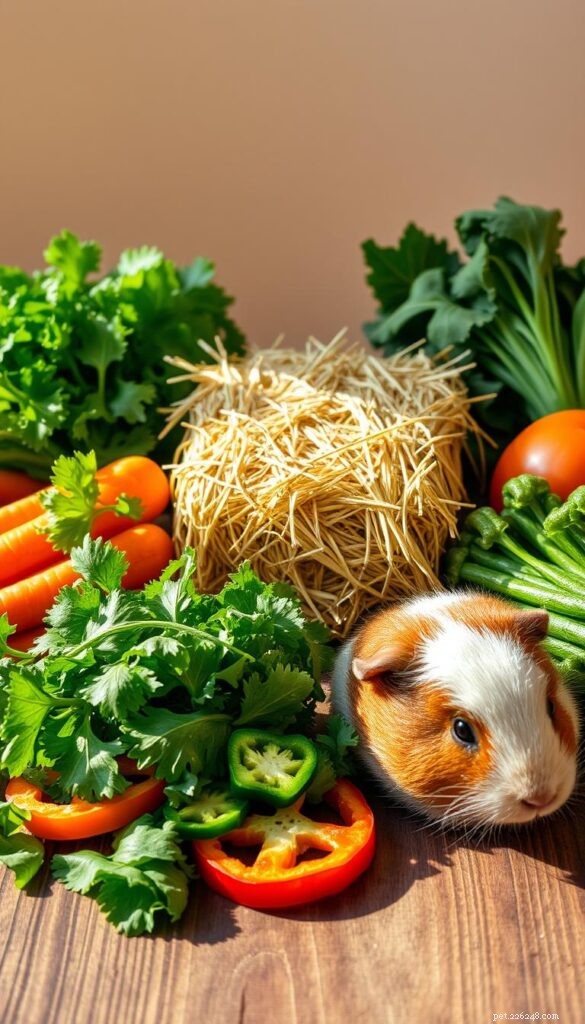
Guinea pigs thrive on a diet that mirrors their natural grazing habits. A balanced meal plan starts with hay, followed by fresh greens, and occasional treats.
The Cornerstone: Hay and Greens
Hay should compose 75–80 % of daily intake, available around the clock. Timothy and orchard grass provide the roughage needed to file down constantly growing teeth and maintain gut motility.
| Hay Type | Fiber Content | Dental Benefit | Suitable For |
|---|---|---|---|
| Timothy | 32 % | High | Adults |
| Orchard Grass | 30 % | Medium | All ages |
| Meadow | 28 % | Medium | Young pets |
Pair hay with ½–1 cup of mixed vegetables daily, rotating options like bell pepper and leafy greens. Avoid iceberg lettuce, which lacks nutrients and can cause diarrhea.
Consistent Feeding Schedule
Offer fresh hay each morning and evening. Keep pellets to 1–2 tablespoons per day—choose brands fortified with vitamin C—and remove any uneaten produce after four hours to prevent spoilage.
Regular mealtimes, with hay available 24/7, support metabolism and prevent overeating. Sudden diet changes can upset a delicate stomach, so introduce new foods slowly.
Nutrition Spotlight: Cantaloupe
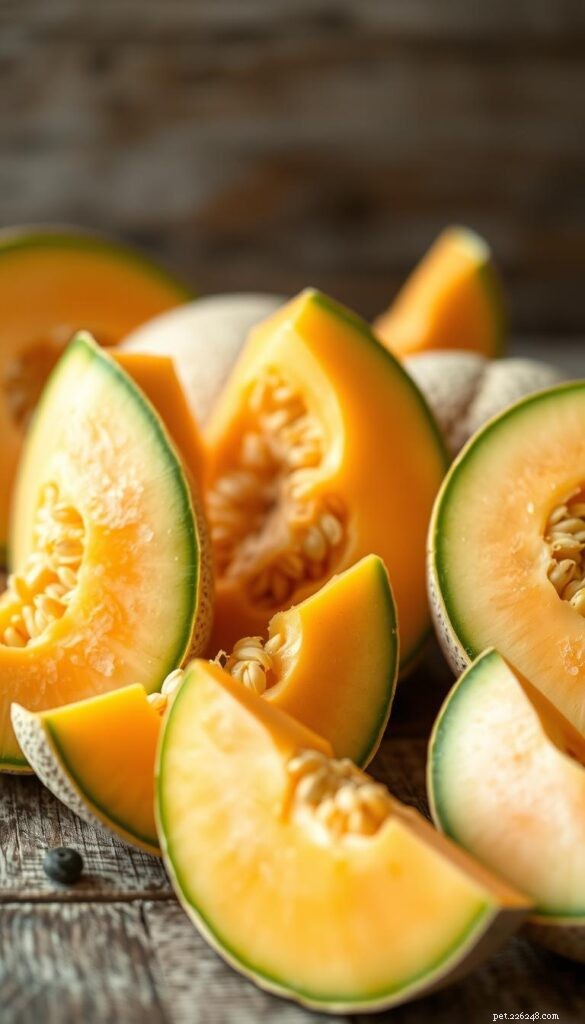
Cantaloupe offers a nutrient-dense treat when fed in moderation.
Vitamins and Hydration
100 g delivers 232 mg of vitamin A—critical for vision and immunity—and 90 % water content for hydration. Phytonutrients protect cells, while fiber aids digestion without excessive sugar.
| Fruit (100 g) | Vitamin A | Sugar | Key Benefit |
|---|---|---|---|
| Cantaloupe | 232 mg | 8 g | Hydration + Antioxidants |
| Grapes | 3 mg | 16 g | Quick Energy |
| Banana | 64 mg | 12 g | Potassium Source |
Because the overall diet remains hay-based, small portions of cantaloupe add variety without compromising nutrition.
Can Guinea Pigs Eat Cantaloupe Rinds?
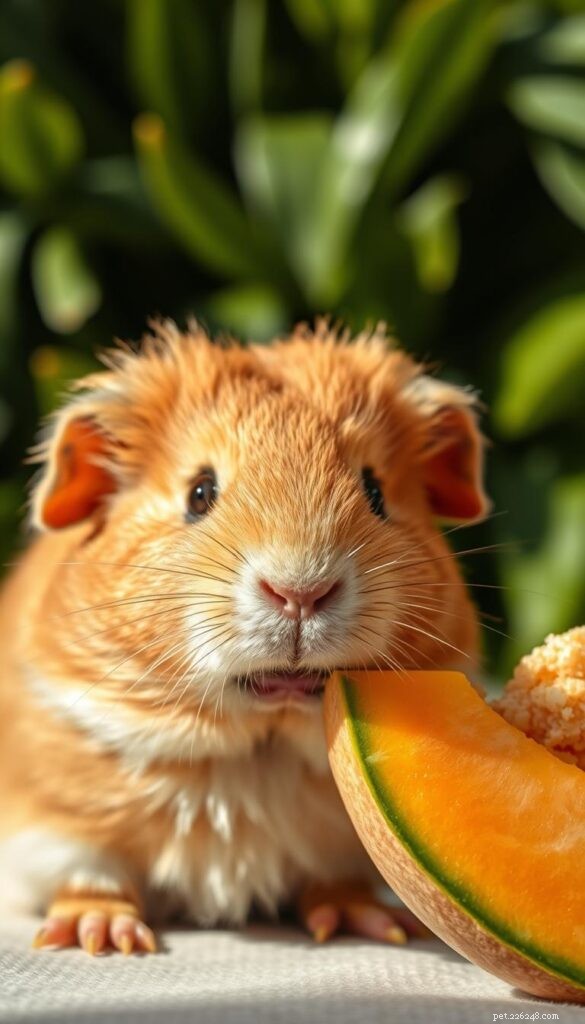
While the sweet flesh is generally safe, the rind poses risks if not prepared properly.
Safety Guidelines
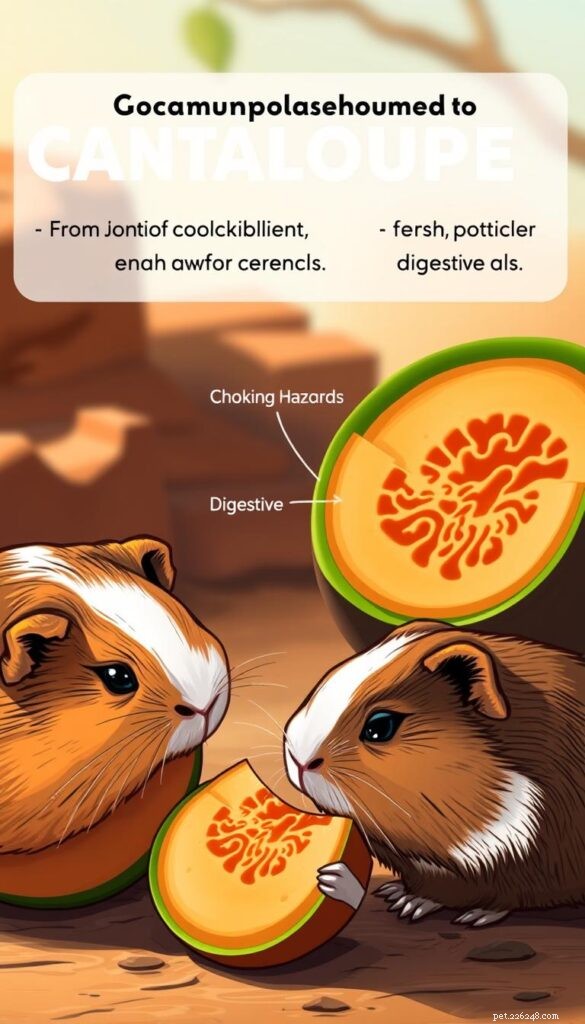
Always remove the tough outer skin and seeds. The rind’s fibrous texture can cause intestinal blockages; seeds are a choking hazard. Wash the fruit thoroughly to eliminate pesticide residues.
| Part of Cantaloupe | Safety Status | Key Reason | Preparation Tip |
|---|---|---|---|
| Inner Flesh | Safe | Easy to digest | Cut into ½″ cubes |
| Seeds | Unsafe | Choking hazard | Discard entirely |
| Outer Rind | Unsafe | Too fibrous | Peel completely |
Introduction Plan
Start with a pea-sized portion of the flesh and observe your pet for 24 hours. A simple routine works best:
- Day 1: Offer one tiny cube with breakfast
- Day 3: Provide two cubes if no digestive issues appear
- Day 5: Serve weekly as a special treat
Always pair new foods with their regular hay-based diet to keep meals balanced.
Calcium, Phosphorus, and Vitamin A in Cantaloupe
Key minerals:
| Nutrient | Content per 100 g | Daily Need* | Key Benefit |
|---|---|---|---|
| Calcium | 9 mg | 50 mg | Bone strength |
| Phosphorus | 15 mg | 30 mg | Energy metabolism |
| Vitamin A | 232 mg | 167 mg | Immune support |
*Based on 1 lb adult requirements. The calcium‑to‑phosphorus ratio (0.6:1) is lower than the ideal 1.33:1, so pair cantaloupe with calcium‑rich greens like kale to balance the diet.
Potential Downsides of Cantaloupe Treats
Overconsumption can lead to bloating, loose stools, or weight gain. With 8 g of sugar per 100 g, frequent servings may challenge a guinea pig’s limited sugar metabolism.
- Soft stools lasting >12 hours
- Reduced hay consumption
- Unusual lethargy after eating
Keep treat portions tiny—no more than a thumbnail—so they complement rather than replace core foods. Treats should never replace hay or fortified pellets.
Effective Feeding Guidelines and Portions
Safe treat strategy:
Recommended Serving Sizes and Frequency
One-inch cubed pieces no more than twice weekly—about the size of a dice—keep sugar under 5 % of the total diet. Serve at room temperature and remove uneaten pieces within 20 minutes.
- Start with a half cube to test tolerance
- Gradually increase to full portions over 2–3 weeks
- Pair with calcium‑rich greens on treat days
Balancing Cantaloupe with Other Fruits and Vegetables
Rotate between three to five safe options weekly to prevent boredom and ensure balanced vitamin intake.
Balancing Treats Within a Nutritious Diet
Combine sweet snacks with calcium‑rich vegetables to maintain proper nutrient ratios.
| Food Type | Key Nutrients | Serving Size | Frequency |
|---|---|---|---|
| Apples | Vitamin C | 1 thin slice | 2× weekly |
| Berries | Antioxidants | 2–3 pieces | 1× weekly |
| Parsley | Calcium | 3–4 sprigs | 3× weekly |
| Romaine | Vitamin K | ½ cup | Daily |
Introduce new items gradually:
- Week 1: Offer cantaloupe with familiar greens
- Week 2: Add one new vegetable every 4 days
- Week 3: Rotate fruits biweekly
Monitor droppings and appetite. Serve high‑water fruits on hot days and fiber‑rich veggies during cooler weather.
Veterinarian Insights and Current Research
Evidence-based practices are essential for long‑term health.
Expert Advice on Safe Feeding Practices
Over 87 % of veterinarians recommend Oxbow Essentials pellets for balanced nutrition, maintaining consistent vitamin C levels. Avoid generic brands that may lack precise nutrient profiles.
| Feeding Method | Veterinarian Rating | Key Reason | Frequency |
|---|---|---|---|
| Oxbow Hay | 5/5 | Dust‑free & nutrient‑rich | Unlimited |
| Vitamin C Tablets | 4.8/5 | Prevents deficiency | Daily |
| Water Additives | 2/5 | Rapid degradation | Not advised |
Current Nutritional Guidance
2024 research recommends that melon treats not exceed 5 % of weekly food intake. Watch for refusal to eat favorite foods, weight changes >10 %, or consistent soft stools—consult a vet if these occur.
Schedule annual check‑ups to review the diet. Proper care can help guinea pigs live beyond seven years—almost double the average lifespan of their wild counterparts.
Final Tips for a Healthy Guinea Pig Diet
Build a balanced diet: hay foundation, fresh greens daily, and treats like cantaloupe flesh only as a special bonus. Rotate greens, limit sugary snacks to twice weekly, and remove uneaten food promptly.
Remember: their wild diet was fibrous, not fruit‑heavy. Use melons primarily for hydration during warm weather and pair with calcium‑rich greens such as parsley.
Consistency matters most—keep feeding times regular and hay available nonstop. With thoughtful choices, your guinea pig will stay active, happy, and healthy.
Frequently Asked Questions
How much hay should my guinea pig eat daily?
Unlimited timothy hay should make up 80 % of their diet. Fresh greens like romaine lettuce or bell peppers supplement this, while hay keeps the digestive system healthy and teeth worn down.
What vitamins in cantaloupe benefit my pet?
Rich in vitamin A for vision and immunity, and vitamin C—which guinea pigs can’t produce naturally. Avoid overfeeding due to sugar content.
Are cantaloupe rinds safe for guinea pigs?
Not recommended. Even when washed, the rind’s fibrous texture can cause bloating or diarrhea. Stick to the flesh only.
How often can I offer cantaloupe as a treat?
Limit to 1–2 times weekly. A tablespoon‑sized portion is sufficient. Pair with low‑sugar veggies like zucchini or cucumber.
Does cantaloupe affect urinary health?
Its calcium‑to‑phosphorus ratio is safe in moderation. Excess calcium from foods like spinach paired with cantaloupe could raise bladder stone risks—consult your vet about portion control.
What fruits should I avoid feeding my guinea pig?
Skip high‑sugar or acidic options like grapes, citrus, or dried fruit. Stick to small portions of melons, apples (no seeds), or berries. Fresh grass and herbs are daily favorites.
Can I mix cantaloupe with other treats?
Yes—combine with leafy greens or crunchy veggies like celery. Rotate treats weekly to provide variety without disrupting gut health. Prioritize hay and fortified pellets.
What signs show my guinea pig dislikes cantaloupe?
They may ignore it or nibble lightly. If loose stools or reduced appetite appear, stop feeding it immediately and revert to familiar greens.
Do vets recommend cantaloupe for hydration?
Its high water content helps, but fresh water should always be available. Use cantaloupe as a supplemental hydrator during hot weather, not a replacement.
How do I prevent obesity when offering treats?
Measure portions carefully and avoid daily sugary snacks. Focus on low‑calorie veggies and limit fruit to 2–3 times weekly. Regular weigh‑ins help track health.
- Ultimate Guide to Durable Dog Toys for Heavy Chewers – Trusted, Long-Lasting, and Safe
- Is Your Cat Seeking Your Attention? Spotting Signs of Depression
- Bedlington Terrier Puppies: Growth, Care, and Family Companionship
- What Sugar Glider Barking Means: A Guide to Their Vocal Signals
- Essential Guide to Parakeet Breeding: Tips for Successful Rearing
- Protecting Your Dog from Lyme Disease: Prevention, Symptoms, and Treatment
- Giant Schnauzer: Comprehensive Guide to Breed Traits, Care, and Training