

What Do Baby Guinea Pigs Eat? A Complete Feeding Guide
Newborn guinea pigs surprise many owners with their remarkable independence. Unlike most rodents, these tiny mammals can chew solid food within hours of birth, thanks to a full coat, open eyes, and a set of functional incisors.
Milk remains essential for the first three weeks. Newborns weigh only 2.5–4 oz at birth and require frequent nursing sessions while gradually exploring solid foods. The mother’s milk delivers not only calories but also antibodies and growth factors that support immune development.
After the initial stage, the diet shifts to high‑fiber options that keep the digestive system healthy and the teeth worn down. Timothy hay is the cornerstone, providing the roughage needed for a developing gut. Offer it 24/7 in clean racks or on the floor.
Pair hay with these key growth boosters:
- Fortified pellets (1/8 cup daily) enriched with calcium
- Chopped leafy greens such as romaine or kale
- Bell pepper slices for a vitamin C boost
Fresh water is critical for young pups. Use shallow bowls or low‑hanging bottles they can reach easily, and change the liquid twice daily to avoid dehydration.
What Do Baby Guinea Pigs Eat? – The Essential Diet
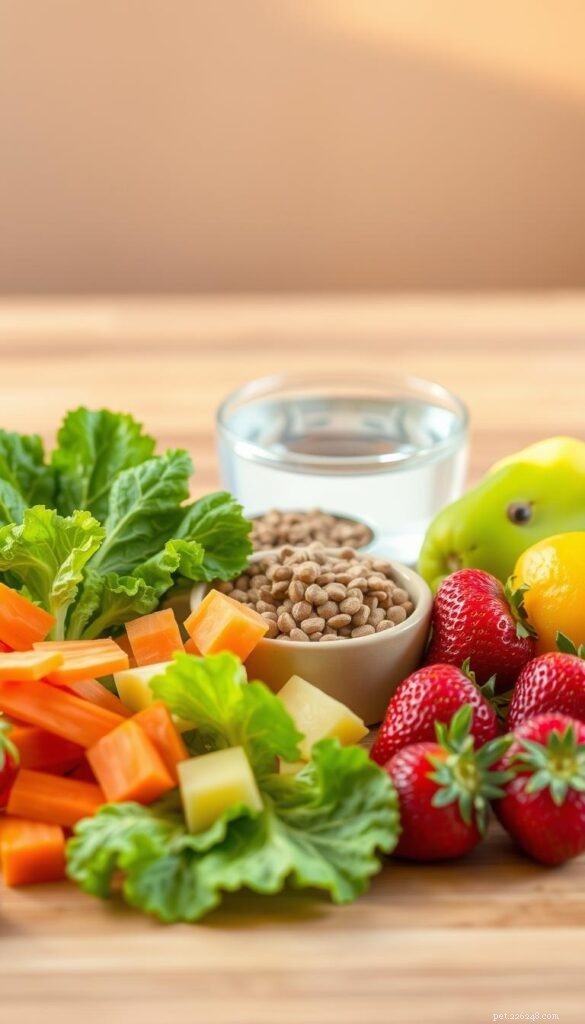
Newborns start nibbling almost immediately—teeth are functional within 2 hours. While nursing continues for three weeks, their menu expands to include the following:
- Timothy hay – the foundational fiber source
- Fortified pellets – 1/8 cup per day
- Leafy greens – romaine, kale, or mixed salads
- Bell pepper – high in vitamin C
Water access is essential; shallow bowls or low‑hanging bottles keep liquids within reach. Replace twice daily to counter rapid growth and prevent dehydration.
Wild guinea pigs exhibit natural feeding behaviors that can be mimicked at home. Offer food in multiple locations to encourage exploration, and rotate vegetable varieties weekly to broaden taste preferences.
Portion control is key: split meals into morning and evening servings using heavy ceramic dishes. This routine prevents overeating while supporting steady weight gain.
Understanding Baby Guinea Pig Development at Birth

New arrivals are fully furred, alert, and ready to interact with their surroundings. Their unique biology shapes both care routines and feeding strategies from day one.
Physical Characteristics of Newborn Piggies
At birth, a full coat, open eyes, and 20 sharp incisors allow immediate interaction and chewing of fibrous foods—a trait few animals share at this age.
| Litter Size | Average Weight | Key Milestone |
|---|---|---|
| 1‑2 pups | 100‑115 g | Faster growth rate |
| 3‑4 pups | 70‑90 g | Frequent nursing needed |
Size variations stem from litter numbers. Smaller groups often produce chunkier pups, while crowded litters yield lighter weights. Monitor growth weekly with a kitchen scale—healthy gains average 5‑7 g daily.
Early Dietary Implications
The full dental set changes feeding strategies. Solid food exploration begins within hours, but milk remains vital for the first three weeks. Offer bite‑sized greens and hay strands to support natural chewing instincts.
“Precocious teeth development allows immediate nibbling, but proper nutrition balance prevents digestive issues.”
Create a safe grazing environment with varied textures. Introduce new foods gradually, and tear leafy greens into dime‑sized pieces to match their small jaws.
The Role of Mother’s Milk and the Weaning Process
Maternal milk is the foundation for thriving young guinea pigs. It provides calories, antibodies, and essential fats that support growth and immune function.
Importance of Maternal Care
Keeping pups with their mother for at least three weeks supports immune development and social skills. Even when nibbling hay, they’ll still seek milk for essential nutrients.
Transitioning to Solid Foods
By week three, nursing decreases and enthusiasm for solids rises. Gradually increase veggie portions while monitoring weight daily. Use this checklist to track progress:
- Consistent 5‑10 g daily weight gain
- Active exploration of food dishes
- Reduced attempts to nurse
Separation becomes safe once pups reach 150 g, usually between 21‑28 days. Rushing this phase risks digestive trouble and stress‑related behaviors. Patience ensures better adaptation to adult diets and social structures.
“Forced early separation disrupts natural development. Let the mother guide the process through gradual disinterest in nursing.”
Nutritional Essentials for Your Little Piggies
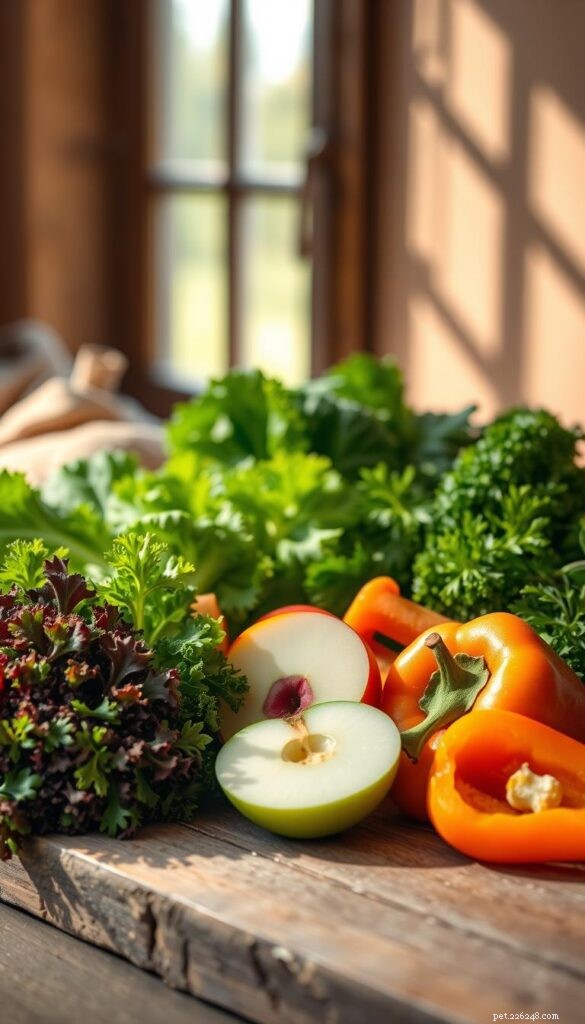
Proper nutrition fuels every wiggle and pop‑corning leap. Young guinea pigs require precise nutrient combinations to support rapid growth.
Calcium and Vitamin C Requirements
Guinea pigs cannot synthesize vitamin C and need daily intake from foods. Bell peppers and parsley supply 50% of their daily requirement in one slice.
Calcium is essential for bone strength but can cause bladder stones if excessive. Offer calcium‑rich kale or dandelion greens 3‑4 times weekly, balanced with low‑calcium veggies like cucumbers.
Maintaining a High‑Fiber Diet
Fiber keeps the digestive system functioning. Timothy hay should make up 80% of their intake, with fresh veggies adding variety. This roughage combination:
- Wears down constantly growing teeth
- Prevents dangerous gut slowdowns
- Supports healthy weight management
Introduce new fiber sources gradually. Sudden changes can upset sensitive stomachs. Rotate between herbs like cilantro and crunchy veggies like zucchini for texture variety.
“Balanced nutrition during early weeks sets the stage for lifelong health. Missing key nutrients now can lead to brittle bones or immune issues later.”
Track progress through bright eyes and steady weight gain. Pair quality pellets with fresh produce, and you’ll create a menu that supports every developmental milestone.
Feeding Schedule: Introducing Solid Foods with Care

Mealtime becomes an adventure from day one. Twice‑daily feedings—morning and evening—work best, regulating appetite and preventing digestive overload.
Choose heavy ceramic bowls that won’t tip during excited munching sessions. Start with tablespoon‑sized portions of leafy greens, increasing gradually as they approach three weeks old. Remove uneaten food before bedtime to prevent spoiled veggies from upsetting the stomach overnight.
- Rotate 2‑3 safe vegetables daily
- Mix familiar favorites with new options
- Chop ingredients into pea‑sized pieces
Introduce one new food every 3‑4 days, watching for soft stools or disinterest. This cautious approach helps identify preferences and sensitivities early.
“Consistent schedules teach pups when to expect meals, reducing stress and encouraging healthy eating habits.”
Track consumption patterns using a simple chart. Note which foods disappear fastest and adjust portions accordingly. Remember—these little ones eat like adults quickly, but portion sizes should match their palm‑sized bodies.
Setting Up a Safe and Stimulating Habitat for Baby Guinea Pigs

Creating the perfect home balances safety with exploration opportunities. The Humane Society recommends a minimum of 7.5 sq ft of space for active pups. While adult‑size cages are cost‑effective long‑term, use temporary mesh barriers to block escape routes through standard bar spacing.
Choosing the Right Cage and Bedding
Opt for deep‑bottom trays that prevent pups from squeezing through gaps. Paper‑based bedding is best—soft on paws and excellent at odor absorption. Avoid cedar shavings; their strong scent can irritate developing respiratory systems.
Maintaining Cleanliness and Toileting Tips
Young guinea pigs require spot‑cleaning twice daily and full bedding changes weekly. If separated from their mother, gently wipe the lower body with a warm damp cloth to stimulate elimination. Position water bottles low enough for easy access—nipple height should match their shoulder level when standing.
“Proper habitat setup from day one reduces stress and supports healthy development,” notes a veterinary technician specializing in small pets.
Rotate toys weekly to keep curious minds engaged. Include hideouts and chewable items to satisfy natural instincts. For those planning their first guinea pig setup, remember that safety upgrades during the baby phase create lifelong benefits.
The Vital Role of Hay in Guinea Pig Diets
Chewing isn’t just a pastime—it’s a biological necessity. Hay serves as a natural toothbrush and digestive aid, making it non‑negotiable in daily meals.
Grass vs Legume: Know Your Hay
Grass hays like timothy form the base diet for adult cavies, offering balanced fiber without excess calcium. Youngsters and nursing mothers thrive on legume varieties—alfalfa’s protein boost supports rapid growth. Rotate types seasonally for nutritional variety.
Unlimited access prevents hunger and dental disasters. Constant chewing keeps teeth worn down and prevents overgrowth.
Quality matters as much as quantity. Choose green, fragrant bales free from dust or mold. Store in breathable containers to maintain freshness. Mix textures—some long strands for chewing, softer pieces for nibbling—to keep mealtime engaging.
Remember: 75% of their diet should be hay from weaning through adulthood. Pair with vitamin‑rich veggies and fortified pellets for complete nutrition. Your cavy’s bright eyes and steady weight will prove this roughage works wonders.
FAQ
How important is mother’s milk for newborn guinea pigs?
Mother’s milk is crucial for the first few days of life. It provides antibodies, nutrients, and hydration to help piggies build immunity and grow strong. Without it, they’ll need a vet‑approved milk replacement to survive.
When can baby guinea pigs start eating solid foods?
They begin nibbling on hay and pellets as early as two days old, but rely mostly on milk until 3–4 weeks. Introduce fresh veggies like romaine lettuce or bell peppers gradually after weaning to avoid digestive issues.
What type of hay is best for young guinea pigs?
Timothy hay is ideal for daily use due to its balanced fiber and calcium content. Alfalfa hay, higher in calcium and protein, can be offered in small amounts to support growth but should be phased out as they mature.
How do I ensure my baby guinea pig gets enough vitamin C?
Offer vitamin C‑rich foods like kale, parsley, or bell peppers daily. Avoid supplements unless recommended by a vet. Fresh veggies should make up 10–15% of their diet once they’re weaned.
How often should I feed my baby guinea pig?
Provide unlimited hay 24/7, along with a daily mix of pellets and fresh veggies. Younger piggies may eat smaller portions more frequently, so monitor their intake to ensure they’re thriving.
Can baby guinea pigs eat the same foods as adults?
Yes, but in smaller, bite‑sized pieces. Avoid sugary fruits or high‑calcium veggies like spinach until they’re older. Focus on gentle, fiber‑rich options to support their developing digestive systems.
What cage setup is safest for baby guinea pigs?
Choose a spacious, well‑ventilated cage with paper‑based bedding to prevent respiratory issues. Include hideouts and chew toys to reduce stress and keep their ever‑growing teeth trimmed.
How do I transition my guinea pig from milk to solid foods?
Start by offering small amounts of hay and pellets alongside nursing. Slowly introduce chopped veggies after 3 weeks, ensuring they’re fresh and pesticide‑free. Always provide clean water in a shallow bowl.
- Train Your Dog to Greet Guests Calmly and Courteously
- 3 Expert Ways to Keep Your Cat’s Paws Healthy and Pain-Free
- Are Hotdogs Safe for Dogs? Key Guidelines You Need to Follow
- Supporting Cats Through Grief: How to Help Your Feline Cope After Pet Loss
- Beefy Dog Treat Biscuits: Homemade Recipe for Healthy Pups
- 20 Adorable Animals Guaranteed to Brighten Your Day
- Selecting the Ideal Diet Plan for Your Pets: A Comprehensive Guide