

Are Mustard Greens Safe for Guinea Pigs? A Vet‑Approved Guide
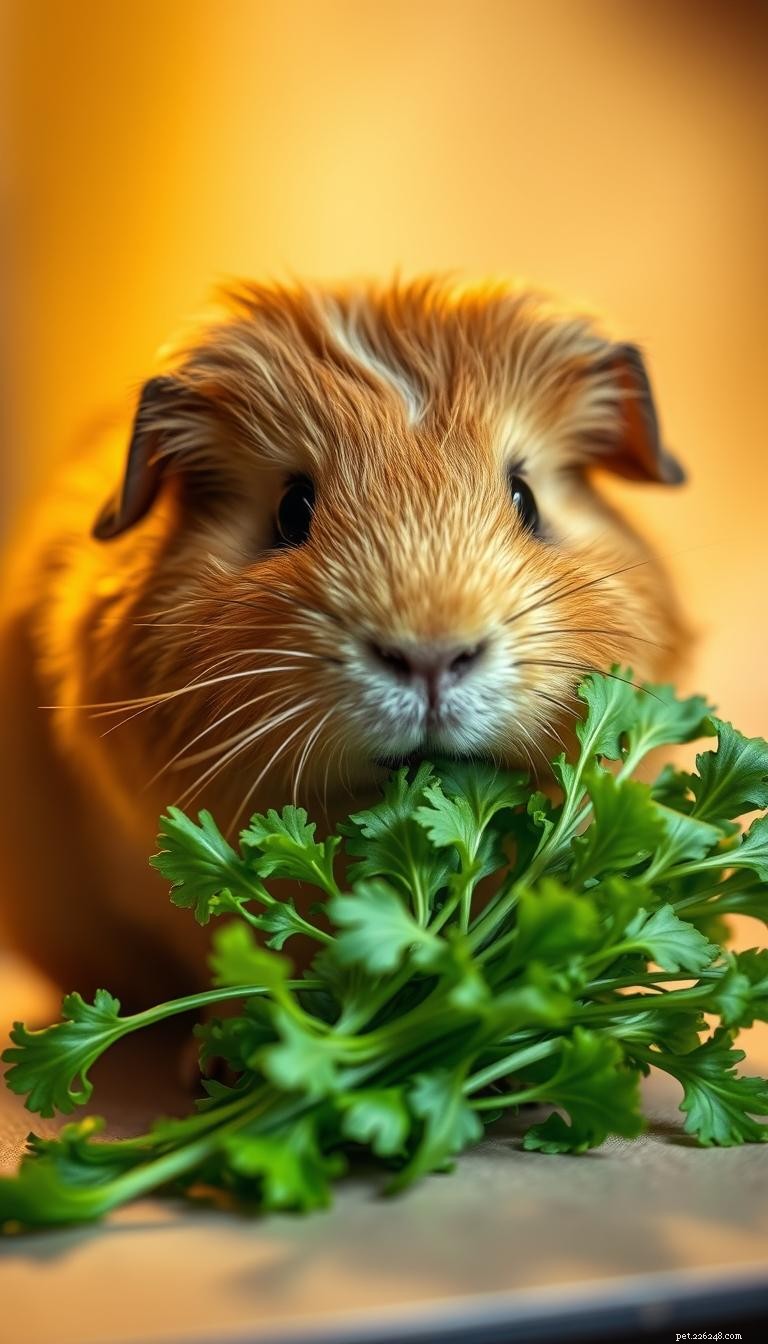
When you’re looking to diversify your guinea pig’s diet, leafy greens are a natural first choice. However, not every green is suitable for these delicate herbivores. This guide provides evidence‑based recommendations on whether mustard greens can be included safely in your pet’s meals.
Nutritionists and veterinarians agree that a handful of peppery leaves can fit into a balanced menu when given in the right amounts. Still, opinions differ on how often they should appear, so understanding portion size and preparation is essential to keep your guinea pig healthy.
While some animals may shy away from the spicy flavor, mustard greens deliver a rich vitamin profile that can support immune function. We’ll break down the key facts so you can confidently decide how to integrate them into your pet’s routine.
Follow our step‑by‑step instructions for safe introduction, portion control, and monitoring for adverse reactions—all while maintaining nutritional balance.
Building a Balanced Guinea Pig Diet
A healthy meal plan for guinea pigs hinges on three pillars: roughage, nutrients, and variety. Their sensitive digestive systems and continuously growing teeth require consistent feeding patterns that encourage chewing and gut motility.
Daily Essentials for Optimal Health
Timothy hay should make up about 80 % of a guinea pig’s daily intake. This fibrous staple promotes digestive health and naturally trims teeth. Complement it with fresh vegetables and fortified pellets for a complete diet.
Below is a simple daily feeding schedule for adult guinea pigs:
| Food Type | Daily Amount | Feeding Tips |
|---|---|---|
| Timothy Hay | Unlimited | Refresh twice daily |
| Pellets | 2 tablespoons | Choose vitamin C‑fortified |
| Vegetables | 1‑1.5 cups | Rotate 3‑5 varieties |
Timing and Measurement Matters
Divide vegetable portions into a morning and an evening meal. This practice prevents overeating and mimics natural foraging. Remove any uneaten fresh food within four hours to avoid spoilage.
Adjust portions for age, weight, and season. Guinea pigs younger than six months need alfalfa‑based pellets for extra calcium. Ensure continuous hay access and change water twice daily for peak health.
Can Guinea Pigs Eat Mustard Greens?
Adding new greens to a guinea pig’s diet requires careful planning. Mustard greens, with their peppery flavor, can be included but must be offered sparingly.
Safety Considerations
These leaves are safe when given in moderation. Veterinary sources differ on frequency: some recommend 2‑4 servings weekly, others limit to once per week. The table below summarizes the guidance:
| Source | Frequency | Serving Size |
|---|---|---|
| Pet Nutrition Guide A | 2‑4 times weekly | 1‑2 leaves |
| Veterinary Handbook B | Once weekly max | 1 leaf |
Mustard greens contain oxalates, which, if overfed, can contribute to bladder issues. Pair them with low‑oxalate veggies such as bell peppers to balance intake.
Nutritional Benefits and Potential Drawbacks
Rich in vitamin C and K, these greens support immune function and blood clotting. Their fiber content aids digestion, but the calcium ratio requires attention; excess calcium can lead to urinary stones in sensitive animals.
Start with a thumbnail‑sized portion to gauge tolerance. Monitor for softer stools or decreased appetite—signals to reduce quantity. Rotate with safer daily options like cilantro or cucumber for balanced nutrition.
Nutrition Profile of Mustard Greens
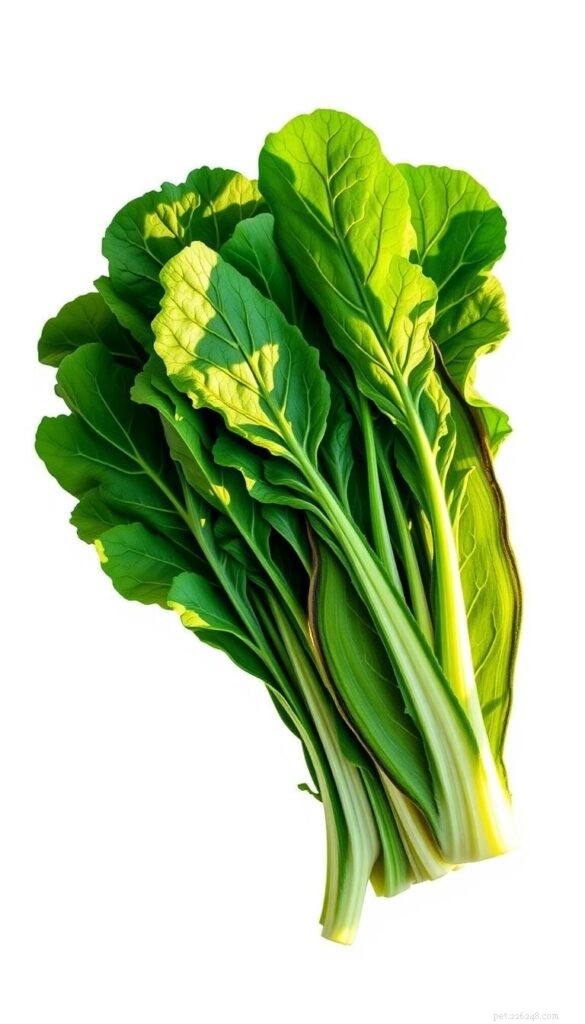
Understanding the micronutrient content helps optimize feeding. One cup of chopped leaves delivers about 70 % of a guinea pig’s daily vitamin C requirement.
Key Vitamins and Minerals
Besides vitamin C, mustard greens provide vitamin K, vitamin A, calcium, and magnesium. The balanced calcium‑phosphorus ratio, when paired with low‑mineral greens, keeps urinary health in check.
Comparison with common veggies:
| Vegetable | Vitamin C (mg) | Calcium (mg) |
|---|---|---|
| Mustard Greens | 39 | 52 |
| Bell Pepper | 95 | 10 |
How They Enhance Meals
The blend of fiber and antioxidants promotes gut health and disease resistance. When rotated with low‑calcium options, mustard greens can contribute to a well‑rounded diet.
Pairing them with vitamin C‑rich peppers creates a synergistic effect, helping meet daily requirements while adding texture variety. Always keep portions controlled to maintain nutritional harmony.
Safe and Unsafe Vegetables for Guinea Pigs
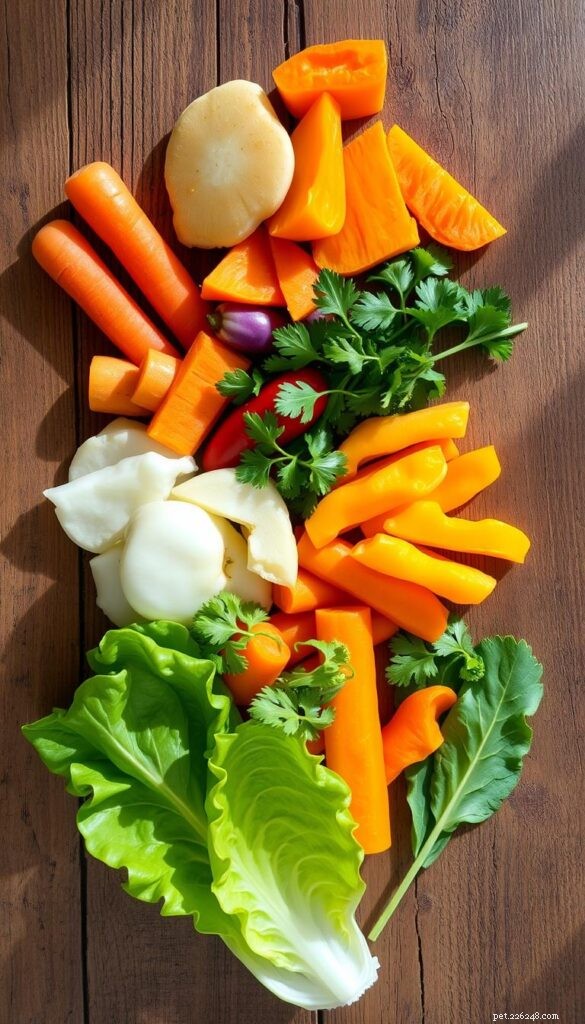
Crafting a nutritious menu begins with knowing which vegetables are safe. Leafy greens are the cornerstone of fresh food, offering essential nutrients without overwhelming sensitive systems.
Leafy Greens as Daily Staples
Romaine lettuce tops the list of daily staples. It delivers hydration and fiber with low oxalate levels. Pair it with green or red leaf varieties for a varied base.
“Leafy greens should make up 75 % of fresh vegetable intake—nature’s multivitamin for small herbivores.”
Use the table below to balance your pet’s plate:
| Daily Staples | Occasional Treats | Avoid Completely |
|---|---|---|
| Romaine lettuce | Kale (2× weekly) | Iceberg lettuce |
| Butter lettuce | Spinach (1× weekly) | Potato leaves |
Introduce new foods gradually to prevent upset stomach. Rotate 3‑5 approved greens weekly to keep interest high and nutrients balanced.
Potential Health Risks with Mustard Greens
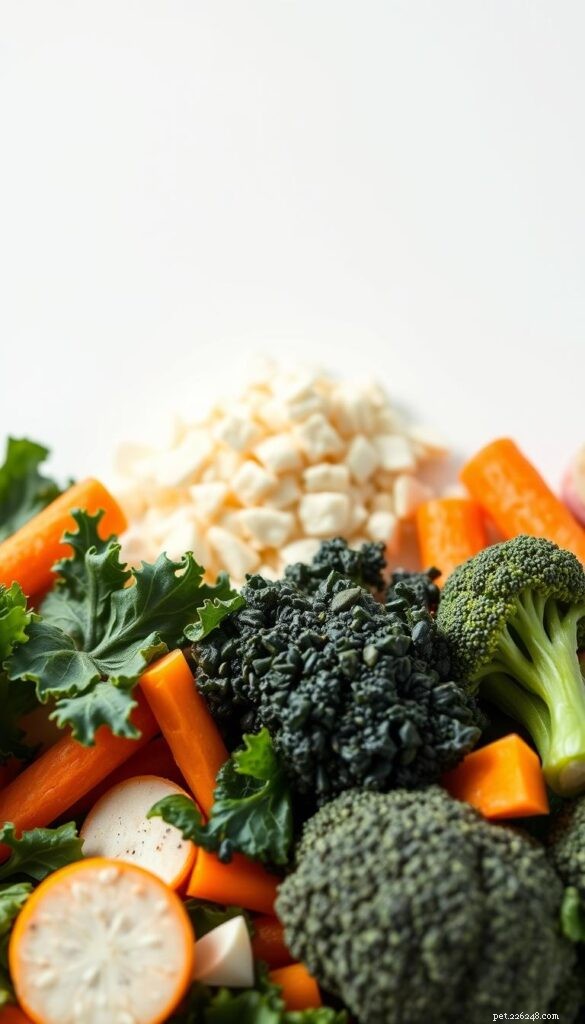
Balancing minerals is critical. While calcium is essential, it can form bladder stones when combined with high‑oxalate foods. Moderation is key.
Calcium: Friend or Foe?
Calcium supports bone health and nerve function, but excess can lead to stones. Compare calcium levels:
| Vegetable | Calcium (per cup) | Feeding Frequency |
|---|---|---|
| Mustard Greens | 52 mg | Weekly |
| Basil | 56 mg | 3× weekly |
| Bell Pepper | 10 mg | Daily |
Spotting Digestive Distress
Watch for:
- Reduced appetite >12 hours
- Unusual stool consistency
- Audible stomach gurgling
Rotate high‑calcium greens with safer options like basil or cucumber. If symptoms persist >24 hours, consult a vet.
Regular weight checks help track health trends. Pair weekly veggie rotation with careful monitoring to prevent mineral overload.
How Mustard Greens Compare to Other Leafy Greens
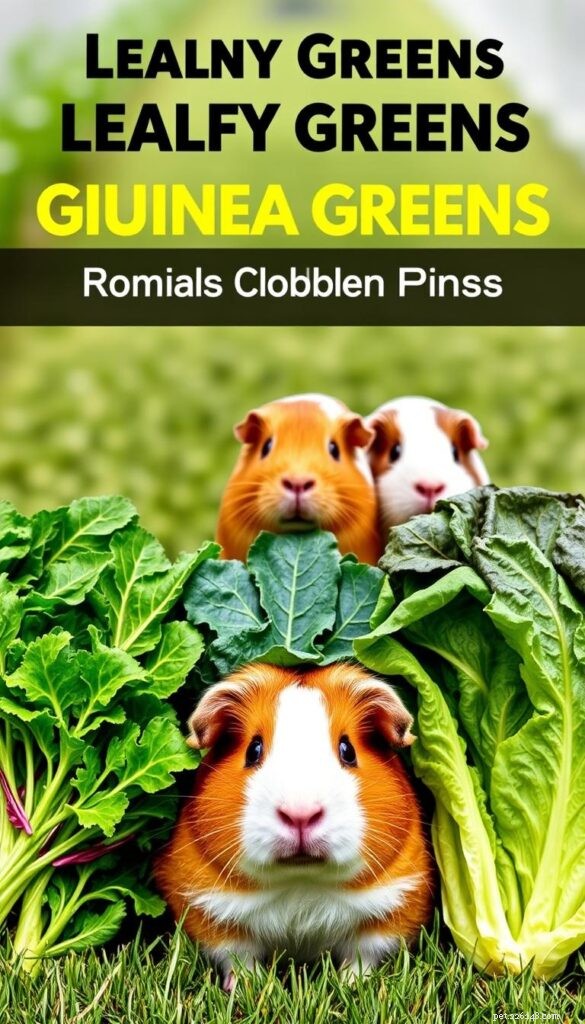
Understanding each green’s nutritional profile helps you design a balanced menu. Below is a quick comparison:
| Vegetable | Feeding Frequency | Key Consideration |
|---|---|---|
| Romaine Lettuce | Daily | Low oxalate |
| Mustard Greens | 2‑4 times weekly | Moderate calcium |
| Kale | Once weekly | High calcium density |
Mustard greens deliver 39 mg of vitamin C per cup—nearly double romaine’s content. Pair them with low‑mineral veggies like zucchini to balance calcium.
Three factors determine feeding frequency:
- Calcium‑to‑phosphorus balance
- Oxalate concentrations
- Fiber content
“Rotate four different greens weekly to prevent nutrient overload while keeping meals exciting.”
Sample rotation:
- Monday: Romaine + bell pepper
- Wednesday: Mustard greens + cucumber
- Friday: Butter lettuce + carrot tops
Adjust portions based on your guinea pig’s preference and activity level.
Incorporating Mustard Greens into a Varied Diet
Use the 1‑1.5 cup daily vegetable allotment and split it between morning and evening meals. This practice maintains freshness and encourages natural foraging.
Creating a Tasty Salad Mix
Blend peppery leaves with milder greens for flavor balance. A nutrient‑packed mix:
| Base Greens (70 %) | Accent Veggies (25 %) | Herbs (5 %) |
|---|---|---|
| Romaine lettuce | Bell pepper slices | Cilantro |
| Butter lettuce | Zucchini ribbons | Basil |
Limit zesty leaves to 1‑2 small pieces weekly. Rotate combinations every 3 days for variety.
Smart Vegetable Combinations
Wash all produce thoroughly and pat dry before serving. Pair calcium‑rich options with low‑mineral veggies like cucumber. Store prepared ingredients in airtight containers for up to three days.
“Variety prevents nutritional gaps—think of each meal as a colorful nutrient puzzle.”
Observe feeding reactions; some guinea pigs may initially avoid spicy leaves but may adapt over 7‑10 days.
Vet Recommendations and Expert Insights
Regular check‑ups catch minor issues before they become serious. Consult a vet‑approved nutrition plan tailored to your pet’s specific needs.
When to Seek Professional Advice
Any time your guinea pig stops eating hay or shows reduced excitement at mealtimes, contact a vet immediately—these can signal urgent health concerns. Schedule consultations before major menu changes to avoid digestive upset.
Many clinics now offer online “talk with a vet” services for quick dietary questions. Keep a food journal to track reactions; this makes vet discussions more focused.
Partner with an exotic animal specialist who understands species‑specific needs. Proactive care beats emergency visits every time.
FAQ
What should a balanced diet include for optimal health?
Unlimited timothy hay, high‑quality pellet food, and 1‑1.5 cups of fresh veggies daily. Leafy greens like romaine lettuce or bell peppers add variety while delivering essential nutrients.
Are mustard greens safe to offer regularly?
Yes, but only in moderation. Their high vitamin C and fiber support immunity and gut health, while the calcium content requires careful portioning to avoid bladder stones. Introduce them slowly to prevent bloating.
What vitamins make mustard greens a good choice?
They contain vitamin K for blood clotting, vitamin A for vision, antioxidants such as beta‑carotene, and a high vitamin C content valuable because guinea pigs cannot produce it.
Which veggies are safest for daily feeding?
Low‑calcium options like cilantro, cucumber, or zucchini are ideal. Rotate leafy varieties such as red leaf lettuce or dandelion greens to ensure nutrient diversity without mineral overload.
Can too many mustard greens cause health issues?
Overfeeding can lead to gas or urinary problems due to oxalates and calcium. Limit to 1–2 small leaves twice weekly, pairing with low‑calcium veggies like bell peppers.
How do mustard greens compare to kale or spinach?
They contain fewer oxalates than spinach but more calcium than kale. While nutritious, they should supplement rather than replace staples like romaine lettuce.
What’s the best way to serve these greens?
Mix chopped leaves with other safe veggies like parsley or celery. A tablespoon‑sized portion per meal is ideal. Avoid pairing with high‑sugar fruits to maintain balanced nutrition.
Should I consult a vet before changing meals?
Absolutely! Discuss new foods with an exotic animal veterinarian, especially if your guinea pig has a history of bladder stones or digestive sensitivity. Tailored advice ensures a safe transition.
- Cat Lifespan: Average, Maximum, and Factors Influencing Longevity
- Kitten Watch: Kittens Begin Weaning and Show Emerging Personalities
- Old English Sheepdog: Complete Guide to Breed Traits, Health & Care
- Is Cauliflower Safe for Dogs to Taste and Eat?
- Why I Choose to Be Open About Medicating Dogs with Anxiety
- 15 Brown & White Dog Breeds You’ll Love – With Photos
- Do Dogs Detect Cockroaches? How Their Senses Spot These Insects