

Collard Greens for Guinea Pigs: Safe, Nutritious, and How to Feed Them
Guinea pigs thrive on a diet rich in fresh vegetables, but not every green is equally safe. Collard greens are a popular choice, offering vitamins while requiring careful preparation to avoid digestive or urinary issues.
Understanding Your Guinea Pig’s Basic Diet
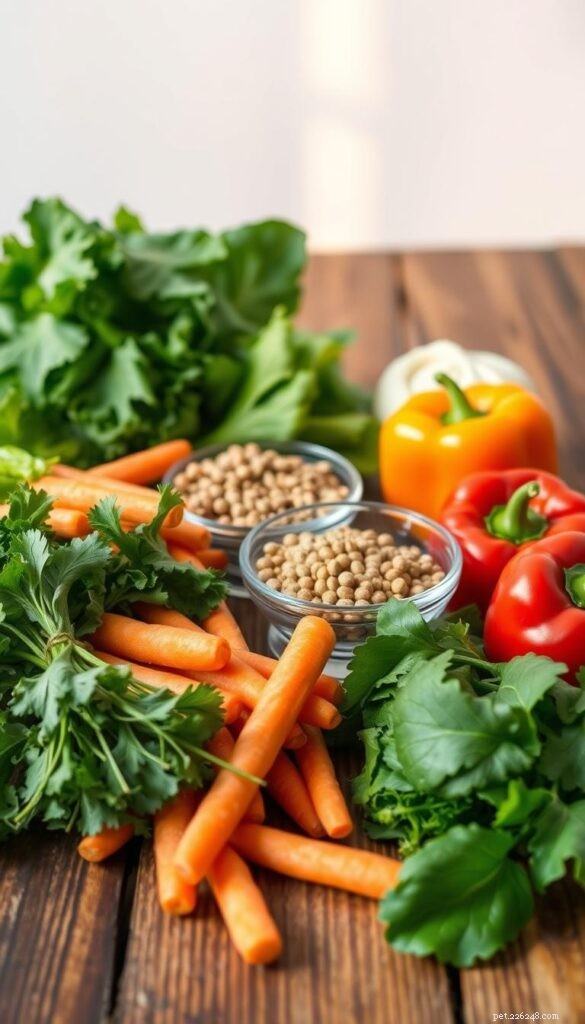
A healthy meal plan starts with a clear view of what fuels your pet. Their bodies need a balanced mix of foods to maintain energy, dental health, and overall well‑being.
The Importance of Grass Hay
Timothy or orchard grass hay should be available 24/7. It supplies 75‑80% of their daily intake, provides the fiber needed for a healthy gut, and naturally wears down ever‑growing teeth. Avoid alfalfa hay for adults—its high calcium content is only suitable for growing or pregnant guinea pigs.
Balancing Vegetables, Pellets, and Vitamin C
Pair hay with 1–2 tablespoons of fortified pellets each day. Choose brands formulated specifically for guinea pigs, steering clear of blends that contain seeds or dried fruit. Fresh vegetables contribute essential nutrients—aim for ½ to 1 cup daily, rotating between 2–3 types such as bell peppers or leafy greens.
Because guinea pigs cannot synthesize vitamin C, include fresh sources daily: a quarter orange slice or vitamin‑enriched pellets help prevent deficiency. Always provide clean, chew‑proof water and check it twice a day for leaks or blockages.
The Nutritional Benefits of Collard Greens for Your Guinea Pig
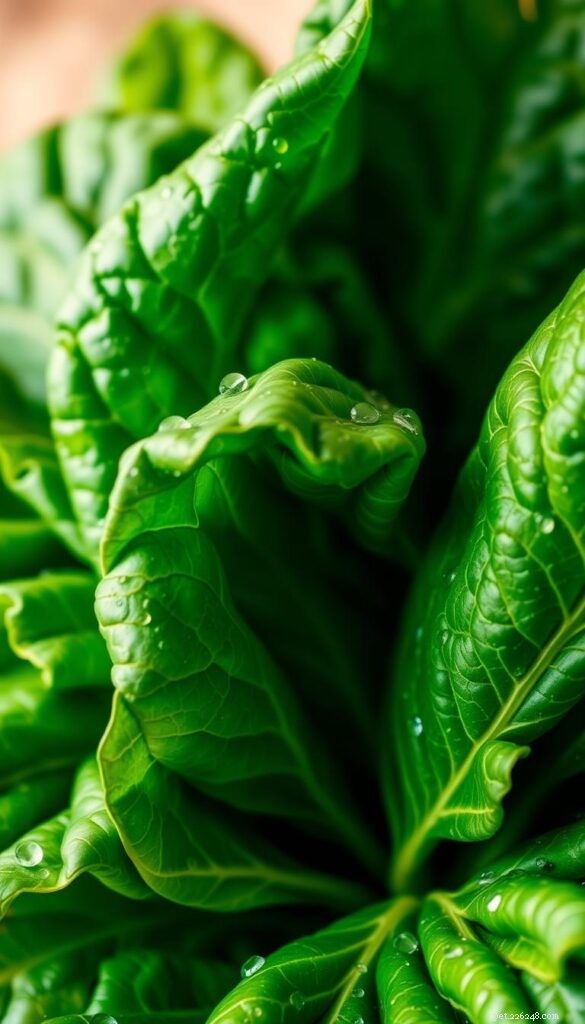
When selected wisely, leafy greens can enhance your pet’s nutrition. Collard greens are especially valuable for their vitamin content, but they also contain oxalates that necessitate moderation.
Rich Vitamins and Minerals
Vitamin C is the standout nutrient in collard greens. A single cup delivers over half the daily requirement, supporting immunity and tissue repair. Pair these leaves with bell peppers for an extra nutritional boost.
Vitamin A supports vision and skin health, while vitamin K aids blood clotting. Calcium strengthens bones but should be limited in adults to prevent urinary concerns. Rotate with lower‑calcium options like romaine lettuce to keep balance.
Fiber keeps the digestive system moving smoothly, mirroring the benefits of their hay‑based diet. However, oxalates mean portion control matters—offer small amounts twice a week alongside other cruciferous varieties to reduce gas risks.
Combine collard leaves with herbs such as cilantro or basil for varied flavors and textures. Observe changes in droppings or energy levels; these signals guide ideal serving sizes.
Can Guinea Pigs Eat Collard Greens?
Introducing new veggies requires an understanding of both benefits and risks. Collard greens provide vitamin C and fiber but contain oxalates that can accumulate. Veterinarians recommend moderation: overfeeding may lead to bladder stones or digestive discomfort.
Begin with a thumbnail‑sized portion twice weekly. Watch for behavioral changes or altered droppings. Some guinea pigs are hesitant about bitter flavors; others nibble cautiously. “Oxalates accumulate over time,” notes Dr. Emily Sanders, small‑animal nutritionist.
Rotate high‑oxalate veggies with safer options to protect urinary health.
| Vegetable | Oxalates | Vitamin C | Serving Frequency |
|---|---|---|---|
| Collard Greens | High | 35mg/cup | 2x weekly |
| Romaine Lettuce | Low | 4mg/cup | Daily |
| Bell Peppers | Moderate | 190mg/cup | 4x weekly |
Gas‑prone pets need extra care. Pair small portions with digestive aids like cilantro. If your guinea pig shows belly tenderness or a reduced appetite, pause feedings. Remember:
- Wash leaves thoroughly to remove pesticides
- Remove tough stems to prevent choking
- Mix with favorite veggies for better acceptance
Rotation remains key—swap collard greens with dandelion greens or spinach weekly. This approach maintains variety while managing mineral intake. Always consult your vet before major diet changes.
How to Safely Introduce Collard Greens and Other Vegetables
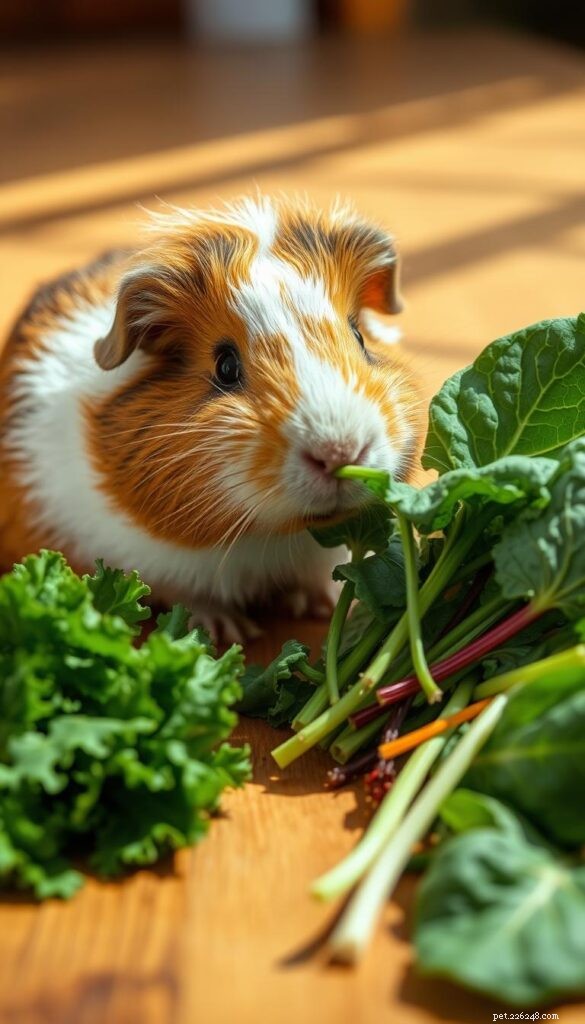
Expanding your pet’s menu requires strategy to prevent digestive surprises. Start with thumbnail‑sized portions of one new vegetable every 3–4 days—this spacing helps identify specific reactions. Patience is your greatest tool when introducing bitter greens or unfamiliar textures.
Steps for Gradual Introduction
Wash leaves thoroughly and remove stems before offering a nickel‑sized piece. Mix it with familiar favorites like green beans or bell peppers to encourage tasting. Wait 48 hours before repeating servings, allowing their system to process the new food.
Monitoring Your Pet’s Reaction
Watch for these signs during trial periods:
- Loose stools or diarrhea within 12 hours
- Reduced interest in eating
- Unusual lethargy or hunching
“Diarrhea often signals immediate intolerance,” explains exotic veterinarian Dr. Lisa Morrison. Keep a food journal noting portion sizes and reactions—this helps spot patterns over time.
If symptoms appear, pause new vegetables and consult your vet. Successful introductions allow gradual portion increases over 2–3 weeks. Remove uneaten food within four hours to maintain freshness and prevent bacterial growth.
Creating a Balanced Guinea Pig Diet
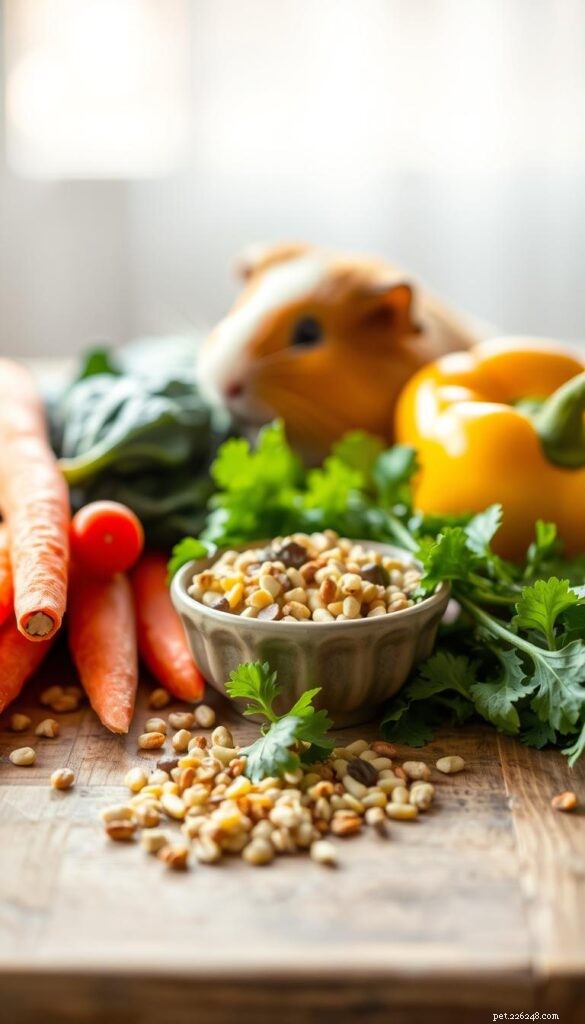
Building a nutritious meal plan requires thoughtful combinations of essential food groups. Fresh hay remains the cornerstone, while vegetables, pellets, and occasional treats each play specific roles.
Mixing Vegetables, Fruits, and Pellets Thoughtfully
Grass hay should fill 80% of your pet’s daily intake, supporting digestion and dental health. Pair this with ½–1 cup of mixed veggies daily, rotating varieties like romaine lettuce and bell peppers. This rotation prevents boredom and ensures diverse nutrient intake.
Limit pellets to 1–2 tablespoons daily, choosing top pellet brands fortified with vitamin C. Treat fruits like apples or blueberries as rare rewards—offer thumbnail‑sized pieces twice weekly at most.
| Food Group | Daily Amount | Key Benefits | Examples |
|---|---|---|---|
| Hay | Unlimited | Digestive health | Timothy, orchard grass |
| Vegetables | ½–1 cup | Vitamin variety | Bell peppers, zucchini |
| Pellets | 1–2 tbsp | Concentrated nutrients | Fortified blends |
“A hay‑first approach prevents obesity and supports natural foraging behaviors,” advises a veterinary nutritionist.
Monitor weight weekly using a kitchen scale. Adjust portions if your pet gains or loses more than 10% of their body weight. Always consult daily dietary requirements guides when introducing new foods. This balanced approach helps maintain energy levels and prevents common health issues.
Avoiding Common Feeding Mistakes

Feeding your furry companion demands awareness of hidden dangers. Many owners inadvertently harm their pets by offering treats or portions that seem harmless but carry serious risks.
Recognizing Overfeeding and Unfamiliar Foods
Overenthusiastic veggie servings often backfire, especially with calcium‑rich greens. Stick to thumbnail‑sized portions of high‑oxalate foods twice weekly. Watch for soft stools or reduced hay consumption—these signal it’s time to cut back.
Never share these items:
- Nuts/seeds (choking hazards)
- Yogurt drops (excess sugar)
- Rabbit pellets (wrong nutrients)
- Garlic/onions (toxic)
Exotic veterinarian Dr. Rachel Torres warns: “Human snacks disrupt gut bacteria. Stick to species‑specific diets.” Even safe veggies like celery need proper prep—remove strings and chop finely.
| Safe Practice | Risk | Solution |
|---|---|---|
| Washed veggies | Pesticide exposure | Rinse 30 seconds |
| Single new food | Unknown allergies | 3‑day trials |
| Fresh herbs | Selective eating | Mix with hay |
Rotate produce weekly to prevent fixation on specific flavors. Always discard uneaten food within four hours—spoiled items can trigger digestive emergencies. Your vigilance ensures meals remain both enjoyable and safe.
Enhancing Meal Variety for Optimal Health
A colorful mix of veggies keeps meals exciting and nutritionally balanced. Rotating leafy options prevents selective eating while delivering diverse vitamins and minerals. Diversity in their bowl supports both physical health and mental engagement.
Leafy Options Compared
Romaine lettuce works well as a daily base due to its mild taste and low oxalate levels. Parsley packs a vitamin C punch but should be offered sparingly to avoid calcium buildup. Dandelion greens add bitter variety while aiding digestion.
For pets who enjoy bold flavors, cilantro or clover leaves offer fresh alternatives. Leaf lettuce provides hydration without overwhelming their system. Always pair these greens with crunchy vegetables like bell peppers for texture contrast.
Track which options your companion prefers through gradual testing. This approach ensures balanced nutrition without fixating on one flavor. Remember: moderation and rotation remain key to long‑term wellness.
FAQ
What should form the base of my pet’s daily meals?
Grass hay like timothy or orchard should make up 80% of their diet. It supports digestion, wears down teeth, and keeps them healthy. Pair with fresh veggies and vitamin C‑rich pellets.
Are collard greens a safe choice for my furry friend?
Yes! These leafy greens are vet‑approved in small amounts. They’re packed with nutrients but high in calcium, so limit servings to 1–2 times weekly to avoid bladder issues.
How do I add new veggies like collard greens to their diet?
Start with a thumbnail‑sized piece once a week. Gradually increase if no diarrhea or bloating occurs. Always wash greens thoroughly and remove stems to reduce choking risks.
What vitamins do collard greens provide?
They’re loaded with vitamin C (crucial for immunity), vitamin K, and calcium. Balance them with low‑calcium veggies like bell peppers to prevent urinary problems.
Can overfeeding greens harm my pet?
Absolutely. Too much calcium from collards may lead to bladder stones. Stick to a cup of mixed veggies daily and rotate leafy options like romaine or cilantro for variety.
What signs suggest a bad reaction to new foods?
Watch for loose stools, gas, or refusing meals. If symptoms last over 24 hours, contact your vet. Keep a food log to track what works best for their sensitive stomach.
How do collard greens compare to spinach or kale?
All three are nutritious, but collards have moderate calcium levels. Kale is higher in oxalates, while spinach offers more iron. Rotate these greens to maximize benefits without overdoing any single nutrient.
Should I remove stems before feeding collard greens?
Yes. Stems are tough and hard to digest. Offer only the tender leaves, chopped into bite‑size pieces, to prevent choking and ensure easy eating.
- Effective Strategies to Calm a Hyperactive Dog
- Do Dogs Recognize Human Faces?
- Why Does My Cat Sit on My Keyboard? Vet Explains the Curious Behavior
- Optimal Nutrition for Your Rottweiler Puppy: A Comprehensive Feeding Guide
- Von Willebrand Disease in Dogs: Signs, Types & Effective Treatments
- Essential Puppy Vaccinations: How Many Shots Are Needed?
- Mooshu: The Ragdoll Cat Who Became a Family Treasure