

Are Clover Flowers Safe for Guinea Pigs? Expert Feeding Guide
Many guinea‑pig owners spot clover in their gardens and wonder whether the bright blossoms are a safe snack for their small herbivores. This guide offers evidence‑based advice from veterinarians and seasoned caretakers to help you decide if clover flowers can enrich your pet’s diet.
Clover’s tender leaves and delicate blooms are often prized by foragers, but proper identification and preparation are essential. Both white and red varieties are generally acceptable when sourced from pesticide‑free areas.
This article covers:
- Why wild greens can boost nutrition
- How to tell safe clover from look‑alikes
- Best practices for integrating fresh forage into daily meals
While commercial pellets remain the dietary backbone, thoughtfully chosen greens can enhance palatability and provide fresh antioxidants. We’ll outline how to balance store‑bought food with natural supplements while keeping safety front and center.
Understanding Clover Flowers and Guinea Pig Diets
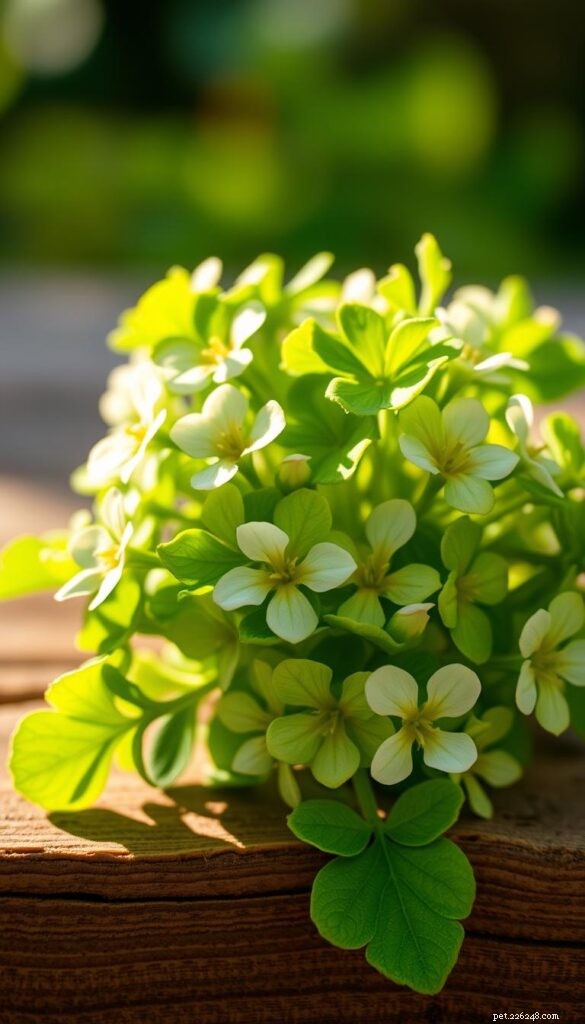
In garden settings, clover is a common consideration for supplemental treats. Its nutritional profile supports bone health, digestive function, and overall vitality when offered responsibly.
Nutritional Value of Clover Blossoms
Fresh clover supplies a potent dose of vitamin C, a nutrient essential for preventing scurvy in guinea pigs. Compared to processed pellets, foraged greens retain higher antioxidant levels and minerals. One serving typically provides:
- Fiber to aid healthy digestion
- Calcium for bone strength
- Natural enzymes that improve nutrient absorption
Seasonal timing matters; spring blooms contain the highest vitamin C and are therefore ideal for feeding.
Potential Health Risks
Although clover is nutritious, it contains calcium and oxalates that can upset sensitive systems. Excess calcium may increase the risk of bladder stones, particularly in animals with kidney issues. Introduce new greens gradually, and observe for soft stools or decreased appetite. Rotate clover with dandelion or cilantro to diversify intake.
Exploring the Natural Diet of Guinea Pigs
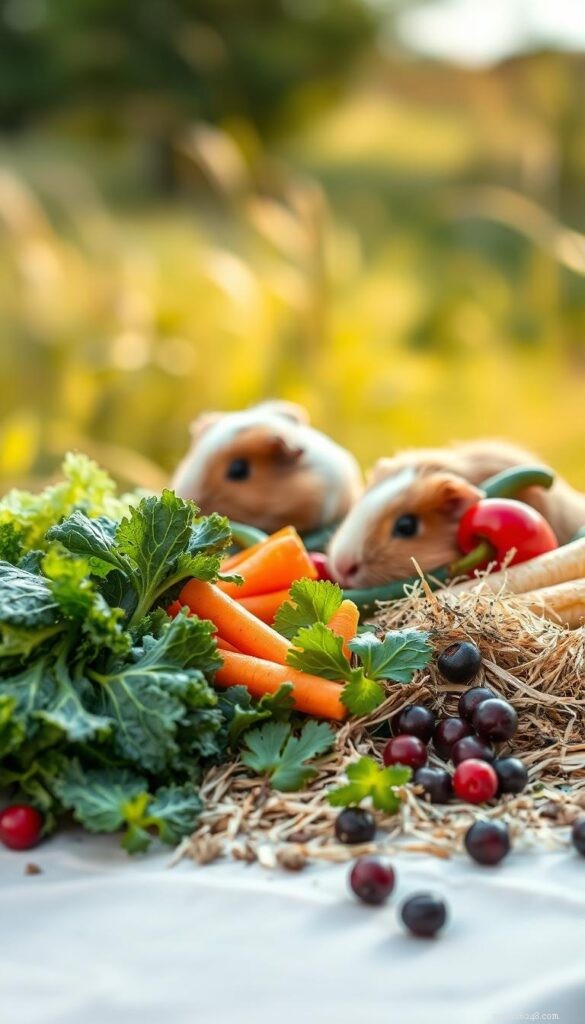
Wild guinea pigs historically consumed over 20 plant species daily. Mimicking this diversity in captivity promotes natural foraging behavior and reduces boredom.
Why Rotation Matters
Switching leafy greens prevents overreliance on a single nutrient source and encourages exploration. A balanced rotation schedule might look like this:
| Food Type | Key Nutrients | Behavioral Benefit |
|---|---|---|
| Fresh Clover | Vitamin C, Fiber | Encourages exploration |
| Timothy Hay | Digestive Fiber | Supports dental health |
| Leafy Greens | Calcium, Antioxidants | Stimulates appetite |
Maintain 80% hay as the staple; treat the remainder as seasonal forage.
How Foraging Enhances Your Guinea Pig’s Menu
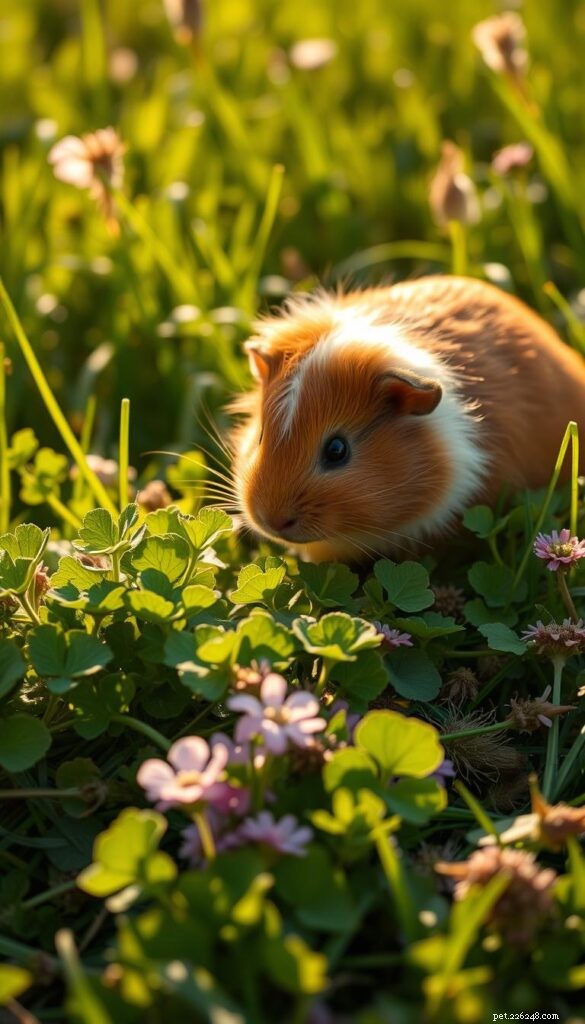
Foraging not only cuts grocery costs—potentially by 30%—but also delivers fresher nutrients. Children can join supervised trips, learning plant identification while providing a natural reward.
| Aspect | Foraging Benefit | Supermarket Option |
|---|---|---|
| Cost | Free | $15-25/month |
| Nutrition | Higher antioxidants | Variable freshness |
| Engagement | Interactive activity | Routine purchase |
Can Guinea Pigs Eat Clover Flowers?
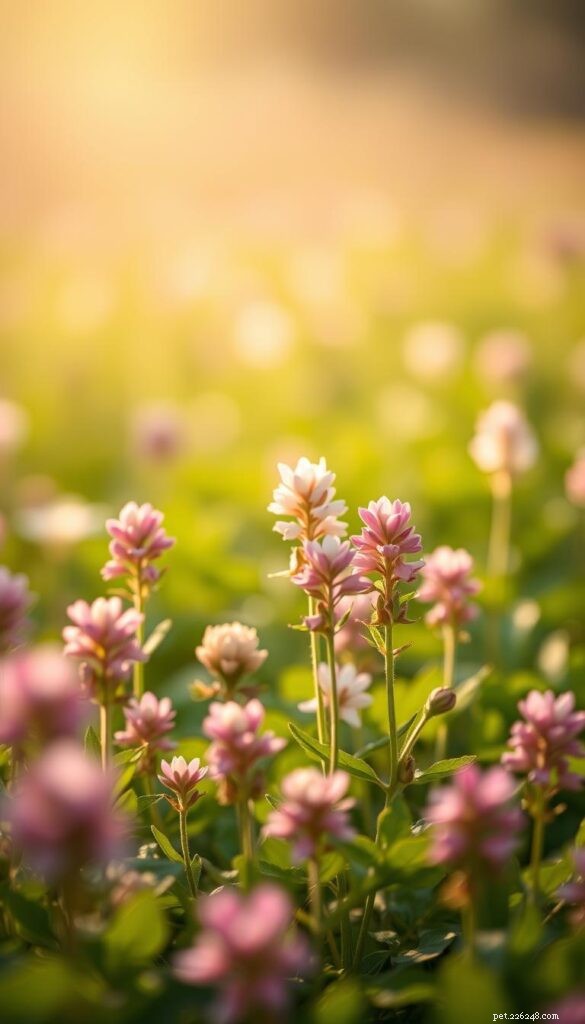
Both white and red clover—including their blossoms, leaves, and stems—are safe occasional treats when properly identified and prepared. Key points:
- Blossoms rank among the top edible flowers for small herbivores.
- Leaves provide superior fiber compared to common lettuce varieties.
- Stems should be chopped into small pieces to avoid choking.
Recommended frequency: 2–3 times per week, with 1–2 blossoms per animal paired with a small piece of Timothy hay.
| Frequency | Serving Size | Best Pairing |
|---|---|---|
| 2‑3 times weekly | 1–2 blossoms per pet | Timothy hay |
| Occasional treat | 3‑4 leaves | Bell peppers |
Identifying Safe Clover Varieties for Your Guinea Pig
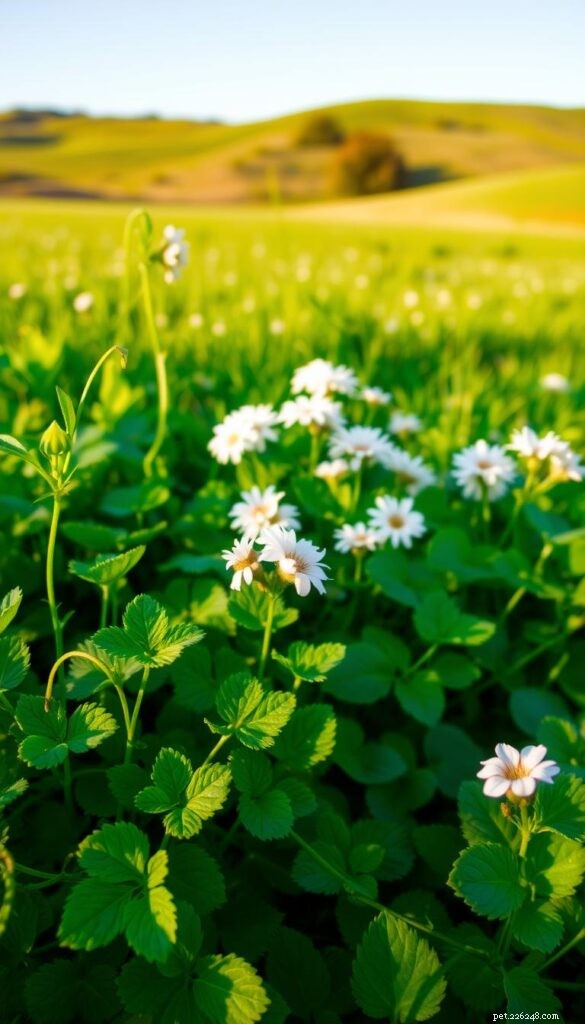
Both white and red clover are acceptable, but they differ in appearance and protein content. Knowing the differences prevents accidental consumption of unsafe look‑alikes.
White Clover vs. Red Clover
| Feature | White Clover | Red Clover |
|---|---|---|
| Flower Shape | Round clusters | Elongated spikes |
| Leaf Markings | Pale crescents | Solid color |
| Growth Height | 2‑6 inches | 8‑24 inches |
Both provide similar nutrients; red clover contains slightly more protein. Rotate weekly to balance mineral intake.
Signs of Plant Health
Healthy clover is bright green with no brown edges, mold, or gray fuzz. Avoid plants near roads or treated areas. Check for yellowing, slimy stems, or musty odors before harvesting.
Harvest in mid‑morning after dew has evaporated to maximize freshness.
Balancing High Amounts of Clover in Their Diet
Calcium‑rich plants like clover can cause digestive upset if overfed. Portion control is key.
Moderation and Nutrient Control
For an adult guinea pig, limit clover to 1–2 blossoms or 3–4 leaves per serving, 2–3 times weekly. Smaller or younger animals should receive half these amounts.
Signs of overconsumption include soft stools, decreased hay interest, and increased water intake.
| Weight Range | Daily Calcium Limit | Clover Equivalent |
|---|---|---|
| 1‑1.5 lbs | 200‑250 mg | 1 medium blossom |
| 1.6‑2.5 lbs | 300‑400 mg | 2 small leaves |
Pair clover with low‑calcium veggies like bell peppers or cucumbers. Rotate 20% of greens weekly to maintain variety.
Combining Clover Flowers with Other Safe Plants
Mixing clover with complementary greens enriches flavor and nutrition.
Mixing with Vegetables and Herbs
Combine soft clover flowers with crunchy veggies such as bell peppers or fresh herbs like mint. Seasonal pairings include:
| Season | Best Pairings | Key Benefit |
|---|---|---|
| Spring | Dandelion greens + clover | High vitamin C |
| Summer | Plantain leaves + mint | Cooling hydration |
| Fall | Chickweed + carrot tops | Fiber boost |
Introduce new combinations slowly—one unfamiliar plant every 3–4 days. Store mixed greens in breathable containers lined with damp paper towels.
Practicing Responsible Foraging for Guinea Pig Treats
Successful foraging requires knowledge of safe locations and proper tools.
Choosing Pesticide-Free Areas
Scout sites at least 50 feet from roads. Parks with “no spray” policies or certified organic farms are ideal. Indicators of clean soil include earthworms, robust plant growth, and no chemical odors.
Essential Foraging Tools
| Tool | Purpose | Safety Tip |
|---|---|---|
| Pruning shears | Clean cuts | Wipe blades after use |
| Cotton bag | Air circulation | Avoid plastic |
| Field guide | Plant ID | Use regional editions |
Seek permission before harvesting on private property. Limit harvest to 1/3 of a patch and rotate sites to allow regrowth.
Preparing and Introducing Clover Flowers Gradually
Proper preparation maximizes safety and flavor.
Safe Preparation Techniques
Begin with a vinegar rinse: mix one part white vinegar with three parts water, swish gently for 30 seconds, then rinse under cool running water. Pat dry with paper towels.
Introduce small amounts—about a quarter teaspoon of chopped blossoms mixed with familiar veggies. Monitor droppings; loose stools warrant a temporary reduction.
- Store unwashed clover in breathable containers lined with damp paper towels.
- Chop stems into pea‑sized pieces for young or senior pets.
- Mix with bell peppers or cilantro to entice nibbling.
Refrigerate unused flowers at 40°F; they stay fresh for up to four days.
Observing Your Guinea Pig’s Reactions
Track behavior to ensure tolerance.
| Reaction Type | Normal Behavior | Warning Signs |
|---|---|---|
| Eating Habits | Consistent chewing | Food avoidance |
| Energy Levels | Active exploration | Hiding or stillness |
| Digestive Health | Firm, oval droppings | Diarrhea or bloating |
Most animals adjust within 4–7 days. Persisting issues warrant a veterinary consult.
What Your Vet Recommends for a Balanced Diet
Veterinarians can tailor feeding plans to your guinea pig’s health status. Discuss portion sizes, frequency, and suitable forage varieties. Online consultations and nutrition checklists are valuable resources.
FAQ
Are clover flowers safe for guinea pigs?
Yes, in moderation. Clover flowers provide vitamins and fiber, but excess calcium can lead to bladder stones. Introduce slowly and watch for digestive changes.
How much clover can I give my pet?
Treat clover as an occasional snack—no more than 2–3 times a week. Pair with low‑calcium greens like romaine or cilantro.
What clover varieties are safest?
White clover is gentler; red clover has higher oxalates. Ensure plants are pesticide‑free and freshly picked. Avoid wilted or moldy stems.
Can foraging benefit my guinea pig’s diet?
Absolutely. Foraging mimics natural behavior, adds variety, and can improve overall health. Verify plants are toxin‑free and harvest with clean tools.
When should I consult a vet about their diet?
Seek veterinary advice if you notice bloating, lethargy, or appetite changes after new foods. Vets can adjust diet plans for urinary or kidney concerns.
How do I prepare clover flowers safely?
Rinse thoroughly to remove dirt and chemicals. Chop into bite‑sized pieces and mix with hay or veggies. Start with a tiny portion to test tolerance.
- Choose the Perfect Cat Bed: Comfort & Style for Your Feline
- How to Handle Your Puppy’s Vomiting: Expert Advice & Quick Actions
- What Causes Dogs to Twitch During Sleep? A Vet’s Insight
- Raising a Chihuahua Puppy: A Complete Guide to Training & Care
- Top 10 Cat Trends Shaping the Pet Industry in 2022
- Winter Riding: 11 Essential Tips for Safe Horse Rides
- Top 5 Proven Home Remedies to Relieve Dog Gas