

Can Guinea Pigs Safely Enjoy Hibiscus Flowers? Expert Guide to Nutrition & Feeding
Many pet owners wonder about adding colorful natural snacks to their furry friend’s menu. Brightly colored petals from certain plants can offer more than visual appeal—they might provide health benefits too. Hibiscus varieties contain antioxidants and vitamins that support immune function in herbivorous animals.
These dried blooms are popular among rabbit and chinchilla owners for good reason. When prepared correctly, they become a crunchy snack that encourages natural foraging behaviors. Always choose pesticide‑free flowers and introduce new foods gradually to avoid digestive issues.
While these treats are generally safe, portion control matters. Too many could lead to an unbalanced diet or weight gain. Rotate different veggies and herbs to keep meals interesting while maintaining nutritional balance.
Curious how to serve this floral snack? Our guide covers preparation tips, ideal serving sizes, and creative ways to incorporate blooms into your pet’s routine. You’ll also learn to spot quality products and avoid common feeding mistakes.
Understanding Hibiscus Flowers and Their Nutritional Profile
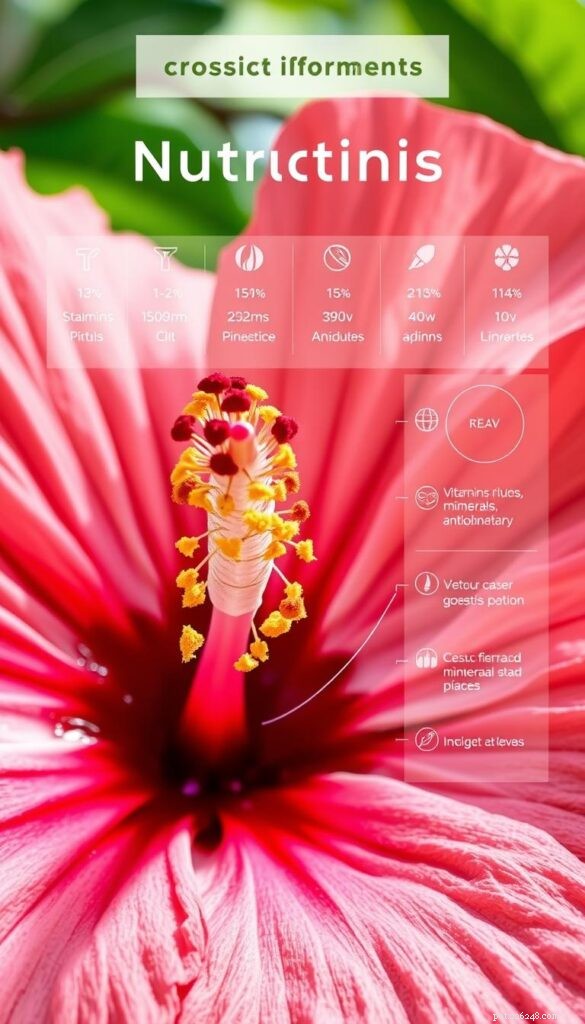
The vibrant petals of hibiscus hide a powerhouse of nutrients essential for your pet’s health. This tropical plant’s forage composition delivers a balanced mix of proteins, fibers, and minerals. Recent studies show its crude protein levels rival premium alfalfa, making it a standout choice for herbivores.
| Nutrient | Percentage | Key Benefit |
|---|---|---|
| Crude Protein | 17.02% | Muscle development |
| Calcium | 1.05% | Bone strength |
| Fiber (NDF) | 38.44% | Digestive health |
The leaves and blooms pack essential amino acids like lysine – crucial for your pet’s immune system. With 2400 kcal/kg of metabolizable energy, this forage fuels activity without excess calories. Its magnesium content supports nerve function, while phosphorus aids nutrient absorption.
Fiber content shines in hibiscus, combining soluble and insoluble types. This dynamic duo keeps your companion’s gut moving smoothly. Rotate these colorful petals with other safe greens to create a nutritionally diverse menu.
Exploring the Benefits of Hibiscus Forage in Animal Diets
Beyond basic nutrition, hibiscus delivers extraordinary health perks through its unique biochemical makeup. Research reveals over 20 active compounds in these blossoms, including catechins that combat cellular stress in herbivores.
The plant’s natural defenses translate into wellness boosts for your furry companion. Antimicrobial properties help fend off harmful bacteria, while antifungal elements maintain oral and digestive health. This makes the forage particularly valuable during seasonal changes when animals face higher infection risks.
What truly sets hibiscus apart are its gut‑nourishing mucilages. These soluble fibers act as prebiotics, feeding beneficial microbes in the intestinal tract. Farmers report improved digestion in livestock when incorporating this feed into rotation‑based diets.
Studies across species show consistent results:
- Reduced inflammation markers in rabbits
- Enhanced nutrient absorption in goats
- Better stool quality in poultry
With triterpenes that soothe irritated tissues and antioxidants protecting vital organs, hibiscus becomes a multitasking superfood. Veterinarians increasingly recommend it as part of balanced feeding plans for small herbivores needing extra nutritional support.
Can Guinea Pigs Eat Hibiscus Flowers?
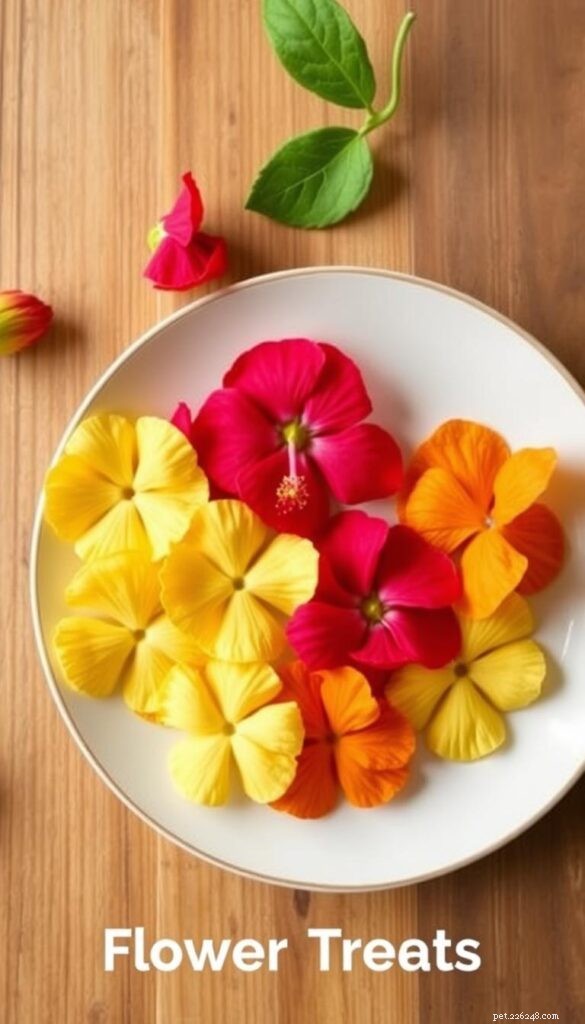
These vibrant blooms bring more than color to your pet’s bowl – they’re packed with nutrients herbivores crave. When prepared correctly, both fresh and dried versions make excellent occasional treats. Proper preparation involves washing fresh petals thoroughly and choosing organic sources to avoid chemical residues.
Many owners find dried varieties convenient for storage and portion control. The crunchy texture satisfies natural chewing instincts while delivering vitamin C and antioxidants. Start with quarter‑teaspoon portions twice weekly to monitor tolerance.
| Type | Preparation | Shelf Life | Key Benefit | Serving Tip |
|---|---|---|---|---|
| Fresh | Wash & pat dry | 2‑3 days | High moisture content | Remove wilted petals |
| Dried | Store in airtight jar | 6 months | Concentrated nutrients | Mix with hay |
The tart flavor profile encourages exploration during mealtime. Rotate with other safe plants like dandelion greens to maintain dietary variety. Always source from pet‑specific suppliers to ensure safety standards.
Watch for positive reactions like excited squeaks or eager nibbling. If loose stools occur, reduce portions and consult your vet. Most furry friends adapt well to this flavorful addition when introduced gradually.
Safe Flower Options for Your Guinea Pig’s Diet
Expanding your pet’s menu with colorful botanicals can boost both nutrition and enrichment. While some blooms steal the spotlight, others offer equally impressive perks when served responsibly. Let’s explore four vet‑approved choices that add variety to meals.
Sunshine Blooms & Golden Petals
Dandelions rank as nature’s multivitamin for small herbivores. Every part – from golden petals to earthy roots – delivers vitamin C and digestive enzymes. These cheerful weeds help break down fibrous foods while supporting immune health.
Calming Classics
Chamomile’s daisy‑like flowers work double duty. Their mild sedative properties ease stress during nail trims or vet visits. Simultaneously, the plant’s fiber content promotes smooth digestion when sprinkled over hay.
| Flower | Key Nutrients | Serving Frequency | Top Benefit |
|---|---|---|---|
| Dandelion | Vitamins A/C, Potassium | Daily (small handful) | Liver support |
| Marigold | Lutein, Beta‑Carotene | 2x weekly | Eye health |
| Rose | Vitamin C, Bioflavonoids | 3x weekly | Skin vitality |
| Chamomile | Apigenin, Fiber | 2x weekly | Stress reduction |
Marigolds’ vibrant orange petals contain natural compounds that combat intestinal parasites. Roses provide more vitamin C per gram than bell peppers – crucial for pets that can’t synthesize this nutrient. Always source blooms from chemical‑free gardens or trusted suppliers.
Comparing Hibiscus to Other Nutrient‑Rich Foods for Guinea Pigs
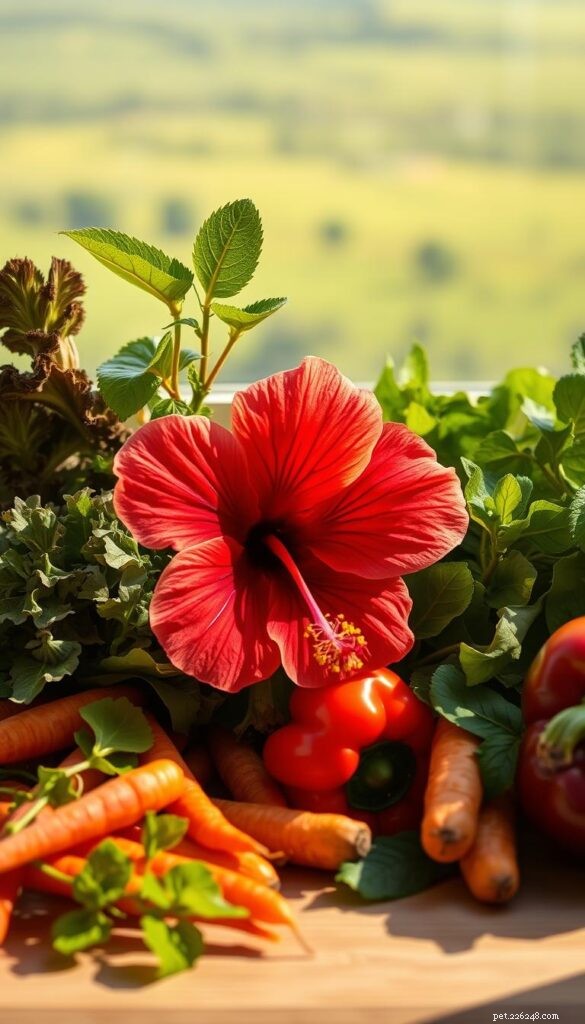
Exploring how hibiscus measures up against other popular feeds reveals its hidden advantages. While alfalfa often tops nutrition charts, this tropical plant matches its protein content while delivering superior amino acids. Research shows lysine levels in hibiscus forage surpass traditional options by 12‑18%, crucial for immune support and tissue repair.
| Forage Type | Protein Content | Key Amino Acids | Fiber Profile |
|---|---|---|---|
| Hibiscus | 17.02% | High lysine/threonine | 38.44% NDF |
| Alfalfa | 16.8% | Moderate lysine | 40.1% NDF |
| Moringa | 19.5% | Balanced profile | 31.2% NDF |
| Tithonia | 15.7% | Low threonine | 42.3% NDF |
What makes this feed material stand out? The calcium‑to‑phosphorus ratio mirrors commercial pellets, promoting bone health without causing mineral imbalances. Unlike cassava meal or mulberry leaves, hibiscus offers three types of dietary fiber that work synergistically for digestion.
Practical benefits shine through too. Dried petals store longer than fresh moringa leaves, and the crunchy texture encourages natural chewing behavior. When rotated with timothy hay or dandelion greens, it creates varied meals that prevent dietary boredom.
Veterinary nutritionists note its versatility: “The composition allows hibiscus to serve as either a primary forage or supplemental treat.” This flexibility makes it easier to customize diets based on your pet’s age, weight, and health needs compared to less adaptable options.
The Importance of Organic, Pesticide‑Free Flowers in Guinea Pig Diets
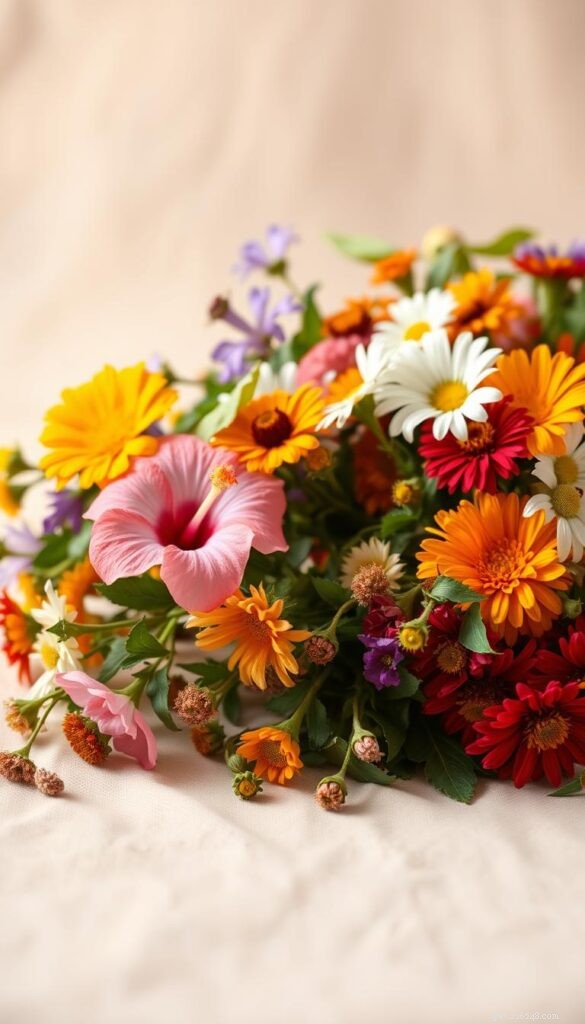
Your furry friend’s snack bowl deserves the same attention to quality as your own plate. Chemical residues on store‑bought blooms can turn a nutritious treat into a hidden danger. Commercial growers often use systemic pesticides that soak into every part of ornamental plants, creating risks that linger long after washing.
- Neurological damage from neonicotinoid insecticides
- Liver strain caused by herbicide absorption
- Digestive shutdown from synthetic fertilizers
Growing your own pesticide‑free blossoms solves these concerns. A sunny windowsill or small garden patch lets you control soil quality and pest management. For store‑bought options, ask suppliers direct questions: “Were these treated with chemicals after sprouting?” and “What natural pest control methods do you use?”
Public spaces pose unique dangers. Roadside blooms collect exhaust fumes, while park flowers may carry municipal weed treatments. Even organic petals need a cold‑water rinse to remove dust or bird waste before serving. Pair clean botanicals with other safe dietary choices, like exploring unusual food options that complement their herbivore needs.
Investing in pure, natural products protects your companion’s delicate system. Their enthusiastic nibbles and vibrant energy will show the difference quality makes in their daily diet.
Integrating Hibiscus and Other Herbs into Your Guinea Pig’s Meals
Crafting a balanced menu for small herbivores requires both creativity and nutritional know‑how. Fresh botanicals like hibiscus petals and aromatic herbs can elevate standard meals when used strategically. Start by pairing new additions with familiar favorites to build trust and prevent digestive surprises.
Tips for Gradual Introduction
Begin with tiny portions—a single petal or herb leaf mixed into daily greens. Observe for 48 hours, watching energy levels and stool consistency. If reactions stay positive, slowly increase quantities over 2‑3 weeks.
Mixing Herbs with Regular Diet
Combine fragrant leaves with timothy hay to encourage natural foraging. Rotate basil, mint, and cilantro weekly to maintain interest. For inspiration on herb pairings, explore our guide to safe herbs for guinea pigs that complement their nutritional needs.
Always keep hay as 80% of daily intake, using botanicals as supplemental treats. Store dried mixes in airtight containers to preserve freshness and nutrients. With thoughtful planning, these flavorful additions become both enrichment tools and health boosters.
FAQ
Are hibiscus flowers safe for small pets?
Yes! Fresh, organic hibiscus petals and leaves are non‑toxic for guinea pigs. They’re rich in vitamin C and antioxidants, which support immune health. Always rinse flowers thoroughly and avoid stems or treated plants.
What nutrients make hibiscus a good snack?
Hibiscus provides fiber for digestion, vitamin A for skin health, and trace minerals like magnesium. Its low sugar content makes it a healthier alternative to sugary fruits like apples or grapes.
How often can I offer flowers to my guinea pig?
Treats like hibiscus should make up 10‑15% of their diet. Offer petals 2‑3 times weekly alongside unlimited hay and fresh veggies. Overfeeding may disrupt their sensitive digestive systems.
Which flowers are unsafe for guinea pigs?
Avoid lilies, tulips, and daffodils—they’re toxic. Stick to safe options like dandelions, marigolds, or chamomile. Always verify a plant’s safety before introducing it.
Why choose organic flowers for my pet?
Non‑organic blooms often contain pesticides linked to health issues. Organic varieties reduce chemical exposure, ensuring safer snacking. Grow your own or buy from trusted sources.
Can hibiscus replace commercial guinea pig food?
No. While nutritious, hibiscus lacks complete nutrients found in fortified pellets. Use it as a supplement, not a replacement, to maintain balanced nutrition.
How do I introduce new herbs into their meals?
Start with tiny portions mixed into their regular greens. Watch for signs of allergies or stomach upset. Gradually increase quantities if they tolerate it well.
- Happy Tails: Weekly Pup Report – Officer Saves Dog from Submerged Vehicle
- Training Multiple Puppies Simultaneously: Proven Tips for Success
- Effortless Guinea Pig Potty Training: A 10-Step Guide to a Cleaner Cage
- The Science of Dog Dominance: How They Build Social Hierarchies
- Male vs Female St. Bernards: Key Differences Every Owner Should Know
- How to Keep Your Cat at a Healthy Weight: Expert Tips & Guidance
- Top 10 Dog Breeds Perfect for College Life