

Can Guinea Pigs Safely Eat Purple Cabbage? A Comprehensive Nutrition Guide
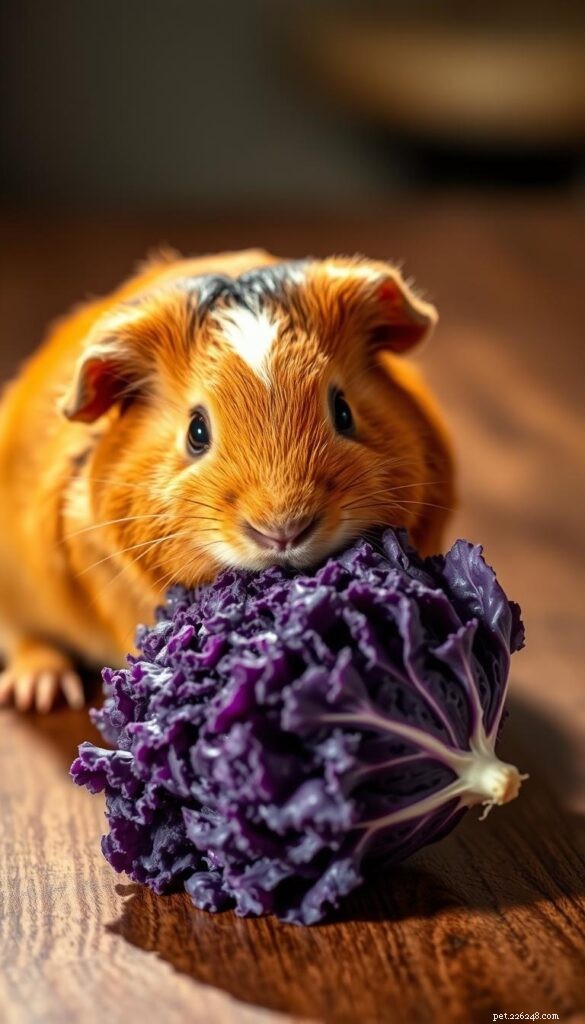
If you’re exploring new foods for your guinea pig, you’ve landed in the right place. Many owners wonder whether colorful veggies can safely enhance their pet’s diet. The good news is that purple cabbage, a vibrant cruciferous vegetable, is not only safe but also nutrient‑dense, supporting overall health.
Rich in vitamin C and antioxidants, purple cabbage boosts immunity and aids digestion. It belongs to a family of vegetables renowned for their nutritional value, with several varieties suitable for small herbivores. As with any treat, moderation is essential—always complement it with a balanced core diet.
Introduce new foods slowly to avoid digestive upset. Start with tiny portions and monitor how your guinea pig responds. Proper preparation is key: wash leaves thoroughly, remove stems, and chop into bite‑sized pieces.
This guide covers everything from portion sizes to potential risks. You’ll learn how this vegetable compares to others in its family and receive practical tips for meal planning. By the end, you’ll feel confident making informed choices for your pet’s nutrition.
Nutritional Value of Purple Cabbage for Your Guinea Pig
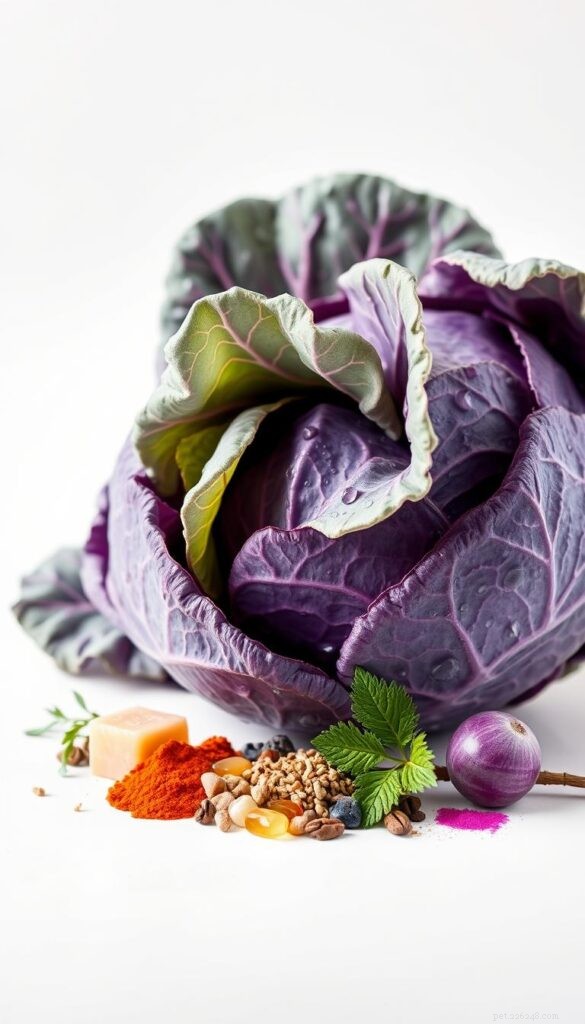
Understanding what fuels your guinea pig’s vitality starts with a careful look at their plate. Purple cabbage delivers a powerhouse of nutrients tailored to their unique needs. Let’s break down why it’s more than just a crunchy snack.
Essential Defense Against Illness
Guinea pigs require a daily intake of vitamin C because they cannot produce it endogenously. Just 100 g of purple cabbage provides 57 mg of vitamin C—over half of the species’ daily requirement. Each bite helps fight infections and supports tissue repair.
Gut Health Game‑Changer
Fiber is critical for a guinea pig’s digestive system, supporting their cecotrophy process where nutrient‑rich droppings are re‑ingested. Purple cabbage supplies 2.1 g of fiber per 100 g, which helps regulate blood sugar, lower cholesterol, and maintain a healthy gut.
These nutrients work together to boost overall wellness. Remember, balance remains paramount alongside hay and pellets.
Comparing Purple Cabbage with Other Cabbage Varieties
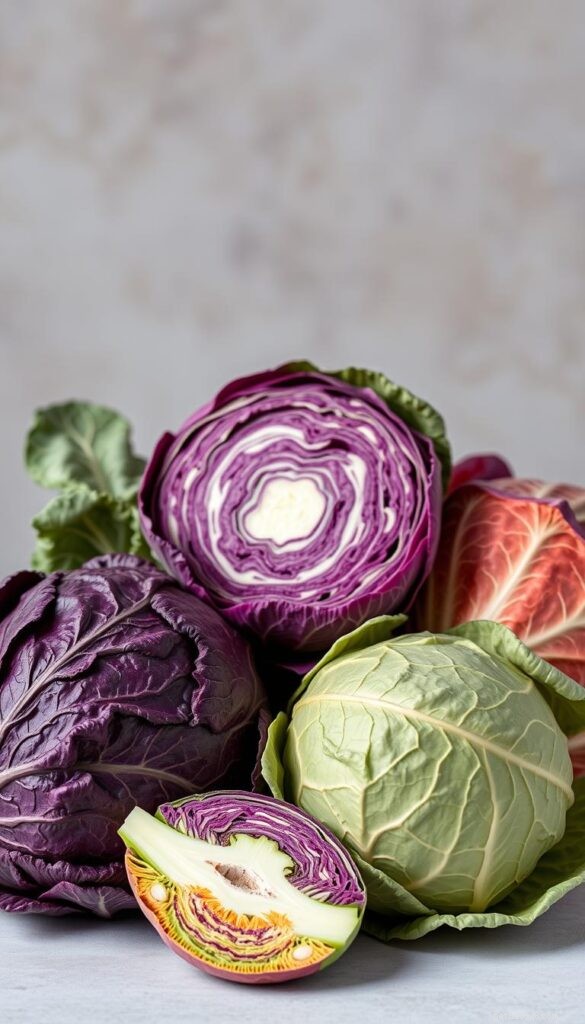
Not all leafy greens provide identical benefits. Four common cabbage types—green, napa, savoy, and purple—offer distinct nutritional profiles. Let’s explore how they stack up for guinea pig health.
Nutritional Showdown
Per 100 g of each variety:
| Variety | Vitamin C (mg) | Fiber (g) | Calcium (mg) |
|---|---|---|---|
| Purple | 57 | 2.1 | 45 |
| Green | 36.6 | 2.5 | 40 |
| Napa | 45 | 1.0 | 105 |
| Savoy | 31 | 3.1 | 35 |
Purple cabbage tops the vitamin C chart, essential for pets that lack natural synthesis. Napa has higher calcium, which may raise urinary risk if overfed. Savoy’s fiber supports digestion but offers fewer antioxidants. Green cabbage sits in the middle; it’s nutritious but not as potent as purple.
Rotate varieties to keep meals interesting, but prioritize purple leaves for their balanced calcium and high vitamin C content.
Understanding the Key Nutrients in Cabbage
Beyond satisfying cravings, purple cabbage contributes essential minerals that underpin overall health.
Building Strong Bodies
Calcium supports skeletal integrity, heart rhythm, and muscle function. In young guinea pigs, it fuels rapid growth; in mature animals, it maintains bone density. Pregnant females benefit from adequate calcium to support fetal development.
With 45 mg of calcium per 100 g, purple cabbage offers a moderate dose—adequate without risking hypercalcemia. This balance helps avoid urinary complications common with calcium‑heavy greens.
Key advantages:
- Supports nerve function and coordination
- Works synergistically with vitamin D for absorption
- Balances phosphorus to promote healthy teeth
Pair with high‑quality hay to ensure continuous roughage, essential for dental wear and gut motility.
Is Purple Cabbage Safe for Guinea Pigs?
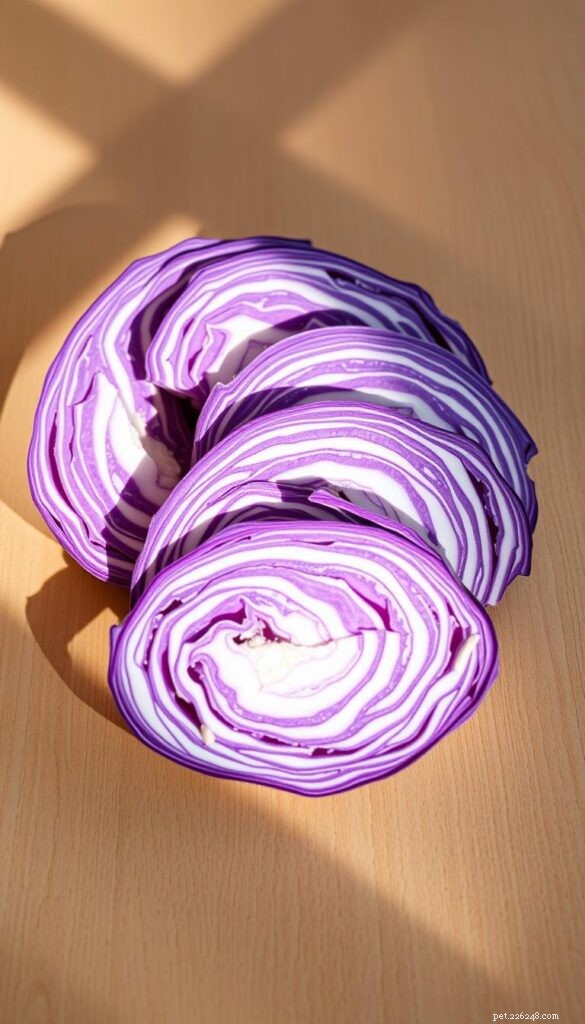
When introduced thoughtfully, purple cabbage can be a valuable addition to a guinea pig’s diet. The key lies in careful portioning and monitoring.
Safe Consumption Guidelines
Begin with a thumbnail‑sized piece once a week. Watch for soft stools or decreased appetite—signals to pause feeding. Most guinea pigs adapt within 2–3 weeks when introduced gradually.
| Portion Size | Frequency | Prep Steps | Key Notes |
|---|---|---|---|
| ½ leaf | First 2 weeks | Wash, chop, mix with hay | Monitor droppings daily |
| Full leaf | After adaptation | Remove thick stems, serve at room temperature |
Health Benefits and Risks
The anthocyanins in purple cabbage act as natural antioxidants, potentially supporting cardiovascular health—though definitive studies in guinea pigs are limited. Juicy leaves also add hydration to a hay‑centric diet.
Overfeeding can cause gas or bloating; limit to 1–2 servings per week. Pair with mild greens like bell pepper or cilantro for variety without overloading the gut.
How to Introduce Purple Cabbage to Your Guinea Pig’s Diet
Successful integration requires a structured approach. Start small and observe.
Step‑by‑Step Feeding Guide
Day 1–3: Offer pea‑sized portions mixed with familiar greens during morning meals. Day 4–7: Increase to nickel‑sized pieces if stools remain firm. Week 2: Provide half a leaf twice weekly during bonding time.
- Day 1–3: Pea‑sized with regular greens
- Day 4–7: Nickel‑sized if stools firm
- Week 2: Half leaf twice weekly
Keep a simple log:
| Reaction | Next Step |
|---|---|
| Eats immediately | Maintain portion for 3 feedings |
| Ignores food | Try hand‑feeding or shred leaves |
| Soft droppings | Pause 5 days, then restart smaller |
Rotate with other vitamin C‑rich greens like bell pepper. Remove leftovers within two hours to keep the enclosure clean. With consistency, most guinea pigs accept new foods within 14 days.
Feeding Frequency and Portion Control
A balanced meal plan demands precision. While colorful veggies add excitement, strict moderation prevents digestive upset. Aim for 1–2 weekly servings—enough variety without overwhelming the system.
Use this guide to determine portions based on size:
| Pet Size | Weekly Servings | Portion Size | Notes |
|---|---|---|---|
| Under 1 lb | 1 | ½ leaf | Chop into confetti‑sized pieces |
| 1–2 lb | 2 | 1 leaf | Serve Mondays & Thursdays |
| Over 2 lb | 2 | 1.5 leaves | Mix with low‑calcium greens |
Space feedings at least three days apart. Track intake with a calendar or app—leafy greens should never exceed 15 % of daily food. Pair each serving with Timothy hay to aid digestion.
Signs of proper portioning include:
- Consistent, firm droppings
- Steady appetite for hay
- Active behavior post‑meal
Adjust gradually when changing diets. Smaller pets may need quarter‑leaf portions; larger ones can handle slightly more. Always consult your veterinarian when introducing new foods to sensitive eaters.
Potential Digestive Issues and How to Avoid Them
Leafy greens can challenge sensitive stomachs if overfed. Moderation and a proper introduction plan are crucial.
Spotting Early Warning Signs
After introducing new greens, watch for:
| Symptom | Immediate Action | Prevention Tip |
|---|---|---|
| Puffed‑up belly | Skip next veggie meal | Limit to 1–2 leaves weekly |
| Watery droppings | Offer extra hay | Introduce over 3 weeks |
| Refusing food | Check teeth health | Mix with familiar greens |
Gas buildup often manifests as reluctance to play or unusual stillness. Gently palpate the abdomen; a tense, drum‑like feel indicates discomfort. Loose stools usually appear within 12 hours of overindulgence.
Three‑step prevention plan:
- Start with pea‑sized portions twice weekly
- Gradually increase over 14–21 days
- Always pair with Timothy hay
If problems arise, revert to a hay‑and‑pellet diet for 48 hours. Keep water bottles refreshed hourly. Most guinea pigs recover quickly when issues are caught early, but persistent symptoms warrant veterinary attention.
Balancing Variety: Hay, Pellets, and Vegetables
A wholesome menu goes beyond colorful greens. Timothy hay should comprise 80 % of the plate, serving as the foundation for digestive health and dental care. Its high fiber content and low calcium level make it ideal for adult guinea pigs, unlike legume‑based alternatives.
Why Grass Matters Most
Unlimited access to fresh hay keeps teeth trimmed and gut functions smooth. Pair with measured portions of quality pellets—about two tablespoons daily—containing stabilized vitamin C. These supplements fill nutritional gaps without replacing essential roughage.
Leafy greens should never exceed 15 % of daily intake. Rotate options like bell pepper and kale while monitoring calcium levels. For detailed guidance on dietary needs, consult trusted feeding charts tailored to your pet’s life stage.
Variety supports health, but consistency in hay availability prevents common issues. Adjust portions based on activity level and always prioritize fresh, dust‑free forage. A thoughtful approach ensures every bite contributes to vitality.
FAQ
Is purple cabbage safe for my pet?
Yes—when offered in moderation. It’s rich in vitamin C and fiber, but overfeeding can cause gas or bloating. Stick to 1–2 servings weekly.
How does it compare to green or savoy cabbage?
Purple varieties have similar nutrients but slightly lower calcium, reducing urinary infection risk. Rotate with other veggies for balance.
What health benefits does it offer?
The antioxidants support immune health, while fiber aids digestion. Its vibrant color indicates higher anthocyanin content, promoting overall wellness.
Can too much cause digestive problems?
Absolutely. Overfeeding may lead to bloating or diarrhea. Start with a teaspoon‑sized portion and monitor your pet’s reaction before increasing servings.
How do I add it to their meals?
Wash thoroughly, chop into tiny pieces, and mix with leafy greens like romaine. Introduce slowly—once or twice a week—to avoid upsetting their stomach.
Should hay still be their main food?
Yes! Timothy hay should make up 80 % of their diet to support dental health and digestion. Veggies like purple cabbage are treats, not staples.
What signs indicate a bad reaction?
Watch for lethargy, loose stools, or reduced appetite. If these occur, stop feeding cabbage immediately and consult a vet.
Can I mix it with pellets?
Definitely! Pair small cabbage portions with high‑quality pellets to ensure balanced nutrition. Just avoid overloading the plate—variety is key.
- Is Cinnamon Safe for Dogs? A Trusted Guide to Benefits and Precautions
- Effective Strategies to Keep Your Cat Off Kitchen Counters
- Daily Dog Walks: Why Consistent Exercise is Essential for Your Pet's Health
- Do Dogs Dream? Exploring Canine Sleep and Imaginary Adventures
- 7 Essential Nutrients Dogs Often Miss — How to Spot Gaps & Fill Them with Natural Supplements
- Arizona Blonde Desert Tarantula Care Guide: Lifespan, Habits, and Ownership Tips
- Do Rabbits Possess Sweat Glands? A Scientific Overview