

Are Cotton Candy Grapes Safe for Guinea Pigs?
Many pet owners ask whether they can share trendy, cotton‑candy‑flavored grapes with their guinea pigs. These colorful fruits may look enticing, but their suitability depends on the pet’s delicate digestive system.
Although cotton candy grapes taste like a carnival treat, their nutrition profile is largely comparable to regular grapes. When considering a new snack, your guinea pig’s health must come first. Understanding the potential risks and benefits helps you make informed, responsible choices.
This guide covers safety tips, portion sizes, and preparation methods specifically designed for small mammals. You’ll learn how to balance treats with a well‑rounded diet while keeping your companion happy and healthy.
Always exercise moderation—safe foods can cause issues if over‑fed. Let’s explore what makes these grapes special and how to approach them responsibly.
What Are Cotton Candy Grapes?
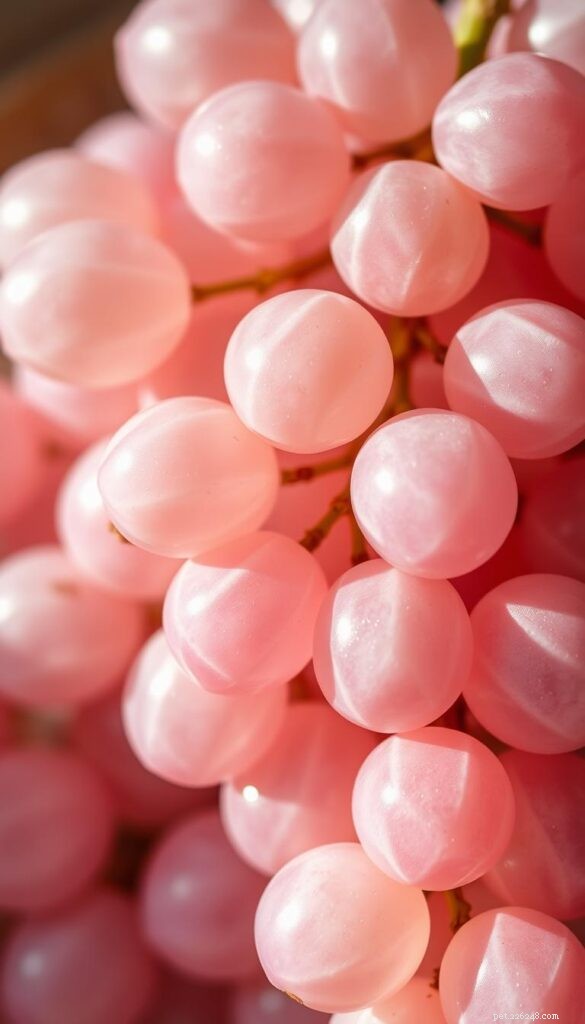
These grapes burst with the nostalgic sweetness of cotton candy, a result of careful cross‑breeding rather than genetic modification. Over many years, growers selected vine varieties that naturally amplify sugars and flavor compounds, producing a fruit that mimics the sugary treat while growing on the vine.
Key Characteristics
Developed through traditional breeding, cotton candy grapes are seedless and boast a unique texture that appeals to human palates. Their nutritional composition—vitamin C, antioxidants, and water content—mirrors that of standard grapes, though they contain a higher concentration of natural sugars.
| Feature | Cotton Candy Grapes | Regular Grapes |
|---|---|---|
| Natural Sugars | Higher concentration | Moderate levels |
| Vitamin C | Similar content | Comparable amounts |
| Flavor Notes | Distinct cotton candy essence | Traditional grape taste |
While the flavor makes them a popular snack for humans, the extra sweetness warrants caution when sharing with small pets.
Can Guinea Pigs Consume Cotton Candy Grapes?
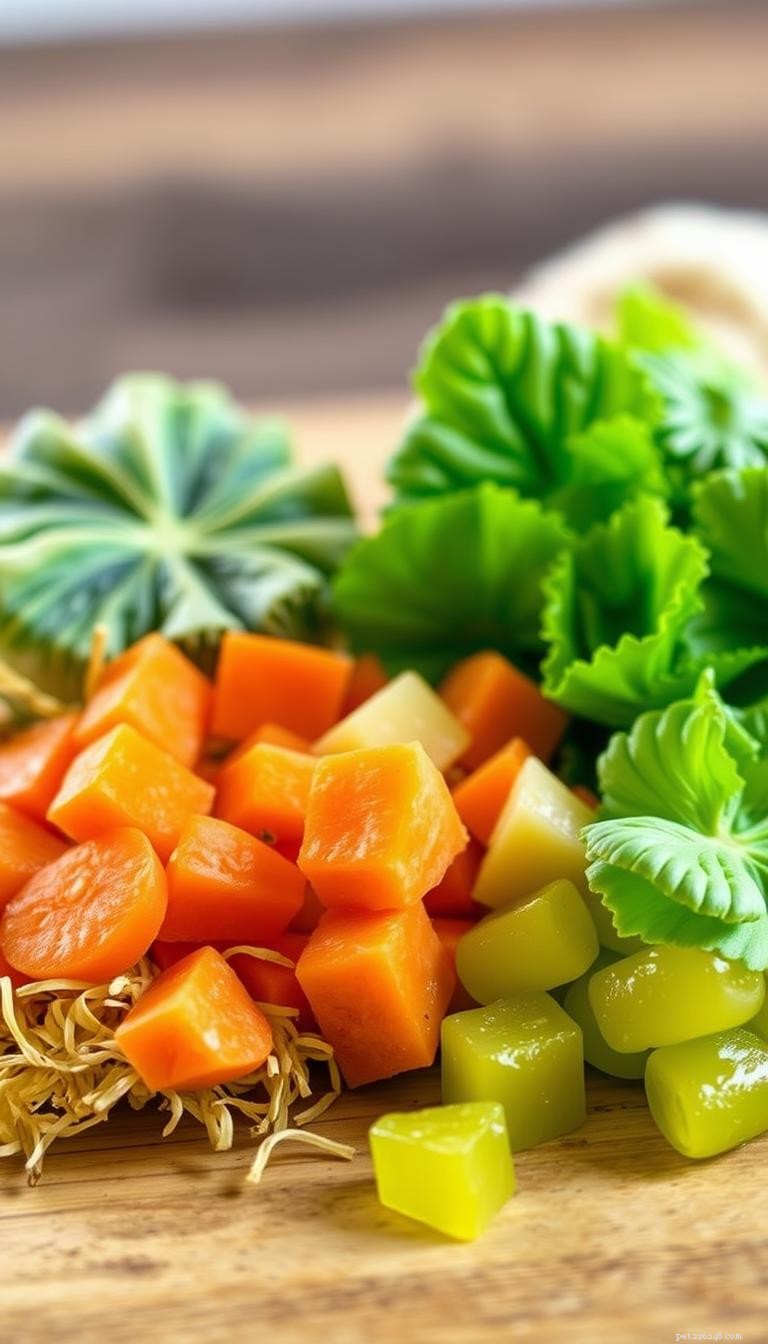
When introducing human foods to guinea pigs, the balance of nutrients is critical. Even though grapes are not toxic, their high sugar content can impact digestive health if fed too often.
Dietary Guidelines for Treats
Fruits such as seedless grapes provide hydration and vitamin C, but their sugar levels require restraint. Experts recommend limiting fruit to no more than 5% of a guinea pig’s daily food intake, prioritizing hay and leafy greens as the foundation of their diet.
Cotton candy grapes, with even higher sweetness, can be offered sparingly. Remove any seeds—most commercial varieties are seedless—and wash thoroughly before serving.
Recommended Portion Size
A single grape every 3–4 days is a safe frequency. Cut the grape into quarters to prevent choking, and observe your pet’s response. If loose stools appear, discontinue the treat for a week before reintroducing smaller portions.
Occasionally pairing grapes with other approved fruits like strawberries can add variety while keeping sugar intake low.
Nutritional Profile of Cotton Candy Grapes for Guinea Pigs
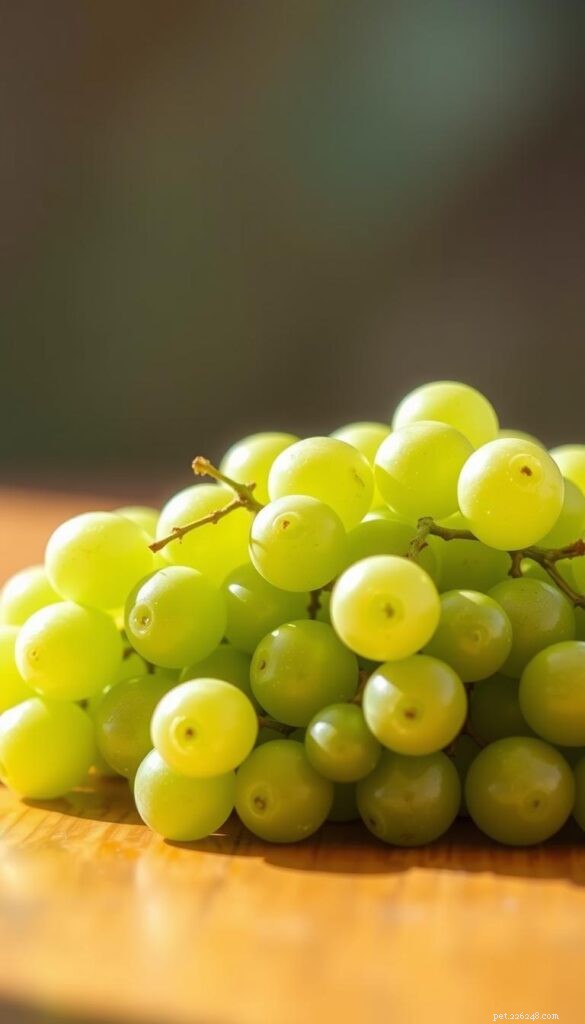
Understanding the internal composition helps you manage benefits versus risks. These grapes contain quercetin and resveratrol—antioxidants that support heart health and reduce inflammation. Vitamin C is essential for guinea pigs, who cannot synthesize it on their own.
Each grape is about 80% water, offering a hydration boost. Potassium supports nerve function and muscle coordination. However, the sugar content can outweigh these benefits if consumed excessively.
Sugar Considerations
Although non‑toxic, frequent consumption can lead to weight gain or blood sugar fluctuations. Sudden sugar spikes disrupt gut bacteria, leading to digestive upset. Stick to small portions and rotate lower‑sugar options such as bell peppers to maintain a balanced diet.
Feeding Guidelines and Safety Precautions
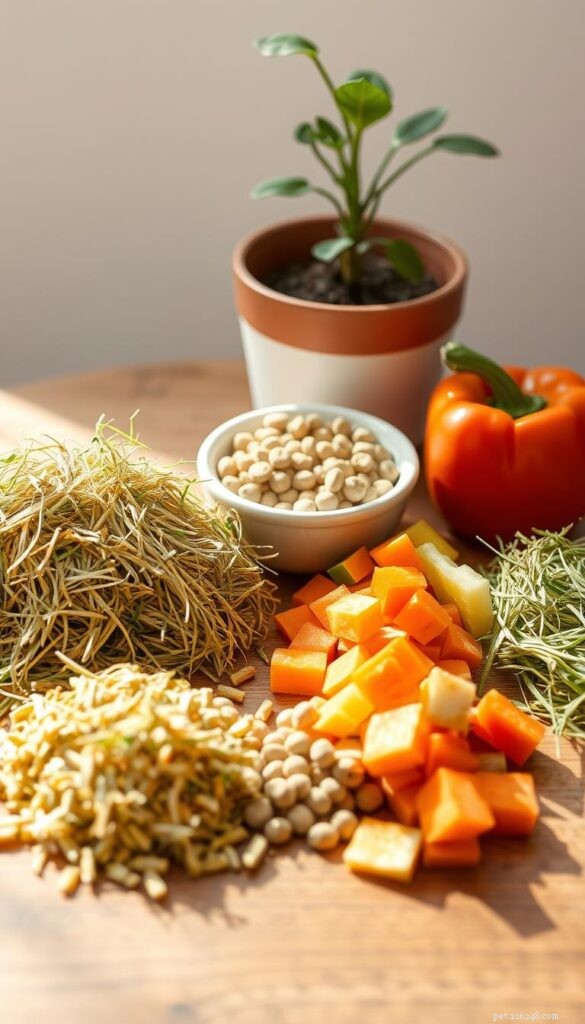
Introducing new snacks demands careful planning. Proper preparation and close observation ensure safety and enjoyment.
Best Practices for New Foods
Start with seedless grapes or remove all seeds. Keep the skin intact after washing thoroughly. Slice each piece into halves or quarters to make chewing easier and reduce choking risk.
Introduce the fruit slowly—offer a tiny portion once a week initially. Monitor appetite and energy for 24 hours. If no adverse reactions occur, you may increase to two servings per week, always pairing with hay and greens.
Identifying Allergic Reactions
Allergies are rare but possible. Watch for facial swelling, hives, or excessive scratching. Digestive upset, such as diarrhea, may signal intolerance. Severe symptoms like labored breathing require immediate veterinary attention.
Over‑feeding Risks
Even safe foods can cause problems if over‑fed. Adhere to the recommended weekly limit. If your guinea pig shows discomfort, pause the treat and consult a veterinarian.
Alternative Fruits for Guinea Pigs
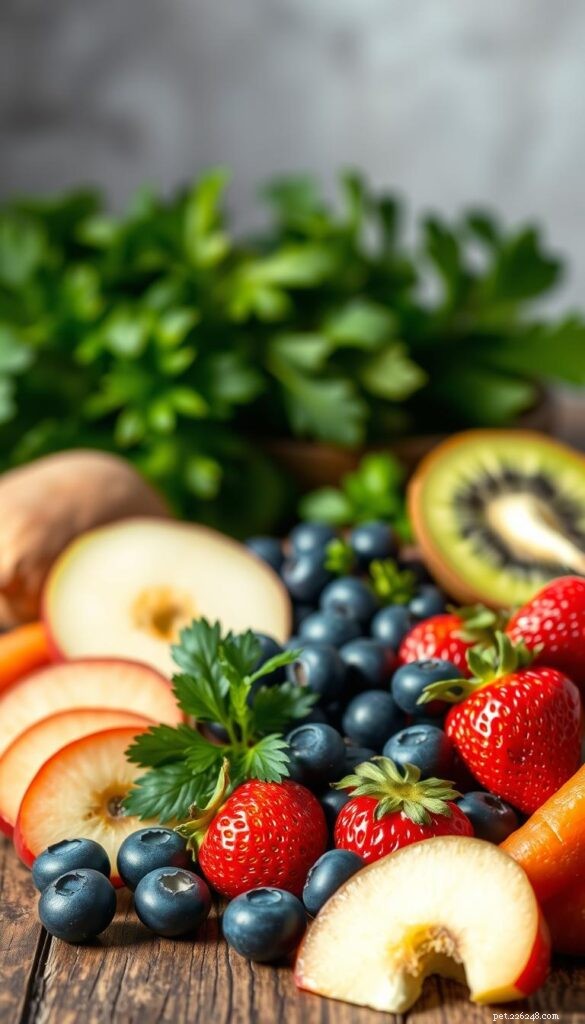
To keep snack time exciting while protecting health, consider lower‑sugar fruits. Rotating options maintains interest without compromising nutrition.
Safe Fruit Choices
Apples—especially the peel—offer fiber and a satisfying crunch. Remove seeds first to eliminate cyanide risk. A thin slice once weekly is sufficient.
Cantaloupe provides high water content and vitamin A, supporting hydration and vision. Offer fingertip‑sized pieces twice a month.
Berries such as strawberries or blueberries contain antioxidants in small amounts. Their tartness balances sweetness, making them ideal for weight‑sensitive pets. Split one berry between two guinea pigs to prevent over‑indulgence.
Melons and citrus fruits can be included in moderation. Rotate 2–3 fruit types monthly and always pair with leafy greens like romaine or kale.
Limit fruit treats to once every 3–4 weeks to avoid sugar‑related issues. This approach keeps the diet diverse yet stable, promoting long‑term health.
Conclusion: Managing Fruit Treats for Guinea Pigs
Balancing tasty treats with nutritional needs keeps guinea pigs thriving. Cotton candy grapes can be a fun addition when prepared correctly and served in tiny amounts—ideally one small piece weekly. Always slice thoroughly and monitor reactions.
Hay and fresh vegetables should dominate the diet, with formulated pellets completing the nutritional foundation. Fruits serve best as occasional supplements, never exceeding 5% of total food intake.
Before adding new items, consult your veterinarian, especially if your guinea pig has health concerns. They can help tailor portions to your pet’s weight and activity level, preventing sugar‑related complications while maintaining excitement.
Treats should remain rare rewards, not daily expectations. Careful attention to quantity and frequency supports lifelong vitality, and those bright‑eyed squeaks of delight will thank you.
FAQ
What distinguishes cotton candy grapes from regular grapes?
Cotton candy grapes are bred to taste like cotton candy, offering a sweeter flavor and higher sugar content. They are seedless and have a unique texture, making them appealing to humans but requiring caution for pets.
Are cotton candy grapes safe for guinea pigs?
While not toxic, their high sugar content makes them a risky choice. Seedless grapes can be offered occasionally in tiny amounts (e.g., a quarter of a grape), but prioritize low‑sugar fruits like bell peppers or leafy greens for daily snacks.
How often can I give my guinea pig grapes?
Limit grape treats to once a week or less. Always remove the skin (to avoid choking) and cut into small pieces. Monitor for digestive issues like diarrhea, which may indicate over‑feeding.
What vitamins do grapes provide for guinea pigs?
Grapes contain vitamin C, supporting immune health, and antioxidants like resveratrol. However, the benefits are outweighed by sugar risks; safer vitamin C sources include parsley or kale.
Can too much sugar harm my guinea pig?
Yes. Excess sugar can lead to obesity, dental problems, or digestive upset. Stick to small fruit portions—no more than 1–2 tablespoons per week—and focus on hay and veggies for balanced nutrition.
How do I introduce new fruits to my guinea pig?
Start with a pea‑sized portion and wait 24 hours for reactions such as lethargy or bloating. If no issues arise, gradually increase the amount but keep sugary options like grapes as rare indulgences.
What signs indicate an allergic reaction to grapes?
Watch for itching, swelling around the mouth, or changes in stool. If symptoms appear, stop feeding grapes immediately and consult a vet. Always wash fruit thoroughly to remove pesticides before serving.
Which fruits are safer alternatives to grapes?
Blueberries, strawberries (without stems), and apple slices (seed‑free) are better options. Offer them in moderation alongside a diet rich in timothy hay, fresh veggies, and fortified pellets.
- Understanding Dobermann Behavior: Traits, Training, and Care
- Effective Diet Choices for Dogs with Itchy Skin
- Are Lionhead Rabbits the Ideal Pet? Explore Their Luxurious Fur, Gentle Nature, and Care Essentials
- Identifying Baby Fleas: A Guide for Pet Owners
- Calendula for Dogs: Safe Use, Benefits, and Application Guide
- Do Dogs Experience Appreciation? Understanding Their Emotional Connection
- 5 Best 10‑Gallon Rimless Aquariums of 2022 – Sleek, Clear, and Stunning