

Can Guinea Pigs Safely Eat Grape Tomatoes? A Complete Feeding Guide
When you’re looking for fresh, nutrient‑rich snacks for your guinea pig, grape tomatoes can be a colorful addition. However, before you serve them, it’s essential to understand which varieties are safe, how to prepare them, and how much is appropriate.
Many tomato types—particularly cherry and plum—are safe for small pets when ripe and fresh. Unripe or spoiled fruit should be avoided, as it can cause digestive upset. While tomatoes provide vitamin C and hydration, moderation is key to keeping your companion healthy.
Preparation matters. Always remove stems and leaves, which contain toxic alkaloids. Wash produce thoroughly to eliminate pesticides. Begin with tiny portions to avoid digestive issues, and observe your pet’s reaction.
For detailed guidance on safe tomato practices, check our expert tips. This guide covers serving sizes, nutritional benefits, and warning signs to watch for. You’ll learn how to balance treats with staple foods like hay and pellets.
By following these steps, you can safely introduce new flavors to your pet’s meals. A little planning goes a long way in keeping your companion happy and thriving!
Introducing Grape Tomatoes into Your Guinea Pig’s Diet
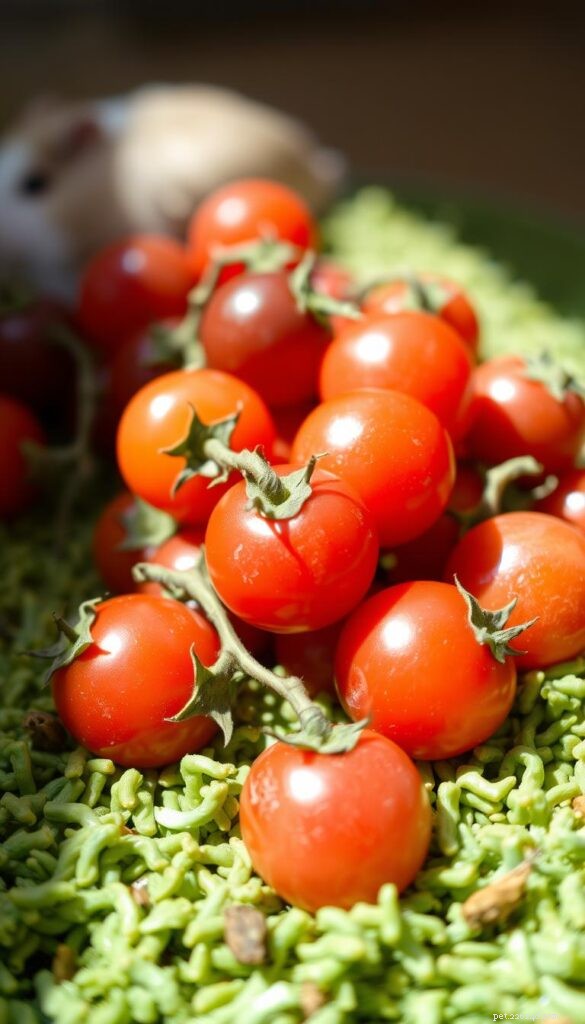
Adding colorful variety to your guinea pig’s meals can boost excitement at snack time. These tiny, oval‑shaped fruits pack sweetness and nutrients in every bite, making them a practical choice for small animals.
What Makes These Tiny Fruits Unique?
Unlike standard tomatoes, grape varieties have thicker skins and concentrated flavor. Their lower acidity reduces the risk of tummy upset, while the natural sugars encourage picky eaters to try new foods. One piece offers just enough texture for chewing practice without overwhelming tiny jaws.
Why Pet Owners Love Them
Busy caregivers appreciate how these snacks simplify feeding routines. No slicing required—just rinse and serve! They stay fresh longer in the fridge compared to chopped produce, reducing waste. The portion‑friendly size also helps maintain a balanced diet by preventing overfeeding.
Rich in vitamin C and fiber, these treats support immune health and digestion when given 2‑3 times weekly. Always pair them with hay‑based meals to keep your companion’s nutritional needs on track. Watch for enthusiastic nibbles—many small pets go wild for that juicy crunch!
Nutritional Value: Vitamins and Minerals in Tomatoes
Bright red snacks offer more than just crunch—they deliver essential nutrients your pet needs. While hay remains the dietary foundation, tomatoes contain three standout components that support overall wellness. Let’s explore how these juicy treats contribute to a thriving companion.
Vitamin C: A Non‑Negotiable Nutrient
These fruits provide 39.2 mg of vitamin C per 100 g serving. Since guinea pigs cannot produce this vitamin naturally, daily intake prevents scurvy—a condition causing joint pain and poor healing. Pair tomatoes with bell peppers or kale for balanced nutrition.
Beyond Vitamin C: Hidden Benefits
Potassium (237 mg/100 g) maintains fluid balance and muscle function, while 1.2 g of fiber aids digestion. This combination supports your pet’s active lifestyle and unique cecotrophy process, where they redigest food for maximum nutrient absorption.
| Nutrient | Amount per 100 g | Health Benefit |
|---|---|---|
| Vitamin C | 39.2 mg | Immune support & scurvy prevention |
| Potassium | 237 mg | Muscle & nerve function |
| Fiber | 1.2 g | Digestive health |
For optimal results, combine these snacks with balanced meal plans. Remember—variety ensures your furry friend gets all necessary vitamins without overloading on any single nutrient. Moderation keeps those excited nibbles both safe and beneficial!
How Much Tomato Is Safe for Your Guinea Pig?
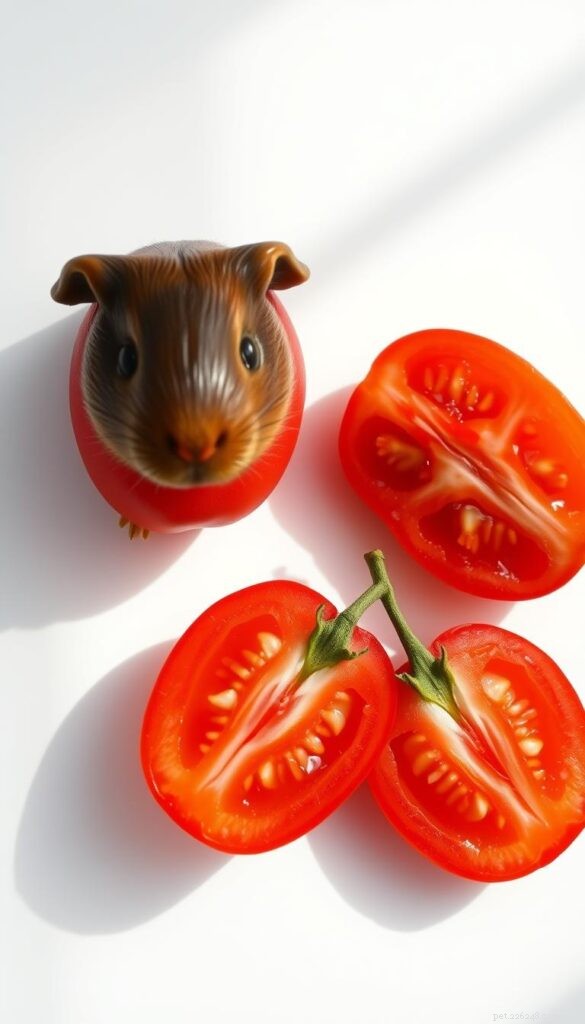
Portion control makes all the difference when introducing new flavors. While tomatoes offer nutritional perks, their acidic content demands careful measurement to keep meals enjoyable and safe.
Recommended Serving Sizes and Frequency
Adult pets thrive with one to two cherry tomatoes weekly—about the size of a thumbtack. This amount delivers vitamins without overwhelming delicate digestive systems. For larger varieties like beefsteak, cut a one‑inch cube to match the volume.
Younger companions need half‑portions until they reach six months old. If you’re mixing fruits like blueberries or apple slices, reduce tomato quantities to stay within the 5 % treat rule. Overweight pets? Skip these snacks entirely until their vet approves.
Understanding the Role of Treats in a Balanced Diet
Think of tomatoes as the sprinkles on a sundae—delightful accents, not the main course. Hay should fill 80 % of their diet, with pellets and veggies making up the rest. Moderation prevents nutrient imbalances while letting your pet enjoy variety.
Watch for loose stools or reduced hay consumption after offering these treats. Adjust portions if needed, and always pair juicy snacks with fiber‑rich greens. A happy companion thrives on both routine and occasional surprises!
Preparing Tomatoes for Your Guinea Pig
Safety starts at the grocery store. Choosing the right produce and handling it properly ensures snack time stays joyful and risk‑free. Let’s walk through the essentials of transforming fresh tomatoes into pet‑friendly treats.
Selecting Ripe, Red Tomatoes
Look for vibrant red fruits without green patches. The rich color signals that solanine—a natural toxin in unripe tomatoes—has broken down. Never feed green or partially ripe options, as they can cause serious digestive distress.
Check for firmness and smooth skin. Avoid bruised or mushy pieces, which may harbor bacteria. Organic varieties reduce pesticide exposure, but thorough washing remains crucial either way.
Proper Chopping and Serving Techniques
Start by removing all stems and leaves—these contain concentrated alkaloids. Rinse under cool water while gently scrubbing the surface. Pat dry with a clean towel to remove residue.
Slice grape tomatoes into halves or quarters if your pet struggles with whole pieces. The seeds are safe to leave in, adding texture without risks. Serve immediately at room temperature for best flavor and digestion.
| Tomato Part | Safe to Eat? | Notes |
|---|---|---|
| Ripe red flesh | Yes | Primary edible portion |
| Stems & leaves | No | Toxic compounds present |
| Seeds | Yes | Digestible and harmless |
| Unripe green fruit | No | Contains solanine |
Store uneaten portions in the fridge, but always bring them to room temperature before serving again. Freshness matters—discard any leftovers after two hours to prevent spoilage.
Identifying Foods Your Guinea Pigs Can and Cannot Eat
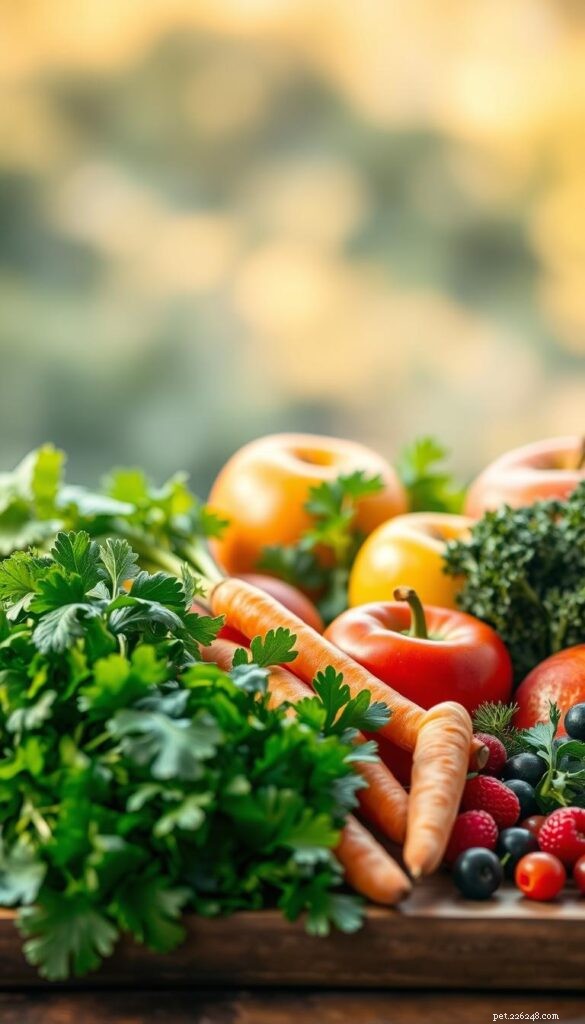
Feeding your furry friend the right mix of foods keeps them hopping with joy. A balanced diet combines three essentials: unlimited hay, nutrient‑rich pellets, and fresh produce. Let’s break down what belongs on their plate—and what doesn’t.
Timothy hay should fill 80 % of their meals. This roughage maintains healthy digestion and grinds down ever‑growing teeth. Pair it with fortified pellets containing vitamin C—a must‑have nutrient their bodies cannot produce.
Leafy greens like romaine lettuce and cilantro form the base of their daily veggie intake. Add colorful options:
- Bell peppers (vitamin C boosters)
- Shredded carrots (for beta‑carotene)
- Zucchini slices (low‑calorie hydration)
Fruits such as blueberries or apple slices make fun weekly treats. Their natural sugars mean tiny portions—think thumbnail‑sized pieces twice a week. “Variety sparks interest, but moderation prevents weight gain,” notes a small‑animal nutritionist.
Steer clear of these dangerous items:
| Food | Risk |
|---|---|
| Avocado | Toxic fats |
| Onions | Blood cell damage |
| Chocolate | Heart issues |
Always introduce new vegetables slowly over 3‑5 days. Watch for changes in droppings or energy levels. When in doubt, consult an exotic vet before adding unfamiliar items to their menu!
Can Guinea Pigs Eat Grape Tomatoes?
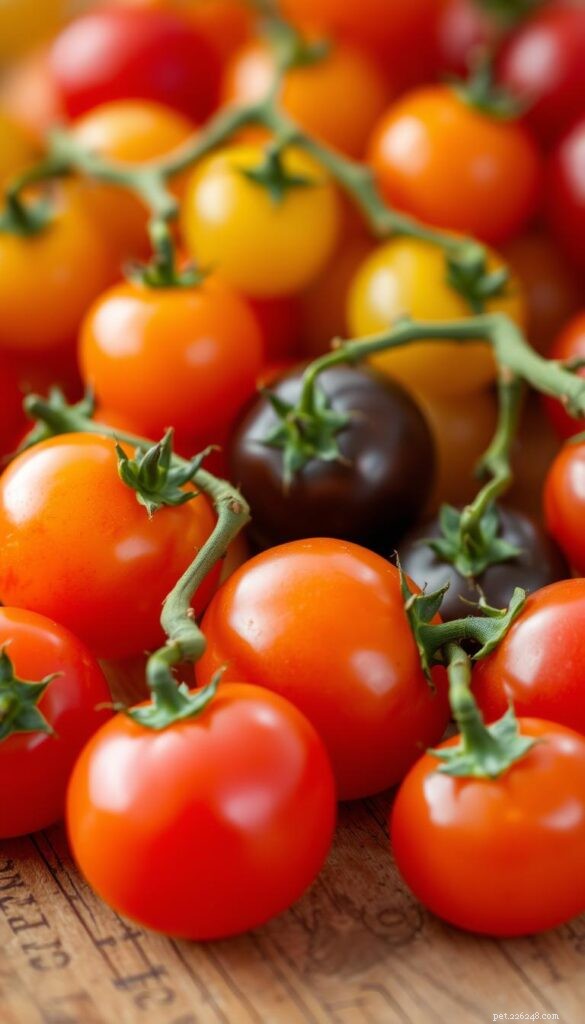
Offering juicy snacks requires understanding both their value and potential concerns. While vibrant fruits add excitement to meals, smart choices ensure your furry companion stays healthy and happy.
Weighing the Benefits Against the Risks
These treats deliver vitamin C and antioxidants like lycopene. Many pets show pure delight when nibbling the sweet flesh, making snack time enriching. However, high acidity demands caution.
Overfeeding can lead to mouth irritation called cheilitis. Digestive systems may struggle with excess sugars, causing loose stools. A balanced approach maximizes enjoyment while minimizing discomfort.
| Benefits | Considerations |
|---|---|
| Supports immune health | Limit to 1‑2 weekly servings |
| Provides hydration | Watch for lip redness |
| Encourages food exploration | Pair with high‑fiber greens |
Guidelines for Safe Tomato Consumption
Start with pea‑sized portions if introducing tomatoes for the first time. Always remove stems and wash thoroughly. Never offer unripe or spoiled pieces.
Monitor closely for 24 hours after initial feedings. Reduced appetite or unusual droppings signal it’s time to pause. For detailed safe feeding practices, consult trusted resources.
Remember—treats should complement, not replace, staple foods. Hay remains essential for dental health and digestion. When served thoughtfully, these snacks become joyful additions to your pet’s routine!
Monitoring Your Guinea Pig’s Health and Dietary Balance
Keeping your small companion thriving means staying alert to their daily habits and physical cues. Regular observation helps catch potential issues early, ensuring treats remain a safe part of their diet.
Signs of Digestive Issues to Watch For
Notice changes in bathroom patterns like loose stools or reduced output. These often signal digestive discomfort requiring quick action. Diarrhea demands immediate removal of new foods from their menu.
Watch for mouth redness or reluctance to chew. Acidic foods might irritate sensitive lips over time. Pair mindful observation with weekly weight checks using a kitchen scale.
Lethargy or hiding behaviors could indicate broader health concerns. A happy pet stays engaged with their environment—sudden disinterest in playtime warrants attention. Track eating habits closely since appetite changes often precede visible symptoms.
Always keep fresh hay available to support gut function during dietary experiments. If concerns arise, consult an exotic vet promptly. With careful monitoring, you’ll maintain your guinea pig’s health while expanding their culinary world!
FAQ
Are grape tomatoes safe for my pet to eat?
Yes, but only in moderation. These small fruits are non‑toxic and provide vitamin C, which supports immune health. However, too much can cause digestive upset due to their acidity.
How often can I offer tomatoes as a snack?
Limit tomato treats to 1‑2 small pieces weekly. Pair them with leafy greens like romaine lettuce or bell peppers for a balanced diet. Always prioritize hay, which makes up 80 % of their meals.
Should I remove seeds or skin before feeding?
Yes. While the flesh is safe, seeds and stems pose choking risks. Wash thoroughly, slice into tiny chunks, and discard green parts to avoid solanine toxicity.
What signs indicate a bad reaction to tomatoes?
Watch for diarrhea, lethargy, or loss of appetite. If these occur, stop feeding tomatoes immediately and consult a vet. Introduce new foods slowly to monitor tolerance.
Can other tomato varieties harm my furry friend?
Avoid unripe or canned tomatoes, which contain harmful compounds. Stick to fresh, ripe red varieties like cherry or grape tomatoes. Never feed leaves or stems—they’re toxic.
Do tomatoes replace other veggies in their diet?
No. Treats like tomatoes should never substitute core foods like timothy hay, leafy greens, or pellets. Rotate veggies like zucchini or cucumbers for nutritional variety.
- Master Cat Sign Language: 3 Proven Steps for Clear Communication
- 250 Distinct & Creative Dog Names: Find the Perfect Fit
- 7 Domestic Cat Breeds That Mimic Wild Felines
- Effective Flea Removal for Cats: A Comprehensive Guide
- LaPerm Cat Breed Profile: History, Traits, and Care
- Top 10 Must‑Watch Films Centered Around Dogs
- The Collective Name for Pugs Explained: Why They’re Called a Grumble