

Are Cucumber Seeds Safe for Guinea Pigs?
Pet owners often ask whether it’s safe to share cucumber seeds with their guinea pigs. The answer is reassuring: the entire cucumber—including flesh, skin, and seeds—is generally safe for guinea pigs, provided it is offered in moderation.
Although cucumber seeds are not toxic, they offer little nutritional value beyond a mild crunch. A balanced diet for guinea pigs relies primarily on hay, fresh vegetables, and foods high in vitamin C. Seeds can add variety but should not replace core staples.
When introducing any new item, start with a very small portion to monitor for digestive upset. For detailed serving-size guidance and preparation tips, consult our comprehensive resource on cucumber slices.
Watch for signs such as loose stools or a sudden loss of appetite. If your guinea pig tolerates the seeds well, occasional treats can enhance their menu. Variety is important, but balance guarantees long‑term health.
Understanding Your Guinea Pig’s Nutritional Needs
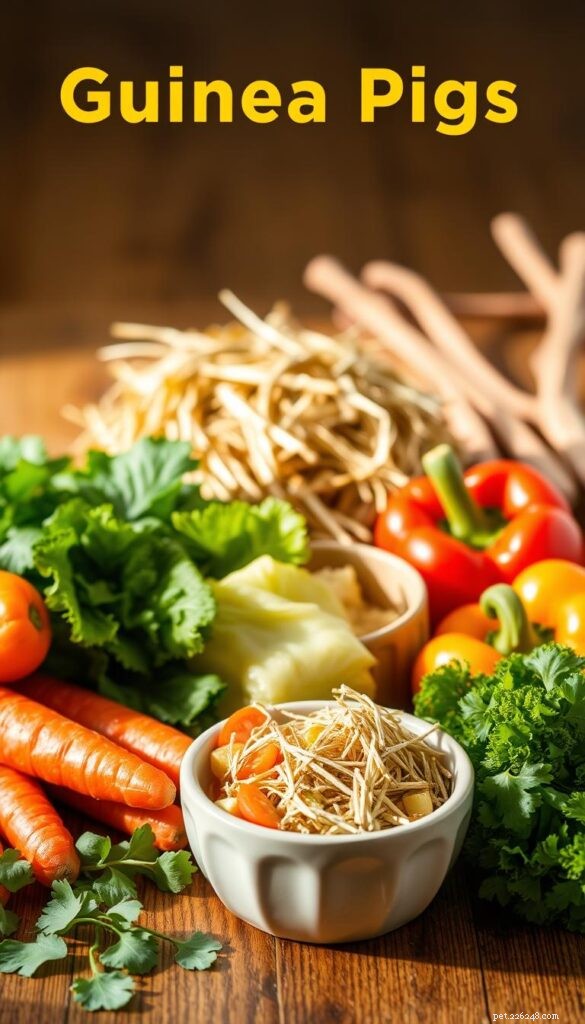
Developing a healthy meal plan begins with recognizing the nutrients that keep your small companion thriving. While treats add excitement, hay and grass remain the foundation of a guinea pig’s diet. These fiber‑rich staples support digestive function and help wear down continuously growing teeth.
Grass and Hay: The Daily Essentials
Fresh timothy hay should occupy roughly three‑quarters of your guinea pig’s bowl each day. Compared to alfalfa, timothy hay provides lower calcium, which is essential for preventing urinary calculi in adults. Unlimited access encourages natural grazing and helps maintain optimal tooth length.
Vitamin C: A Non‑Negotiable Requirement
Guinea pigs cannot synthesize vitamin C, requiring 10–50 mg daily. Leafy greens such as bell peppers and kale are excellent sources. During pregnancy or illness, increase intake under veterinary guidance.
| Hay Type | Fiber Content | Calcium Level | Best For |
|---|---|---|---|
| Timothy | High | Low | Adults |
| Orchard | Moderate | Medium | Seniors |
| Alfalfa | Lower | High | Pups |
Combine high‑quality hay with fresh vegetables and balanced supplements for complete nutrition. To learn how guinea pigs forage in the wild, explore our section on natural feeding behaviors. Always introduce new foods gradually to prevent digestive upset.
Nutritional Profile of Cucumbers
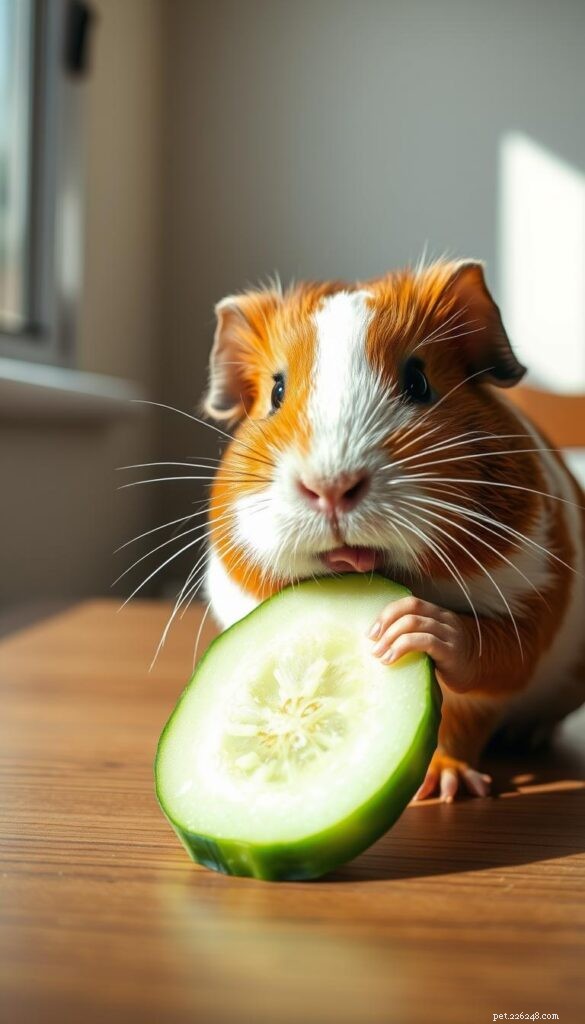
Cucumbers are not only refreshing but also nutritionally valuable for small pets. They provide essential vitamins and minerals while keeping hydration levels high.
Key Vitamins and Minerals
Per 100 g, cucumbers contain 5.3 mg of vitamin C—helpful for daily immune support. Each serving delivers 14 mg of calcium, supporting bone health, but should be monitored to avoid excess urinary calcium.
Trace amounts of potassium and magnesium support nerve function and muscle health. “Low‑sugar veggies like cucumbers are ideal for maintaining energy balance,” notes a small‑animal nutritionist.
Hydration Benefits for Your Pet
With over 95 % moisture, cucumbers serve as a natural hydrating snack, ideal for hot days or picky drinkers. Adequate hydration aids digestion and helps prevent bladder stones—a common issue in guinea pigs.
Pair cucumber slices with fiber‑rich hay to balance moisture intake. This combination promotes regularity and overall comfort. Introduce new foods slowly to avoid gastrointestinal distress.
Can Guinea Pigs Eat Cucumber Seeds?
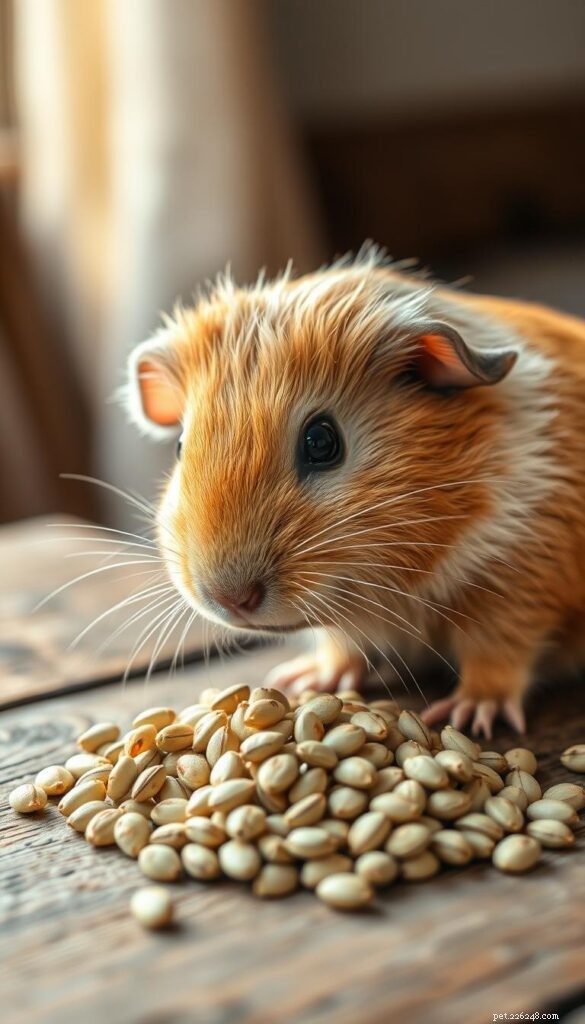
Adding cucumber seeds to your guinea pig’s diet is safe, but their role should remain minor. Seeds can stay within slices if the animal enjoys them, yet priority should always be given to leafy greens and hay.
Begin by offering a thin slice that includes seeds. Observe which parts the animal consumes and remove any leftovers within two hours to prevent spoilage. Preferences vary—some pets eat every seed, others avoid them.
Limit seeds to no more than 10 % of daily vegetable intake. Pair cucumber treats with high‑fiber foods like romaine lettuce or parsley to support digestion. Balanced feeding prevents loose stools while keeping meals interesting.
“Treat seeds like confetti—sprinkle sparingly for fun, not as main ingredients,” advises Dr. Emily Carter, a small‑animal veterinarian.
| Seed Type | Safety Status | Notes |
|---|---|---|
| Cucumber | Safe | Limit to 1–2 weekly servings |
| Bell Pepper | Safe | Remove before serving |
| Apple | Unsafe | Contain trace cyanide |
| Tomato | Unsafe | High acidity risks |
Track reactions for 48 hours after introducing seeded slices. Normal droppings and steady energy levels indicate good tolerance. If concerns arise, omit seeds next time—the flesh still delivers hydration benefits.
Feeding Guidelines for Cucumbers and Seeds
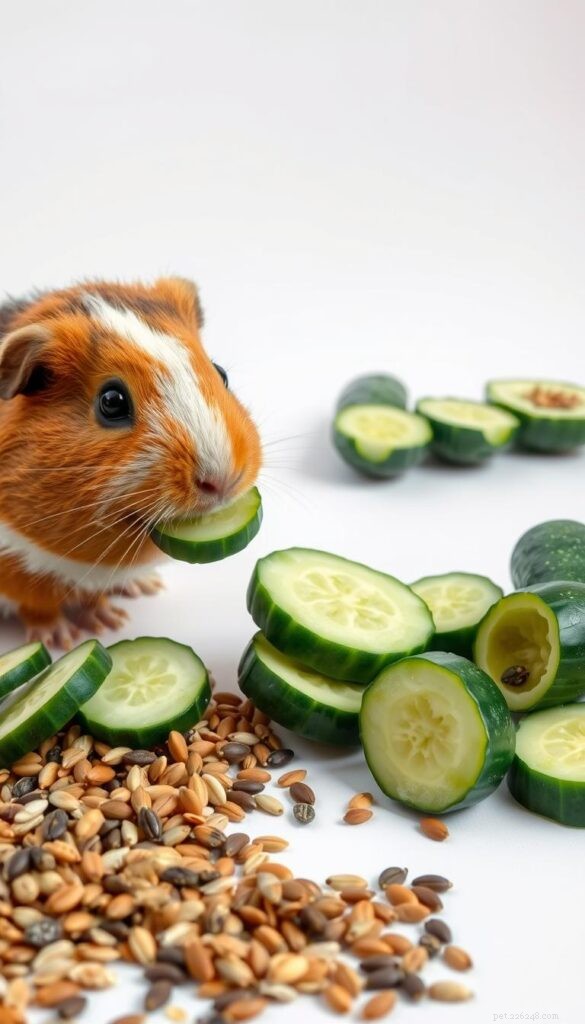
Creating a balanced menu requires mindful portioning and nutrient awareness. Below is a practical guide for incorporating cucumber slices while maintaining optimal health.
Daily Serving Recommendations
Provide about one cup (250 g) of mixed vegetables daily, alongside hay. Cucumbers should account for roughly 15 % of this volume—around 40 g or two thin slices. Distribute portions across 2–4 weekly feedings to avoid watery stools.
Pair cucumbers with calcium‑rich greens like kale or dandelion to balance their 0.7:1 calcium‑to‑phosphorus ratio against the ideal 1.33:1 target. Seeds are included in the overall measurement; separate tracking isn’t required.
Evaluating the Ca:P Ratio
Low calcium levels in cucumbers necessitate pairing with complementary foods. Use the chart below to build balanced meals:
| Vegetable | Calcium (mg/100g) | Phosphorus (mg/100g) | Ca:P Ratio |
|---|---|---|---|
| Kale | 254 | 55 | 4.6:1 |
| Bell Pepper | 10 | 20 | 0.5:1 |
| Parsley | 138 | 58 | 2.4:1 |
| Cucumber | 16 | 24 | 0.7:1 |
Offer cucumber during active periods—morning or evening play sessions. Remove uneaten pieces within two hours to keep the space fresh. Monitor droppings; adjust amounts if necessary.
Exploring the Benefits of Cucumbers in a Guinea Pig Diet
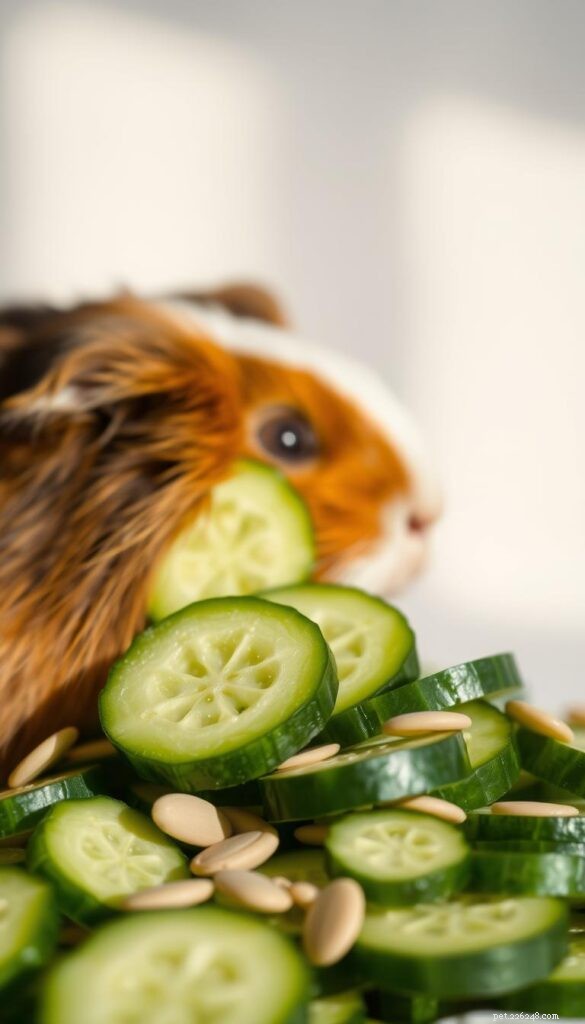
Incorporating cucumbers into a guinea pig’s diet enhances hydration and nutrition with minimal risk. They provide three core benefits:
- Water boost: 95 % moisture content helps prevent dehydration during hot weather.
- Vitamin C support: Each slice contributes to daily immune needs.
- Weight management: Low calorie count allows healthy snacking without overfeeding.
The mild crunch stimulates chewing instincts, promoting dental health and mental engagement. While not as nutrient‑dense as leafy greens, cucumbers complement staple foods nicely. Rotate with bell peppers and zucchini for balanced nutrition.
“Think of cucumbers as edible water bottles with bonus vitamins,” suggests Dr. Sarah Thompson, exotic animal specialist.
Serve fresh slices at room temperature. Remove uneaten portions within two hours to maintain safety. Pair with timothy hay to balance moisture and fiber intake.
Risks and Downsides of Overfeeding Cucumbers
Although cucumbers are a safe snack, overconsumption can upset a guinea pig’s delicate digestive system. Sudden dietary shifts—even with safe foods—may trigger discomfort.
Potential Gastrointestinal Upset
Excess cucumber dilutes digestive enzymes, leading to loose stools. Gut bacteria struggle to process large amounts, causing gas and bloating. Signs include decreased hay or pellet consumption.
Introduce new foods slowly. Stick to 1–2 thin slices per serving to avoid digestive trouble.
Signs of Diarrhea and Dehydration
Watery droppings indicate immediate action. Prolonged diarrhea can dehydrate the animal. Look for a dry nose or sluggish movement—these warrant urgent veterinary care.
Recovery involves:
- Halting cucumber treats for 48 hours
- Increasing hay to stabilize digestion
- Providing electrolyte‑rich water if approved by your vet
Prevent issues by tracking portion sizes. A balanced diet is far more important than occasional watery snacks.
Integrating Cucumbers into a Balanced Diet
View cucumber slices as supporting players, not main attractions. A thriving diet combines fresh produce with core nutritional pillars.
Building Synergy Between Staples
Start with unlimited hay—about 80 % of daily intake. Pair with ⅛ cup of fortified pellets and 1 cup of mixed vegetables. Cucumber slices work best alongside leafy greens such as romaine or cilantro.
Rotate produce daily to maintain interest. Combine two calcium‑rich veggies with one hydrating option like cucumber. This balance supports urinary health while delivering essential vitamins. Remove uneaten food promptly to preserve freshness.
Remember: treats should never exceed 10 % of total calories. A thumb‑sized cucumber slice twice weekly adds variety without compromising nutritional goals. Bright eyes and consistent droppings signal a healthy digestive system.
FAQ
What should make up most of my pet’s daily meals?
Fresh hay and grass should constitute 80 % of their diet, supporting healthy digestion and tooth wear. Supplement with vitamin C‑rich veggies like bell peppers to prevent deficiencies.
Are cucumbers a good snack for hydration?
Yes! Cucumbers are 96 % water, ideal for hot days. They also contain small amounts of vitamin K and potassium, supporting bone health and muscle function.
Is it safe to feed the inner part of cucumbers?
The soft seeds inside cucumbers are generally harmless in small amounts. However, remove larger or tougher seeds from other veggies, like tomatoes, to avoid choking risks.
How much cucumber can I offer each day?
Stick to 1–2 thin slices daily. Overfeeding can disrupt the calcium‑to‑phosphorus balance, crucial for preventing bladder stones. Always pair with high‑fiber foods like timothy hay.
What happens if they eat too much cucumber?
Excess intake may cause loose stools or diarrhea due to high water content. Watch for lethargy or reduced appetite, and ensure fresh water is always available to counter dehydration risks.
Can cucumbers replace other veggies in their diet?
No—rotate cucumbers with leafy greens such as romaine lettuce and herbs. Variety ensures diverse nutrients without overloading any single food. Combine with fortified pellets for a balanced diet.
- Flying with Your Dog: A Comprehensive Guide to Pet-Friendly Air Travel
- How Dogs and Llamas Can Coexist: Tips for a Harmonious Household
- 65 Charming Irish Cat Names – Inspired by the Emerald Isle
- Top 15 Fastest Dog Breeds: Speed, Agility, and Athleticism
- Prevent Boredom in Pet Birds: Expert Tips for Engaging Intelligent Birds
- Smoothly Welcoming Your Dog to New Neighbors: A Step‑by‑Step Guide
- 33 Animals That Prefer Spring Over Winter