

Can Guinea Pigs Safely Enjoy Pomegranate Seeds?
If you’ve ever wondered whether a handful of juicy, ruby‑red pomegranate seeds can be a healthy addition to your guinea pig’s diet, you’re not alone. Many owners seek fresh, nutrient‑rich treats that also keep their small companion safe and happy. The short answer is yes—pomegranate seeds can be offered responsibly, but as with any treat, moderation and proper introduction are essential.
Understanding Your Guinea Pig’s Core Diet
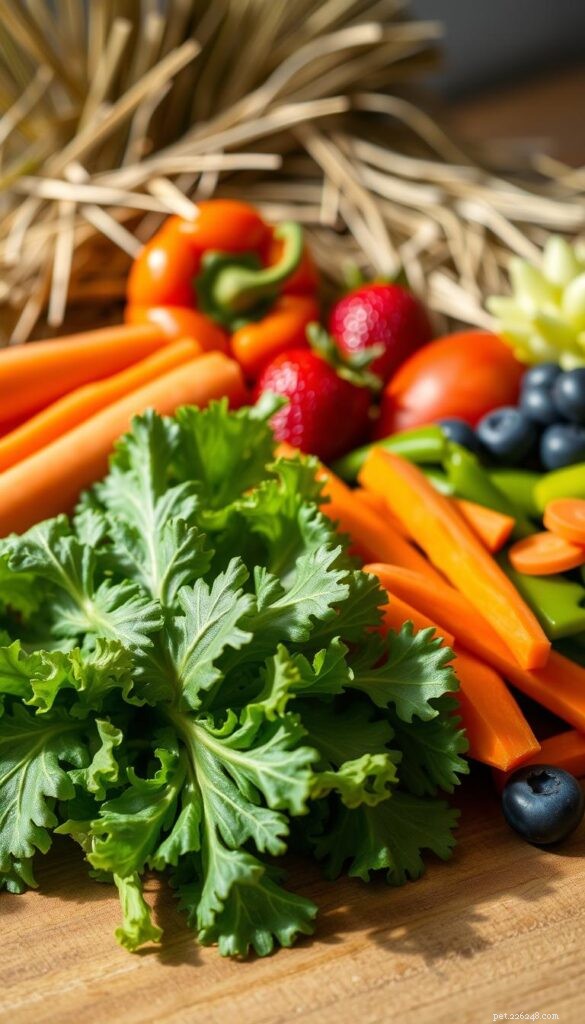
Guinea pigs thrive on a well‑balanced menu that mimics their natural grazing habits. The following percentages reflect a diet recommended by most small‑animal veterinarians and nutritionists:
| Food Type | Daily Percentage | Key Role |
|---|---|---|
| Grass Hay | 75% | Digestive health & dental care |
| Vegetables | 15–20% | Vitamin & mineral source |
| Pellets | 5% | Supplemental nutrients |
| Treats | <5% | Occasional enrichment |
Unlimited access to high‑quality hay is crucial; it provides the fiber needed for gut motility and the continuous chewing that keeps teeth at a healthy length. Fresh leafy greens and a rotation of colorful vegetables should constitute the bulk of their daily vitamin intake, especially vitamin C, which guinea pigs cannot synthesize.
The Nutritional Profile of Pomegranate Seeds
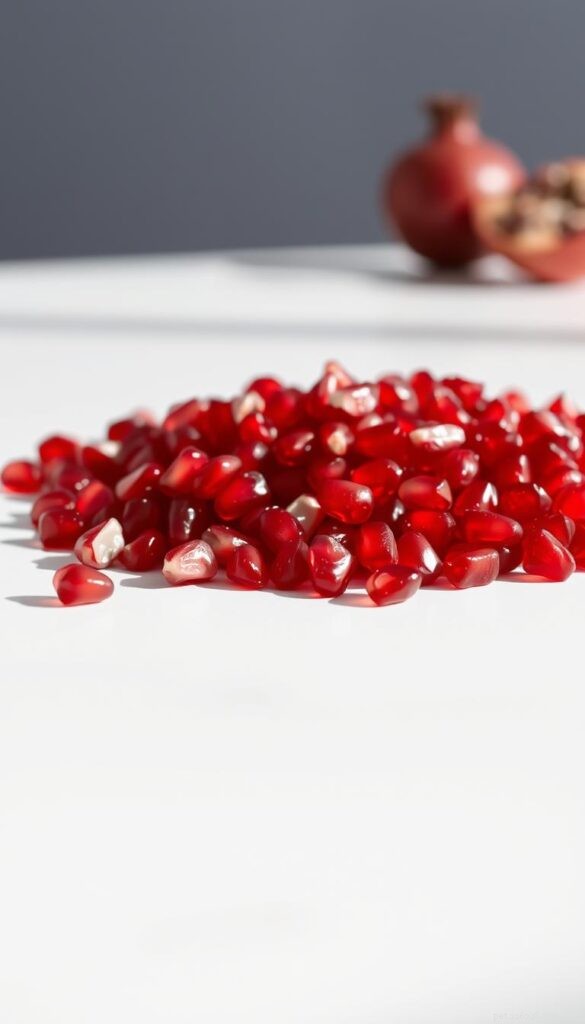
Pomegranate seeds are a nutrient powerhouse, offering a trio of key benefits:
| Nutrient | Key Benefit | Importance |
|---|---|---|
| Vitamin C | Immune support | Prevents scurvy |
| Polyphenol oxidase (PPO) | Antioxidant defense | Cell protection |
| Tannins | Dental health | Reduces plaque buildup |
| Potassium | Muscle function | Balances fluids |
These compounds work synergistically to boost overall health: the vitamin C helps stave off scurvy, antioxidants fight oxidative stress, and tannins can help keep gums clean. Additionally, the seeds provide modest dietary fiber that can aid digestion when introduced sparingly.
Safe Feeding Guidelines
While the benefits are clear, the natural sugar content of pomegranate seeds requires careful portion control. Excess sugar can lead to weight gain, diarrhea, or dental problems, especially in pets that are already prone to obesity.
Age‑Specific Recommendations
- Under 6 months: avoid seeds entirely; focus on hay and leafy greens.
- After 6 months: a few seeds once a week is acceptable.
Recommended Portion Size
Offer 2–3 seeds twice a week as a reward, ensuring they make up less than 10% of the daily vegetable intake. A single seed provides roughly 10% of the daily vitamin C requirement for an average guinea pig.
Potential Risks and Management Tips
| Consideration | Benefit/Risk | Management Tip |
|---|---|---|
| Texture | Dental wear | Limit to 1–2 seeds per week |
| Cyanogenic glycosides | Potential oxygen issues | Remove all skins and seeds before offering |
| Digestive response | May cause diarrhea | Monitor stool consistency closely |
If you notice loose stools, lethargy, or a sudden drop in appetite within 12 hours of introducing seeds, stop immediately and wait at least a month before re‑testing. Consistent weigh‑ins can help catch weight fluctuations early.
Introducing Pomegranate Seeds Gradually
Start by offering a single seed alongside the guinea pig’s usual greens. Wait 48 hours before adding another. If the animal’s stool remains firm and activity levels are unchanged, you can slowly increase the portion over a 2–3 week period, ultimately reaching 2–3 seeds twice a week. Patience is key—rapid changes can upset the delicate balance of their gut microbiota.
Monitoring Your Pet’s Response
| Sign to Watch | Healthy Response | Action Needed |
|---|---|---|
| Appetite | Eats normally | Continue introduction |
| Energy Levels | Active & playful | No changes required |
| Droppings | Firm, consistent | Adjust portion size if needed |
Keep a simple log of observations to track patterns and make data‑driven decisions about feeding.
Portion Control and Serving Suggestions
Balancing treats with core nutrition ensures your guinea pig stays healthy and energetic. Below is a practical progression:
| Stage | Serving Size | Frequency |
|---|---|---|
| Initial Introduction | 1 seed | Daily for 7 days |
| After Adjustment | 2–3 seeds | Every 3 days |
| Long‑Term Maintenance | Up to 5 seeds | 2–3 times weekly |
Because a single seed contains about 0.5 g of sugar, three seeds deliver nearly 1.5 g. Pair seeds with low‑sugar veggies like cucumber or zucchini, and rotate with other safe fruits such as strawberries to maintain variety without excess sweetness.
Comparing Pomegranate Seeds With Other Fruits
While pomegranate seeds boast higher antioxidant levels than apples or bananas, their sugar content sits between blueberries (lower) and grapes (higher). They are therefore a middle‑ground option for occasional rewards.
Always keep leafy greens as the primary source of vitamins, and consider low‑sugar options like bell peppers or cilantro when rotating fruit snacks. Monitor your pet’s weight and stool to ensure that treats remain an enrichment rather than a dietary staple.
Frequently Asked Questions
What’s the role of hay and veggies in my pet’s diet?
Hay is essential for digestion and dental health, while fresh veggies provide vitamins such as vitamin C. Together, they make up 80–90% of a guinea pig’s daily meals.
Are treats like pomegranate seeds okay for daily feeding?
No—treats should only constitute less than 10% of their diet. Offer sugary options sparingly, ideally once a week, to avoid weight gain or digestive upset.
Do pomegranate seeds offer any health benefits?
Yes! They’re rich in antioxidants and vitamin C, which support immunity. However, due to their sugar content, moderation (1–2 seeds per serving) is key.
Can too much sugar harm my pet?
Absolutely. Excess sugar can lead to obesity, tooth decay, or diarrhea. Always prioritize low‑sugar veggies like bell peppers or leafy greens as staples.
How do I safely introduce new foods like pomegranate?
Start with a tiny piece and watch for reactions such as lethargy or loose stools. If all goes well, offer a small portion occasionally as a special snack.
What’s a safe serving size for sugary fruits?
For small pets, a teaspoon‑sized portion once a week is plenty. Remove uneaten bits quickly to prevent spoilage in their habitat.
How do pomegranates compare to other fruits?
They’re higher in sugar than berries or apples. Rotate fruits like blueberries or melon (in moderation) for variety without overloading on sweetness.
- Pyrenean Mastiff: Powerful Mountain Guard Dog
- What Drives Dogs to Rub Their Faces on Carpet: A Closer Look
- Safely Remove Eye Stains from Maltese Dogs – A Vet‑Approved Guide
- Lush’s Bewitched Bubble Bar: The Halloween‑Inspired, Pet‑Friendly Skincare Treat
- Step-by-Step Guide: Performing CPR on a Dog in Emergencies
- Advantage II for Cats: Complete Guide to Dosage, Safety & Side Effects
- Managing Service Dog Misbehavior: Guidelines for Businesses