

Are Bell Pepper Seeds Safe for Guinea Pigs? A Vet‑Backed Guide
When you’re offering fresh vegetables to your guinea pig, the tiny seeds inside bell peppers may catch your eye. Before sharing a colorful snack, it’s essential to know which parts are safe and which could pose a risk.
Understanding Your Guinea Pig’s Nutritional Needs
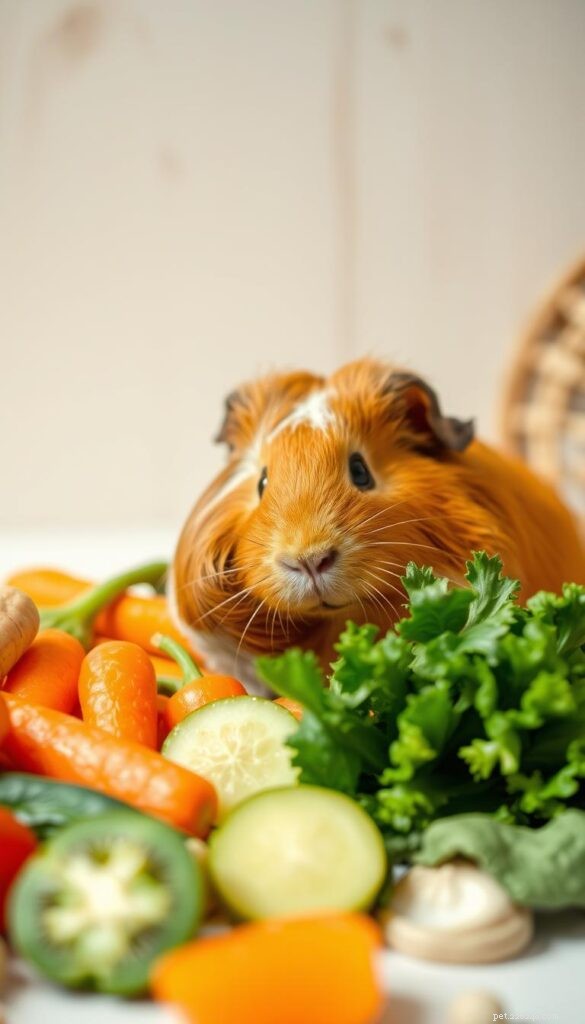
Guinea pigs rely on two key nutrients that cannot be produced internally: vitamin C and calcium. Vitamin C is vital for preventing scurvy—manifested by weakness and gum bleeding—while calcium supports bone and tooth health. Excess calcium, however, can stress kidneys, especially in satin‑coated strains.
Building a Balanced Diet
Start with unlimited timothy hay as the foundation for digestive health. Complement it with vitamin C‑rich greens such as kale or parsley, rotating varieties weekly. High‑quality pellets provide supplemental nutrients, but keep portions moderate to avoid obesity. Colorful veggies should make up 10–15 % of the daily ration. Monitor weight, eye condition, and urine color to detect subtle imbalances early.
Can Guinea Pigs Eat Bell Pepper Seeds?
While bell peppers are a popular treat, the seeds inside are a point of debate among owners and nutritionists.
Choking Hazard Considerations
Experts differ on seed safety. Some warn that the firmer texture of pepper seeds could obstruct the airway in fast‑eating or senior animals. Others note that normal chewing breaks down these small particles. For healthy adults, seeds are usually well tolerated, but for puppies, dental‑issue sufferers, or those prone to gulping food, seed removal adds a precautionary layer.
Key point: Bell pepper seeds are not the same as peppercorns or spice seeds, which contain harmful compounds.
When to Remove Seeds
- Cut peppers into bite‑sized squares (1–2 inches).
- Store leftovers in airtight containers for 2–3 days.
- Rotate colors weekly to provide varied nutrients.
- Observe your pet during snack time to ensure comfortable chewing.
Nutritional Benefits of Bell Peppers
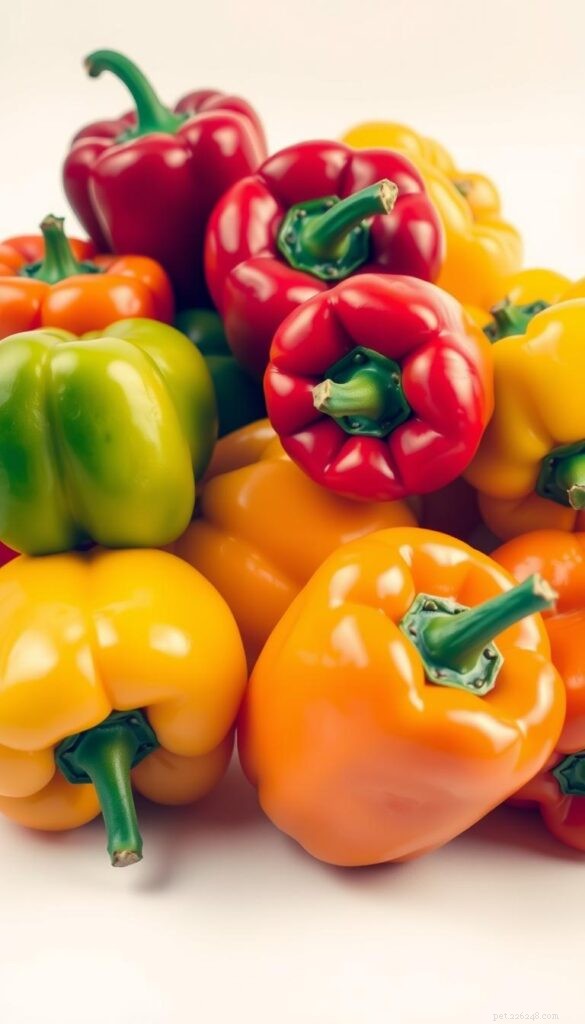
Bell peppers are a nutrient powerhouse, especially for vitamin C and fiber, which aid immune function and smooth digestion.
Vitamin C & Fiber Breakdown
Yellow varieties top the chart with 183.5 mg per 100 g, surpassing oranges. Fiber keeps the gut moving and reduces bloating.
| Color | Vitamin C (mg/100 g) | Calcium (mg/100 g) |
|---|---|---|
| Yellow | 183.5 | 11 |
| Red | 127.7 | 7 |
| Green | 80.4 | 10 |
Immune Support
One slice daily delivers over half the daily vitamin C requirement, helping stave off scurvy. All colors contribute calcium without overloading the system.
Choosing the Right Bell Pepper Color
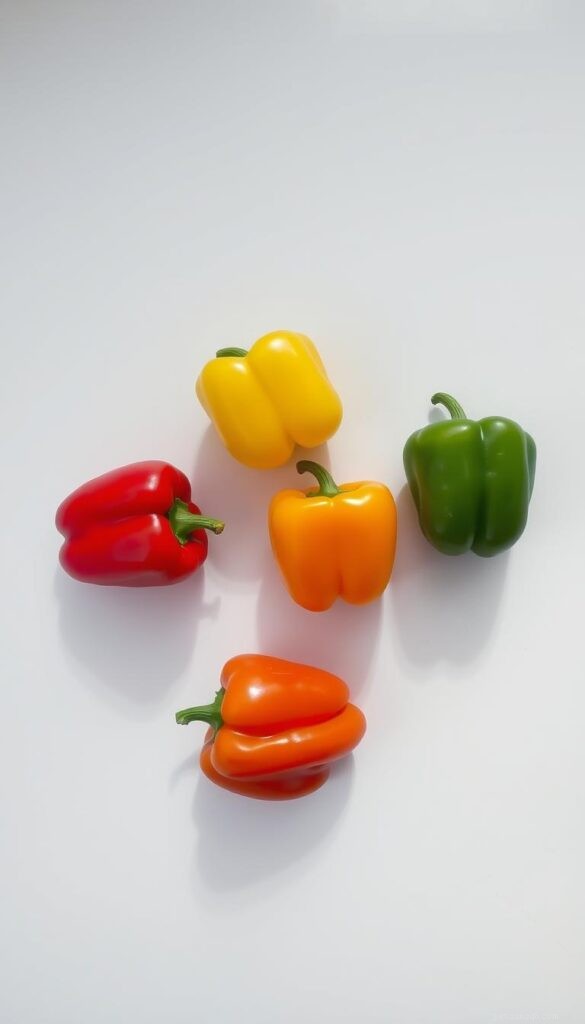
Color matters for both nutrition and sugar content.
Color Comparison
Green peppers offer the lowest sugar (2.4 g/100 g) and are ideal for weight‑conscious pets. Ripe reds and yellows double vitamin C content, supporting immunity.
| Color | Vitamin C (mg) | Sugar (g) |
|---|---|---|
| Green | 80.4 | 2.4 |
| Yellow | 183.0 | 4.0 |
| Red | 127.7 | 4.2 |
| Orange | 158.9 | 3.9 |
Sweetness Management
Offer green slices three times as often as sweeter varieties. Limit a thumb‑sized portion of red or yellow twice a week to keep sugar intake moderate.
Preparing Bell Peppers Safely
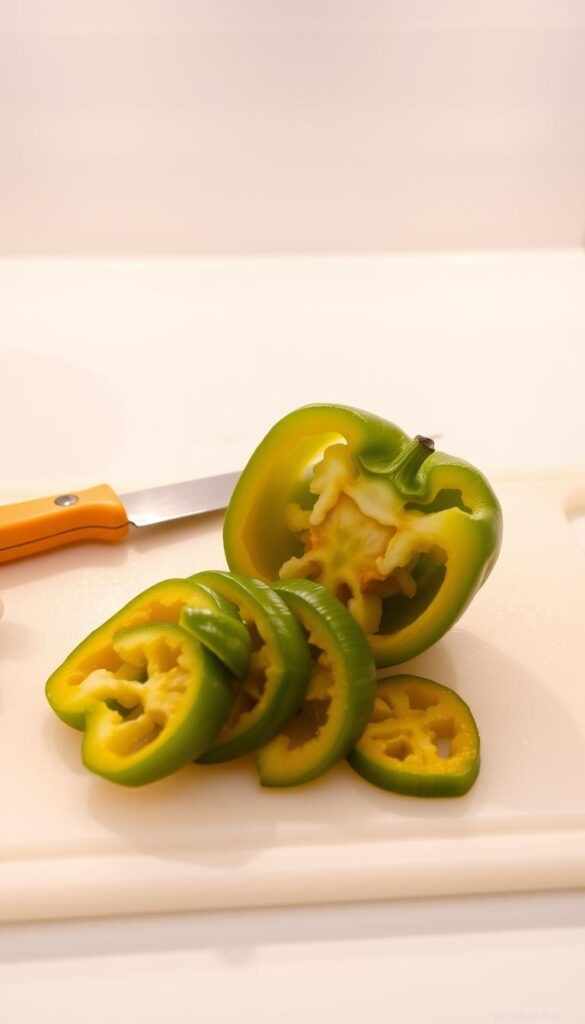
Follow these steps to transform bell peppers into a safe, nutritionally balanced treat.
Cleaning & Seed Removal
- Rinse peppers under cool water for 20 seconds and scrub lightly with a produce brush.
- Pat dry, slice off the top near the stem, and discard leaves.
- Keep the white placenta—the nutrient‑rich membrane—while removing seeds with a spoon or knife tip.
- Cut into 1–2 inch squares and store in airtight containers for 2–3 days.
For added safety, monitor seed intake and observe your pet during feeding.
Debunking Common Myths
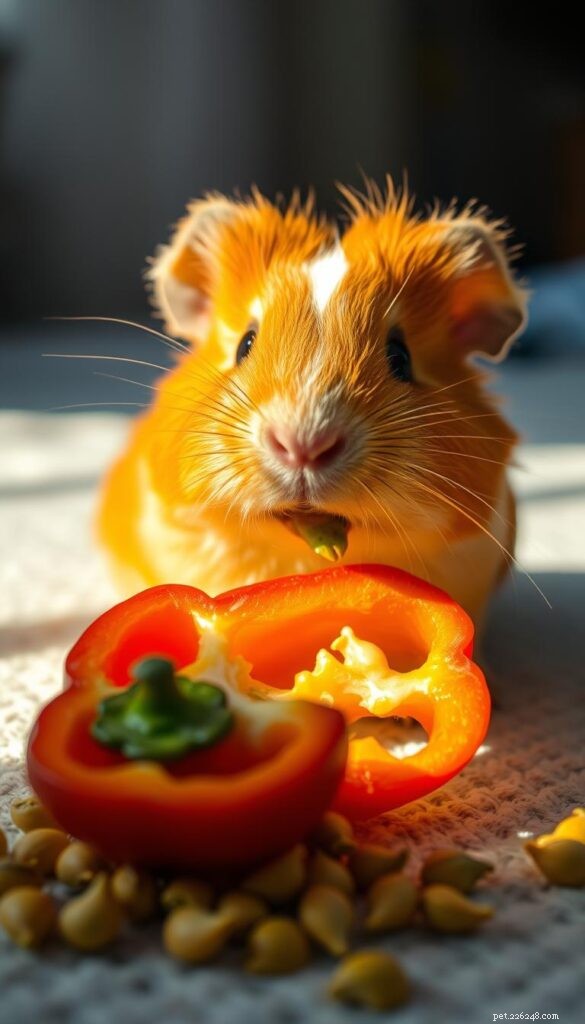
Clear up misinformation that can lead to over‑caution or unnecessary restrictions.
Myth vs. Fact
| Common Belief | Scientific Reality |
|---|---|
| Seeds cause intestinal blockages | Soft seeds pass through digestion easily |
| Seeds get stuck in teeth | Chewing mechanics prevent dental issues |
| All pepper parts are dangerous | Only stems pose mild toxicity risks |
Veterinary nutritionist Dr. Emily Sanders explains: “Bell pepper seeds contain no harmful compounds, and their soft texture dissolves during digestion.”
Pairing Bell Peppers with Other Safe Vegetables
Combining textures and nutrients prevents menu fatigue.
Complementary Pairings
| Vegetable | Vitamin C (mg) | Calcium (mg) | Fiber (g) |
|---|---|---|---|
| Red Bell Pepper | 127.7 | 7 | 2.1 |
| Romaine Lettuce | 24 | 33 | 2.1 |
| Carrot | 5.9 | 33 | 2.8 |
| Cucumber | 2.8 | 16 | 0.5 |
Rotate sweet, miniature peppers with zucchini or green beans for texture variety. Avoid spicy chili varieties that contain capsaicin.
Sample Weekly Menu
- Monday: Bell peppers + cilantro + celery
- Wednesday: Cucumber + parsley + cherry tomatoes
- Friday: Zucchini + basil + carrot sticks
Practical Feeding Tips
Smart meal planning keeps your guinea pig healthy without overwhelming its sensitive digestive system.
Portion Control & Frequency
The Humane Society recommends two half‑inch slices daily—roughly 1–2 bite‑sized squares—serving 3–4 times a week. Rotate colors to maximize benefits. Remove uneaten pieces within four hours to prevent spoilage.
Observing Reactions
Introduce new foods slowly, starting with thumbnail portions. Monitor droppings, energy levels, and weight. Contact an exotic‑animal vet if you notice lethargy, bloating, or appetite loss.
FAQ
Are bell pepper seeds safe for small pets?
While bell pepper flesh is a healthy snack, seeds can pose a choking risk due to size. Removing them before serving is recommended.
Why is vitamin C crucial for my pet’s health?
Guinea pigs cannot synthesize vitamin C, so deficiency leads to scurvy. Bell peppers are a rich source, supporting immunity and overall vitality.
Do different bell pepper colors affect nutritional value?
Yes. Red and yellow varieties contain higher vitamin C and sugars than green ones. Rotating colors balances sweetness and nutrients.
How should I prep veggies to avoid digestive issues?
Wash thoroughly, remove stems, seeds, and tough membranes, and chop into bite‑sized pieces.
Can I mix bell peppers with other fresh foods?
Absolutely. Pair with leafy greens or herbs, but introduce new items gradually.
How much calcium is too much in their diet?
Excess calcium can cause bladder stones. Focus on low‑calcium veggies like bell peppers and avoid high‑oxalate greens such as spinach.
What if my pet refuses new foods?
Offer small portions with familiar favorites. Increase gradually if they show interest; never force‑feed.
Are there myths about feeding peppers I should ignore?
Seeds are generally safe when removed, and colorful veggies are nutrient‑dense when served properly.
How often should I offer fresh veggies?
Provide 1/8 to 1/4 cup daily, split into two meals. Overfeeding can cause bloating.
Can sugar in red peppers harm my pet?
Natural sugars are safe in moderation. Balance sweeter varieties with lower‑sugar options like zucchini or cucumber.
- How Much Time Should You Spend With Your Rabbit? A Guide to Bunny Bonding
- Pet Remedy vs Feliway: Which Calming Diffuser Truly Works for Your Cat?
- 33 Common Texas Snakes – Expert Guide & Photos
- Top Safe Houseplants for Your Curious Cat
- Why Dogs Howl When You Play Guitar: Insights into Canine Music Reactions
- Master Time Management: How to Fit Dog Training Into a Busy Schedule
- Discover 6 Benefits of Raising Multiple Dogs at Home