

Are Sunflower Seeds Safe for Guinea Pigs? A Vet‑Approved Guide
As a conscientious pet owner, you’ll naturally wonder whether sunflower seeds—popular, crunchy snacks—are a healthy addition to your guinea pig’s diet. While these kernels contain valuable nutrients, they must be offered with caution to maintain optimal health.
Sunflower seeds provide healthy fats, protein, and essential vitamins that can complement a balanced diet. However, their high calorie density means moderation is essential; excessive consumption can lead to weight gain or digestive upset over time.
Think of these seeds as occasional rewards rather than daily staples. One seed once or twice a week is adequate for most small pets. Always remove the shell to eliminate choking hazards, and choose unsalted varieties to avoid excess sodium and additives.
This article explains how to safely incorporate sunflower seeds into meals, recommended portion sizes, signs of overindulgence, and healthier snack alternatives that keep your guinea pig active and thriving.
Understanding Sunflower Seeds: A Nutritional Overview
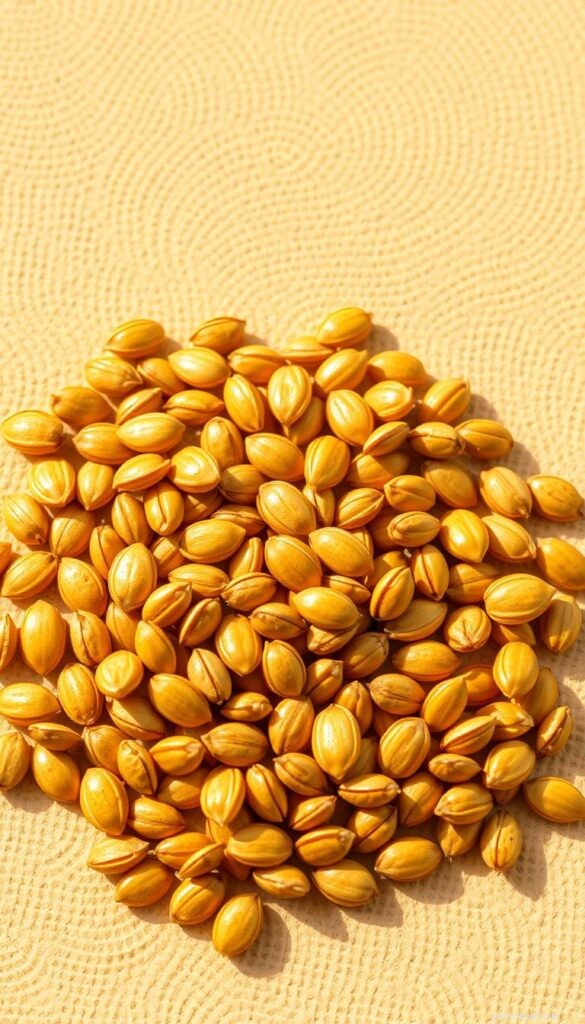
Exploring the nutritional profile of sunflower seeds reveals why they are both appealing and potentially risky for small pets. They contain a concentrated blend of nutrients that can support—but should not dominate—a balanced diet.
Key Vitamins, Minerals, and Healthy Fats
Vitamin E is the most prominent nutrient, acting as a powerful antioxidant that supports immune function. Magnesium and selenium also appear in notable amounts, aiding nerve conduction and metabolic processes.
The healthy fats in sunflower seeds—primarily polyunsaturated and monounsaturated fatty acids—provide energy without raising cholesterol when consumed sparingly. Linoleic acid, an essential omega‑6 fatty acid, helps maintain supple skin and a glossy coat.
The Role of Protein and Fiber
Protein is not merely filler; it is the building block for muscle growth and repair, particularly beneficial for young or recovering guinea pigs. However, remember that a guinea pig’s protein requirements differ from humans.
Fiber adds digestive benefits but should never replace hay, the primary source of roughage. Treat sunflower seeds as a bonus rather than a core component of the diet.
What Are Sunflower Seeds? Origins and Composition

Native to North America, sunflower seeds have been harvested for more than 3,000 years. Historically used as both food and ceremonial objects, they remain prized worldwide for their nutrient density.
Seed Structure and Edible Components
Each seed has a tough outer shell and a soft inner kernel. The shell protects the kernel but is indigestible to guinea pigs. Even small shell fragments can cause discomfort or blockage, so it is essential to remove the shell before offering the kernel.
The kernel’s high-fat content makes it ideal for occasional rewards. In small amounts, it offers nutritional benefits, but its calorie density demands strict portion control. Pair treats with leafy greens for a balanced snack.
Raw, unsalted kernels provide maximum safety and nutritional value. Remember: moderation is key to keeping your pet healthy and happy.
Can Guinea Pigs Eat Sunflower Seeds? Pros and Cons Analysis

When offering treats to small pets, balancing rewards with nutritional safety is crucial. Sunflower seeds can deliver valuable nutrients, yet their suitability hinges on how they are introduced.
Nutritional Benefits for Your Pet
The soft inner kernel delivers omega‑6 fatty acids that promote skin elasticity and a glossy coat. A single seed occasionally contributes vitamin E, which combats cellular damage, and magnesium, which supports nerve health.
Young or highly active guinea pigs can benefit from the protein boost these snacks provide, but treat them as a supplemental support—an add‑on rather than a replacement for a well‑balanced diet.
Potential Health Risks to Consider
High fat content turns these treats into potential weight‑gain culprits. Even two seeds per week can push a small guinea pig toward obesity if exercise and hay consumption are not maintained.
Unshelled varieties pose immediate choking hazards, while even peeled kernels may displace hay consumption. Always prioritize fibrous greens and grasses—the true dietary workhorses.
Watch for softer stools or reduced appetite after introducing new foods. These subtle signs often reveal when treats cross from fun to problematic.
Feeding Guidelines: Proper Serving Sizes and Preparation

Creating a safe snacking routine starts with understanding portion control and preparation steps. These crunchy treats should enhance—not disrupt—your pet’s primary meals of hay and fresh veggies.
Ensuring Seeds Are Unsalted and Shelled
Always select raw, unsalted kernels. Sodium‑heavy varieties strain tiny kidneys and may lead to dehydration. The shelling process is non‑negotiable—fibrous casings can cause intestinal tears.
Begin with half a seed weekly to test tolerance. Observe droppings and appetite over 48 hours. If no issues arise, gradually increase to one full kernel twice weekly.
| Frequency | Serving Size | Preparation | Notes |
|---|---|---|---|
| Twice weekly | 1‑2 seeds | Shelled, raw | Pair with leafy greens |
| First‑time trial | ½ seed | Hand‑inspected | Monitor for 2 days |
Inspect each kernel under bright light before serving. Even small shell fragments pose risks. Use tweezers for precise removal of stubborn husk pieces.
Treat timing matters—offer seeds midday between main meals. This prevents reduced appetite for balanced guinea pig diet staples. Rotate with other safe snacks like bell pepper slices to maintain variety.
Understanding the Risks: Overfeeding and Choking Hazards
Treats should enhance your pet’s life—not threaten it. Those crunchy kernels pack hidden dangers when portion control slips or preparation shortcuts occur. Let’s explore how to spot trouble before it escalates.
Identifying Signs of Obesity and Digestive Issues
Weight gain creeps up quietly in small animals. You might notice slower movement or reluctance to climb ramps. A rounded belly that persists beyond mealtimes often signals excess fat storage.
Digestive distress reveals itself through messy clues. Loose stools, unusual gassiness, or ignored food bowls demand immediate attention. “Even occasional overindulgence can strain sensitive systems,” notes an exotic veterinarian from Ohio.
Whole seeds or shell fragments create silent threats. Watch for coughing fits or pawing at the mouth—clear signs of a choking hazard. Blockages deeper in the gut may cause sudden lethargy or refusal to drink.
- Track weekly weigh‑ins using a kitchen scale
- Store kernels in childproof containers to prevent accidental access
- Replace high‑fat snacks with cucumber slices during training sessions
Early intervention prevents lifelong consequences. Adjust diets at the first sign of trouble, and consult your vet if symptoms linger beyond 24 hours. Your furry friend’s vitality depends on proactive care.
Building a Balanced Guinea Pig Diet

Proper nutrition forms the cornerstone of your pet’s vitality. A well‑structured meal plan combines three pillars: fibrous hay, vitamin‑packed vegetables, and specially designed pellets. This trio works together to support everything from digestion to immune function.
Core Components for Optimal Health
Timothy hay should fill 80% of the food bowl daily. Its rough texture wears down constantly growing teeth while keeping the gut moving smoothly. Fresh bundles also encourage natural foraging behaviors.
Leafy greens like romaine lettuce and kale deliver crucial vitamin C. These veggies prevent scurvy—a common issue since small pets can’t produce this nutrient. Rotate varieties weekly for nutritional diversity.
Choose high‑quality commercial pellets fortified with stabilized vitamin C. Unlike generic rodent mixes, species‑specific formulas contain optimal calcium‑phosphorus ratios. Limit portions to ⅛ cup daily to prevent selective eating.
The magic happens when these elements work in harmony. Hay maintains dental and digestive health, vegetables supply antioxidants, and pellets fill nutritional gaps. Occasional snacks like shelled sunflower kernels add enrichment without disrupting this delicate balance.
Watch for bright eyes, steady weight, and consistent droppings—these signs confirm your dietary approach works. Adjust ratios gradually if activity levels change, and always consult an exotic vet during life‑stage transitions.
Exploring Safe Treat Alternatives for Your Guinea Pig
Diversifying your pet’s snack options keeps meals exciting while prioritizing health. Many low‑risk choices deliver essential nutrients without the pitfalls of high‑fat treats. Let’s explore flavorful options that support vitality through smart ingredient selection.
Fresh Fruits and Vegetables Benefits
Crunchy vegetables like red bell peppers shine as vitamin C powerhouses. Three thin slices provide a full day’s requirement, boosting immunity naturally. Pair these with cucumber rounds for hydration during warmer months.
Leafy greens such as romaine lettuce offer fiber and mental stimulation. Scatter torn pieces in their enclosure to mimic wild foraging behaviors. Rotate varieties weekly—kale one day, spinach the next—to prevent boredom.
Fruits like apple slivers work as special‑occasion rewards. Their natural sugars mean strict limits: a thumbnail‑sized piece twice weekly. Always remove seeds from produce; tomato or pepper seeds pose no harm when consumed incidentally.
| Treat Type | Key Benefits | Serving Tip |
|---|---|---|
| Bell Peppers | High vitamin C, low calories | 3 thin slices daily |
| Cucumber | Hydration support | 2‑3 rounds 4× weekly |
| Apple Slices | Fiber & enrichment | ½″ piece twice weekly |
Remember: cultivated snacks like sunflower kernels should never replace these staple foods. Use them sparingly alongside a hay‑focused diet for balanced nutrition. Your furry friend’s bright eyes and energetic hops will confirm you’ve nailed their meal plan!
Monitoring Your Guinea Pig’s Health and Behavior
Every pet owner knows that introducing new treats requires careful observation. Small companions often show subtle clues about their dietary preferences and tolerances. Let’s explore how to spot positive or negative responses to snack experiments.
Spotting Positive and Negative Responses
Watch your furry friend closely during treat time. Some animals eagerly nibble sunflower seeds, while others ignore them completely. This variation highlights why personalized attention matters.
Check for physical signs like bright eyes and steady eating habits. Loose stools or reduced activity could signal digestive issues. Immediate changes in bathroom patterns often appear within 24 hours.
Keep a simple log noting reactions to different foods. Note which treats spark excitement and which get left uneaten. This record helps tailor future snack choices to your guinea pig’s unique needs.
If discomfort arises, pause new foods and consult your vet. Remember: one animal’s favorite snack might upset another’s stomach. Prioritize hay and veggies while using seeds as rare rewards.
FAQ
Are sunflower seeds safe for small pets?
While not toxic, they’re high in fat and pose choking risks. Occasional tiny portions (1‑2 seeds) may be okay, but consult your vet first.
What nutrients make these seeds risky?
Their calorie‑dense profile includes excess fats and minimal fiber, which can strain digestion and lead to weight gain if overfed.
How should seeds be prepared if offered?
Always remove shells to prevent choking, and choose unsalted varieties. Crush or split them to reduce hazards.
What are healthier snack alternatives?
Fresh veggies like bell peppers or leafy greens provide vitamins without excess fat. Fruits like blueberries can be occasional treats.
How do I spot digestive issues after feeding new foods?
Watch for lethargy, bloating, or irregular droppings. Contact a veterinarian immediately if these signs appear.
Can seeds replace commercial pellets?
No. High‑quality hay and fortified pellets meet daily nutrient needs. Seeds lack essential calcium and vitamin C required for health.
What’s the biggest risk of overfeeding fatty treats?
Obesity and liver problems can develop over time. Stick to a diet focused on hay (80%), veggies, and limited fruits or safe snacks.
- Seven Proven Habits for Highly Effective Dog Owners
- Understanding the Flehmen Response: What It Means for Your Cat
- How to Diagnose and Treat Weak, Wobbly, or Shaking Rabbit Hind Legs
- AristaCat – This Week’s Premier Ragdoll Cat
- Why Dominance-Based Dog Training Is a Myth: Embrace Positive, Proven Methods
- Essential Care Guide for Bearded Dragons: Tips for Healthy Reptile Owners
- Is Cantaloupe Safe for Your Cat? Quick Guide to Benefits & Precautions