

Yellow Bell Peppers: A Safe, Nutrient‑Rich Treat for Guinea Pigs
When you want to diversify a guinea pig’s diet, bright vegetables like sweet bell peppers naturally draw attention. These crisp treats are not only safe but also rich in essential nutrients that promote overall well‑being.
Bell peppers come in every hue, but yellow ones are a standout source of vitamin C—critical for herbivores that must obtain it entirely from food. USDA FoodData Central lists 183.5 mg per 100 g, almost twice the amount found in green peppers (80.4 mg). This makes yellow peppers an excellent option for pets that need a vitamin boost.
Preparation is simple: rinse thoroughly, cut out the stem, remove the hard seeds, and slice into bite‑sized pieces. The mild sweetness is usually a hit, while the firm crunch encourages natural chewing and helps maintain dental health. Pair with a hay‑based meal to keep the diet balanced.
In this guide we cover portion sizes, feeding frequency, and potential benefits so you can confidently incorporate these colorful vegetables into your pet’s routine.
Nutritional Benefits of Bell Peppers for Your Guinea Pig
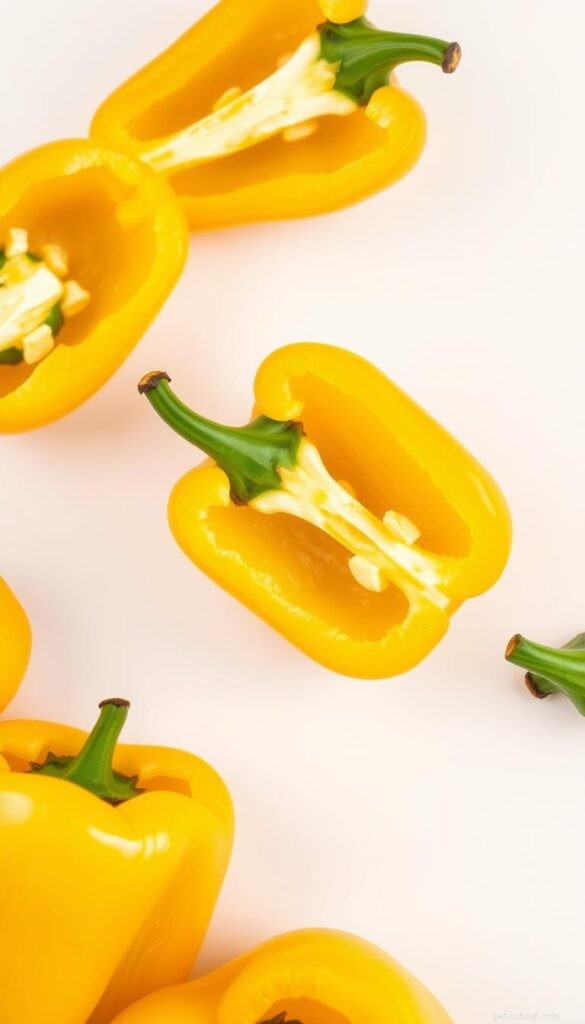
Bright, colorful vegetables are a cornerstone of a healthy guinea pig diet. They deliver key nutrients that support body functions and add variety to daily meals.
Rich Source of Vitamin C
Guinea pigs cannot synthesize vitamin C, so dietary intake is vital to prevent scurvy—marked by weakness and joint pain. Yellow bell peppers provide 183.5 mg per 100 g, roughly three times the amount found in leafy greens, making them an ideal natural source of this antioxidant.
Calcium for Bone Health
Although not as high in calcium as dairy, bell peppers contribute 11 mg per 100 g, supporting bone and tooth strength. For guinea pigs with the satin gene—who struggle with calcium absorption—combining peppers with hay can help maintain a balanced calcium intake without excess risk.
Can Guinea Pigs Eat Yellow Peppers?
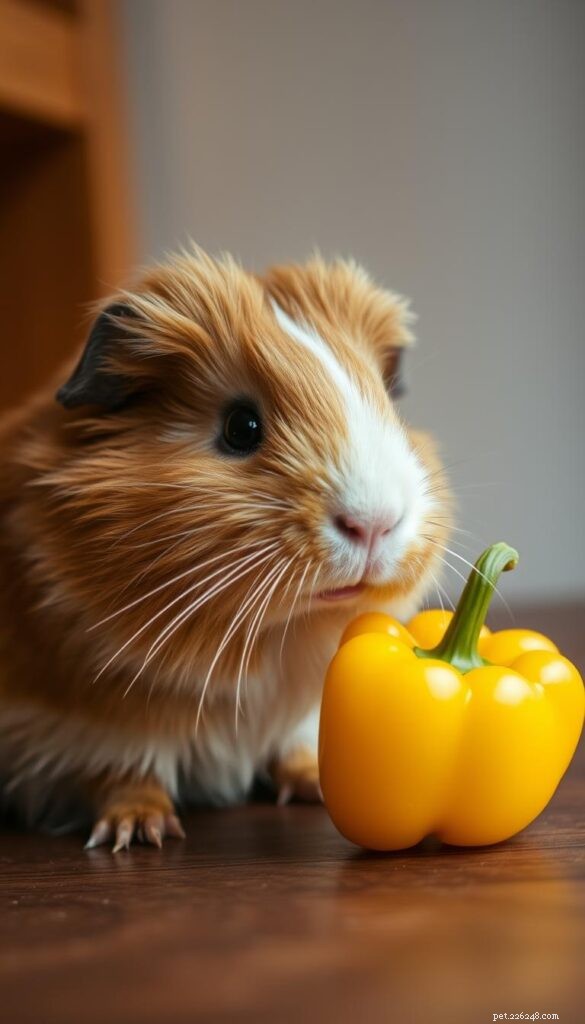
Balancing tasty treats with nutritional needs keeps your furry friend happy and healthy. While these sunny vegetables make an exciting addition to meals, their sugar levels demand thoughtful planning.
Moderation and Variety in Their Diet
Yellow varieties work best as weekly rewards rather than daily staples. A thin slice twice weekly provides vitamin C without overwhelming sensitive digestive systems. Rotate them with cucumber or leafy greens to maintain interest while controlling sugar intake.
Consider this approach:
- Offer yellow types 2-3 times weekly
- Pair with low‑sugar veggies like zucchini
- Limit portions to 1-2 bite‑sized pieces
Understanding the Role of Sugar Content
Ripe yellow peppers contain nearly 40% more natural sugars than green ones. Overfeeding can disrupt gut bacteria, leading to soft stools or weight gain. Always remove seeds and membranes before serving—their hardness differs from softer‑seeded vegetables in a balanced guinea pig diet.
Watch for these signs of excess sugar:
- Reduced hay consumption
- Unusual weight changes
- Loose droppings
Adjust portions based on your pet’s activity level and health history. Fresh water and unlimited hay remain essential for counteracting any dietary imbalances.
Feeding Tips and Safe Preparation
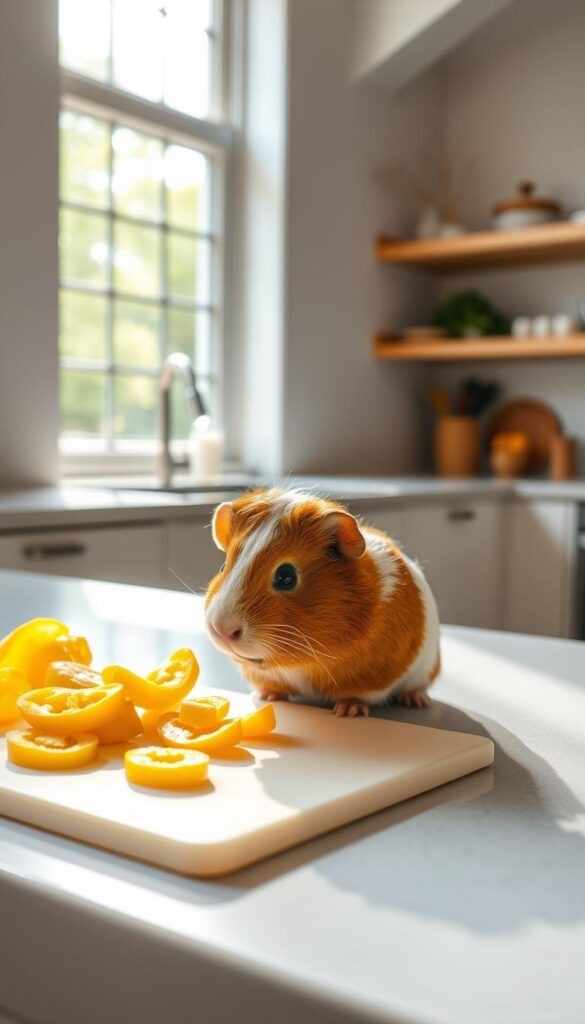
Keeping your furry companion’s snacks both enjoyable and risk‑free starts with smart kitchen habits. Proper handling ensures every bite supports their well‑being while minimizing potential hazards.
Properly Removing Seeds, Stem, and Leaves
Always slice bell peppers lengthwise to easily scrape out hard seeds with a spoon. Unlike cucumber seeds, these tiny pieces can block airways or irritate delicate digestive systems. Discard the stem and any leafy bits—their tough texture offers no nutritional value.
Rinse produce under cool water for 20 seconds to remove dirt or pesticide traces. Pat dry before cutting into thin strips or small cubes. This prep work takes just minutes but makes treats safer for enthusiastic eaters.
Appropriate Portion Sizes for Daily Feeding
The Humane Society recommends two half‑inch slices per day as a balanced serving. Start with smaller amounts if introducing this veggie for the first time. Watch for changes in droppings or appetite—adjust portions based on your pet’s unique needs.
Some owners prefer offering these snacks 3-4 times weekly instead of daily. Pair with hay‑based meals to maintain fiber intake. Remember: variety matters! Rotate bell peppers with other vitamin‑rich veggies like zucchini or leafy greens.
Comparing Bell Pepper Colors and Their Impact on Your Guinea Pig
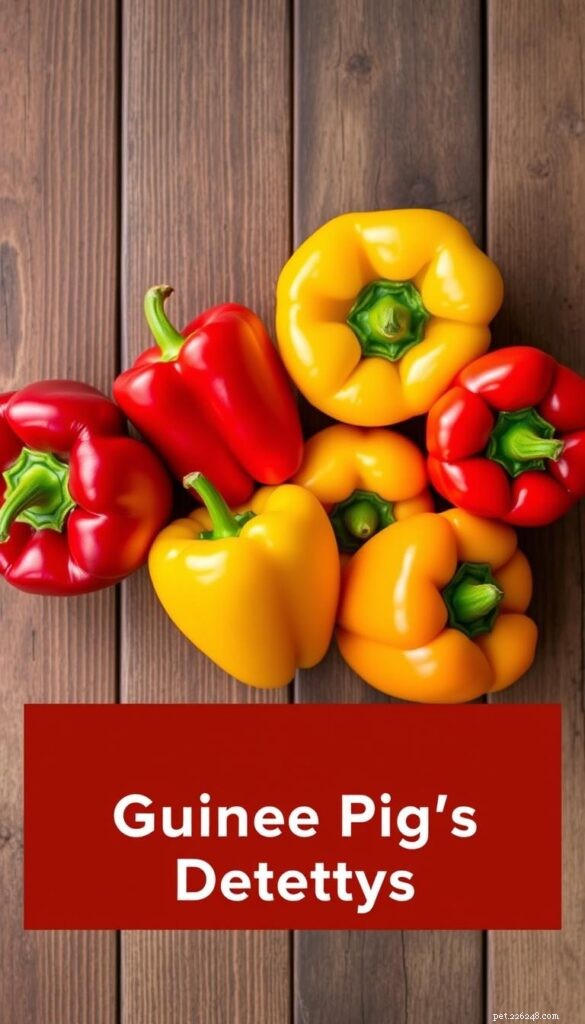
Bell pepper colors tell a nutritional story that affects your pet’s health. While all varieties share similarities, their vitamin levels and sugar content vary significantly. Understanding these differences helps create balanced meal plans tailored to your companion’s needs.
Green vs Yellow: Nutritional Differences
Green types contain 80.4 mg vitamin C per 100g—less than half the amount in yellow varieties. Though lower in this essential nutrient, they offer nearly 2 grams less sugar, making them safer for daily consumption. Their crunchy texture also helps maintain dental health through natural chewing action.
Yellow peppers shine as nutritional powerhouses with 183.5 mg vitamin C—perfect for boosting immunity during stress or illness. However, their higher sweetness means portion control matters. Pair thin slices with hay‑based meals to balance energy levels.
Exploring Red and Orange Variations
Red and orange varieties bridge the gap between green and yellow options. With 127.7 mg vitamin C and moderate sugar levels, they add variety without overwhelming sensitive systems. These colorful options work well for introducing pepper flavors to hesitant eaters.
Calcium content varies slightly across the spectrum—yellow provides 11 mg, green 10 mg, and red 7 mg per 100g. While not a primary calcium source, these amounts support bone health when combined with other leafy greens. Rotate colors weekly to provide diverse nutrients while managing costs, as green varieties typically cost three times less than colored ones.
Wrapping Up Your Guinea Pig’s Diet with Bell Peppers
Crafting a balanced diet for small herbivores requires both knowledge and creativity. While green bell peppers remain the go‑to choice for daily meals due to their lowest sugar content, colorful varieties add excitement to snack time. Many owners find their piggies love the sweeter taste of yellow and orange options, making these ideal for introducing new flavors.
Rotate pepper colors strategically—use vibrant hues as transitional treats before offering milder green types. This approach satisfies natural cravings while maintaining nutritional balance. Always watch for individual preferences that seem like quirky habits; some pets might devour red slices but ignore green ones.
Create a simple tracking system to monitor responses. Jot down which colors your companion enjoys and any changes in energy levels or digestion. Shopping for seasonal peppers on sale lets you offer variety without overspending—just prioritize freshness and organic options when possible.
Remember: even baby herbivores can enjoy tiny pepper pieces. Cut them smaller than adult portions and always remove seeds thoroughly. With thoughtful planning and observation, you’ll create meals that keep your furry friend thriving and eager for every veggie‑filled bite.
FAQ
Are bell peppers a good source of vitamins for my pet?
Absolutely! Bell peppers, especially yellow ones, are packed with vitamin C, which supports immune health. They also provide calcium for strong bones and antioxidants to keep your furry friend thriving.
How often should I offer yellow bell peppers?
Feed them 1–2 times weekly in small amounts. Rotate with green or red varieties to balance sugar intake and add variety to their diet. Always prioritize moderation.
Do I need to remove seeds before feeding?
Yes! Seeds and stems can pose choking risks. Slice the pepper into bite‑sized pieces, discard the core, and rinse thoroughly to ensure safe snacking.
Are green peppers healthier than yellow ones?
Green bell peppers have the lowest sugar content, making them a great daily option. Yellow ones offer more vitamin C but should be given less frequently to avoid excess sugar.
Can I feed red or orange peppers too?
Definitely! Red and orange varieties are safe and rich in nutrients. Introduce new colors slowly to avoid digestive upset, and mix them into their veggie rotation.
How much is safe to serve daily?
A thin slice or two (about 1–2 tablespoons) is plenty. Pair with other low‑sugar veggies like cucumber or leafy greens for a balanced diet.
- The Surprising Intelligence of Chickens: Insights from Science
- Vet vs Trainer: When to Seek Professional Help for Your Pet
- Do Rabbits Really Understand Words? Unlocking Voice & Language Training
- Can Hedgehogs Climb? Expert Insights & Surprising Facts
- 10 Inspiring Moments from My 5-Year Vet Tech Career
- 8 Shocking Dog Acne Popping Videos That Will Leave You Amazed
- Maltese‑Shih Tzu Mix: The Ideal Small‑Dog Companion