

Why Do Guinea Pigs Vibrate? Understanding Their Signals and How to Respond
Have you ever felt a gentle tremor as your guinea pig cuddles or noticed a rapid shiver when you approach? These rhythmic movements are not random—they’re a sophisticated way for these social rodents to communicate a range of emotions.
Just as cats purr to share feelings, guinea pigs use body tremors, coupled with vocal cues, to convey contentment, anxiety, or discomfort. Recognizing these signals allows you to respond appropriately and strengthen the bond with your small companion.
Understanding Guinea Pig Body Language
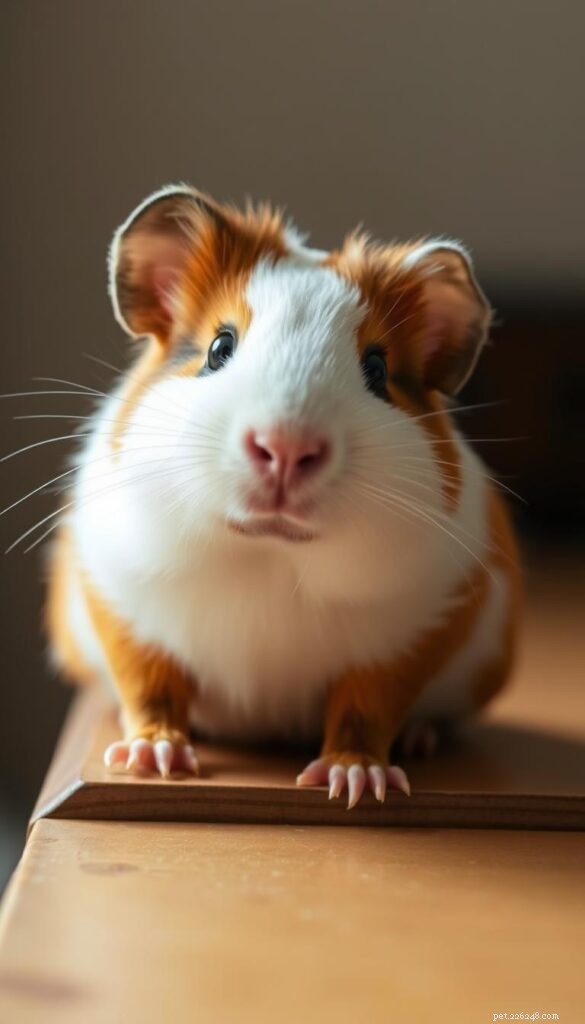
Guinea pigs are highly social animals. Their movements—whether a relaxed rumble or a tense shiver—reflect their internal state. By observing posture, ear position, and eye expression, you can decode what they’re feeling.
Comparing Vibrations, Purring, and Other Sounds
While vibrations are the most visible, they often occur alongside distinct vocalizations. Below is a quick reference guide:
| Signal | Typical Emotion | Body Language | Example Situation |
|---|---|---|---|
| Vibration | Contentment or Alertness | Relaxed posture | Snuggling in bedding |
| Purring | Comfort | Stretched limbs | Being gently petted |
| Chutting | Curiosity | Perked ears | Exploring new toys |
| Whining | Discomfort | Hunched back | Hearing loud noises |
Reading Their Nonverbal Cues
New arrivals often hide initially; this instinctual behavior is normal. Over time, you’ll notice patterns: a calm guinea pig may lie flat like a pancake, whereas tense shoulders or flattened ears signal unease.
Key indicators to watch include:
- Ears: Forward-facing shows interest; flattened ears indicate fear.
- Eyes: Wide eyes mean excitement; squinting suggests relaxation.
- Whiskers: Relaxed whiskers are a sign of contentment.
Every guinea pig develops unique habits—some nudge your hand for attention, others “popcorn” when excited. Track these behaviors over weeks to understand your pet’s personal style.
Why Do Guinea Pigs Vibrate? – Unpacking Pet Behavior
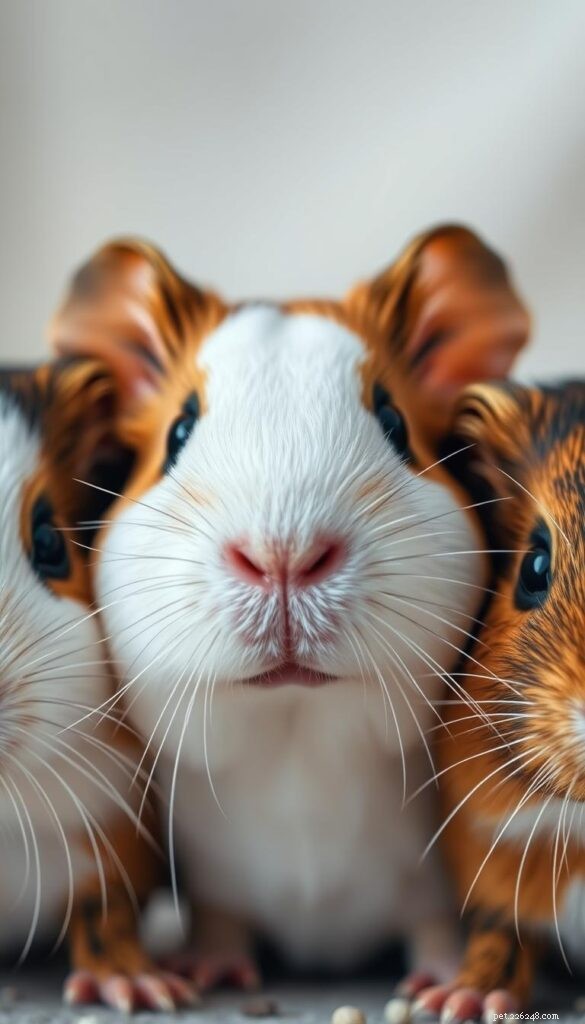
These rhythmic tremors serve as emotional barometers. Below are the primary contexts in which you’ll observe vibrations and what they typically indicate.
Happy Vibrations: Signs of Contentment
Gentle bursts felt during cuddles or while eating are often accompanied by cheerful squeaks—tiny applause for a favorite snack or a soothing grooming session. Notice relaxed whiskers and smooth fur; these are your guinea pig’s way of saying, “I trust you.”
Let the interaction remain calm and uninterrupted to preserve this positive mood.
Stress, Threat, or Cold: Recognizing Unwanted Vibrations
Sharp, visible shivers usually come with stiffened legs, flattened ears, and sometimes low‑pitched growls. These signs often indicate discomfort from loud noises, unfamiliar scents, or a drafty environment.
When you spot tense behavior, check for:
- Drafty spaces or sudden temperature drops.
- High‑traffic areas that may trigger defensive postures.
- Any new objects or scents introduced to the enclosure.
Addressing these triggers promptly restores calm and prevents chronic stress.
Environmental Influences on Vibrational Behavior
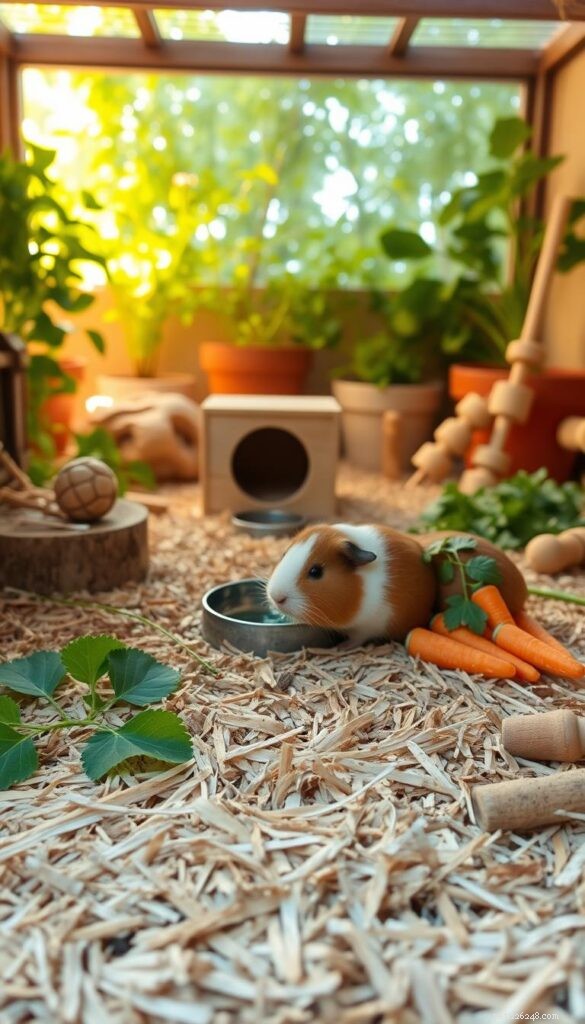
Your guinea pig’s habitat directly shapes their physical responses. Small changes—temperature, bedding, or noise levels—can alter the frequency and intensity of their tremors.
Temperature, Bedding, and the Home Setup
Cold temperatures often trigger shivering. The ideal ambient range is 65–75°F (18–24°C) (ASPCA). Drafty rooms or sudden drops below this range can cause prolonged vibrations.
Outdoor enclosures should be insulated with thick hay layers, and indoor cages should be placed away from air vents or windows. After baths, dry your guinea pig thoroughly with a soft towel and offer a pet‑safe heating pad (wrapped in fabric) to prevent chills.
Provide enclosed hideouts within the cage for security; stress‑related tremors decrease when they have a private retreat. Monitoring noise levels and foot traffic around their home also helps maintain a calm environment.
Social Interactions: Vibrations in Mating and Dominance
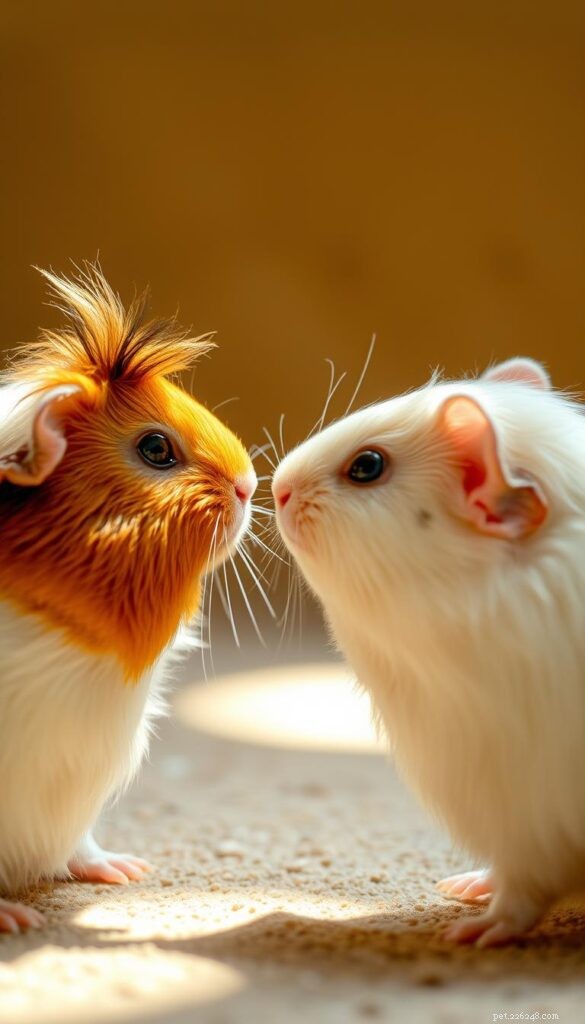
Guinea pigs use vibrations to navigate social dynamics—whether courting a mate or negotiating hierarchy with a cage mate.
Mating Rituals and Hierarchy Signals
Male guinea pigs often start vibrating dramatically during courtship, paired with purring sounds and circular pacing. This display signals fitness and attraction.
When two females share a cage, similar vibrations appear during dominance negotiations. One may rumble deeply while circling the other, establishing order without conflict. Keep an eye on interactions; occasional chases are normal, but frequent pulling or aggressive behavior warrants intervention.
Cross‑Species Encounters
Intrusive pets such as cats or dogs can trigger alarm vibrations. A guinea pig may freeze and produce rapid tremors to signal perceived threat. Keep other animals at a respectful distance during initial introductions and provide hiding spots to reduce anxiety.
Handling and Care: Ensuring Your Pet Feels Safe
Consistent, gentle handling builds confidence in sensitive animals. Observe their reactions closely—each guinea pig has a unique comfort level that can be learned through routine.
Proper Petting Techniques for a Calm Companion
Begin with short 5‑minute sessions, cup the body securely, and keep all feet supported. A nervous animal may tremble initially, but trust usually develops over time. Look for signs of relaxation, such as slow blinking or soft teeth chattering.
- Stroke along the spine first—many enjoy light scratches behind the ears.
- Wait for calm breathing before attempting belly rubs.
- Pause if the animal stiffens or tries to wriggle free.
- Some prefer backward strokes; droopy eyelids signal they’re comfortable.
Maintain mealtime consistency: feed fresh veggies at the same hours daily. Familiar routines often elicit excited vibrations. Keep the enclosure quiet, predator‑free, and equipped with covered hides for added security.
Interpreting Specific Situations: When Vibrations Vary
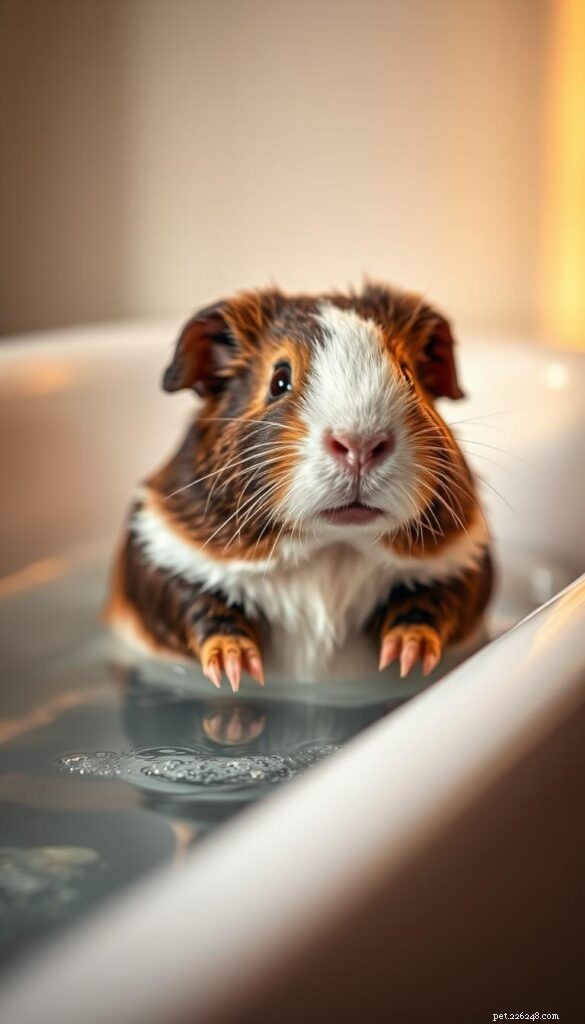
Bathing sessions can reveal subtle differences in communication. Rapid shivers may indicate discomfort or chill, while contented rumbles can follow gentle drying.
Contextual Cues During Grooming or Bath Time
Wet fur often triggers rapid shivers—an animal may dislike water exposure or feel chilled by evaporation. Look for flattened ears or frantic movements; these are clear distress signals that require quick action. Wrap them in a warm towel immediately.
Conversely, some guinea pigs enjoy post‑bath care. Gentle drying strokes may spark contented rumbles; relaxed whiskers and half‑closed eyes indicate calmness. This duality underscores the importance of body‑language analysis in ambiguous situations.
Three quick assessment tips:
- Check paw positions—curled feet suggest discomfort.
- Listen for accompanying squeaks (high‑pitched = stress).
- Monitor breathing patterns—steady rhythms mean calmness.
Practice reading these signals over time. One owner noted, “I thought she hated baths, but she actually loves being towel‑dried!” Pair observations with environmental adjustments—warmer rooms or shorter wash times often resolve conflicting vibrations.
Wrapping Up Your Guinea Pig’s Vibrational Cues
Understanding these subtle signals opens a window into your guinea pig’s inner world. Vibrational cues are just one part of their expressive toolkit; they also combine sounds, movements, and daily interactions to communicate.
With consistent care, you’ll notice your pet responding more enthusiastically during feeding times or cozy cuddle sessions. Regular veterinary check‑ups help catch potential issues early, giving you peace of mind about their well‑being. Watch for changes in their usual rhythms—these could signal excitement about new toys or minor health adjustments.
Just as cats knead blankets or dogs wag tails, each species has unique ways to connect. Your attentive approach strengthens bonds, turning routine care into meaningful exchanges. Celebrate those moments when your guinea pig rumbles contentedly or “popcorns” across the enclosure—it’s their way of saying life with you feels just right.
FAQ
What does it mean when my guinea pig vibrates?
Vibrations can signal contentment, stress, cold, or assertiveness. Observe body language and surroundings to decode the message—relaxed posture indicates happiness, while tense movements signal discomfort.
How do I know if vibrations are a sign of happiness?
Happy vibrations often come with relaxed behavior, gentle purring during petting, or playful “popcorn” jumps. If they’re eating, napping nearby, or enjoying a snack, the vibrations are likely a sign of comfort.
Can temperature changes make my pet vibrate?
Yes! Cold environments cause shivering. Ensure the cage is draft‑free with cozy bedding. If they vibrate in warm areas, look for overheating signs like heavy panting and move them to a cooler spot.
Why does my guinea pig vibrate around other pets?
Social interactions can trigger vibrations. They may assert dominance with rumbling sounds or display mating behavior. Introduce new animals slowly to avoid stress, and monitor body language during encounters with cats or dogs.
Should I adjust how I handle them if they start vibrating?
Gentle petting techniques help keep them calm. If they vibrate suddenly, pause and let them settle. Forced interaction can heighten stress. Always support their body securely and avoid loud noises to maintain trust.
What if they vibrate during grooming or bath time?
Grooming‑related vibrations might mean anxiety. Use shallow water, keep sessions short, and pair the experience with treats. If shaking persists, consult a vet to rule out health issues like skin irritation.
- Stop Cat Urine in Your Home: 10 Proven Fixes & Vet-Backed Tips
- Top Front‑Clip Dog Harnesses for Comfortable, Controlled Leash Walking
- Top 10 Apartment-Friendly Dog Breeds for Happy Living
- Meet Ollie: The Ragdoll Cat Featured This Week
- Bouvier des Flandres: A Comprehensive Guide to the Belgian Working Dog
- How to Safely Treat Heatstroke in Dogs: Step-by-Step Guide
- 12 Surprising Facts About Pets in the Early 20th Century