

Why Are My Guinea Pigs Fighting? Expert Guide to Peaceful Coexistence
Seeing your guinea pigs clash can be unsettling. These gentle rodents typically thrive in calm, shared spaces, nibbling hay together and settling into cozy hideouts. Yet even bonded pairs can display sudden tension, from chattering teeth to mild nipping.
As naturally social animals, guinea pigs establish a gentle hierarchy through brief, mild disagreements. A quick standoff over a food bowl or a preferred sleeping spot usually resolves within minutes. True aggression—requiring intervention—differs from routine dominance displays such as rumbling sounds or gentle nudging.
Several triggers can spark conflict: limited space, hormonal shifts during maturity, or competition for food and shelter. Identifying these cues lets you design an environment where your pets can coexist peacefully.
This guide outlines practical steps to maintain harmony. You’ll learn to distinguish playful interactions from harmful confrontations and discover how proper cage sizing, enrichment activities, and strategic bonding techniques reduce stress.
Most disputes stem from instinctual needs, not genuine hostility. With thoughtful adjustments, you can help your companions coexist while respecting their natural social structures.
Understanding Guinea Pig Behavior and Communication

Decoding your pets’ interactions requires attentive observation. Guinea pigs use subtle cues—body posture, vocalizations, and scent—to signal needs and boundaries. Recognizing these signals creates a stress‑free environment where they can thrive together.
Recognizing Normal Play Versus Aggression
Playful companions often chase each other lightly or form a “piggy train”—a cheerful parade around the habitat. Their movements remain loose and bouncy, accompanied by soft purrs.
| Behavior | Normal Play | Aggression |
|---|---|---|
| Chasing Style | Circular, relaxed | Straight‑line pursuit |
| Vocalizations | Low purrs | Loud teeth chattering |
| Body Posture | Low head position | Raised fur/hackles |
Decoding Body Language and Sounds
Dominance displays—gentle head‑raising, brief mounting—help establish hierarchy without conflict. Watch for content purring during shared meals, a sign of social bonding. In contrast, true tension surfaces through stiff movements, unbroken eye contact, persistent teeth grinding, or lunging, signaling an immediate need for intervention.
For deeper insights into conflict resolution, explore our guide on understanding guinea pig conflicts.
Why Are My Guinea Pigs Fighting?
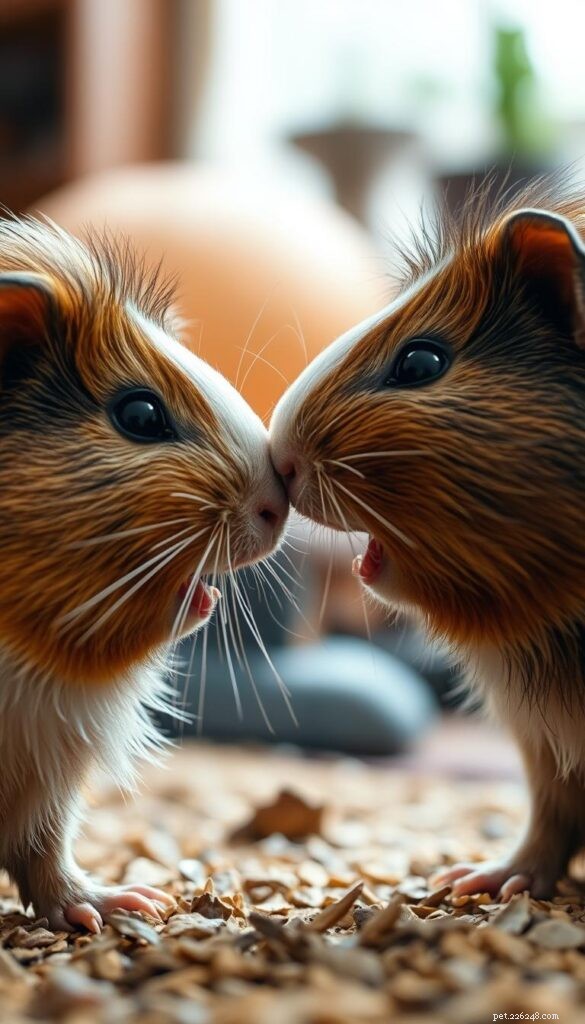
Sudden squabbles often puzzle owners. Five primary factors typically spark disputes, ranging from social dynamics to environmental triggers. Recognizing these patterns helps you foster lasting peace.
Testosterone‑driven males naturally clash more frequently than females. Boar pairs require careful monitoring, especially during maturity. Housing males with a female often escalates tension as they compete for attention.
Social order adjustments can cause temporary friction. New pairs or altered living arrangements trigger dominance renegotiations, usually settling within days if resources remain plentiful.
Hidden health concerns can manifest as irritability. A vet check becomes essential if conflicts emerge suddenly in normally calm companions—pain or illness often explains uncharacteristic aggression.
Resource scarcity fuels competition. Ensure multiple feeding stations and identical hideouts to prevent turf wars. The Humane Society recommends a minimum of 7.5 square feet for two guinea pigs.
Environmental stress—loud noises, irregular routines, or cramped quarters—amplifies existing tensions. Addressing these factors is key to restoring harmony.
Common Causes Behind Guinea Pig Aggression

Owners often wonder what sparks sudden tension between previously peaceful companions. While these social creatures usually coexist harmoniously, specific triggers can disrupt their delicate balance.
Dominance and Hierarchy Battles
New environments or group changes frequently reignite natural pecking‑order negotiations. You might notice scent‑marking behaviors or “rumble strutting”—a vibrating walk that asserts authority. These rituals help maintain social structure without physical harm.
| Conflict Type | Typical Signs | Duration |
|---|---|---|
| Dominance Disputes | Bottom dragging, head raising | 2‑3 days |
| Health‑Related Aggression | Sudden biting, isolation | Persistent |
| Space Stress | Corner guarding, food hoarding | Until resolved |
Health, Illness, and Pain Issues
A formerly gentle pet turning hostile often signals hidden discomfort. Prey animals instinctively mask weakness, making unusual vocalizations crucial clues. Schedule a vet visit if aggression coincides with appetite changes or lethargy.
Male guinea pigs especially need monitoring during maturity. Their hormonal surges can prolong dominance struggles. Multiple resources reduce conflict—research from Kavee shows overcrowding triples conflict rates.
Watch for subtle signs such as uneven fur or hunched postures. Early detection prevents minor issues from escalating into dangerous fights. Sudden behavioral shifts usually mean something’s wrong in their world.
Managing and Preventing Guinea Pig Fights

Creating a peaceful habitat starts with smart prevention strategies. Duplicate essential items—hideouts, food bowls, chew toys—to eliminate competition. Resource sharing rarely works—pairs need identical access points to maintain harmony.
Monitoring Interactions and Early Warning Signs
Watch for subtle changes in daily routines. A cavy guarding tunnels or hoarding veggies often signals brewing tension. Track these patterns:
- Rapid teeth chattering during meal times
- Persistent blocking of water bottles
- Excessive fur pulling during grooming
Schedule weekly health inspections to catch hidden issues. Weight loss or crusty eyes could explain sudden irritability. Pair these checks with stress‑reduction techniques like providing fleece‑covered ramps or noise buffers.
Rotate enrichment items weekly to prevent boredom. Cardboard castles or willow balls keep minds engaged without sparking disputes. Outdoor playtime in secure pens offers exercise while reducing cage‑related stress.
Remember—prevention beats intervention. Adjust layouts at the first sign of stiffened postures or flattened ears. Small changes today prevent major clashes tomorrow.
Steps for Safe Intervention During a Fight
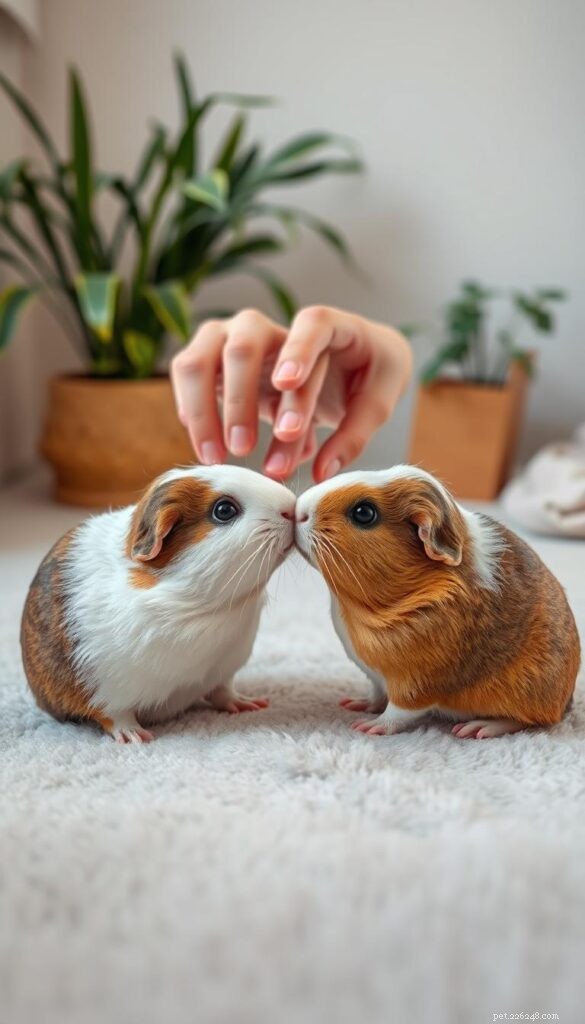
Breaking up a scuffle requires quick thinking and proper tools. Approach tense situations calmly to avoid escalating stress. Protective gear and strategic barriers become essential when tempers flare.
Proper Techniques for Separating Aggressive Piggies
Use thick oven mitts or folded towels to create instant hand protection. Slide a large book or plastic divider between battling companions to disrupt their focus. This method prevents accidental bites while stopping the conflict.
| Safe Method | Risk Level | Effectiveness |
|---|---|---|
| Barrier insertion | Low | High |
| Rear grab with gloves | Medium | Moderate |
| Distraction with treats | Low | Variable |
Safeguarding Yourself and Your Pets
After separation, examine both animals for broken skin around ears and rumps—common bite sites. Clean minor wounds with saline solution and monitor for swelling.
Keep former combatants in separate enclosures for 24‑48 hours. Reintroduce them gradually in neutral territory with supervised sessions. Watch for renewed tension during these meetings.
Persistent aggression may require permanent separation. Consult an exotic veterinarian if injuries show signs of infection. Safety comes first for both you and your furry friends.
Optimizing Cage Setup and Environmental Enrichment
Designing a stress‑free home starts with smart spatial planning. Floor space trumps vertical tiers for ground‑loving pets—open layouts let them roam freely. A single‑level habitat minimizes fall risks while encouraging natural behaviors.
Ensuring Adequate Space and Multiple Hides
Your guinea pig cage needs a minimum of 7.5 square feet for two companions. Larger groups require an additional 3+ square feet per extra pet. Spread essential items—hay racks, water bottles—throughout the cage to prevent traffic jams during meal times.
Multiple hideouts reduce territorial squabbles. Place identical shelters at opposite ends of the cage. Fleece‑lined tunnels work great for quick escapes when social batteries run low. Rotate chew toys weekly to keep minds engaged without overcrowding the space.
Cleanliness matters as much as size. Spot‑clean soiled areas daily to maintain hygiene. Use dust‑free bedding and secure ramps if including platforms. With thoughtful design, your cavies will focus on popcorn jumps instead of petty disputes.
FAQ
How can I tell if my guinea pigs are playing or fighting?
Playful behavior includes gentle chasing, “popcorn” jumps, and soft squeaks. Aggression involves biting, raised fur, loud teeth chattering, or drawing blood. Repeated mounting or lunging may signal dominance battles rather than play.
What body language or sounds should I watch for?
Flattened ears, raised heads, or rumbling growls often indicate tension. Hissing, sharp squeals, or teeth baring are clear warnings. Happy chirps or purring sounds usually indicate calm interactions. Separate them if you see persistent chasing or injury.
Why do male guinea pigs fight more often?
Males naturally compete for hierarchy, especially in small cages or around females. Neutering can reduce aggression. Ensure their space is large enough (minimum 10.5 sq ft for two) with separate food bowls and hides to limit territorial disputes.
Can health problems cause sudden fights?
Yes! Pain from dental issues, infections, or parasites can make them irritable. Sudden aggression might mean a vet visit is needed. Check for weight loss, crusty eyes, or limping, and quarantine sick pets to avoid stress on the group.
How do I safely break up a serious fight?
Use thick gloves or a towel to gently block their line of sight. Never grab them mid‑fight—they might bite. Distract them with a loud noise or spray water nearby. After separating, house them in divided cages and reintroduce slowly in neutral areas.
What cage setup reduces fighting?
Provide multiple hideouts (like fleece tents or wooden houses), separate food stations, and chew toys. Avoid narrow cages—open floors prevent cornering. A 12 sq ft enclosure with ramps and tunnels helps energetic pairs coexist peacefully.
Should I separate guinea pigs after a fight?
If injuries occur, keep them apart and consult a vet. For minor squabbles, monitor closely. Reintroduce them in a neutral space with hay piles to encourage bonding. Persistent aggression may mean they’re incompatible and need permanent separation.
- Rescue Team Finds Mother Cat and Kittens Safely Nesting in Tree, Protected by Loving Father
- Key Warning Signs of Resource Guarding in Dogs
- Can Cats Safely Eat Cookies? Expert Insights and Health Tips
- Is Your Dog Suffering from Separation Anxiety? 4 Proven Steps to Calmness
- Aquaria: Seattle's Beloved Ragdoll Cat
- Top 10 Pet‑Friendly Restaurants in San Francisco: Dining Together
- Tresaderm for Dogs: A Proven Solution for Ear and Skin Infections