

Maintaining a Spotless Guinea Pig Cage: A Practical Guide
Creating a healthy space for small pets requires meticulous care. Unlike many other pets, guinea pigs thrive in environments where hygiene is paramount. Their sensitive respiratory systems mean that dust and ammonia from urine can damage lung tissue within hours, making routine cleaning a lifesaving habit.
Daily habits that are quick and consistent can transform your pet’s habitat. Even busy owners can dedicate a few minutes each day to spot‑cleaning, which keeps odors at bay and reduces long‑term health risks. Consistency matters more than effort – small, frequent cleanings are the key to a healthy cage.
This guide outlines efficient methods to balance cleanliness with your schedule. Discover how proper habitat care supports natural behaviors while avoiding costly vet visits. Techniques range from quick spot‑cleaning to thorough sanitization routines.
By prioritizing your pet’s environment, you invest in their happiness and longevity. Let’s explore practical solutions that make maintenance effortless and effective.
Understanding the Importance of a Clean Cage for Your Guinea Pig’s Health
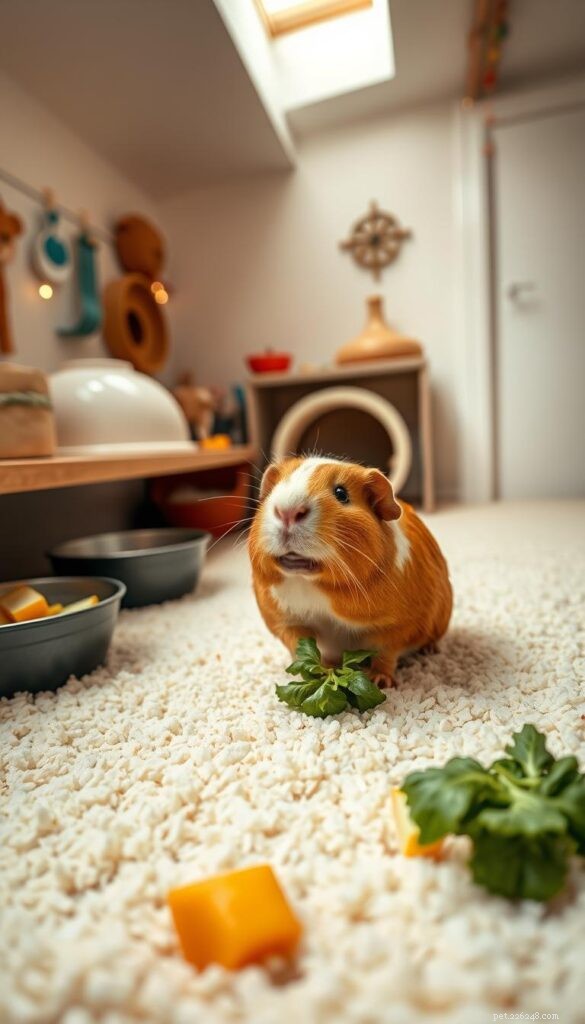
Your pet’s living area directly influences their vitality. Many owners overlook that ammonia fumes from urine can cause lung damage within hours. Guinea pigs process air differently than humans, making them especially vulnerable to invisible threats.
Impact on Respiratory and Overall Health
Neglected soil bedding becomes a bacterial factory. Pathogens thrive in damp corners, releasing toxins into the air. Frequent sneezing often signals developing respiratory distress before visible symptoms appear.
Skin infections also flourish in dirty environments. Open sores from abrasive waste invite dangerous microbes. Regular habitat maintenance stops these issues before they become serious.
Preventing Disease and Vet Visits
Veterinary bills for pneumonia treatments can exceed $300, whereas a high‑quality bedding package costs about $10 per month. A smart cleaning routine saves money while protecting your companion.
Proper sanitation can extend lifespan by 1–3 years. Animals in pristine spaces show brighter eyes, denser fur, and increased playful behavior when they feel secure in fresh surroundings.
Think of cage care as daily vitamins for your pet. A few minutes of effort today prevent weeks of medical stress tomorrow. Your furry friend’s quality of life depends on these simple habits.
Preparing Your Cleaning Tools and Pet‑Safe Environment
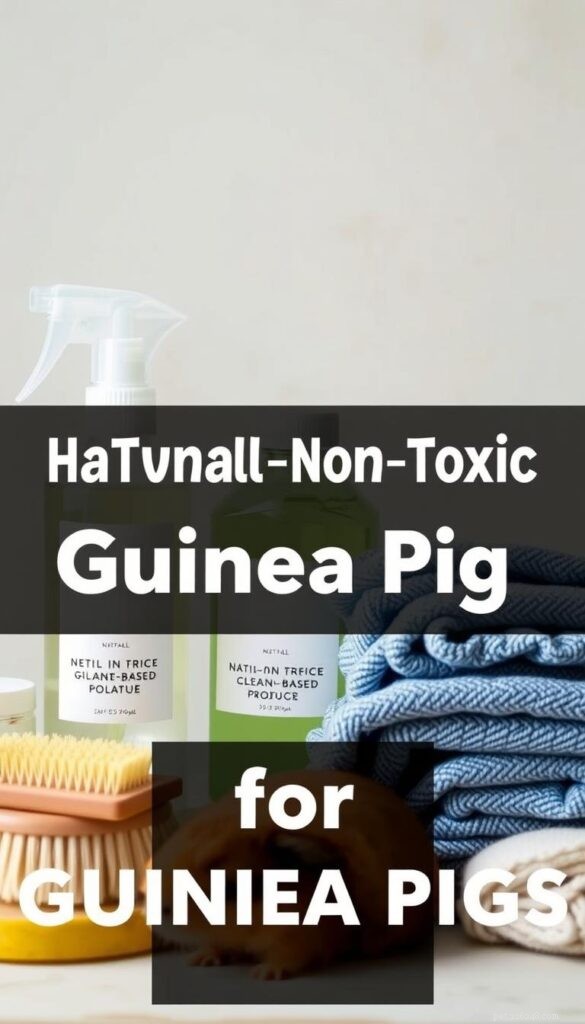
Smart preparation turns maintenance into a stress‑free routine. Start by selecting supplies that protect delicate respiratory systems while eliminating odors. Proper tools can reduce cleaning time by 40% compared to makeshift methods.
Choosing Safe Cleaning Products and Solutions
Commercial cleaners often contain hidden dangers such as phenols or artificial fragrances. Look for certifications from veterinary associations when selecting products. A 50/50 mix of distilled white vinegar and water in a spray bottle disinfects surfaces without harsh chemicals.
| Safe Options | Dangerous Products | Why It Matters |
|---|---|---|
| Vinegar solution | Bleach‑based cleaners | Prevents lung irritation |
| Enzyme cleaners | Ammonia solutions | Protects sensitive skin |
| Steam cleaning | Aerosol sprays | Reduces toxin exposure |
Creating a Temporary Comfort Zone
Set up a portable playpen with fleece bedding and familiar toys before starting. This prevents escape attempts and keeps your furry friend entertained. Always include a hideout – stressed animals need private spaces during transitions.
Assemble these items first:
- Pre‑mixed cleaning solution
- Microfiber cloths for wiping
- Handheld vacuum for debris
Complete preparations in under 10 minutes, and you’ll maintain both cleanliness and your pet’s trust. Proper setup ensures thorough sanitation without compromising safety.
How To Keep Your Guinea Pig Cage Clean?
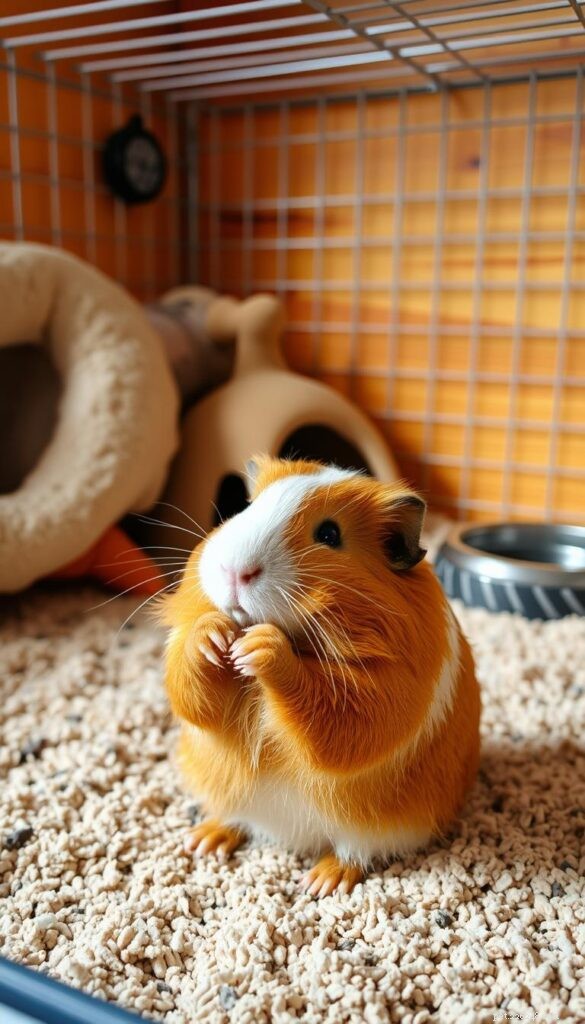
Effective habitat care combines quick daily actions with scheduled deep maintenance. Start by removing all accessories and toys – this exposes hidden messes and lets you clean thoroughly. Use a 50/50 vinegar spray to disinfect surfaces without harsh chemicals.
Step‑by‑Step Cleaning Process
Follow this 7‑step sequence for best results:
- Clear all items from the space
- Tilt fleece liners to gather waste
- Vacuum droppings with a handheld device
- Sweep hay piles into a dustpan
- Spray surfaces with vinegar solution
- Wipe down with a microfiber cloth
- Replace fresh bedding and accessories
Daily vs Weekly Maintenance Strategies
| Task | Frequency | Tools Needed |
|---|---|---|
| Waste removal | Twice daily | Mini vacuum, scoop |
| Bedding refresh | Weekly | Stiff brush, detergent |
| Full sanitization | Monthly | Steam cleaner, gloves |
Pro tip: Complete quick cleanups during feeding times. This pairs natural routines with habitat care. Always check water bottles after reassembling the space – proper hydration supports overall health.
Spot maintenance takes under five minutes when done consistently. Save intensive scrubbing for weekly sessions. This balanced approach keeps your furry companion’s environment fresh without overwhelming your schedule.
Simple Tips and Hacks for a Consistent Cleaning Routine
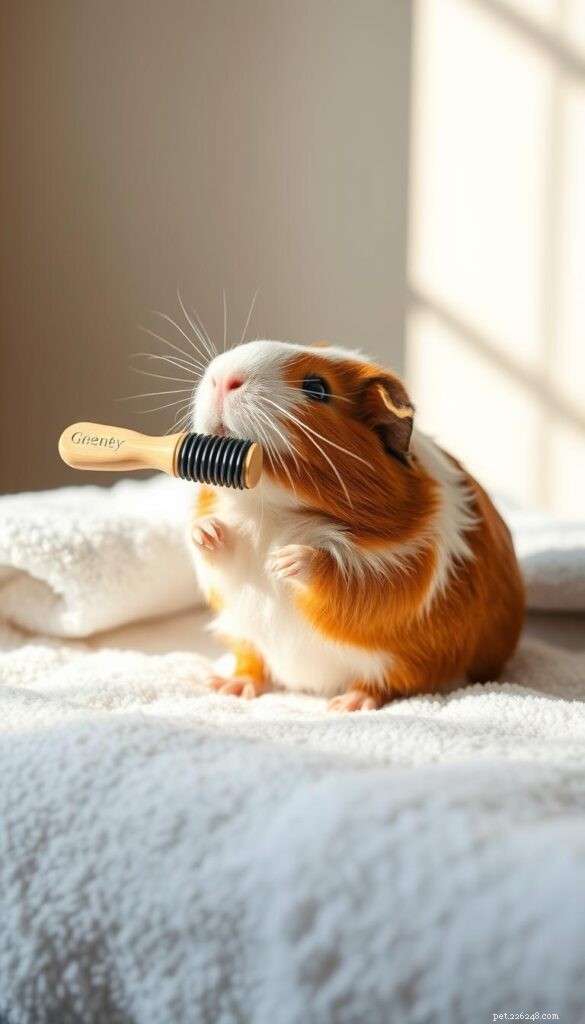
Maintaining freshness in your pet’s space becomes effortless with smart strategies. Focused daily efforts prevent overwhelming messes while preserving your furry friend’s comfort. Let’s explore how minor adjustments to your approach yield major cleanliness dividends.
Efficient Spot Cleaning Techniques
Target high‑traffic zones where your companion spends time relaxing. Corners and hideouts often accumulate waste fastest. A handheld scoop removes droppings in seconds without disrupting clean bedding layers.
Set reminders to check problem areas during morning and evening feedings. This pairs natural habits with quick maintenance. Two‑minute sessions twice daily reduce odor‑causing bacteria by 80% compared to weekly deep cleans.
Try these time‑savers:
- Place washable mats under hay racks
- Use mini litter trays in favorite lounging spots
- Store cleaning tools within arm’s reach
Consistency transforms chores into effortless routines. Pair tasks with existing activities like refilling water bottles or offering treats. You’ll build lasting habits that keep environments fresh between thorough cleanings.
Watch for these signs needing extra attention:
- Damp bedding patches
- Clumped hay near food bowls
- Persistent earthy smells
Smart systems help you spend less time scrubbing and more time bonding. Your pet thrives when their space stays inviting – and you’ll appreciate the simplified upkeep!
Optimizing Bedding and Cage Layout for Better Hygiene
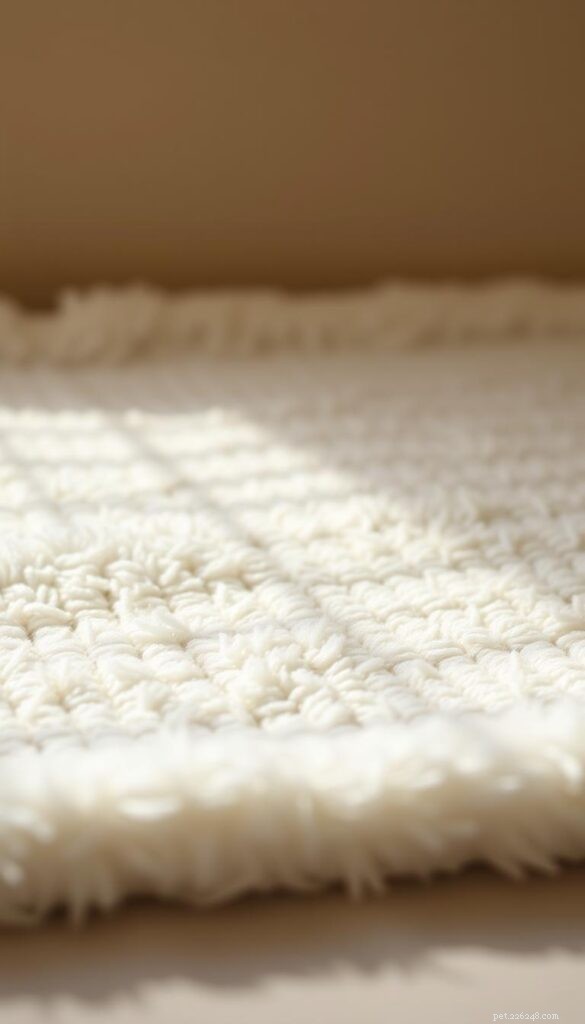
Smart bedding choices transform upkeep from a chore to a breeze. Premium materials like GuineaDad Liners lock in moisture while remaining surface‑dry, reducing odor buildup and simplifying your weekly routine.
Mastering Fleece Maintenance
Rotate two sets of liners weekly for uninterrupted freshness. Follow this 3‑layer system:
- 1″ absorbent litter base
- 2″ soft bedding middle
- Washable fleece topper
Wash liners in secure laundry bags using a vinegar‑enhanced, pet‑safe detergent. Avoid fabric softeners – they clog fibers and trap bacteria. Air‑dry or tumble dry without sheets to maintain absorbency.
| Feature | Smart Placement | Problem Area | Benefit |
|---|---|---|---|
| Hay Rack | Over litter tray | Near sleeping zone | Contains 89% of debris |
| Water Bottle | On elevated stand | Corner placement | Reduces damp bedding |
| Hideouts | Near clean zones | Central location | Easier waste removal |
Strategic Space Organization
Position essentials to minimize mess. Place hay feeders above litter areas to catch falling strands. Elevate water sources to prevent spillage into sleeping quarters. Store clean liners in labeled bins – rotation becomes effortless when supplies stay organized.
Fold dirty fleece inward during removal to contain particles. Designate specific zones for play and rest using washable mats. Your furry friend will appreciate the consistency, and you’ll save 15 minutes per cleaning session.
Final Thoughts on a Healthy Guinea Pig Home
Your dedication to a fresh habitat becomes the foundation for joyful companionship. By implementing what you’ve learned, you create spaces where whiskered friends flourish. Larger living areas paired with daily spot checks dramatically cut deep‑cleaning demands, freeing time for play and bonding.
Strategic upgrades like supervised play zones let curious pigs explore safely while containing messes. Always keep hay racks full and water bottles sparkling – these elements support digestion and hydration as much as cleanliness does. Consistent care forms a self‑reinforcing cycle: healthier pets mean simpler upkeep.
View habitat care as quality time rather than drudgery. Those five‑minute tidy‑ups? They’re moments showing love through action. Over weeks, these efforts compound into fewer vet visits and more years of shared laughter.
You now hold all the tools for success. A well‑maintained home isn’t just about odor control – it’s about honoring your pet’s need for security and stimulation. When their world feels safe and fresh, every pop‑corning leap reminds you why the effort matters.
FAQ
How often should I replace bedding in my pet’s habitat?
Spot‑clean soiled areas daily and swap out bedding weekly. Fleece liners need washing every 3–4 days, while paper or wood shavings last longer. Adjust based on odor or dampness to keep their space fresh.
Can I use household cleaners like bleach for their cage?
Avoid harsh chemicals! A mix of distilled white vinegar and water works best. For tough stains, pet‑safe brands like Nature’s Miracle offer enzyme‑based sprays. Rinse thoroughly to prevent residue.
What’s the easiest way to manage hay mess?
Use a hay rack or feeder to contain loose strands. Place it over a litter tray or corner with absorbent bedding. Sweep stray hay daily and opt for compressed hay blocks to minimize waste.
Do fleece liners really save time compared to traditional bedding?
Yes! Fleece wicks moisture away, reducing odor and frequent changes. Pair with absorbent layers like U‑Haul pads. Shake off debris daily and toss liners in the wash weekly for a low‑maintenance setup.
How do I keep water bottles from getting slimy?
Rinse bottles with hot water daily. Once a week, soak them in a vinegar solution (1:1 water and distilled white vinegar) to remove algae. Use a bottle brush to scrub spouts and check for leaks.
What cage layout changes can make cleaning faster?
Designate separate zones for eating, sleeping, and play. Use wipeable hideouts and elevated platforms. Store toys in easy‑to‑access bins and opt for removable trays or C&C grids for hassle‑free deep cleans.
Why does my pet’s space smell even after cleaning?
Lingering odors often come from trapped moisture or urine. Ensure proper ventilation, use baking soda under bedding, and avoid overloading veggies that spoil quickly. Consistent spot‑cleaning is key!
- How to Spot Pregnancy in Your Yorkshire Terrier: Key Signs and Expert Guidance
- Effective Flea Removal for Ferrets: A 5-Step Expert Guide
- Solving Your Cat’s Litter Box Troubles: 7 Proven Solutions
- Dog Weight Pulling: A Proven Strength Test for All Breeds
- Why Indoor Cats Thrive: 12 Key Benefits for Their Health and Safety
- Top 10 British Cat Breeds: Elegance, Loyalty, and Distinctive Charm
- Dog Vaccinations Explained: Separating Science from the 'Too Many Shots' Debate