

How to Determine Your Guinea Pig’s Age: Expert Signs and Care Tips
Curious about the true age of your guinea pig? Unlike cats or dogs, these small rodents mature rapidly and display subtle changes that can be easy to miss. Accurately estimating their age is essential for tailoring diet, exercise, and preventive care to each life stage.
Understanding Guinea Pig Life Stages
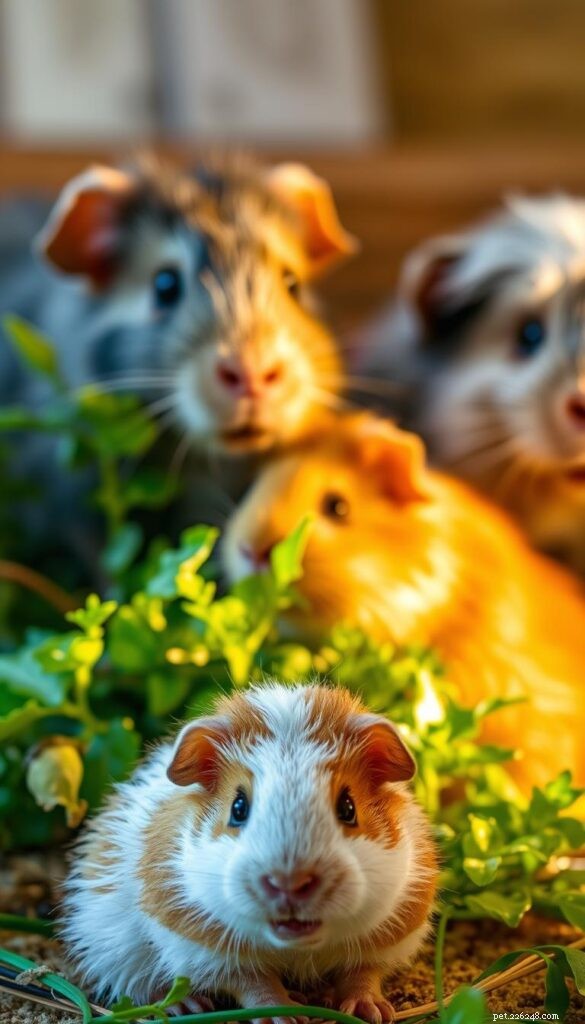
Guinea pigs progress through four distinct phases—infancy, puberty, adulthood, and senior—within just a few years. Their developmental timeline is compressed, with major milestones occurring weekly during the first months.
Rapid Development Patterns
Newborns double in size by the end of their first three weeks. By four weeks, females may be sexually mature, which explains why separating sexes early is recommended. Full skeletal growth is reached around 12 months, but muscle and fat accumulation continue until about 18 months.
Key Growth Milestones
- Week 4: Sexual maturity begins
- Month 6: Adult coat replaces baby fur
- Month 12: Bone structure completes
After 18 months, age indicators become subtler. Tracking weight during the early phase helps establish a baseline for future comparison, and regular veterinary visits become increasingly important as your pet enters its senior years—typically around age 5.
How to Tell a Guinea Pig’s Age: Key Signs and Tips
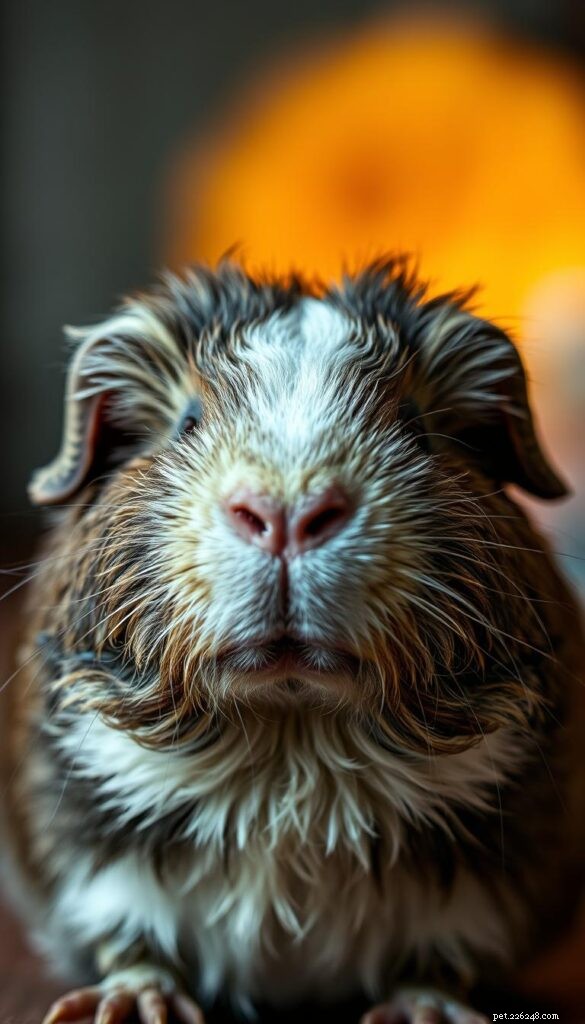
Three primary physical indicators can help you estimate your guinea pig’s age: nail condition, body composition, and dental patterns. Below is a practical guide to interpreting these clues.
Nail Condition and Dental Health
- Young: Needle‑like claws that soften quickly
- Adult (prime years): Straight, pearly nails
- Senior:
- Curved or twisted nails
- Yellowish discoloration
- Thicker keratin layers
Dental wear also signals aging. As jaw muscles weaken, molars may develop uneven edges that make chewing painful—look for half‑eaten veggies or reluctance to eat harder foods.
Body Composition Shifts
- Firm, smooth contours in youth
- Age‑related changes such as:
- Sagging neck folds (“donut lips”)
- Flabby belly skin
- Prominent backbone ridges
Weigh your guinea pig weekly on a kitchen scale. While gradual loss is normal for seniors, sudden drops may signal underlying health issues. Combine weight data with behavior observations—difficulty climbing or labored breathing warrants a veterinary check.
Documenting Changes
Track photos and notes over time. Visual records reveal patterns that help you anticipate the need for diet adjustments, exercise changes, or preventive care.
Guinea Pig Years vs. Human Years
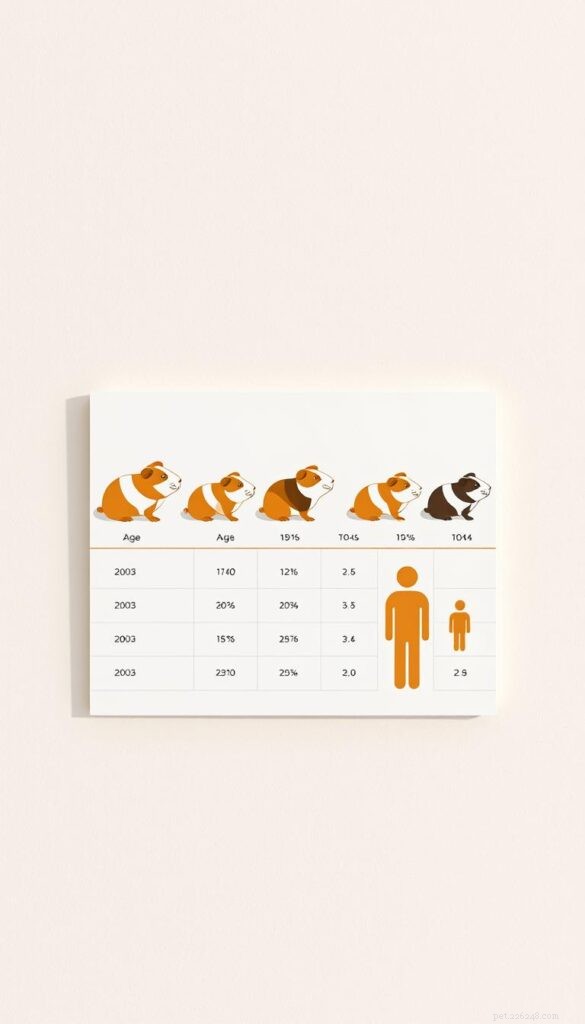
Mapping your pet’s age to human years provides context for its evolving needs. Use the conversion chart below as a quick reference:
| Guinea Pig Age | Human Equivalent | Life Stage |
|---|---|---|
| 6 months | 15‑18 years | Young adult |
| 1 year | 10‑12 years | Teenager |
| 4 years | 50‑70 years | Senior |
| 6+ years | 80+ years | Golden years |
Veterinary experts note that joint supplements become especially important around age 4, when many guinea pigs transition into retirement.
Caring for Your Guinea Pig Through Life Phases
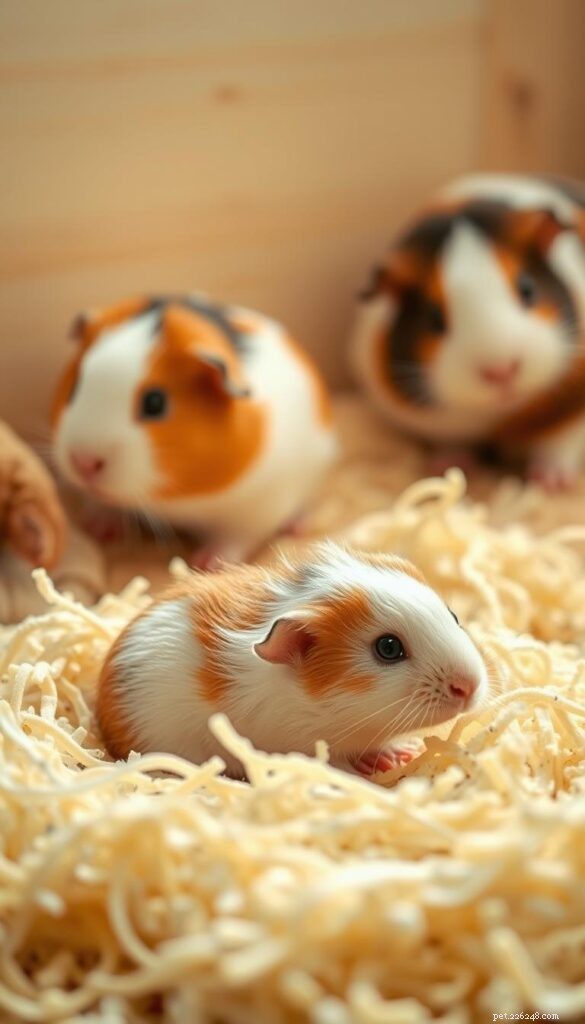
Adapting care to your guinea pig’s age ensures optimal health and happiness. Start by monitoring weight weekly; adults typically maintain 2‑3 pounds, but healthy ranges vary.
Diet and Exercise Adjustments
- Infants: High‑energy foods such as alfalfa hay and vitamin‑C‑rich veggies.
- At 6 months: Transition to timothy hay to support digestive health.
- Senior: Add joint‑friendly supplements and softer vegetables; avoid hard, high‑calorie treats.
Exercise needs shift with age. Young, energetic guinea pigs may need 30+ minutes of floor time daily, whereas seniors benefit from shorter, gentler sessions. A noticeable drop in “popcorn” jumps often signals slowing activity.
Regular Veterinary Check‑ups
Partner with an exotic animal specialist familiar with guinea pig aging. Schedule check‑ups every six months after age 4. Common senior concerns include:
- Overgrown molars requiring professional filing
- Arthritis, evident through stiff movements
- Cataracts, leading to cloudy eyes
Maintain a care journal noting appetite, sleep patterns, and any new symptoms. Early detection of issues such as bone spurs or dental disease can significantly improve outcomes.
Key Takeaways
Estimating your guinea pig’s age is a valuable tool for personalized care, but remember that each animal ages uniquely. Focus on consistent observation—stable weight, regular activity, and healthy appetite—rather than rigid age charts. By adjusting diet, exercise, and preventive care to these cues, you’ll support your pet’s well‑being throughout every life chapter.
Frequently Asked Questions
What signs indicate my guinea pig is aging?
Look for worn‑down nails, gradual weight loss, reduced muscle tone, slower movement, cloudy eyes, or thinning fur. Regular vet visits help confirm these changes.
Can I estimate age using guinea pig size?
Size alone is not a reliable indicator, as diet and genetics influence growth. Adults typically reach 8‑12 inches by 12–14 months, but this varies.
How do guinea pig years compare to human years?
A one‑year‑old guinea pig equals roughly 10–15 human years. By age 5, they’re comparable to a human in their 70s. Lifespan averages 5–7 years, though proper care can extend it.
Should diets change as my pet gets older?
Yes. Seniors need softer veggies, vitamin C supplements, and fewer high‑calorie foods. Adjust portions if weight drops or dental issues arise; always consult your vet.
Why are vet visits critical for older guinea pigs?
Aging increases risks for arthritis, tumors, or dental disease. Twice‑yearly visits allow early detection and intervention, preserving quality of life.
- Why Kittens Nurse Objects & How to Stop It Safely
- Discover the Korat Cat: A Stunning Thai Breed with Silver-Blue Coat & Charming Personality
- Prevent Your Cat From Urinating on Indoor Plants: Proven Tips
- Goose vs. Swan: How to Tell These Long‑Necked Birds Apart
- Top 7 Ways to Cut Vet Costs Without Compromising Care
- 10 Expert-Backed Reasons Why Dogs Roll in Grass
- Keep Your Dog Safe This Summer: 6 Essential Tips for Every Outdoor Scenario