

Butter Lettuce and Guinea Pigs: A Trusted Guide to Safe, Nutritious Feeding
Many guinea‑pig owners wonder which leafy greens best support their pet’s health. While leafy vegetables are essential, not all varieties deliver the same benefits. This guide explains whether butter lettuce is a safe, nutritious addition to your guinea pig’s diet and how to incorporate it responsibly.
Veterinary nutritionists recommend that fresh greens account for roughly 75 % of a guinea pig’s vegetable intake. Greens high in vitamin C and low in oxalates help prevent scurvy and urinary problems, respectively. We’ll explore butter lettuce’s unique profile and how it stacks up against other popular lettuces.
New foods must be introduced gradually. We’ll outline the specific advantages of butter lettuce—its high water content, gentle texture, and mild flavor—so you can balance its benefits against digestive comfort.
Variety remains key. Some greens are occasional treats; others can become daily staples. By the end of this article, you’ll be able to design meal plans that combine safety, nutrition, and variety for your little companion.
Can Guinea Pigs Eat Butter Lettuce? Facts You Need to Know
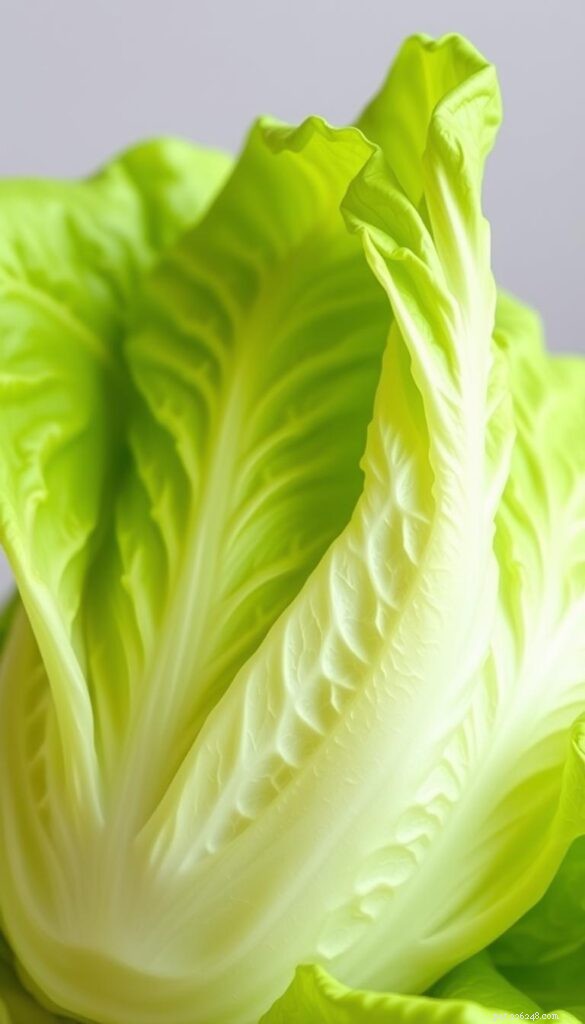
Butter lettuce, also known as butterhead, is prized for its soft, cup‑shaped leaves and subtle sweetness. Its velvety texture melts on the palate, making it a favorite for many small pets.
Understanding the Question
Unlike some greens that can be interchangeable, butterhead has distinct traits. A 100‑gram serving delivers 3.7 mg of vitamin C—essential for animals that cannot synthesize this nutrient. Its calcium content is 35 mg per 100 g, which requires careful portioning to avoid urinary issues. In short, butter lettuce is a balanced, occasional choice rather than a daily staple.
What Makes Butter Lettuce Unique?
The delicate leaves hold higher moisture levels than romaine or red‑leaf varieties, providing both hydration and nutrients. Owners report that guinea pigs often prefer these tender greens because of their mild flavor and easy chewability.
Different lettuce types vary significantly in nutritional profiles. Butterhead’s lower fiber content compared to darker greens means it should complement, not replace, heartier vegetables in meals. This balance supports digestive health while satisfying your pet’s preferences.
Nutritional Benefits of Butter Lettuce for Your Guinea Pig

Understanding the nutritional profile of leafy greens helps craft healthier diets for small pets. Butterhead stands out with a blend of essential vitamins and minerals.
Vitamin C and Other Micronutrients
Every 100 g of butter lettuce provides 3.7 mg of vitamin C—a lifesaving nutrient for animals that cannot produce it naturally. Inadequate intake can cause scurvy, leading to joint pain and weakened immunity. Including butter lettuce in rotation helps prevent deficiency while boosting resistance to infections.
Additional micronutrients such as vitamin K and folate work synergistically with ascorbic acid. These compounds aid blood clotting and cell regeneration, ensuring your pet stays active and vibrant.
Balancing Calcium Levels
Calcium supports bone health, but excessive amounts increase urinary stone risks. Butter lettuce contains 35 mg per serving—manageable compared to high‑calcium veggies like spinach. This makes it safer for regular use when paired with low‑calcium options.
Moderation is key. Offer small portions twice a week to maintain mineral balance without overwhelming their system. Pair it with bell peppers or cucumbers for meals that nourish without compromising urinary tract health.
Comparing Butter Lettuce with Other Lettuce Varieties
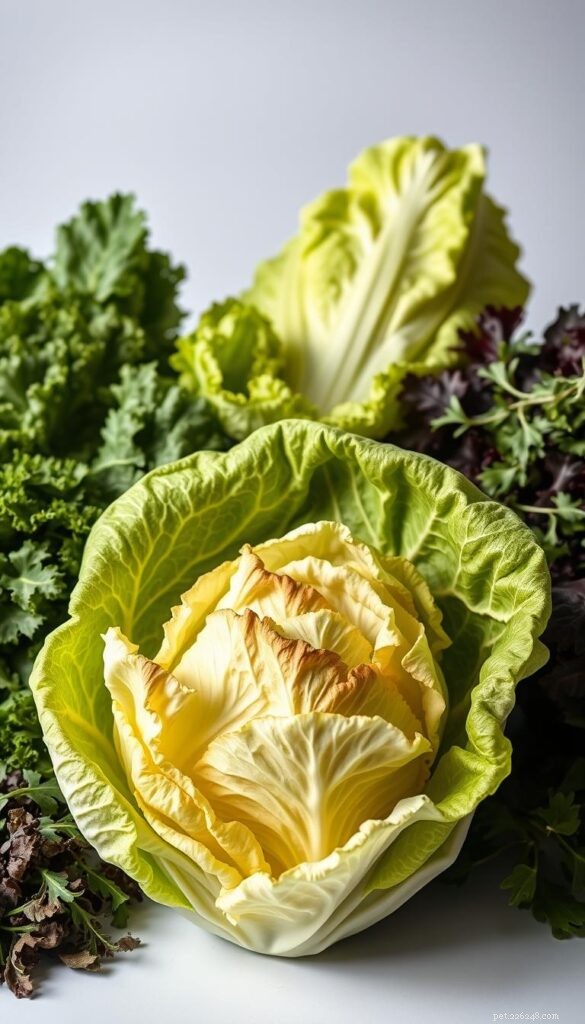
Leafy greens vary more than you might think when building a balanced diet. Below is a quick comparison of popular options.
Green Leaf vs. Butterhead
Green leaf varieties edge out butterhead in vitamin C—18 mg versus 3.7 mg per 100 g. Although lower in this essential nutrient, butterhead’s softer texture makes it easier for sensitive eaters to enjoy. Both types have nearly identical calcium levels (35‑36 mg), requiring careful portion control to protect urinary health.
Red Leaf and Romaine Considerations
Romaine lettuce shines with 24 mg of vitamin C—six times more than red leaf or butterhead. Its crunchier leaves also promote dental wear, while red leaf’s mild flavor pairs well with heartier veggies. Both romaine and red leaf contain 33 mg calcium, making them slightly safer for frequent feeding than butterhead.
Iceberg lettuce offers minimal vitamins and excessive water content, providing little nutritional value. Stick to darker greens like romaine or green leaf for meals that truly nourish.
Feeding Guidelines: How Much Lettuce Is Safe?
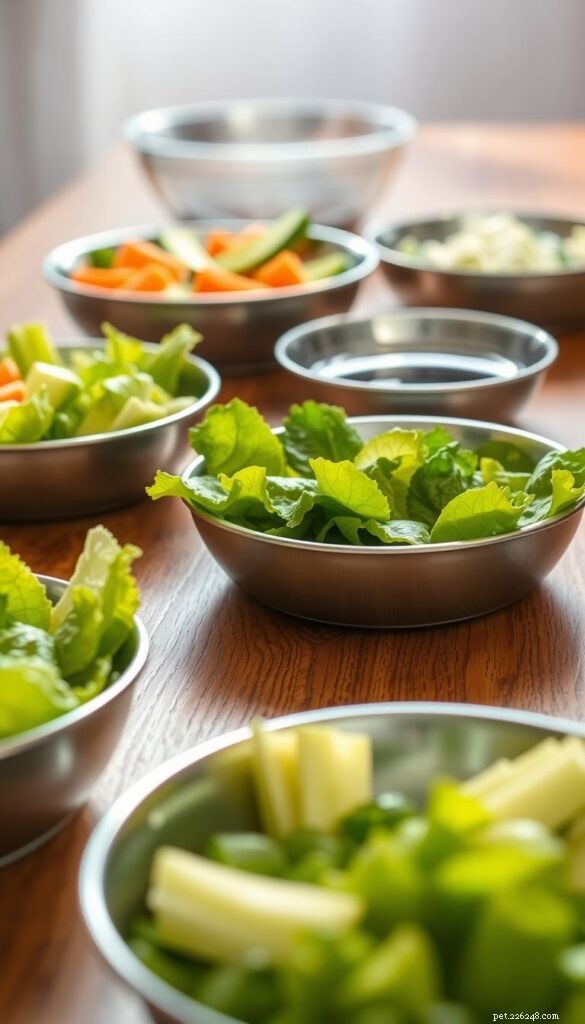
Portion control makes all the difference when adding leafy greens to your pet’s menu. Below are practical strategies to balance nutrition and safety.
Recommended Serving Sizes
One medium leaf typically serves as the ideal amount per meal. Pair this with other veggies such as bell peppers or cilantro to create variety. Younger or smaller animals may need half portions initially.
| Lettuce Type | Weekly Frequency | Portion Size |
|---|---|---|
| Butterhead | 2‑4 times week | 1 medium leaf |
| Romaine | 5‑7 times week | 1 large leaf |
| Green Leaf | 5‑7 times week | 1½ medium leaves |
Frequency Tips for Different Lettuce Types
Rotate butter varieties with higher‑fiber greens to maintain digestive health. Feed guinea companions romaine more frequently—its crunch helps wear down constantly growing teeth.
Always introduce new greens gradually. Start with thumbnail‑sized pieces mixed into familiar foods. This approach helps sensitive stomachs adjust without causing diarrhea or bloating.
Potential Health Concerns in Lettuce Consumption
While leafy greens offer nutritional benefits, moderation remains vital for small pets. Excess minerals in certain varieties can create long‑term health risks if not managed properly.
Balancing Mineral Intake
Foods high in calcium contribute to crystal formation in the urinary tract. Over time, these crystals harden into painful bladder stones requiring veterinary intervention. Regular monitoring helps catch issues early.
Watch for these warning signs in your companion:
- White sand‑like granules in bedding
- Strained urination or reduced output
- Blood‑tinged urine or unusual lethargy
Veterinarian Dr. Emily Carter notes: “Stones larger than 3 mm often need surgical removal. Preventive care through diet adjustments saves many pets from emergency procedures.”
Rotate moderate‑calcium greens with low‑mineral options like zucchini or bell peppers. This strategy reduces mineral buildup while maintaining variety. Check water bottles daily—proper hydration flushes excess calcium from their system.
If you notice frequent squeaking during bathroom breaks, schedule a vet visit immediately. Early detection prevents complications like infections or kidney damage. Remember—a balanced plate keeps your furry friend hopping happily!
Lettuce as a Secondary Hydration Source

Keeping small pets hydrated requires creative solutions when they avoid their water bottles. Leafy greens like butterhead varieties contain over 95 % moisture—nearly as much as cucumber. This makes them valuable tools for maintaining fluid balance during critical situations.
When Water Consumption Drops
Watch for these signs your furry friend might need hydration support:
- Dry nose or sunken eyes
- Reduced appetite for favorite foods
- Less frequent urination
Veterinarian Dr. Sarah Lin notes: “Two lettuce leaves can provide 30 % of a small pet’s daily water needs during heatwaves. Always pair with fresh drinking water to prevent overreliance on food sources.”
Offer water‑rich veggies after vigorous playtime or illness recovery. Chop leaves into bite‑sized pieces for easier consumption. Monitor their water bottle levels daily—consistent low intake might signal dental issues needing veterinary attention.
While lettuce helps bridge hydration gaps, it shouldn’t replace clean drinking water. Refresh bowls twice daily and consider ceramic dishes if bottles confuse your companion. A balanced approach keeps their systems functioning smoothly through every season.
Understanding the Nutritional Value of Your Guinea Pig’s Food
Crafting a balanced diet requires knowing which nutrients keep your furry friend thriving. Unlike many pets, these small herbivores need specific vitamins and minerals to avoid serious health issues. Below is a concise breakdown of essential nutrients and the best sources.
Essential Vitamins and Minerals
Vitamin C tops the priority list—guinea pigs need 10‑30 mg daily to prevent scurvy and boost immunity. Without it, they risk joint pain and frequent infections. Fresh veggies like bell peppers or kale help bridge this gap, but supplements may be needed for picky eaters.
Calcium plays a dual role. While necessary for bone strength, excess amounts lead to bladder stones. Aim for 50‑150 mg daily through controlled portions of greens. Pair calcium‑rich foods with low‑oxalate options like zucchini to balance mineral intake.
| Nutrient | Daily Need | Best Sources |
|---|---|---|
| Vitamin C | 10‑30 mg | Bell peppers, parsley |
| Calcium | 50‑150 mg | Butterhead lettuce, cilantro |
| Fiber | Unlimited hay | Timothy hay, orchard grass |
Veterinary nutritionist Dr. Lisa Monroe advises: “Rotate three different veggies daily to cover all nutritional bases. Always check calcium‑to‑phosphorus ratios—ideal is 1.5:1.”
Learn to read nutritional labels on commercial pellets. Look for stabilized vitamin C and avoid mixes with seeds or dried fruit. Fresh produce should make up 15 % of their diet, with hay constituting the remaining 85 % for digestive health.
Safe Alternatives and Complementary Veggies
Variety isn’t just the spice of life—it’s essential for your small herbivore’s health. Rotating vegetables prevents boredom and ensures your pet receives a spectrum of nutrients. Below are colorful options that pair perfectly with leafy greens.
Exploring Other Healthy Options
Romaine and green leaf lettuce make excellent staples alongside butter varieties. Romaine offers six times more vitamin C than butterhead, while green leaf provides extra fiber for digestion. Mix these types to balance hydration and nutrient density.
Try these winning combinations:
- Chopped red leaf lettuce + diced bell peppers
- Shredded romaine + fresh cilantro sprigs
- Butterhead leaves + cucumber slices
Seasonal veggies like endive and dill add excitement during colder months. Frozen peas (thawed) or grated carrots work well when fresh options are limited. Always introduce new foods over 3‑5 days to monitor for soft stools or appetite changes.
| Vegetable | Key Benefit | Serving Frequency |
|---|---|---|
| Bell Peppers | High vitamin C | Daily |
| Cilantro | Low calcium | 4×/week |
| Zucchini | Hydration boost | 3×/week |
Veterinarian Dr. Amy Torres advises: “Pair crisp lettuces with aromatic herbs to stimulate picky eaters. The scent of parsley or basil often encourages exploration.”
Identifying Signs of Nutritional Imbalances
Your furry companion’s vitality depends on recognizing subtle cues in their daily habits. A glossy coat and bright eyes often reflect proper nourishment, while changes in behavior might signal dietary adjustments are needed.
What to Look For in Your Pet’s Health
Track these indicators to assess their well‑being:
- Consistent energy during playtime versus sudden lethargy
- Smooth fur without bald patches or excessive shedding
- Normal urination frequency and clear, odorless output
Cloudy urine or white residue in bedding often suggests mineral overload. Reduce calcium‑rich greens like butterhead lettuce if you spot these signs. Veterinary nutritionist Dr. Rachel Nguyen advises: “Note changes in bathroom habits within 48 hours of dietary shifts. This helps pinpoint which foods cause imbalances.”
Watch for symptoms of vitamin C deficiency:
- Difficulty moving or swollen joints
- Reluctance to eat favorite treats
- Rough, patchy skin around the ears
Maintain a food journal to track responses:
| Date | Foods Offered | Observations |
|---|---|---|
| Day 1 | Butter lettuce + bell pepper | Normal activity, clear urine |
| Day 3 | Romaine + cilantro | Increased water consumption |
Gradually introduce new veggies over 5‑7 days. Sudden swaps can upset delicate digestive systems. Pair observations with vet checkups every six months for proactive health management.
Practical Tips for Meal Planning with Lettuce
Creating a varied menu keeps meals exciting and nutritionally complete for your guinea pig. Observe their urine for cloudiness or sediment when introducing new greens—these signs indicate when to adjust portions. A three‑day rotation works well, allowing you to spot preferences or sensitivities.
Integrating Greens into a Balanced Diet
Pair butter lettuce with crunchier options like romaine two times a week. Combine with vitamin‑rich veggies such as bell peppers for balanced nutrition. This approach ensures your pet gets diverse nutrients without mineral overload.
Store leaves in airtight containers lined with paper towels to maintain crispness for up to five days. Chop portions just before serving to preserve freshness. Always wash greens thoroughly to remove pesticides that could harm small herbivores.
FAQ
Is butter lettuce safe for guinea pigs?
Yes, butter lettuce is safe in moderation. Its low oxalate content makes it gentler on their digestive system compared to some leafy greens. Always introduce new foods gradually.
What sets butter lettuce apart from other types?
Butterhead varieties have a softer texture and milder flavor. They’re also lower in fiber than romaine or green leaf lettuce, making them easier to chew for younger or older pets.
How does butter lettuce support hydration?
With high water content (around 95 %), it can supplement your pet’s fluid intake. However, fresh water should always remain their primary hydration source.
Can too much lettuce cause health issues?
Overfeeding any lettuce—including butterhead—may lead to digestive upset or contribute to bladder stones due to calcium content. Stick to small portions 2‑3 times weekly.
What veggies pair well with butter lettuce?
Bell peppers, cucumber, and cilantro are excellent choices. Rotate options to provide diverse nutrients like vitamin C and antioxidants while keeping meals exciting.
How does romaine compare to butter lettuce?
Romaine has higher fiber and vitamin A but also more calcium. Mix both types occasionally, but prioritize romaine for its crunch and nutritional density.
What signs indicate a diet imbalance?
Watch for changes in appetite, weight loss, or unusual droppings. Excess calcium might cause cloudy urine, while vitamin C deficiency can lead to lethargy or rough fur.
Why avoid iceberg lettuce?
Iceberg lacks essential nutrients and has even higher water content, which can dilute the nutritional value of meals. Opt for darker leafy greens instead.
How much lettuce should you serve per meal?
A handful (about 1 cup) of shredded butter lettuce mixed with other veggies is sufficient. Adjust based on your pet’s size and activity level.
Can lettuce replace hay in their diet?
No. Hay should make up 80 % of their food intake for dental and digestive health. Lettuce is a supplemental treat, not a staple.
- Understanding Dingo Dog Behavior: Tips for Experienced Owners
- Discover 15 Classic Scottish Dog Breeds
- Central Oregon Mushroom Poisoning: Vet Insights & Prevention
- 20 Rarest Dog Breeds – Uncommon Canine Gems You Must See
- Safe Foods & Diet Tips for Dogs with Chronic Kidney Failure
- Why Your Low‑Energy Shih Tzu Is Surprisingly Smart: 4 Key Signs
- Winning the Flea War: Proven Tactics to Protect Your Cats