

How Long Can Guinea Pigs Go Without Hay? Key Guidelines to Prevent GI Stasis
As a small, herbivorous mammal, a guinea pig’s digestive system works like a conveyor belt—fiber must flow continuously or it stops. When fresh forage is unavailable for just 6–8 hours, veterinary studies record the onset of gastrointestinal (GI) stasis, a potentially fatal condition. For owners, the rule is simple: never let hay go missing.
Understanding Your Guinea Pig’s Dietary Needs
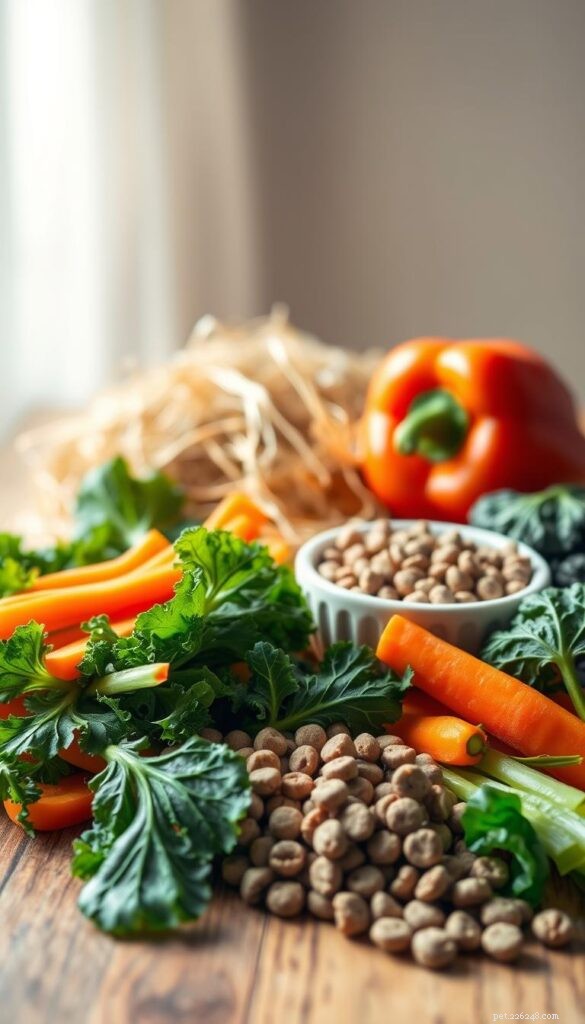
Guinea pigs thrive on a diet that mimics their wild ancestors. Their bodies require an uninterrupted supply of fiber to keep their gut motility and dental health in check.
The Role of Hay in a Balanced Diet
Timothy hay is the cornerstone of every healthy meal plan. Its coarse texture scrapes teeth while pushing food through the intestines, preventing blockages. Fresh orchard grass or high‑quality Timothy should be stored in breathable containers and replaced promptly when damp or soiled.
Other Essential Nutrients: Vegetables, Pellets, and Water
Bright bell peppers and kale provide vitamin C, which protects against scurvy. Offer one packed cup of greens per day and supplement with one tablespoon of fortified pellets for minerals. Water should always be available in chew‑proof bottles; change it twice daily and monitor consumption—reduced intake can signal early health issues.
How Long Can Guinea Pigs Go Without Hay?
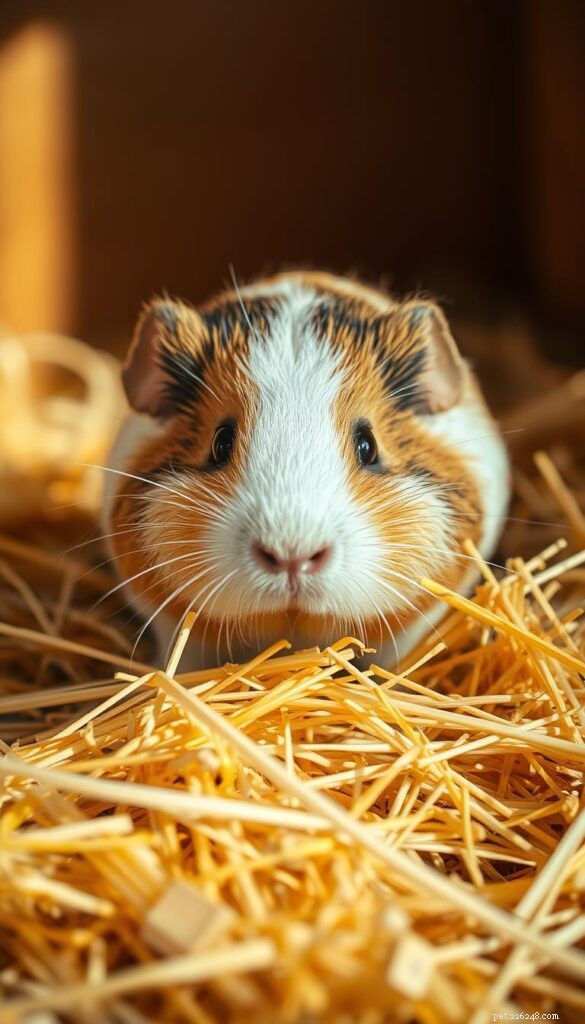
Every minute counts when fresh forage is unavailable. Research by the American Veterinary Medical Association (2023) shows gut activity drops sharply after six hours of fiber deprivation. By the eighth hour, GI stasis typically begins, halting nutrient absorption and requiring immediate veterinary intervention. If the animal remains without hay for two days, death becomes almost inevitable.
To prevent this, keep extra hay bundles in airtight containers and rotate stock weekly. If store hours are a problem, consider a short‑term substitute such as untreated rabbit‑safe grasses from a local garden.
Recognizing Signs of GI Stasis and Health Issues
Subtle changes often herald digestive trouble. Healthy guinea pigs produce over 100 droppings daily; fewer or misshapen pellets signal slowed motility. Look for:
- Refusal of favorite treats or veggies
- Smaller, softer droppings
- Unusual lethargy or a hunched posture
- Rapid breathing or a cold body temperature
Any single red flag warrants an immediate veterinary visit. Clinics that specialize in exotic pets can provide 24‑hour care, typically involving subcutaneous fluids and gut‑stimulating medication. Delayed treatment drastically reduces survival rates.
The Importance of Fresh Hay, Water, and Vegetables
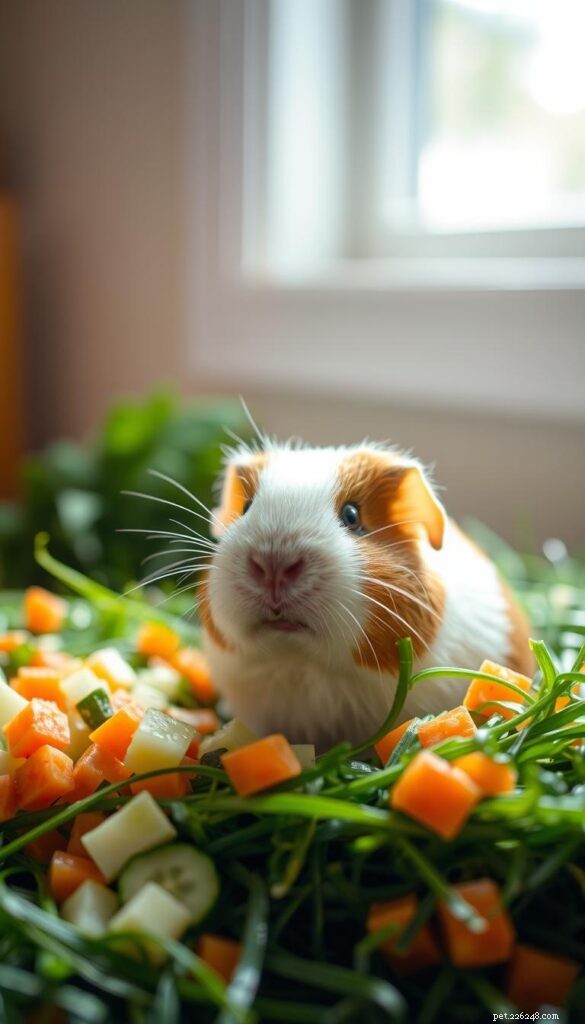
Proper nutrition is the foundation of a guinea pig’s well‑being. A balanced combination of fibrous hay, hydrating water, and vitamin‑rich greens ensures optimal digestive and overall health.
Maintaining Constant Access to Hay
Provide unlimited, fresh hay—Timothy or orchard grass—at all times. Replace soiled portions immediately; guinea pigs reject stale or trampled forage. Store hay in breathable, moisture‑free containers and check levels twice daily, keeping racks at least three‑quarters full to discourage scattering.
| Nutrient Source | Daily Quantity | Key Benefits |
|---|---|---|
| Hay | Unlimited | Digestive health, dental wear |
| Vegetables | 1 cup | Vitamin C, hydration |
Balancing Water and Veggie Intake
Use chew‑proof bottles and bowls to accommodate preferences. Refill twice daily and record consumption. High‑moisture veggies like cucumber aid hydration but should not replace drinking water. Prioritize red bell peppers and kale for essential nutrients without excessive water content.
Preventing GI Stasis in Your Guinea Pig
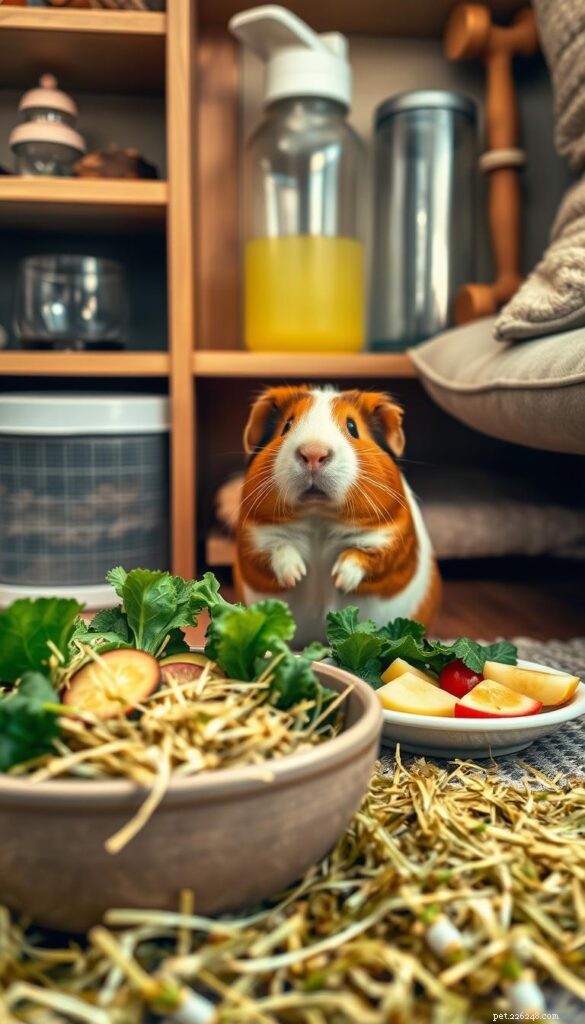
Proactive care and structured routines are the best defense against digestive emergencies.
Establishing a Daily Feeding Routine
Check hay racks morning and evening; top up before levels drop below half. Serve fresh veggies at consistent times to monitor appetite changes. Clean the cage spot‑by‑spot to remove spoiled food that can upset the gut.
Emergency Feeding Tips for When You’re Away
Do not rely on unattended food piles. Arrange for a trusted caregiver familiar with guinea pig needs and provide written instructions covering:
- Hay replacement techniques
- Proper vegetable portions
- Emergency vet contacts
Store one week’s worth of hay in airtight bins and keep spare water bottles ready. Even a 48‑hour absence without supervision can allow stasis to progress irreversibly.
Understanding the Risks of Food and Water Deprivation
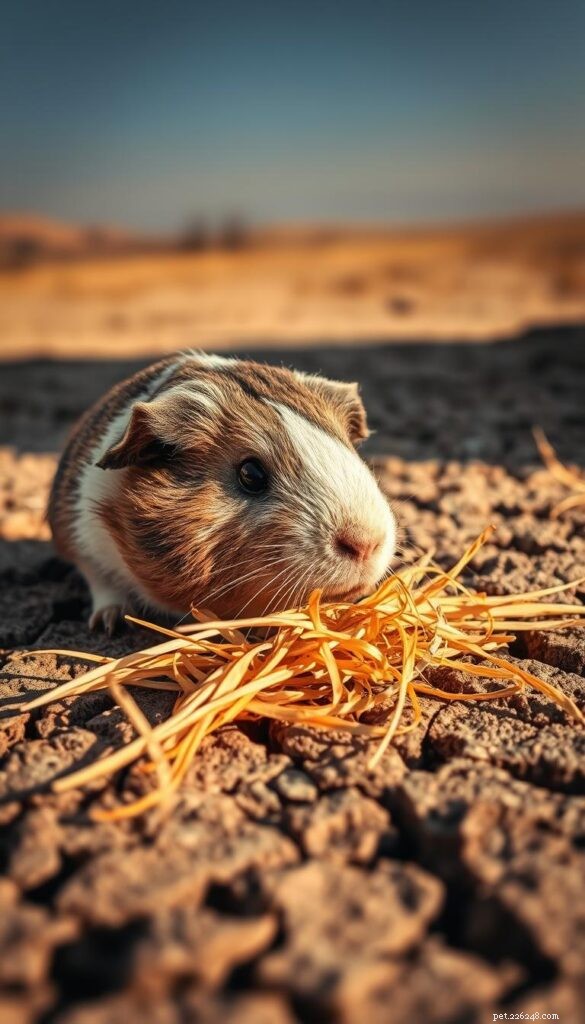
Missing either food or water creates a domino effect that accelerates into life‑threatening conditions.
Consequences of Skipping Meals
After 12 hours without food, digestive tract slowdown begins; by 24 hours, vital organs may start shutting down as energy reserves deplete. Signs such as ignoring favorite veggies or increased hiding behavior signal imminent GI stasis.
How Dehydration Impacts Your Pet’s Health
Within 12 hours of water shortage, observe thick saliva, crusty eyes, and darker urine—early markers of kidney strain. Dehydration and lack of fiber often co‑occur, heightening the risk of urinary blockages.
| Deprivation Type | Timeframe | Critical Effects |
|---|---|---|
| Food | 12–24 h | Organ failure, GI stasis |
| Water | 12–24 h | Kidney damage, bladder stones |
Combined shortages can trigger multiple system failures. Keeping extra water bottles and fresh veggies stocked prevents 90 % of emergencies.
Practical Care Strategies for Busy Pet Owners
Balancing a hectic schedule with pet care is manageable with smart planning and reliable tools.
Scheduling Regular Feeding Times
Set phone reminders for morning and evening feedings, pairing hay refills with veggie servings. This dual‑check system helps spot appetite changes early and keeps the gut active.
Selecting Quality Hay and Fresh Vegetables
Choose crisp Timothy hay from reputable suppliers such as Happy Hay, and store in climate‑controlled containers. Pair with organic bell peppers and leafy greens for a vitamin‑packed diet.
Utilizing Pet Sitters and Automated Systems
Train a backup caregiver with detailed checklists covering portion sizes and emergency protocols. For short absences, use gravity‑fed hay racks and chew‑proof water stations. Automated systems should supplement, not replace, daily human interaction for health monitoring.
FAQ
Why is hay essential for my guinea pig’s health?
Hay keeps their digestive system moving and wears down their ever‑growing teeth. Without it, they risk GI stasis, a life‑threatening condition.
What happens if my pet goes without hay for a day?
Even 4–6 hours without hay can slow the gut. After 12 hours, serious health issues like stasis may develop. Always provide fresh Timothy or orchard grass.
What symptoms signal a digestive emergency?
Watch for loss of appetite, small or missing droppings, lethargy, or a bloated belly. These signs mean you should contact a vet immediately.
Can dehydration worsen my guinea pig’s health?
Yes! Lack of water paired with low hay intake strains kidneys and digestion. Always provide clean water and juicy veggies like cucumber for hydration.
Are automated feeders safe for hay?
While feeders can help, they shouldn’t replace daily refills. Guinea pigs need to graze freely, so use racks to keep hay clean and accessible.
What veggies complement a hay‑based diet?
Leafy greens like romaine lettuce, bell peppers, and cilantro add vitamins. Avoid high‑calcium options like spinach to prevent bladder stones.
How often should I refresh their hay supply?
Check twice daily—morning and evening. Remove old, soiled hay and refill racks to encourage constant munching.
What if I run out of hay temporarily?
Offer fresh grass (untreated with chemicals) as a short‑term substitute. Never use straw, as it lacks the nutrients they need.
- How to Spot and Treat a Choking Dog: Quick, Life‑Saving Steps
- Mastering Your First Vegetable Garden: A Beginner's Guide
- Why Do Cats Love Plastic Bags? Discover the Surprising Reasons
- Top Holiday Pet Gifts on Etsy: Adorable & Must-Have Picks
- Diamond: Meet Our Featured Ragdoll Cat of the Week
- Scottish Deerhound vs Irish Wolfhound: Key Differences & Similarities Explained
- Dog Vestibular Disease: Symptoms, Causes, and Recovery