

How Guinea Pigs Show Affection: A Guide to Reading Their Quiet Signals
Guinea pigs are naturally social and thrive on connection. While their cautious nature can mask affection, these small mammals communicate deep bonds through subtle gestures that reveal trust and comfort.
Understanding Guinea Pig Body Language
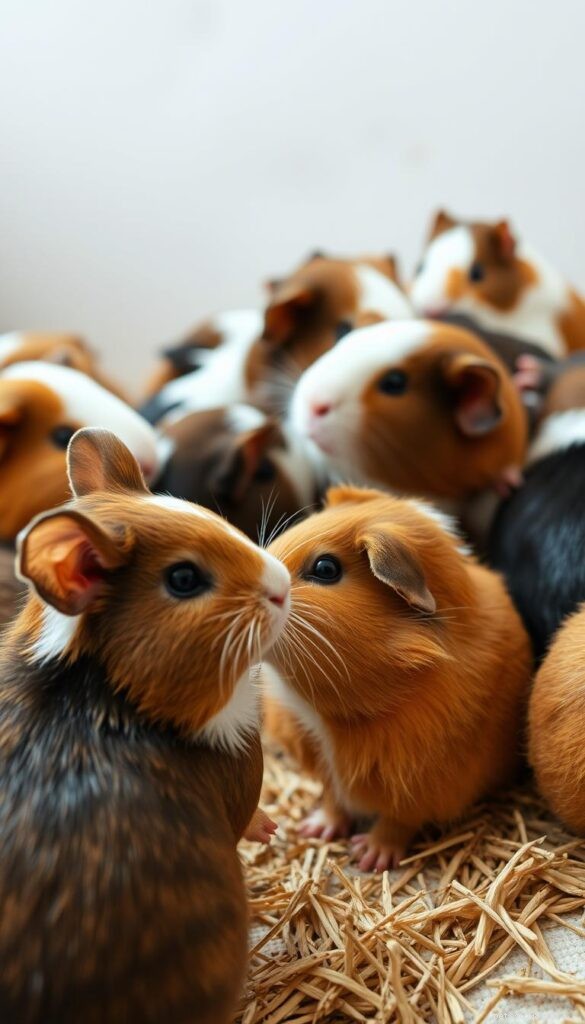
Their silent cues are rich and varied. By learning these signals, you can respond to their needs and strengthen your bond.
Popcorning: The Dance of Delight
Watch for sudden vertical jumps with mid‑air twists—this “popcorning” signals pure joy. It often occurs during play or when you offer a favorite treat. The accompanying wheeking sound confirms their enthusiasm.
Nibbles That Speak Louder Than Bites
Gentle mouthing differs from defensive biting. When your guinea pig softly tests your fingers, they’re either showing affectionate grooming or testing safety.
| Behavior | Meaning | Context |
|---|---|---|
| Light nibbling | Affectionate grooming | During handling |
| Full bite | Fear or discomfort | Sudden movements |
Pair these gentle interactions with a relaxed posture for a clear sign of contentment. Notice how bursts of activity followed by calm nibbling indicate they feel safe around you.
Recognizing Vocal Cues in Guinea Pigs
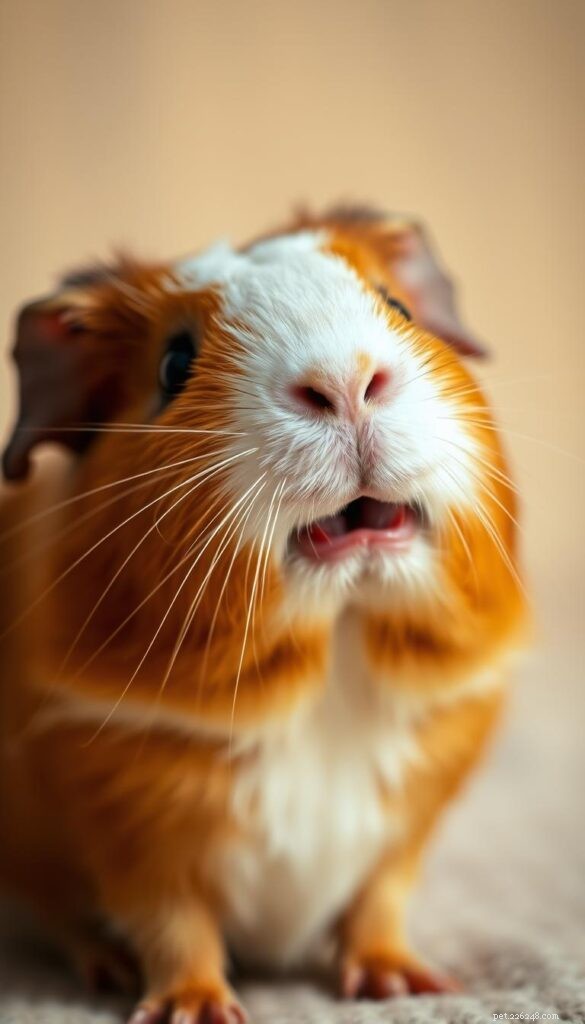
Vocalizations are key to understanding a guinea pig’s mood. From bubbly excitement to quiet contentment, each sound reveals a different layer of trust.
Wheeking and Chirping as Happy Noises
That high‑pitched squeal when you approach or hand them food is wheeking—an enthusiastic announcement of anticipation. Some also chirp when exploring new objects.
Soft Purrs That Signal Contentment
A low, vibrating rumble during lap time is a deep‑relaxation purr. It differs from the sharper noises used to warn of danger. Gentle strokes typically trigger this sound, indicating full comfort.
| Sound | Meaning | Context |
|---|---|---|
| Wheeking | Excitement/anticipation | Food preparation |
| Chirping | Curiosity | Playtime |
| Purring | Deep relaxation | Cuddle sessions |
| Rumbling | Warning | New environments |
Notice volume changes: louder calls often signal “attention please,” while softer tones indicate enjoyment of your presence.
How Do Guinea Pigs Show Affection?
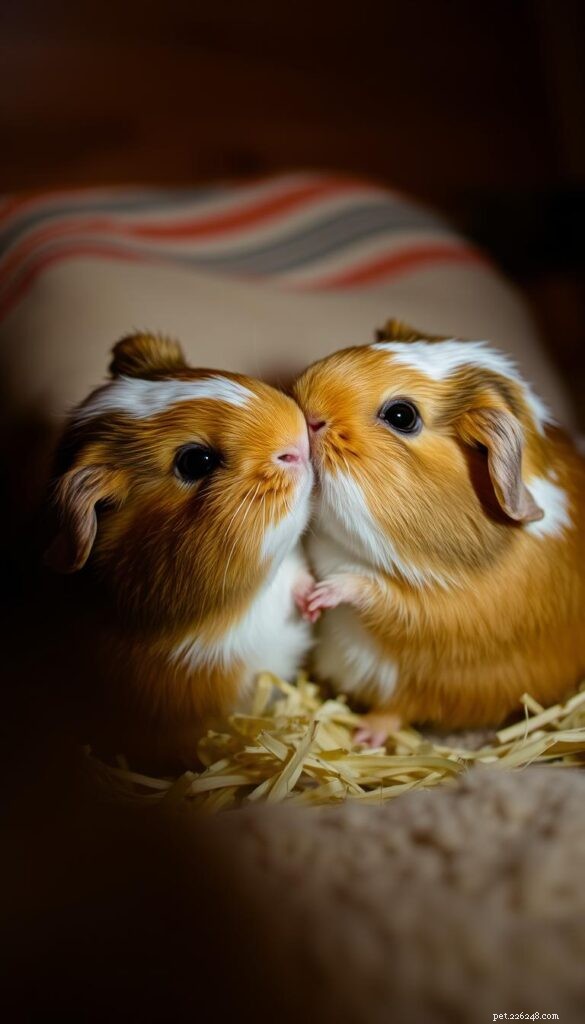
Affection in guinea pigs is expressed through a blend of sounds and body language. Recognizing these cues deepens your understanding of their unique bond with you.
Sweet Sounds vs. Everyday Chatter
Contentment usually manifests as a soft, steady purr during lap time—different from the wheek‑wheek that accompanies treats. Look for these affectionate signals:
- Mellow rumbling when being gently stroked
- Breathy cooing during relaxed interactions
- Short chirps while exploring near you
These tender noises typically surface during calm moments rather than during feeding. If your pet nuzzles your hand while making quiet sounds, they’re sharing trust. Pair vocalizations with physical cues like relaxed ears or half‑closed eyes for confirmation.
Building Trust Through Hand Feeding
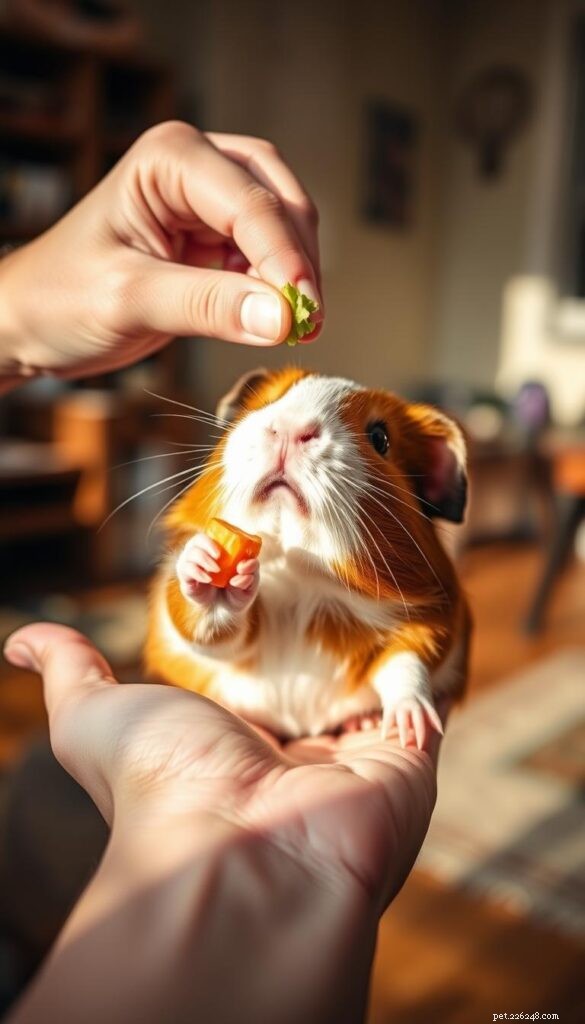
Hand‑feeding transforms mealtime into a trust‑building ritual. Since guinea pigs are prey animals, offering food directly from your palm signals safety and security.
Why Eating From Your Hand Matters
These animals instinctively hide food to protect it. When they choose to eat openly near you, they’re overriding survival instincts and associating your presence with safety.
Using Treats to Strengthen Your Bond
High‑value snacks like pea flakes or fresh herbs create positive reinforcement. Begin with these steps:
- Offer small veggie pieces during calm moments
- Hold treats flat in your palm to avoid startling
- Pair feeding with soft verbal praise
| Stage | Behavior | Meaning |
|---|---|---|
| Early | Quick food grabs | Testing safety |
| Progressing | Chewing near hand | Growing comfort |
| Established | Licking fingers | Full trust |
Watch for relaxed ear positions during sessions—an indicator they’re enjoying the interaction. Consistency turns these moments into cherished routines, and over time your pet will greet you with excited squeaks, knowing your hands bring nourishment and affection.
Gentle Grooming and Physical Contact
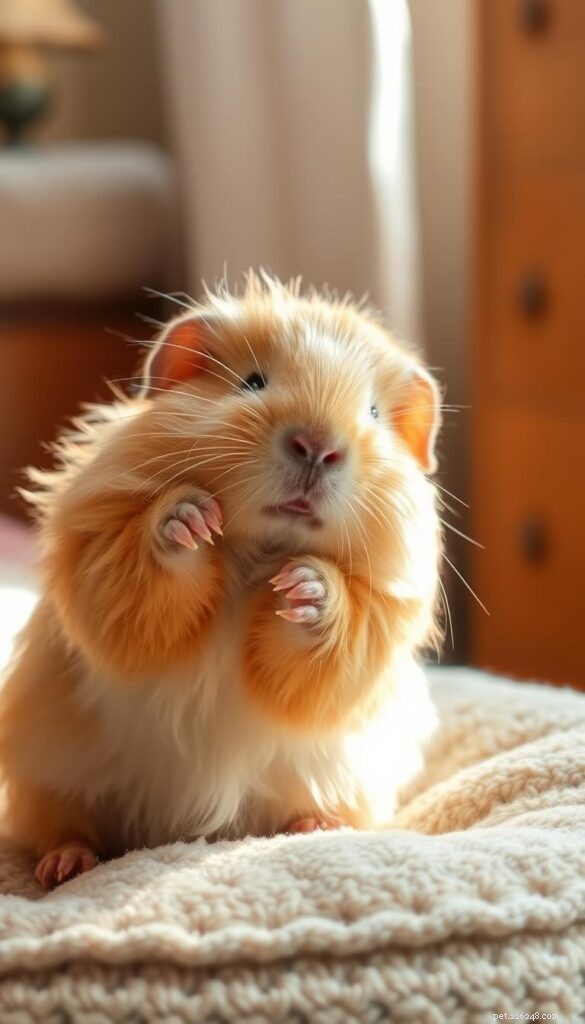
Physical touch is a silent language of trust. When a guinea pig licks your fingers, it mirrors the grooming they perform on trusted cage mates, signifying inclusion in their social circle.
Understanding Licking as a Sign of Trust
Observe these patterns during bonding sessions:
- Soft tongue touches during handling
- Repeated grooming motions on your skin
- Relaxed posture while making contact
Enjoying Lap Time and Snuggling Moments
Calm lap sessions prove your pet feels secure. Start with short 5‑minute periods, gradually increasing as they grow comfortable. You’ll know they’re content when:
| Behavior | Comfort Level | Next Steps |
|---|---|---|
| Sits still | Basic trust | Add gentle petting |
| Closes eyes | Deep relaxation | Extend session time |
| Falls asleep | Complete safety | Introduce new environments |
Pair these moments with quiet talking to reinforce positive associations. Over time, your furry friend may nudge your hand for more attention—a clear sign affection flows both ways.
Following and Climbing as Expressions of Trust
Your guinea pig’s movement patterns tell a story of growing confidence. When they venture beyond their cage during playtime, it reflects a deepening bond.
Observing Their Chase and Follow Behavior
Enthusiastic trotting as they trail behind you marks a major milestone—they’re choosing companionship over hiding. This behavior shows they associate you with safety.
- Sniffing your shoes while you walk
- Quick dashes to keep pace with you
- Pausing only when you stop moving
Climbing on You: A Gesture of Affection
When a guinea pig climbs your legs or perches on your shoulder, they’re embracing vulnerability for connection. This behavior progresses through three clear stages:
| Stage | Behavior | Trust Level |
|---|---|---|
| 1 | Brushing against ankles | Curious |
| 2 | Climbing onto knees | Comfortable |
| 3 | Exploring shoulders | Completely secure |
Remain calm during these adventures; sudden movements can revert them to caution. Reward brave climbers with gentle chin scratches—often their favorite.
Creating a Safe Habitat for Emotional Well‑Being
A secure home is the foundation for social confidence. Prey animals thrive when their environment meets instinctual needs, allowing them to shift focus from survival to bonding.
Designing Peaceful Living Spaces
Soft flooring such as fleece liners mimics natural grassland textures. Pair this with multiple hideouts for quick retreats. Place the cage in a quiet area—away from appliances or busy hallways—but within sight of daily activities. This balance helps them feel protected while staying connected.
Always provide unlimited hay and fresh water. Hard surfaces stress small companions, making them hesitant to explore. For added comfort during warm months, consider a temperature‑controlled setup.
Regular cleaning maintains trust in their space. Stale bedding or cramped quarters can reignite survival instincts. When basic needs are consistently met, you’ll notice more relaxed behaviors and a willingness to interact.
FAQ
What does popcorning mean in guinea pigs?
Popcorning—when your pet leaps suddenly in the air—is a clear sign of joy. It often happens during playtime or when they feel safe and excited in their environment.
Is gentle nibbling a sign of affection?
Yes! Light nibbling shows they trust you. It’s their way of bonding, like a tiny “thank you.” Just ensure it’s not aggressive, which could signal stress.
What sounds indicate a happy guinea pig?
Wheeking (high‑pitched squeaks) and chirping are happy noises. They’ll often make these sounds when anticipating food or while exploring their cage.
Do soft purrs mean they’re content?
Absolutely! A low, steady purr while being held usually means they’re relaxed. Pair it with a cozy fleece liner on your lap, and you’ve got one blissful pet.
How can I tell if their noises are affectionate?
Listen for gentle rumbles or “bubbling” sounds during cuddle time. These are different from stressed whines or teeth chattering, which sound sharper and faster.
Why does eating from my hand matter?
Hand feeding builds trust. Since they’re prey animals, taking food directly from you shows they feel secure. Try offering veggies like bell pepper slices for a positive experience.
How do treats strengthen our bond?
Treats like fresh herbs or hay cubes create positive associations. Over time they’ll link your scent and presence with joy, deepening your connection.
What does licking mean?
Licking is a huge compliment! It’s their way of grooming you—a behavior reserved for those they see as part of their herd. Keep your hands clean to encourage this sweet habit.
Does lap time show trust?
Yes! If they relax on your lap or nuzzle into your arms, it means they feel comfortable. Pair lap time with a cozy fleece blanket to make it even more inviting.
Why does my guinea pig follow me?
Following you around their play area means they enjoy your company. It’s a playful gesture, especially if they popcorning afterward or “talk” with excited squeaks.
Is climbing on me a sign of love?
Definitely! Climbing onto your shoulder or lap shows they trust you enough to explore. Reward this bravery with gentle pets or a small piece of cucumber.
How does their habitat affect their mood?
A calm, secure cage with hiding spots and soft bedding (like fleece liners) reduces stress. Happy pets are more likely to show affection through snuggles and playful noises!
- Remembering Tianfu: The Heroic Search and Rescue Dog Who Served Chengdu
- Collie-Friendly Treats: Gentle on the GI Tract & Loved by Rough & Smooth Collies
- Are Chicken Pellets Safe for Rabbits? A Dietary Guide
- 5 Proven Techniques to Ensure Your Dog Responds to Every Cue
- Swollen Testicles in Dogs: Signs & Prompt Vet Care
- Rescue Me: Back to Work—How Your Dog Adjusts & What to Do
- Do Cats Really See Colors? Debunking Common Myths