

Is Romaine Lettuce Safe and Nutritious for Guinea Pigs?
Choosing the right greens for your guinea pig can dramatically affect their health. While many leafy options appear harmless, only a few provide substantial nutritional benefits.
Romaine lettuce emerges as a top choice for these small companions. Unlike iceberg lettuce, which offers minimal nutrients, romaine is rich in vitamins and minerals—especially vitamin C, which guinea pigs cannot synthesize on their own.
In many regions, romaine is also called “cos lettuce.” Variants such as Little Gem share similar benefits, making them excellent alternatives. Introduce any new food gradually to support digestive health.
This guide covers portion sizes, preparation methods, and how to balance a varied diet while avoiding harmful greens.
Understanding Guinea Pig Nutrition and Diet
Feeding correctly starts with a clear grasp of what fuels their health. A balanced diet keeps energy high and prevents common problems.
Why Vitamin C Matters Most
Like humans, guinea pigs cannot produce vitamin C internally. Without regular intake, they are at risk of scurvy, which manifests as fatigue, poor wound healing, and joint pain.
Leafy greens such as kale and bell peppers act as powerful vitamin C sources. Experts at Humane World recommend 10‑30 mg per day. Always check the expiration date on fortified pellets, as nutrients can degrade over time.
Crafting the Perfect Meal Plan
Think of their diet as a harmonious trio: unlimited hay, measured pellets, and fresh veggies.
| Diet Component | Daily Amount | Key Benefits |
|---|---|---|
| Timothy Hay | Unlimited | Digestive health |
| Fortified Pellets | 1/8 cup | Vitamin C boost |
| Fresh Veggies | 1/2–1 cup | Nutrient variety |
Pair hay with measured pellets and colorful veggies. Research from Hutch & Cage shows that wild guinea pigs eat a wide range of plants—mimicking this diversity with rotating greens is key. Remember: sudden diet changes can upset tiny tummies.
Is Romaine Lettuce Safe for Guinea Pigs?
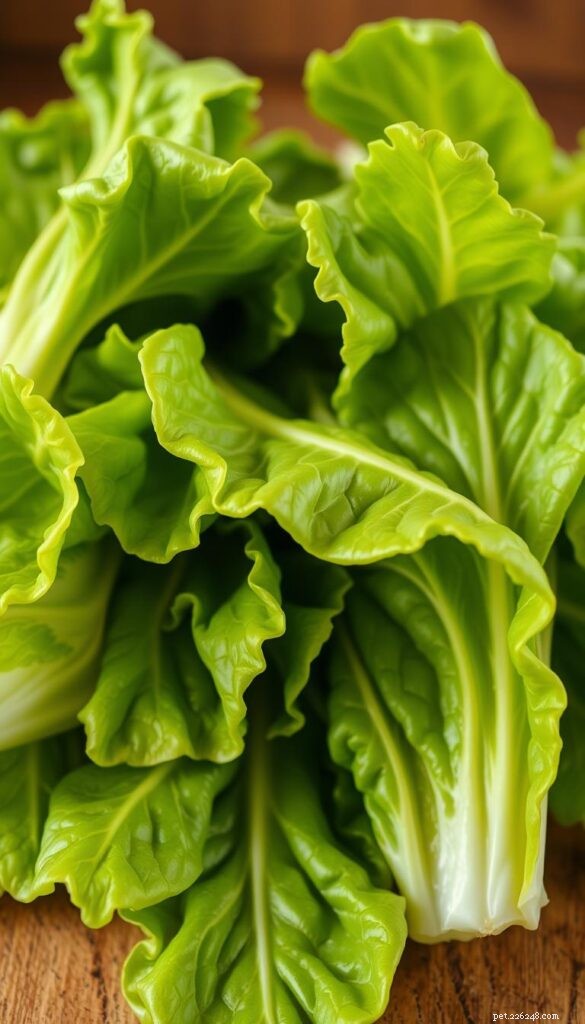
When selecting greens, some varieties stand out. Among leafy options, romaine offers exceptional nutritional value that supports overall health.
Why Romaine Stands Out from Other Lettuces
One 100‑gram serving of romaine delivers 24 mg of vitamin C—six times more than many other lettuces. Its nutrient density makes it a smart choice for meeting daily requirements naturally. The tender hearts are often the favorite portion for small pets.
| Lettuce Type | Vitamin C (per 100g) | Texture |
|---|---|---|
| Romaine | 24 mg | Crisp, firm |
| Red Leaf | 3.7 mg | Delicate, ruffled |
| Butterhead | 3.7 mg | Soft, buttery |
| Green Leaf | 18 mg | Semi‑crisp |
Guinea pigs often gravitate toward crunchy leaves, which also help maintain dental health. The elongated shape of romaine offers ample surface area for thorough washing.
Regular inclusion supports immune function and tissue repair without causing digestive upset. Rotate it with other vitamin‑rich veggies to create balanced meals. Pat leaves dry after rinsing to prevent water‑logged bowls.
Comparing Lettuce Varieties for Your Guinea Pig
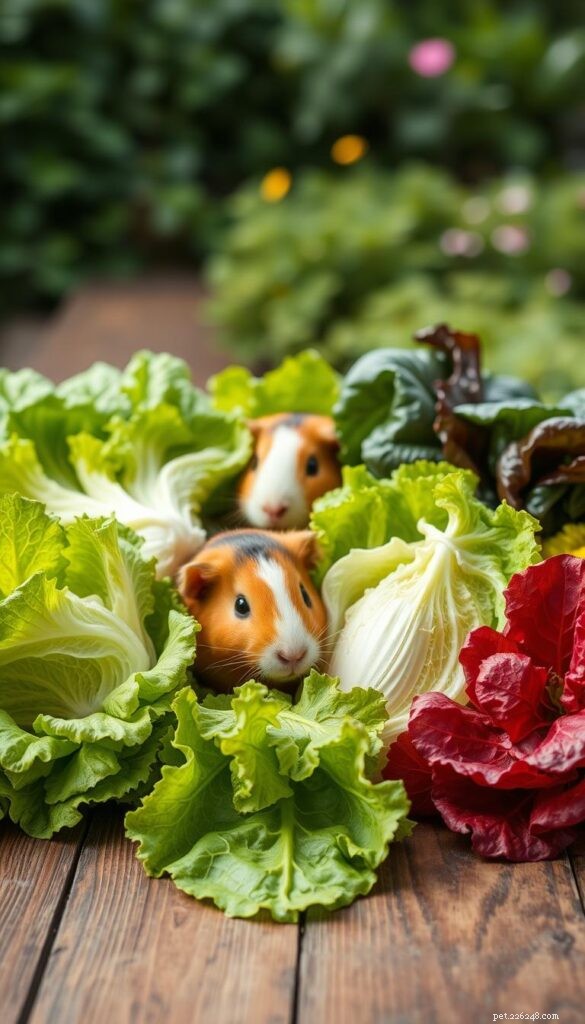
Texture, nutrient density, and sugar content differ significantly among lettuce types. Here’s a quick comparison of the top contenders.
Nutritional Showdown: Top Leafy Greens
Romaine tops the chart with 24 mg of vitamin C per 100 g, followed by green leaf at 18 mg. Butterhead and red leaf offer only 3.7 mg. Calcium levels remain steady (33‑36 mg) across varieties, supporting bone health without overloading.
| Variety | Vitamin C | Fiber | Sugar |
|---|---|---|---|
| Romaine | 24 mg | 2.1 g | 1.2 g |
| Green Leaf | 18 mg | 1.3 g | 0.8 g |
| Butterhead | 3.7 mg | 1.1 g | 0.9 g |
| Red Leaf | 3.7 mg | 0.9 g | 0.5 g |
Rotate these lettuces with other safe leafy options to maintain variety. The crisp texture of romaine helps with dental health, while softer varieties add flavor diversity.
Why Iceberg Is Not Recommended
Iceberg lettuce is largely water (94%) and contains 2 g of sugar—an undesirable combination for sensitive digestive systems. With only 2.8 mg vitamin C and 18 mg calcium, it offers minimal nutrition compared to darker lettuces.
Veterinary nutritionists caution against iceberg’s “empty calories.” Its high moisture can cause diarrhea, and it lacks the fiber found in better lettuces. Stick to nutrient‑dense greens that truly benefit your pet.
Safely Introducing Romaine Lettuce into Their Diet

Transitioning to new foods requires careful planning. Start with small portions and observe how the digestive system reacts.
Step‑by‑Step Feeding Guidelines
Begin with a thumbnail‑sized piece every other day. Over 7‑10 days, increase to one medium leaf. Pair it with familiar veggies like bell peppers to encourage acceptance.
Rinse leaves under cool water for 20 seconds, shake off excess moisture, and pat dry with paper towels. Serve at room temperature for the best texture.
Initially limit portions to 2‑3 times per week, then build to daily servings. Rotate with other greens such as cilantro or spinach. Remove any uneaten pieces within four hours to keep the bowl clean.
Monitoring Your Pet’s Reaction
Check stool consistency daily during introductions. Firm, oval droppings indicate good digestion; loose stools suggest pausing new foods for 48 hours.
Look for enthusiastic chewing or refusal to eat. Some guinea pigs prefer inner ribs over leafy parts—adjust serving style accordingly.
Dr. Emily Thompson of Pet Nutrition Partners emphasizes a 10% rule: new items should never exceed a tenth of the daily food intake.
If digestive issues persist, consult an exotic animal veterinarian to rule out underlying conditions and refine the meal plan.
Nutritional Benefits and Feeding Precautions
Balancing nutrients and safety turns good care into exceptional pet parenting. Romaine delivers powerful health perks but requires smart serving strategies.
Key Vitamins and Minerals
Each 100‑gram serving offers 24 mg of vitamin C, essential for fighting infections. The 33 mg of calcium strengthens bones but should be paired with low‑calcium veggies to reduce urinary risks like bladder stones.
With 2.1 g of fiber, it promotes smooth digestion, and its natural moisture aids hydration. Watch for white specks in urine—if they appear, reduce intake temporarily. Phosphorus at 30 mg balances minerals without overloading the system.
Understanding Portion Sizes
Offer 1‑2 medium leaves 2‑3 times weekly for most adults. Younger guinea pigs may handle slightly more, but never exceed 10% of total daily food. Rotate with bell peppers and cilantro for variety.
Chop leaves into bite‑sized pieces to prevent choking. Always remove uneaten portions within four hours. If urine shows calcium deposits, reduce the amount gradually over three days.
This hydration‑rich green complements water bottles wonderfully. Track your pet’s response to find the ideal balance between nutrition and safety.
FAQ
Why is vitamin C crucial for my pet’s health?
Guinea pigs cannot produce vitamin C, so they rely on diet to prevent deficiencies. Leafy greens like romaine help meet this need while supporting immune function and skin health.
How often should veggies be included in daily meals?
Fresh vegetables should make up about 15‑20% of their diet. Offer a mix of leafy greens daily, alongside unlimited orchard hay and high‑quality pellets, for balanced nutrition.
What makes romaine a better choice than iceberg?
Romaine has higher fiber, vitamins A and K, and lower water content than iceberg, reducing digestive issues while delivering essential nutrients without empty calories.
Are red or green leaf lettuces safe options?
Yes! Both varieties are nutrient‑rich and low in oxalates, making them gentle on the urinary tract. Rotate these with romaine to add variety and prevent boredom.
How do I start adding new greens to their food bowl?
Begin with a small piece (about one square inch) of washed romaine. Gradually increase the portion over a week while watching for soft stools or changes in appetite.
What signs indicate a negative reaction to new foods?
Watch for diarrhea, lethargy, or reduced interest in eating. If these occur, remove the new veggie and consult a vet. Always introduce one food at a time to pinpoint issues.
Can too much romaine cause health problems?
Overfeeding can lead to bloating or calcium buildup. Stick to 1‑2 leaves per day, 3‑4 times weekly, and pair it with low‑calcium veggies like bell peppers for balance.
What nutrients does romaine provide for my furry friend?
It’s packed with folate, potassium, and antioxidants. These support heart health, digestion, and hydration—especially helpful during warmer months when hydration is key.
- How Service Dogs Alleviate Anxiety: A Guide to Emotional Support
- How to Spot When Your Dog Is Sick: 3 Key Warning Signs
- Essential Guide to Detecting and Managing Dog Hip Dysplasia
- Discover Nose Work: A Low-Cost Dog Sport That Enhances Smell Skills
- Save Up to 50% on Pet Products During Chewy’s 2022 Blue Box Sale – 14 Expert Tips
- Flash – Friendly Young Shepherd Mix Seeking Forever Home in Detroit
- 20 Hilarious Pet Photo Fails That Will Keep You Laughing