

Are Orange Bell Peppers Safe for Guinea Pigs? A Vet‑Approved Guide
If you’re looking to diversify your guinea pig’s diet with vibrant, nutrient‑rich vegetables, orange bell peppers are a safe, tasty option. These sweet, crunchy peppers are part of the same family as green and red bell peppers, making them familiar yet exciting additions to your pet’s menu.
Colorful produce keeps meals interesting and provides essential vitamins—especially vitamin C, which small herbivores cannot synthesize on their own. Just remember to wash and slice peppers properly to eliminate choking hazards.
This article covers everything from nutritional benefits and serving sizes to preparation tips and potential risks, ensuring you can offer your guinea pig a healthy, enjoyable snack.
Can Guinea Pigs Eat Orange Peppers?
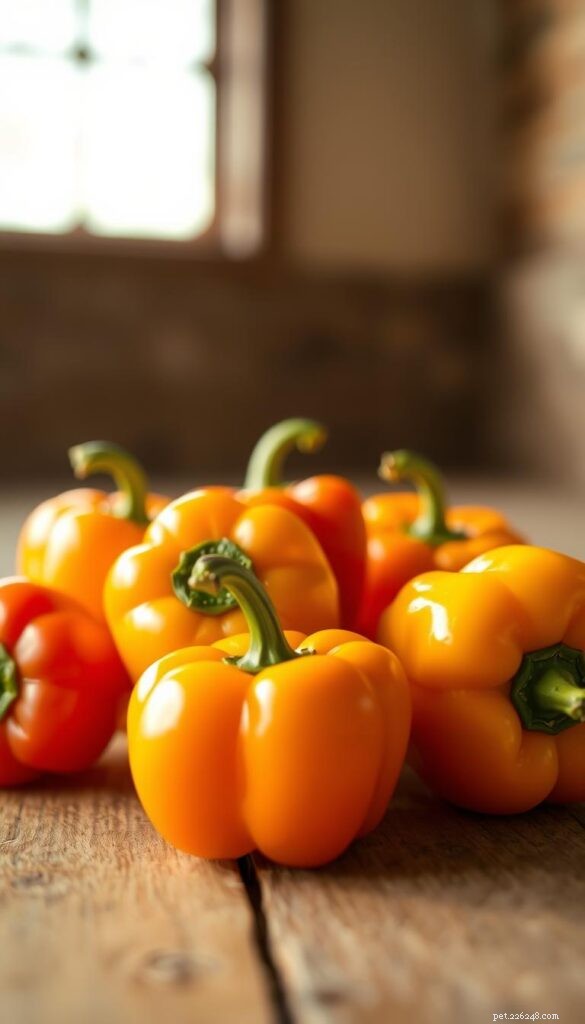
Orange bell peppers are a safe, low‑risk snack for guinea pigs. Unlike spicy chili varieties, these mild peppers contain no harmful compounds that could upset a delicate digestive system. Veterinarians often recommend them as a nutrient‑dense treat that is generally well‑tolerated by small pets.
Fully ripened orange peppers are sweeter than green ones, making them appealing to picky eaters. The added natural sugars help encourage hydration and provide a vitamin‑rich variety that supports overall health.
Introduce any new food gradually. Start with thin slices—about 1–2 inches long—to gauge your guinea pig’s response. Remove seeds and clean the pepper thoroughly to avoid any choking risk.
Like all bell peppers, orange varieties share the same safety profile. Rotate colors throughout the week to keep meals visually stimulating and nutritionally balanced.
Exploring the Nutritional Benefits of Orange Peppers
Orange bell peppers are packed with vitamins, minerals, and antioxidants. According to USDA data, they contain roughly three times the vitamin C of oranges per equivalent serving—an essential nutrient for guinea pigs that cannot produce it internally.
Rich Vitamin C Content for Immune Support
One 10‑gram slice of orange pepper delivers about 20% of a guinea pig’s daily vitamin C requirement, helping prevent scurvy and supporting immune function. The high antioxidant levels—up to 50% greater than green peppers—aid in tissue repair and iron absorption.
Calcium and Fiber for Bone Health and Digestion
These peppers provide 9 mg of calcium per 100 g, covering roughly 15% of a guinea pig’s calcium needs without overloading the digestive system. The fiber content promotes smooth bowel movements, reducing the risk of constipation and diarrhea when paired with adequate hydration.
Understanding Different Bell Pepper Colors and Their Nutrients
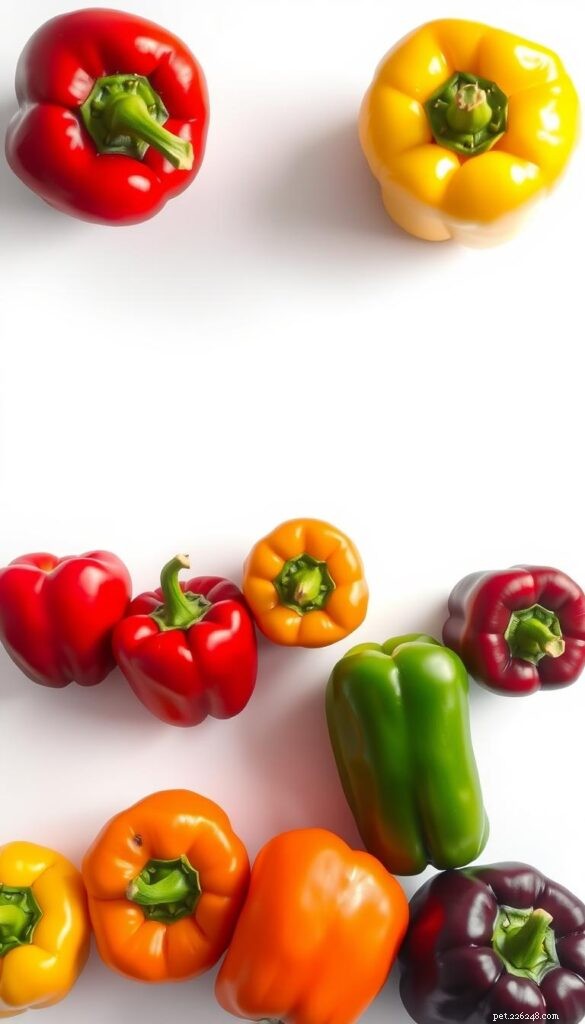
Bell pepper color correlates with ripeness and nutrient profile. Below is a quick reference per 100 g serving:
| Nutrient | Green | Yellow | Orange* | Red |
|---|---|---|---|---|
| Vitamin C (mg) | 80.4 | 183 | 137 | 127.7 |
| Sugar (g) | 2.4 | 4.2 | 3.8 | 4.2 |
| Calcium (mg) | 10 | 11 | 9 | 7 |
*Orange values are estimated between red and yellow averages. Yellow peppers lead in vitamin C—nearly double green—while green peppers offer the lowest sugar content, making them ideal for weight‑management diets.
How to Prepare Orange Peppers Safely for Your Guinea Pig
Proper Cleaning and Slicing Techniques
Rinse the pepper under cool running water, gently scrubbing the skin to remove dirt or residues. Dry with a paper towel before slicing. Use a sharp knife to create uniform strips about 1–2 inches long—sized for easy gripping and natural chewing.
Removing Seeds, Pith, and Unwanted Parts
While pepper seeds are non‑toxic, many owners prefer to remove them for easier digestion. The white pith (placenta) remains edible and nutrient‑rich, so simply cut around the stem and discard the stem and leaves. If you choose to remove seeds, scoop them out with a spoon before serving.
Feeding Guidelines: Portions and Frequency
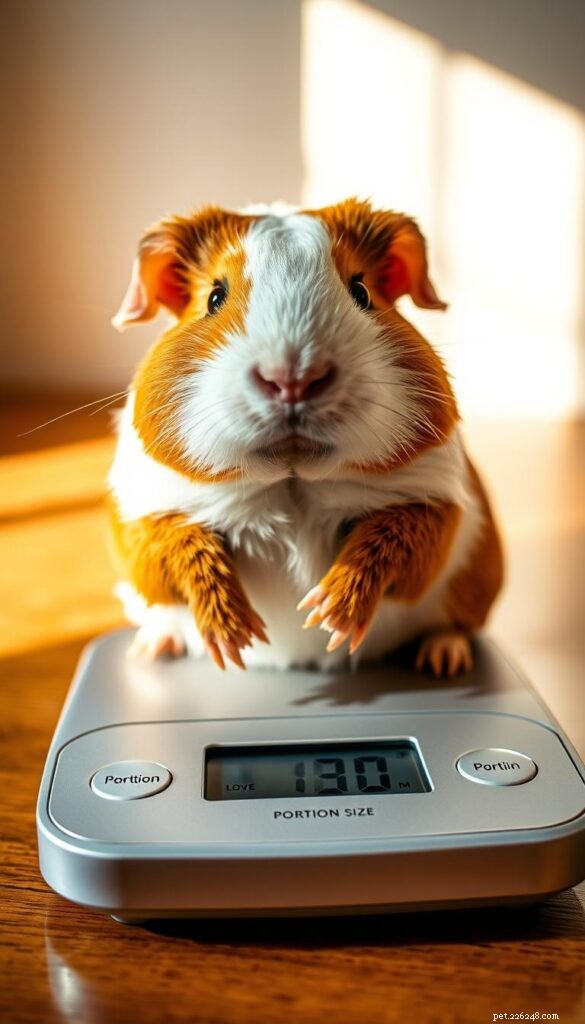
Recommended Serving Sizes and Daily Portions
Veterinary experts suggest 1–2 square inches of orange pepper per day—roughly two half‑inch slices—for most guinea pigs. The Humane Society recommends limiting pepper treats to 15% of total fresh food intake.
Introduce new foods slowly: start with a half‑square inch and observe for soft stools or disinterest. If tolerated, increase gradually over 7–10 days. Rotate peppers 3–4 times per week and pair with leafy greens or crunchy carrots for balanced nutrition.
Addressing Potential Risks and Moderation Tips
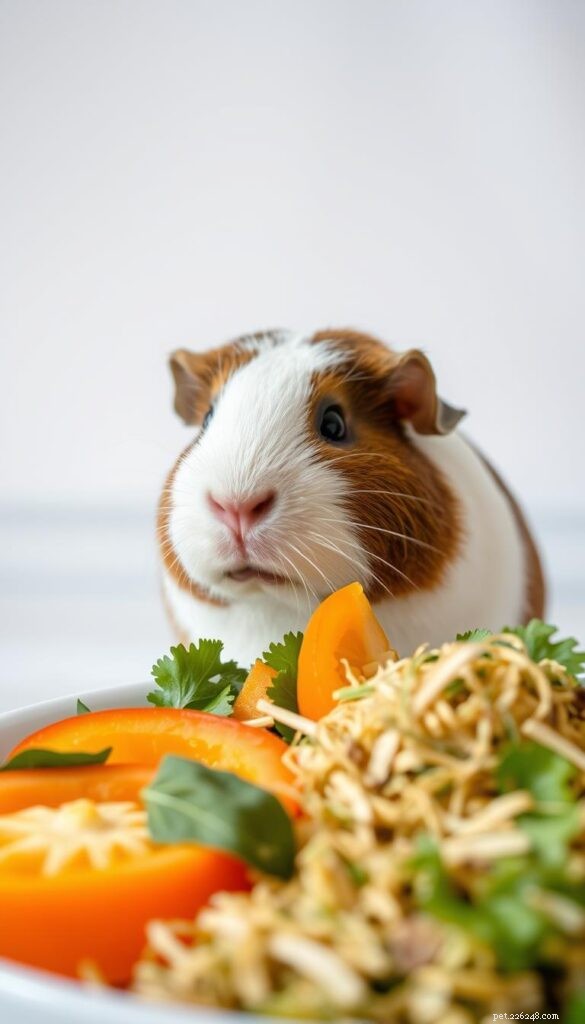
Because orange peppers contain more natural sugars than green varieties, over‑feeding can lead to loose stools or digestive upset. Keep portions to 1–2 thin slices daily and alternate with hydrating veggies like cucumber or leafy greens.
Watch for subtle changes—reduced appetite or lethargy may indicate sensitivity. Adjust portions gradually and always prioritize a base diet of quality hay, pellets, and a variety of fresh vegetables.
Comparing Orange Peppers to Other Safe Vegetables
Orange bell peppers outshine common choices like carrots and cucumbers in vitamin C content—providing up to three times the immunity‑boosting power of leafy greens. They strike a sweet‑yet‑balanced profile compared to high‑sugar fruits such as grapes or cherries.
Incorporate a mix of pepper colors and other safe veggies to keep meals exciting and nutritionally complete. Remember that sweet peppers and spicy chilies are distinct; never feed fiery varieties to guinea pigs.
Integrating Orange Peppers into a Balanced Guinea Pig Diet
Pair orange peppers with leafy greens such as romaine or kale, and add crunchy carrots or cucumber for texture variety. Rotating colors—orange, red, yellow—keeps meals visually appealing and nutritionally diverse.
Mix‑and‑Match Veggie Combinations
Combine thin pepper strips with fresh herbs like parsley or basil for added flavor. Many guinea pigs love the natural sweetness of ripe peppers, making them an excellent way to hide bitter‑tasting supplements.
Spotting Success (or Concerns)
Positive signs include bright eyes and enthusiastic nibbling. Conversely, loose stools or skipped meals warrant reducing portions. Introduce one new vegetable at a time, allowing 3–4 days to monitor tolerance.
FAQ
Are orange bell peppers safe for small pets?
Yes. They are non‑toxic, rich in vitamin C, and can be served raw, washed, and sliced into bite‑sized pieces to avoid choking.
How do orange peppers compare to red or green ones?
Orange peppers contain slightly less vitamin C than red but more than green. They’re sweeter than green peppers, making them a tasty treat with immune‑boosting benefits.
Should I remove any parts before feeding?
Trim the stem, seeds, and white pith for easier digestion. These parts are tough and offer little nutritional value.
How much can I give my pet weekly?
Offer 1–2 thin slices (about 10 g) 2–3 times weekly. Balance with leafy greens like romaine and herbs for a varied, calcium‑conscious diet.
Can these cause digestive issues?
Over‑feeding may lead to soft stools due to natural sugars. Introduce gradually and monitor appetite or droppings.
What other veggies pair well with orange peppers?
Combine with cucumber slices, zucchini, or fresh cilantro. Rotate different colored veggies weekly for antioxidants and to prevent boredom.
Do these help with vitamin C needs?
Orange peppers contribute to daily vitamin C requirements but should supplement—not replace—fortified pellets or staples like kale.
- 21 Stunning Pet Portraits That Capture Your Furry Friend’s Essence
- Why Do Dogs Sit, Lay, or Sleep on Your Feet? Insights & Tips
- Avoid Common Hazards That Endanger Your Dog
- Puppy Proofing Your Home: A Step-by-Step Safety Guide
- How Often Should Dogs Poop Each Day? A Practical Guide for Pet Owners
- A Week in the Life of Other Buster 2: The Friendly Backyard Cat
- How Long Can a Cat Survive Without Food and Water? Expert Guidance and Quick Facts