

Can Guinea Pigs Safely Eat Saltine Crackers? Expert Advice on Treats and Nutrition
Those big, curious eyes staring at your snack may make you want to share a bite. But when it comes to salty or processed treats like crackers, your pet’s health depends on saying no. Many owners wonder if human snacks like saltines are harmless in tiny amounts—after all, how bad could one crumb be?
Veterinary experts agree: baked goods made for people do not belong in a small herbivore’s diet. While the occasional veggie treat is fine, crackers lack the fiber and nutrients these animals need. They’re packed with starch, sodium, and additives that strain delicate digestive systems.
You might think offering a fragment as a rare reward is safe. However, even minimal quantities can lead to long‑term issues like obesity or dehydration. For detailed guidance on suitable alternatives, explore our comprehensive nutrition guide tailored to your pet’s needs.
Understanding proper feeding habits helps prevent emergencies and ensures a happy, active companion. Let’s explore why prioritizing species‑appropriate meals matters more than those pleading stares!
Understanding Guinea Pig Dietary Needs
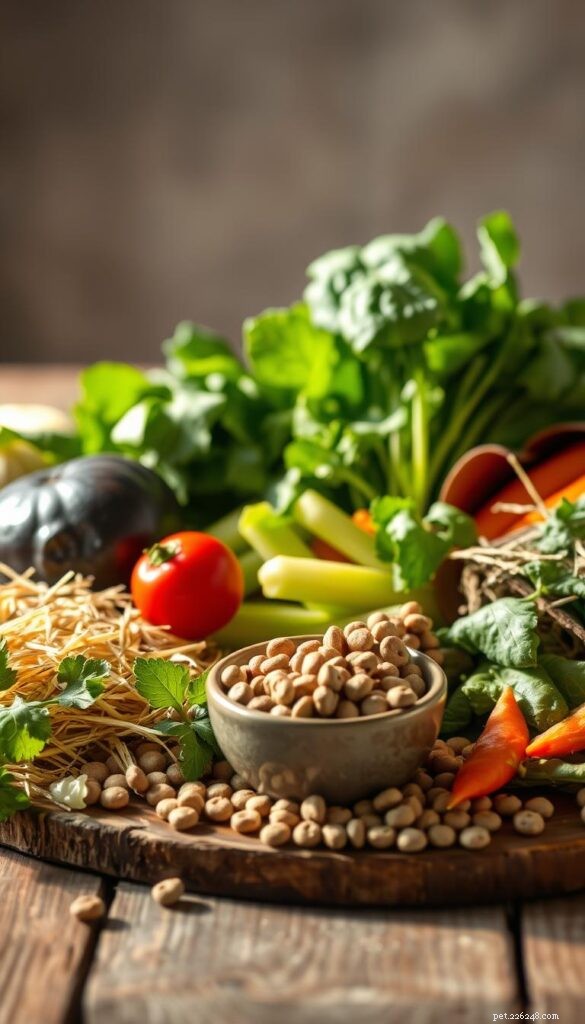
Your furry friend’s body works like a finely tuned plant‑processing machine. These small herbivores evolved to eat grasses, leaves, and wild vegetables – not pantry snacks or human treats. Their digestive systems require constant fiber intake to function properly.
Essential Nutrients for a Healthy Diet
Fresh hay isn’t just bedding material – it’s the cornerstone of proper nutrition. The roughage keeps their teeth trimmed and gut moving. Unlike humans, these pets can’t produce vitamin C, making daily veggies like bell peppers crucial.
Here’s what their ideal plate looks like:
- Unlimited timothy hay (85% of meals)
- 1/8 cup vitamin‑fortified pellets daily
- 1 cup mixed vegetables like romaine or cilantro
The Role of Hay, Vegetables, and Pellets
Wild relatives spend 70% of their day foraging. Mimic this rhythm by scattering food in their habitat. Pellets provide concentrated nutrients, while fresh greens add moisture and variety. Always remove uneaten produce within four hours to prevent spoilage.
Balance is key. Too many pellets can lead to weight gain, while insufficient hay causes dental issues. Stick to species‑specific formulas – never substitute rabbit food, which lacks vital nutrients.
Can Guinea Pigs Eat Saltine Crackers?
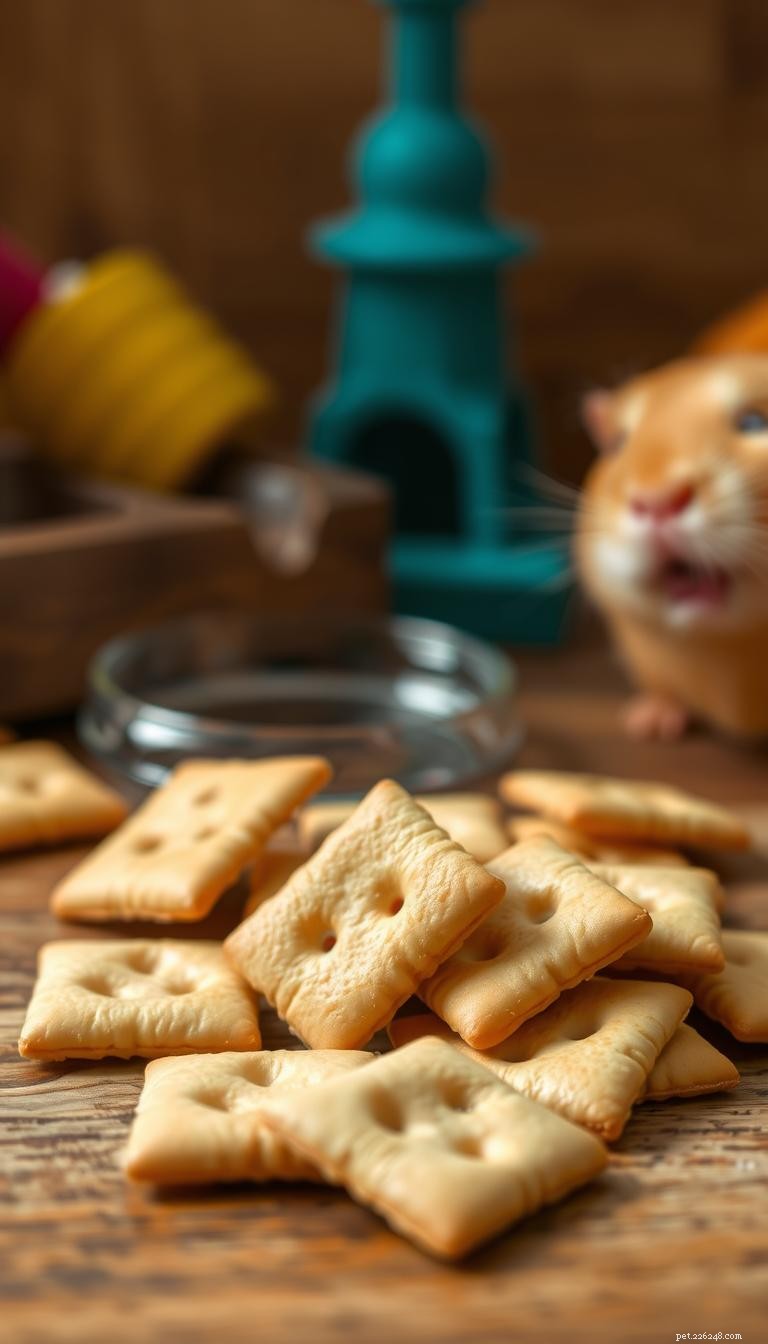
Let’s settle this common snack debate once and for all. Those crispy squares might seem harmless, but their ingredients spell trouble for small herbivores. Processed human foods lack the natural fiber these animals require while packing hidden dangers in every bite.
Hidden Threats in Plain Sight
Refined wheat flour forms the base of most crackers, creating dense starch bombs that disrupt delicate digestion. Added seasonings – including garlic powder or cheese flavoring – often contain toxic compounds for plant‑eaters. Preservatives like BHT keep snacks shelf‑stable but strain internal organs.
Consider the sodium content alone: a single saltine carries more salt than a day’s safe limit. For creatures weighing under three pounds, this triggers extreme thirst and electrolyte imbalances. Their kidneys work overtime to flush excess minerals, risking dehydration.
When Treats Become Threats
High‑fat oils used in baking cling to sensitive intestinal walls, slowing nutrient absorption. This leads to painful gas buildup and bloating within hours. Repeated exposure may cause long‑term issues like hypertension or heart strain from elevated blood pressure.
Even “just a crumb” introduces unfamiliar chemicals their bodies can’t break down. Stick to fresh veggies and hay‑based rewards that align with their biological needs. Your pet’s enthusiastic munching sounds should come from safe, species‑appropriate foods – not temporary human indulgences.
Nutritional Risks of Feeding Processed Foods
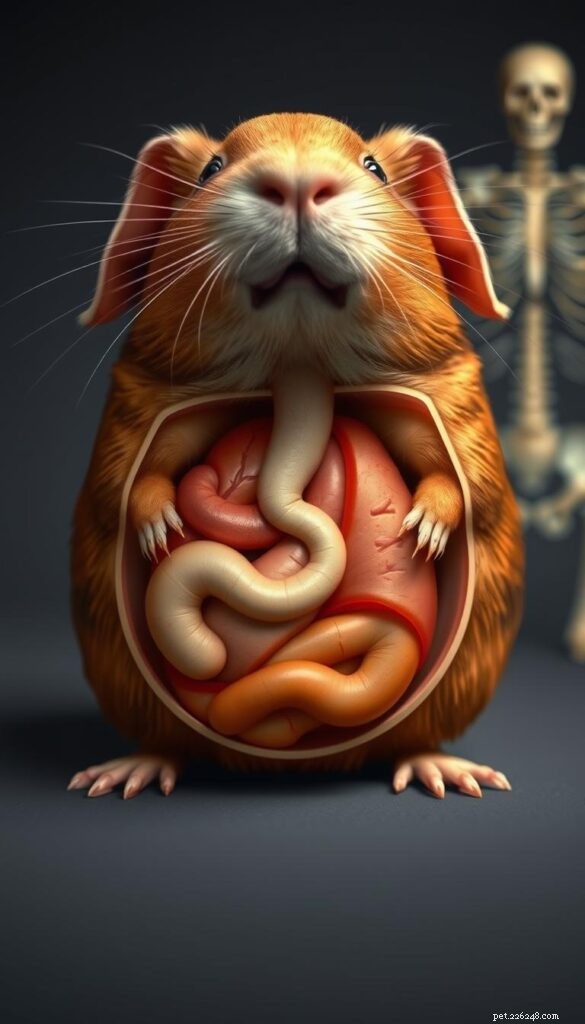
That innocent crumb you’re considering sharing could start a health crisis in tiny bodies not built for modern snacks. Processed items disrupt natural digestion while introducing harmful additives that strain vital organs.
Digestive and Cardiovascular Concerns
Delicate stomachs react violently to starchy, oily ingredients. Even small amounts of baked goods cause bloating, diarrhea, or painful gas. Over time, repeated exposure erodes gut health, making nutrient absorption harder.
High sodium levels in human snacks force kidneys into overdrive. This leads to dehydration and dangerous blood pressure spikes. For perspective:
| Risk Factor | Processed Foods | Healthy Alternatives |
|---|---|---|
| Fiber Content | 0.5g per cracker | 30g+ in hay daily |
| Sodium | 50mg per serving | 0mg in fresh veggies |
| Vitamin C | None | 20mg/day needed |
Empty calories from flour‑based snacks crowd out essential meals. Without enough vitamin C‑rich foods, scurvy develops within weeks—a condition causing joint pain and lethargy. Obesity from fatty treats stresses hearts and limits mobility.
Stick to vet‑approved greens and hay. Your pet’s enthusiastic munching deserves fuel that protects their health, not compromises it.
Vet‑Approved Feeding Alternatives
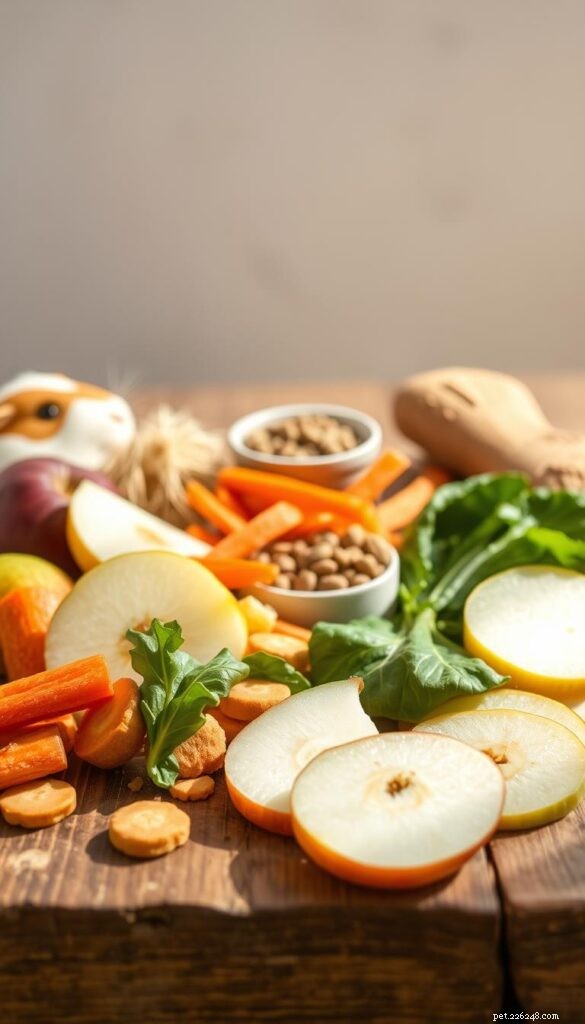
Discovering tasty, nutritious options keeps your furry friend thriving. Swap processed snacks with crunchy favorites that support their well‑being while satisfying natural chewing instincts.
Healthy Snacks and Natural Treats
Timothy hay forms the foundation of smart snacking. Try woven hay cubes or apple‑flavored biscuits for safe dental wear and digestive support. Fresh veggies like bell peppers deliver daily vitamin C – slice them thin for easy nibbling.
Leafy greens transform into exciting rewards:
- Kale ribbons for crunch
- Broccoli florets as mini trees
- Spinach‑stuffed treat balls
Balancing Diet with Vet Recommendations
Veterinarians suggest limiting fruits to 1‑2 weekly servings. Try strawberry tops or orange wedges for sweetness without sugar overload. “Always pair treats with their core diet – 80% hay, 15% veggies, 5% extras,” advises Dr. Emily Carter, exotic animal specialist.
Commercial pellets should be plain, fortified, and portion‑controlled. Avoid colorful mixes with seeds or dried fruits – simple formulas prevent selective eating. For special occasions, offer carrot coins or zucchini rounds as low‑calorie indulgences.
Managing Treats and Occasional Foods
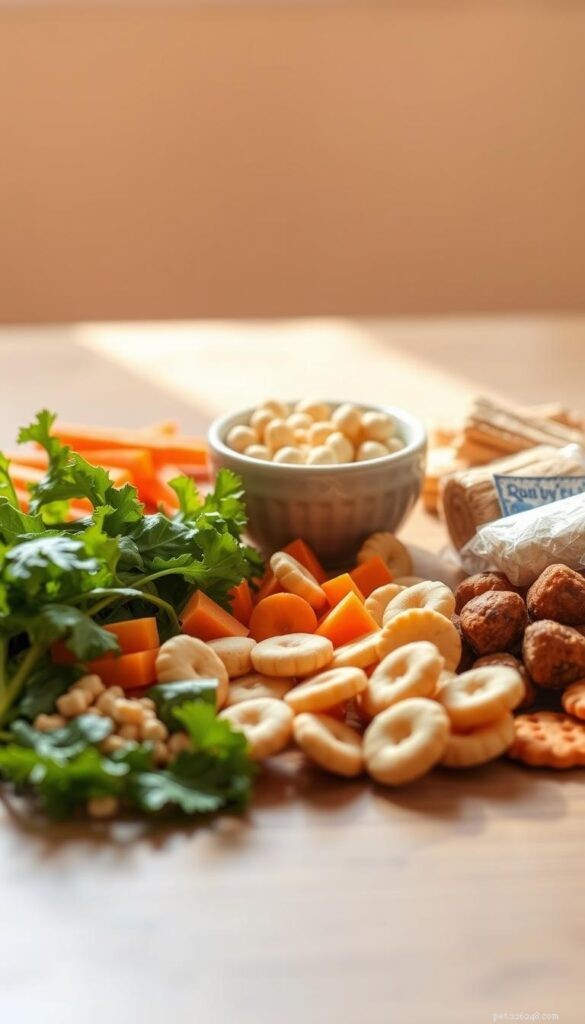
Sharing snacks creates special bonding moments, but smart portion control keeps your pet thriving. Treats should never exceed 20% of daily meals – think of them as sprinkles on a salad rather than the main course. This balance prevents weight gain while letting your furry friend enjoy variety.
Focus on leafy greens like romaine or kale for daily rewards. Fruits make better occasional surprises – their natural sugars can upset tiny stomachs if overfed. Always remove uneaten veggies within 4 hours to avoid mold risks. Watch for these signs of treat overload:
- Ignoring regular hay meals
- Loose stools or reduced activity
- Begging behaviors during non‑feeding times
Timing matters! Offer snacks during morning interactions when energy levels peak. Store pre‑cut vegetables in airtight containers for quick access when those pleading eyes appear. “Consistency prevents cravings,” notes Dr. Sarah Thompson, exotic pet nutritionist. Keep crunchy alternatives like cucumber slices handy to avoid cracker temptations.
Healthy habits create joyful routines. Your companion stays energetic, and you gain peace of mind knowing every nibble supports their well‑being. Those shared moments taste sweeter when you’re both winning!
Guidelines for Safe Guinea Pig Feeding
Proper nutrition isn’t just about what you feed, but how and when. Creating consistent routines helps your furry friend thrive while avoiding harmful snacks. Structured meals prevent overfeeding and ensure balanced nutrient intake throughout the day.
Portion Control and Meal Timing
Fresh timothy hay should always fill their enclosure—it’s essential for digestion and dental health. For pellets, measure 1/8 cup daily per pet, adjusting based on your veterinarian’s advice. Pair this with one cup of chopped vegetables like romaine lettuce or bell peppers.
Hydration matters! Use a spill‑proof bottle and refresh water every morning. Clean bowls prevent bacterial growth that could upset sensitive stomachs. Stick to scheduled feedings rather than free‑grazing on human foods.
Remember: quality beats quantity. Monitor their weight monthly and adjust portions if they gain or lose significantly. Your attention to detail keeps meals enjoyable and nutritionally complete!
FAQ
Are crackers harmful to small pets like guinea pigs?
Yes! Processed snacks like saltines contain high salt, fat, and artificial additives. These ingredients strain their sensitive digestive systems and lack the nutrients they need.
What happens if my pet accidentally eats a cracker?
Monitor for signs like diarrhea, lethargy, or reduced appetite. Offer fresh water and timothy hay to help digestion. Contact your vet if symptoms persist for over 24 hours.
What are safer treat options for my furry friend?
Stick to vet‑approved choices like bell peppers, cilantro, or small pieces of apple. Always prioritize leafy greens and limit sugary fruits to 1‑2 times weekly.
How often can I give my pet special snacks?
Treats should make up less than 5% of their diet. Focus daily meals on unlimited hay, fresh veggies, and fortified pellets to meet their vitamin C and fiber needs.
Why is hay so important in their daily meals?
Timothy hay supports healthy teeth and digestion. It provides essential fiber to prevent gastrointestinal issues, which processed foods like crackers can worsen.
Can processed human foods ever be safe in tiny amounts?
Most aren’t recommended. Foods like bread or cheese lack nutritional value and may cause obesity. Always consult your vet before introducing new items.
What immediate steps should I take after unsafe feeding?
Remove any uneaten crackers, provide extra water, and watch for bloating or irregular poops. Persistent issues require urgent veterinary care to avoid complications.
How do I balance fresh foods with commercial pellets?
Offer 1/8 cup of pellets daily alongside unlimited hay. Rotate vegetables like romaine lettuce or zucchini for variety, ensuring they get consistent vitamin intake.
- Is Your Pet Experiencing Depression? Key Signs & How to Help
- The Best Brown Horse Names for Your New Foal
- Top 7 Must‑Visit Dog Parks in Singapore + Etiquette Tips
- How to Safely Measure Your Dog’s and Cat’s Heart Rate
- First Rabbit Litter Size: How Many Kits Are Born?
- Why Does My Cat Smack Me While I Sleep? Insights into Nighttime Cat Behavior
- How to Calmly Release a Fearful Dog From Its Crate