

Can Guinea Pigs Safely Enjoy Graham Crackers? A Veterinary Guide
Those big, curious eyes might tempt you to share a bite, but processed human foods can jeopardize your guinea pig’s health. Let’s explore why crackers aren’t suitable for these small herbivores.
Many baked snacks—saltine, cheese‑flavored, honey‑infused—contain flour, salt, and artificial additives that can upset delicate digestive systems. Even tiny amounts can cause bloating, dehydration, or disrupt their balanced nutrition.
Pairing crackers with peanut butter or yogurt only adds fats and sugars, doubling the risk. Instead, offer fresh veggies and hay‑based treats that align with their species‑specific diet.
For a comprehensive list of safe snacks and foods to avoid, check our dedicated guide. Protecting your companion starts with understanding their unique dietary needs and steering clear of harmful crumbs.
Understanding Your Guinea Pig’s Nutritional Needs
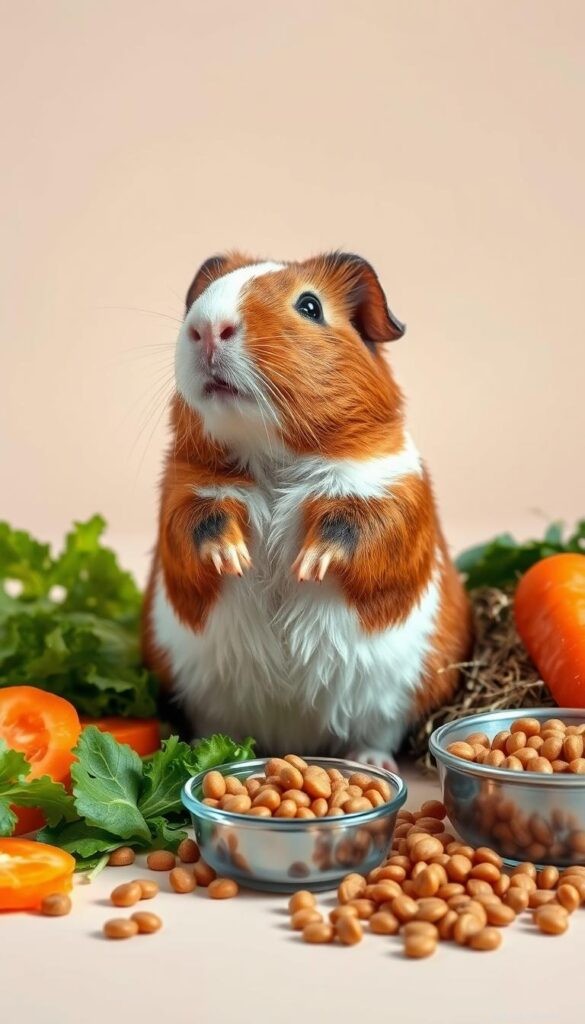
Your furry friend thrives on meals built for their biology. Unlike humans, guinea pigs require a carefully balanced diet to maintain energy and prevent health issues. Below is a quick rundown of what keeps them hopping happily.
Key Nutrients for a Healthy Diet
High‑fiber hay makes up 80% of their daily intake, supporting digestion and naturally filing down their continuously growing teeth. Pair this with vitamin‑rich vegetables—kale, bell peppers, broccoli—since they cannot produce vitamin C internally.
The Role of Hay, Vegetables, and Fresh Water
Always provide unlimited fresh timothy or orchard hay. Leafy greens and broccoli florets add essential nutrients and make meals exciting. Change water bottles daily to prevent bacterial growth—bowls become dirty quickly!
| Food Type | Key Nutrients | Daily Purpose |
|---|---|---|
| Timothy Hay | Fiber, Calcium | Digestion & Dental Health |
| Bell Peppers | Vitamin C | Immune Support |
| Filtered Water | Hydration | Organ Function |
Commercial pellets can supplement these staples, but choose brands free of colorful mixes or added sugars. For treats, offer orange slices sparingly—sweetness shouldn’t override nutrition.
Can Guinea Pigs Eat Graham Crackers?
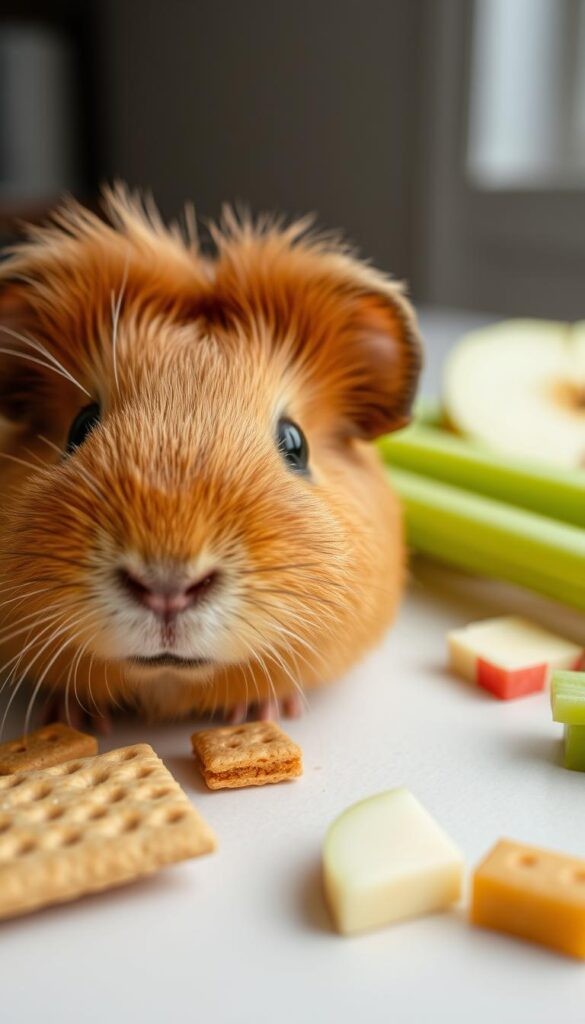
While the crinkly wrapper might excite your pet, most baked treats are unsuitable for their digestive system. Graham crackers are primarily made from flour and sugar, which guinea pigs cannot process efficiently. Even “natural” versions contain binding agents and preservatives that can disturb gut flora.
Why Graham Crackers Are Not Ideal for Your Pet
Flour and sugar provide zero fiber and overload the gut with simple carbs. Seasonal flavors—cinnamon, honey—add extra sugar and artificial enhancers that may trigger allergic reactions or blood‑sugar spikes. Veterinary reports link even a single nibble to bloating and diarrhea.
Accidental ingestion warrants prompt attention. Look for lethargy, reduced appetite, or changes in stool. Keep counter snacks sealed and educate family members about pet‑safe alternatives.
Prioritize fresh produce over pantry items. Carrot tops and cucumber slices hydrate and nourish without compromising health. Their biology thrives on simplicity, not processed indulgences.
Risks of Feeding Crackers and Processed Foods
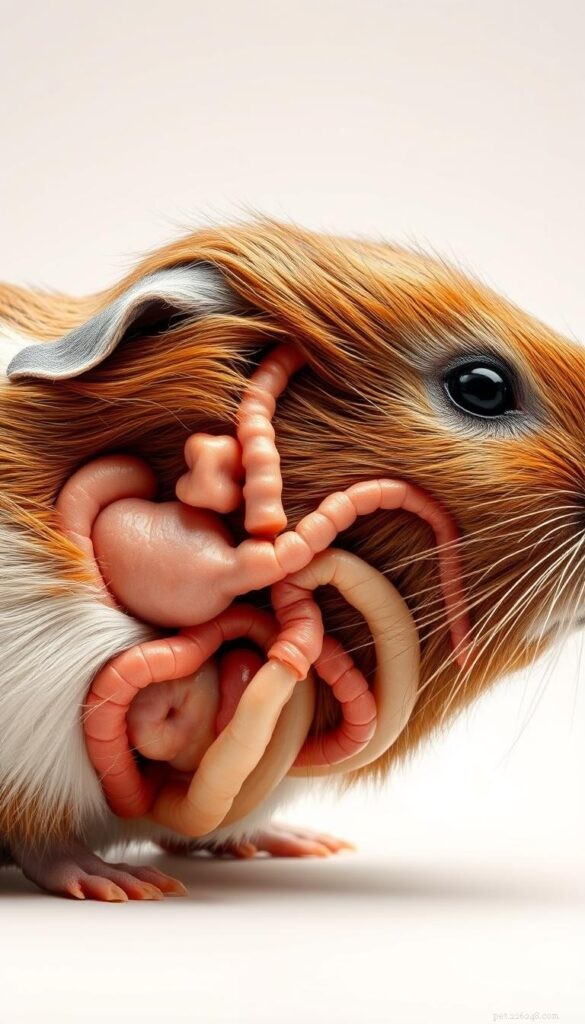
Processed snacks carry hidden dangers beyond a mild tummy ache. High fat, salt, and refined flour can overwhelm a guinea pig’s delicate system.
Digestive Issues and Upset Stomachs
Salt and refined flour disrupt fluid balance, leading to gas, constipation, or even dehydration as the animal attempts to flush excess sodium. When crackers absorb stomach moisture, they can expand and create blockages—a life‑threatening situation requiring immediate veterinary care.
Weight Gain and Cardiovascular Concerns
Regular snacking quickly leads to obesity, straining heart and vessels. Sodium spikes blood pressure. Empty calories replace essential nutrients, increasing the risk of vitamin C deficiency and scurvy. Stick to vet‑approved diets featuring hay and fresh greens for vitality.
Safe Treat Alternatives to Unhealthy Snacks
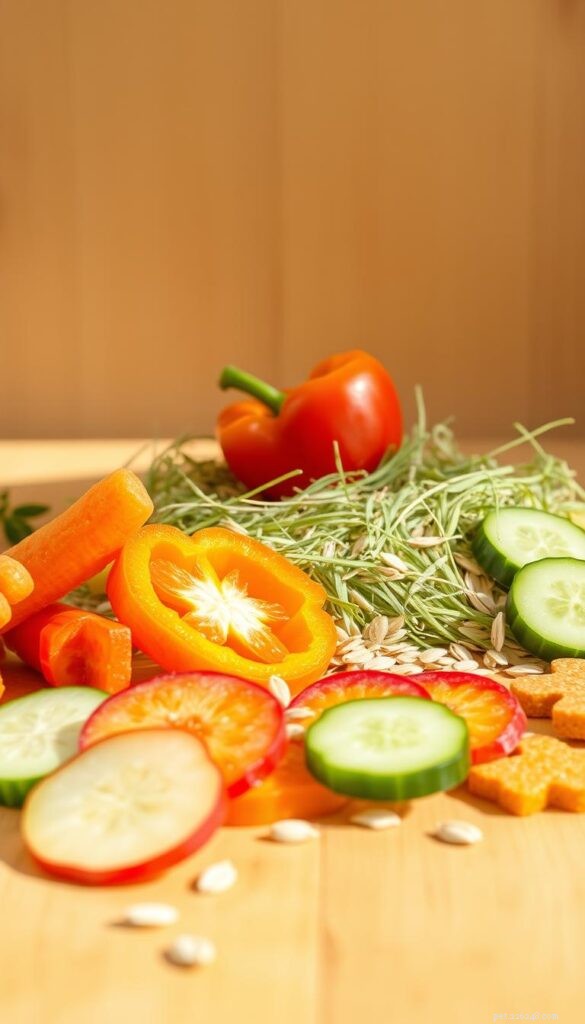
Introducing new flavors can be rewarding when done right. Focus on natural options that meet their biological needs.
Fresh Produce Powerhouses
Colorful vegetables—red bell peppers, romaine lettuce—offer vitamin C, hydration, and crunch. Rotate options like zucchini slices or cilantro sprigs to prevent boredom.
Creative Homemade Solutions
Skip store‑bought snacks. Try:
- Apple‑tree twigs for dental health
- Frozen watermelon cubes (seedless) for summer hydration
- Herb mixes with parsley and basil for flavor
Fruits such as strawberries or berries can be given occasionally. Remove seeds and limit to thumbnail‑sized pieces twice weekly. For extra vitamin C, crush a tablet into powder and sprinkle over hay. Treats should complement—not replace—their main diet of grasses and leafy greens.
Monitoring Your Guinea Pig’s Health After Treats
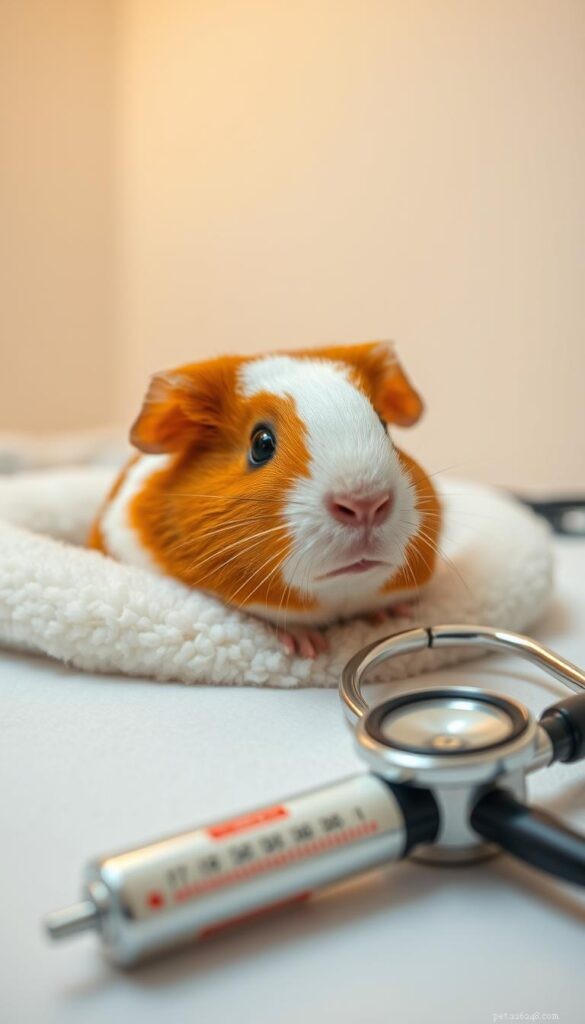
Early detection of problems can prevent escalation. Watch for subtle changes—hunched posture, fluffed fur, squirming when touched. If appetite drops or stool frequency changes, contact your vet immediately.
Recognizing Warning Signs and Digestive Distress
A hunched back or fluffed fur often signals discomfort. If gentle belly touches elicit squeaks or withdrawal, call your vet. Reduced appetite or fewer droppings also warrant concern. Excessive thirst after snacking may indicate salt overload; keep water fresh and offer cucumber slices for hydration.
Track symptoms—time, severity—in a notebook. Detailed notes help the vet diagnose quickly. Do not wait for symptoms to “pass”; delayed care risks permanent damage.
If weight gain occurs, eliminate processed snacks and increase floor time. Hide veggie pieces in the enclosure to encourage natural foraging. Swift action and a return to a species‑appropriate diet are vital for recovery.
Debunking Common Myths About Human Snacks for Pets
Owners often receive conflicting advice. Let’s separate fact from fiction.
Separating Fact from Fiction
“Just a little won’t hurt” is a dangerous myth. Processed snacks can alter gut flora within hours, even in small amounts. Another false belief: “They’ll stop when full.” Guinea pigs lack natural brakes against high‑sodium or sugary foods and may overeat harmful items.
Some claim baked goods provide fiber, but refined flour offers none of the roughage found in hay. Always prioritize fresh greens over pantry staples—herbivores evolved to munch plants, not processed items.
When to Consult Your Vet
Contact a vet immediately if your pet shows diarrhea, refuses meals, or appears lethargic after new foods. Record symptom duration and severity for a quicker diagnosis. Schedule regular check‑ups if weight fluctuates or coat quality declines—proactive care prevents minor issues from becoming crises.
Stick to nutrition plans tailored for small herbivores. With informed choices and myth‑busting knowledge, you’ll keep your companion thriving for years.
FAQ
What happens if my pet eats graham crackers?
These snacks can upset their sensitive stomachs due to high sugar and processed ingredients. Watch for diarrhea, bloating, or reduced appetite. Contact your vet if symptoms persist.
Are there safer treats than store‑bought snacks?
Absolutely! Fresh veggies like bell peppers or leafy greens are ideal. Small fruit portions—blueberries, strawberries—can be offered sparingly to avoid weight issues.
How much hay should they eat daily?
Unlimited timothy hay is essential for digestion and dental health. Pair it with fresh water and vitamin C‑rich veggies like kale to meet nutritional needs.
Can processed foods harm their heart health?
Yes. Fatty or salty snacks strain tiny bodies, raising obesity and heart‑problem risks. Stick to natural, low‑fat foods designed for their delicate systems.
What signs indicate digestive distress?
Lethargy, irregular droppings, or refusal to eat signal trouble. Remove unhealthy treats and consult an exotic animal vet if changes last over 12 hours.
Do pets need commercial treats?
Not at all! Homemade options like dried herbs (parsley, cilantro) or chewable applewood sticks are healthier. Prioritize fresh, whole foods over packaged products.
When should I call a vet about diet concerns?
Reach out if your pet shows prolonged appetite loss, labored breathing, or unusual stool. Quick action prevents minor issues from becoming serious health crises.
- How Dogs Form Strong Bonds With Their Packmates
- Cooper: The Running Bean Who Never Stops
- Kromfohrlander Dog Training: Expert Tips for a Friendly, Loyal Companion
- Chlorine vs. Chloramine: Key Differences for Safe Water Treatment
- How to Safely Treat Fleas in Your Rabbit
- What Is the Cost of a Boxer Puppy? A Complete Guide
- The Science Behind Dogs Sitting Like Humans